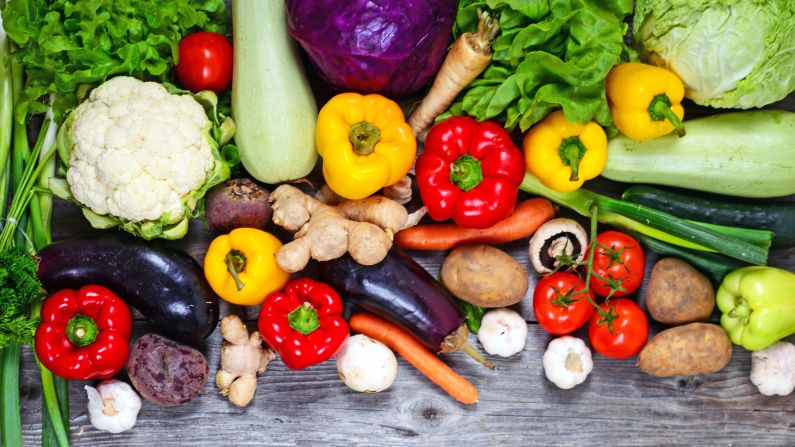
Both vegan and paleo diets place an emphasis on plant-based foods, since they're a tremendous source of the vitamins and minerals that our bodies need to remain healthy. They should make up 75 percent of your diet. Click through our gallery to see the dos and don'ts of the pegan diet.
Shutterstock
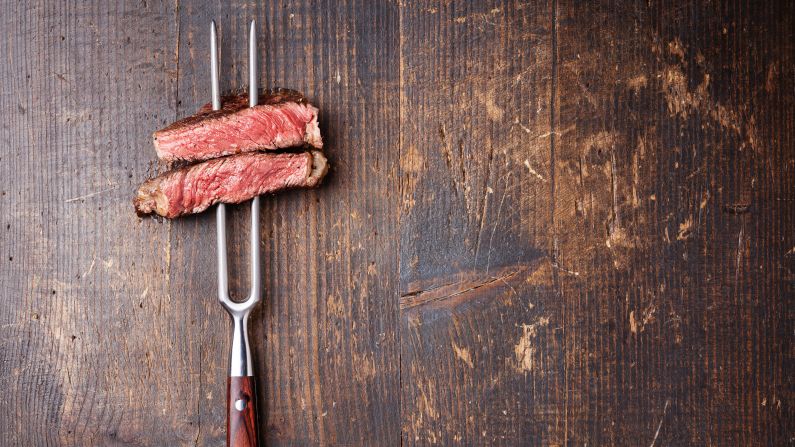
Taking a clue from paleo, protein should come from grass-fed and antibiotic-free animals — in other words, organic. Animal protein like chicken, beef, fish and eggs should only make up approximately 25 percent of your diet.
Lisovskaya Natalia/Shutterstock
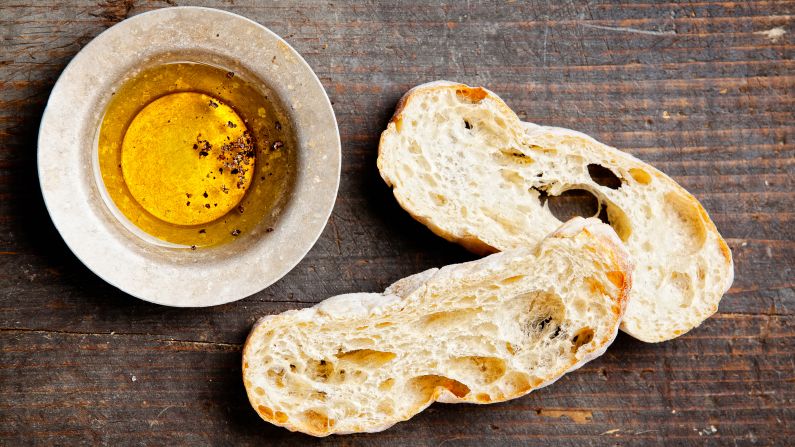
Olive, coconut and avocado oils, in addition to avocados, nuts and other sources of omega-3 fats, are staples of the paleo diet and tend to be a part of good vegan diets, too. However, you'll want to steer clear of peanuts, which are a legume, and limit the amount of saturated fats found in grass-fed or sustainably raised animals.
Lisovskaya Natalia/Shutterstock
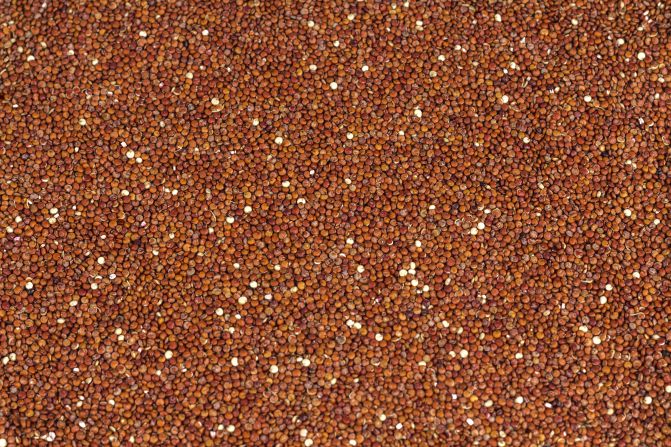
Vegans often rely on grains for energizing B vitamins. Reach for gluten-free, whole grains, such as quinoa, when you're on a pegan plan.
Macko Flower/Shutterstock
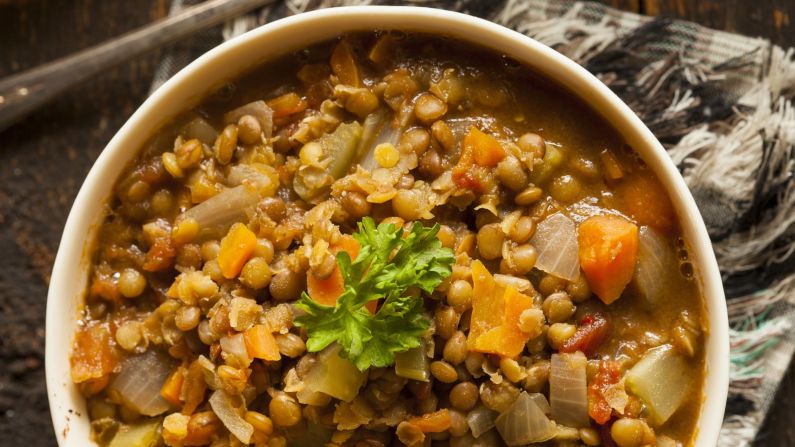
A nutritional powerhouse and great source of meatless protein, small beans like lentils are allowed in limited portions. Other beans or legumes like pinto and peanuts should be avoided.
Brent Hofacker/Shutterstock
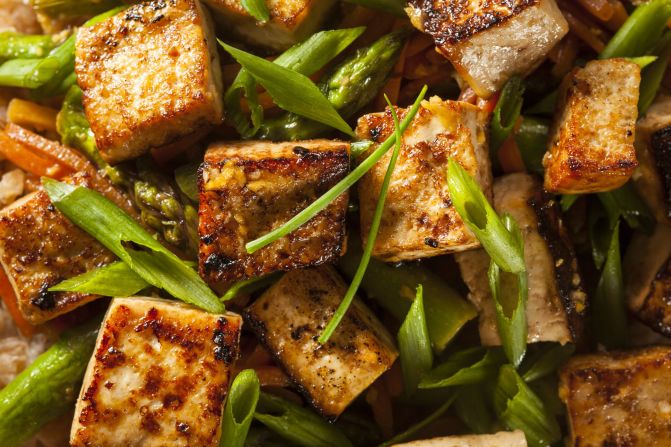
This vegan diet staple is a no-no in the pegan and paleo camps. Why? Research links the bean to disrupting hormones and it also tends to be genetically modified.
Brent Hofacker/Shutterstock
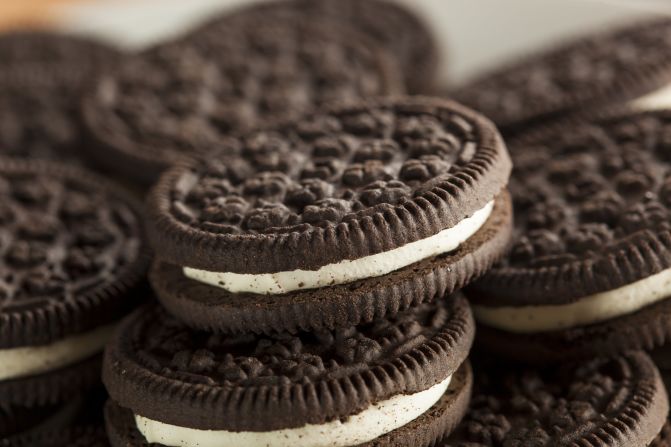
As with most healthy diets, sugar should be viewed as a treat and used sparingly. Too much of the sweet stuff has been linked to obesity and disease so cutting back will do your body good.
Brent Hofacker/Shutterstock
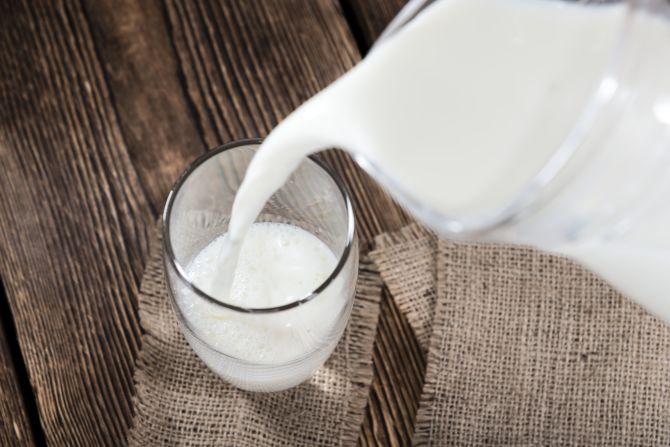
Shunned by vegan and paleo dieters alike, dairy has no place in the pegan eating plan, since many people have a hard time digesting it.