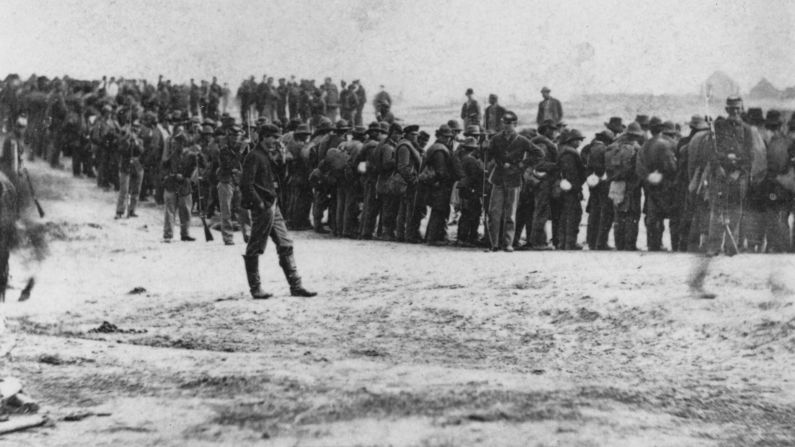
Confederate prisoners being held under guard on April 2, 1865, after the Battle of Five Forks, Virginia, a pivotal event in the closing days of the Civil War.
Archive Photos/Getty Images
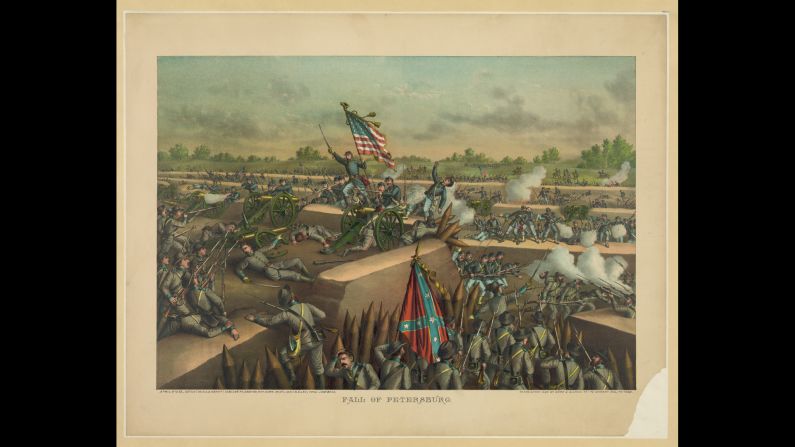
On April 2, Union forces broke through Confederate lines at Petersburg, ending a nine-month siege.
LIbrary of Congress
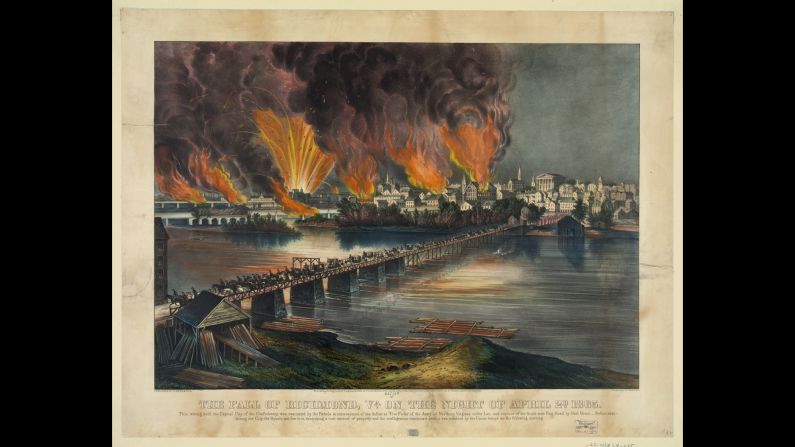
Richmond, the Confederate capital, fell on April 3, 1865. Jefferson Davis, the Confederacy's president, fled the town the evening before.
Library of Congress
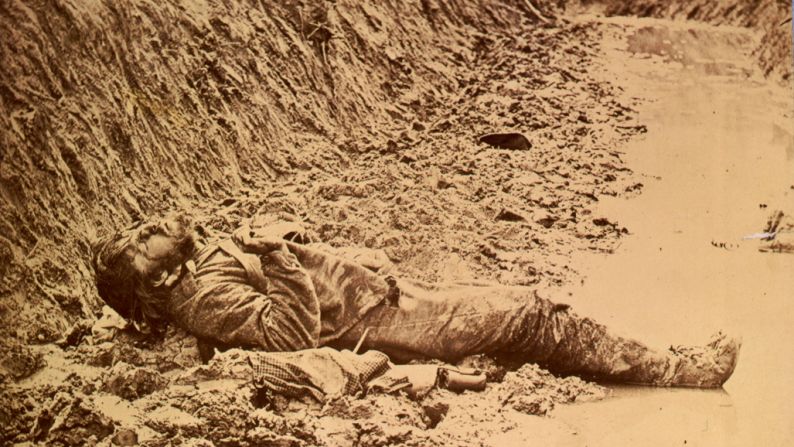
A dead Confederate soldier in the trenches of Fort Mahone in front of Petersburg, Virginia, on April 3, 1865.
Library of Congress
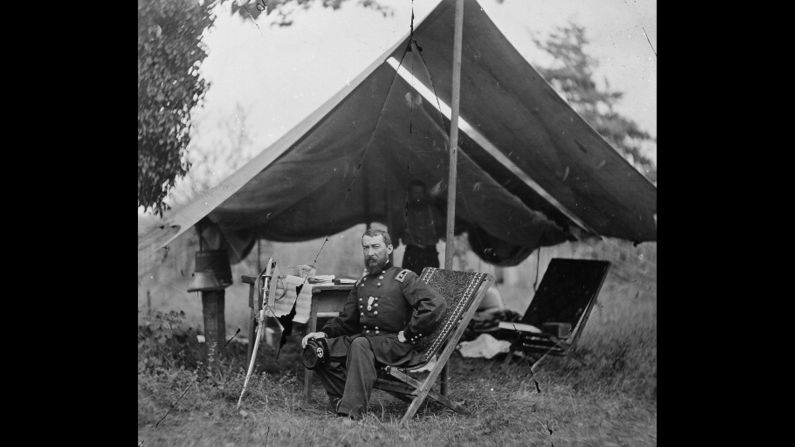
Gen. Philip Sheridan's troops dealt a major blow to Robert E. Lee's Confederate army on April 6, capturing nearly a quarter of his men. At Appomattox Court House on April 9, 1865, Sheridan blocked Lee's escape. Gen. Ulysses S. Grant wrote of Sheridan that he "has no superior as a general, either living or dead, and perhaps not an equal."
Matthew Brady/Buyenlarge/Getty Images
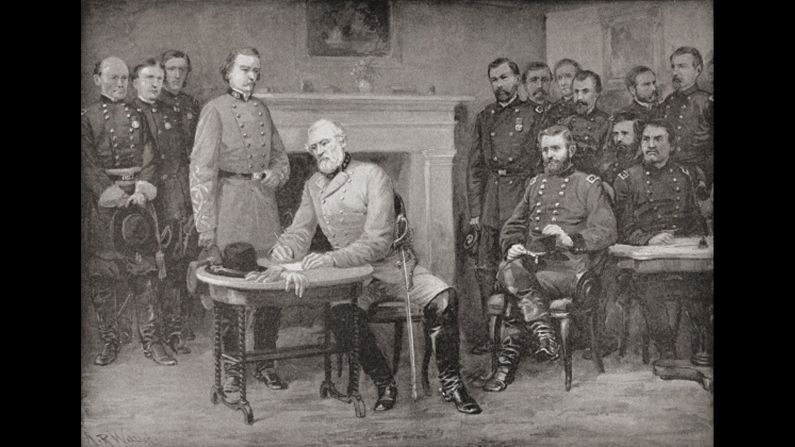
Lee surrenders to Grant at Appomattox Courthouse, Virginia, on April 9, 1865. It was only after 25 minutes of friendly small talk that the two men got around to discussing the terms of the surrender.
Universal History Archive/UIG via Getty Images
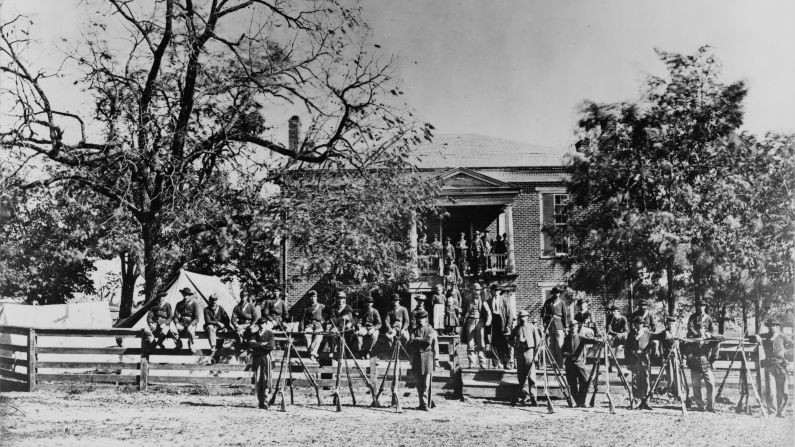
Union soldiers pose in April 1865 in front of Appomattox Courthouse.
Library of Congress
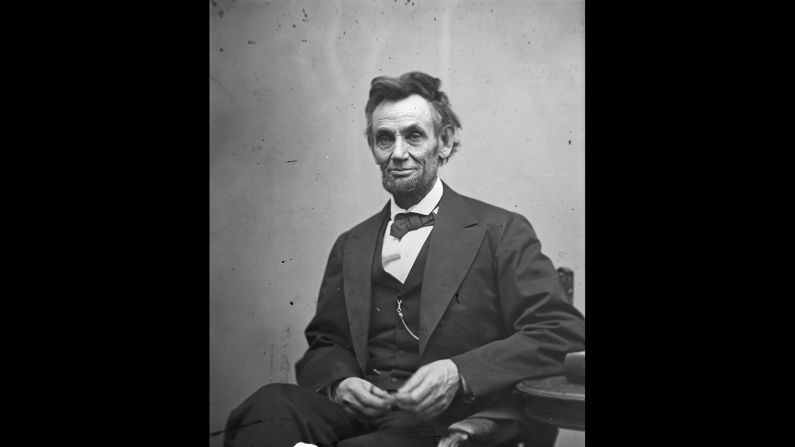
President Abraham Lincoln, shown in a portrait taken February 5, 1865, was shot by assassin John Wilkes Booth on April 14, five days after Lee surrendered his army.
Alexander Gardner/U.S. Library of Congress/Getty Images
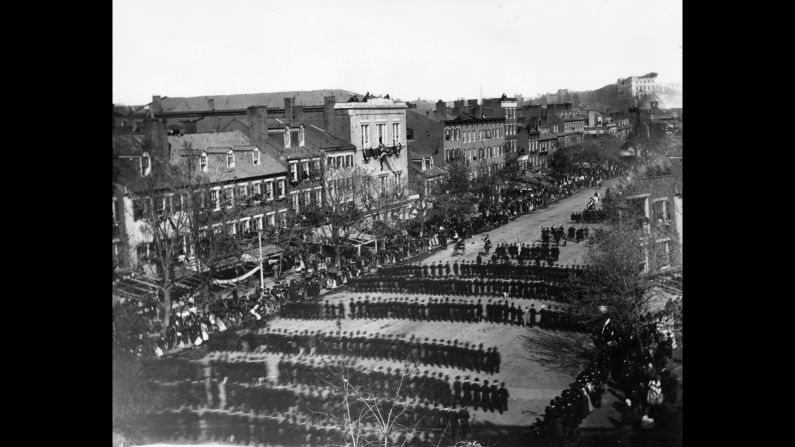
Part of the procession on April 19, 1865, which accompanied Lincoln's body from the White House to the Capitol Building in Washington.
MPI/Getty Images
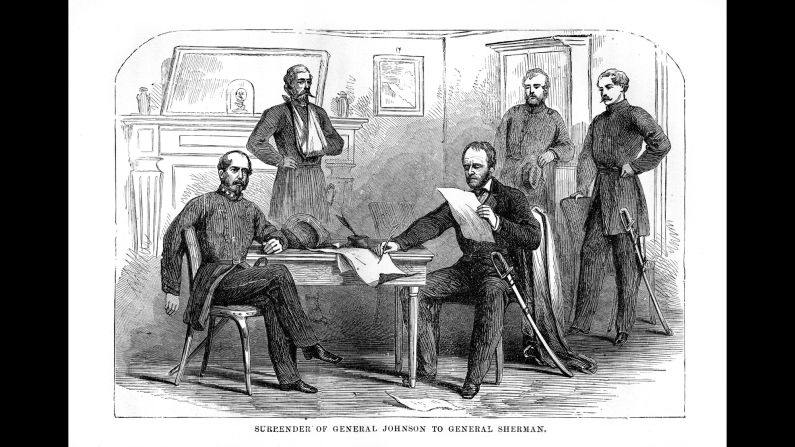
Confederate Gen. Joseph Eggleston Johnston surrenders his army to Union Gen. William T. Sherman on April 26, 1865, on the same terms that Grant had given Lee.
The Print Collector/Print Collector/Getty Images
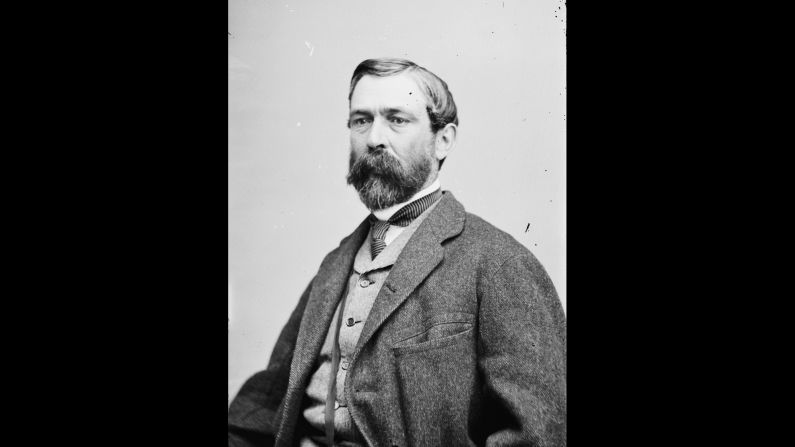
Portrait of Lt. Gen. Richard Taylor, officer of the Confederate Army, who surrendered his army on May 8, 1865; it was the last big Confederate force east of the Mississippi
Library of Congress
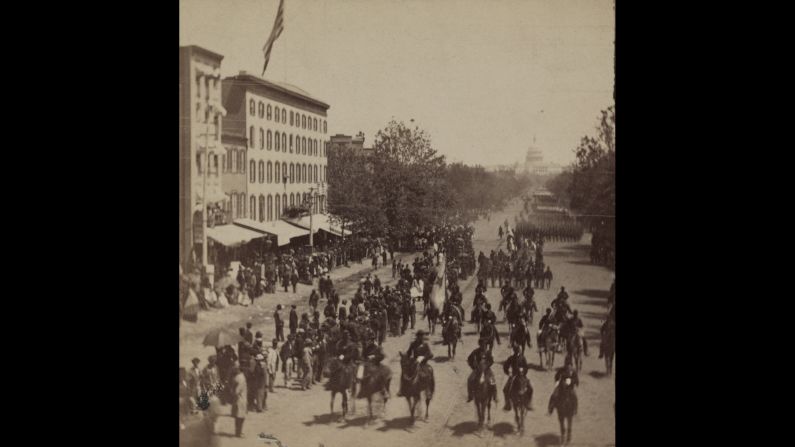
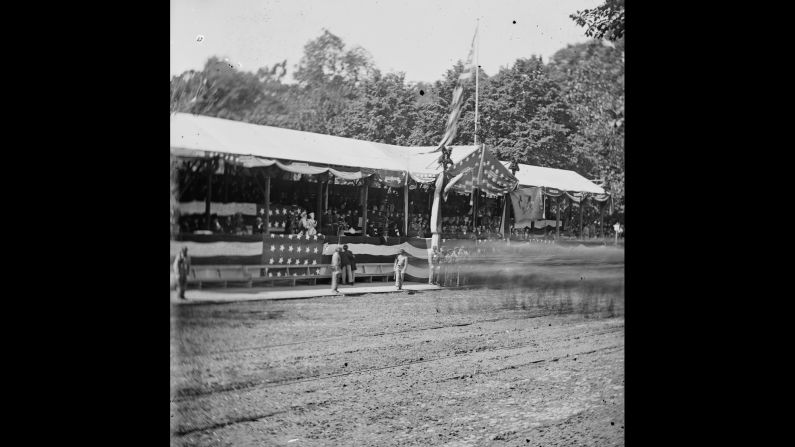
Officials, including the President and Cabinet and Grant, review the victorious Union armies in Washington in late May 1865.
Library of Congress
The presidential reviewing stand in Washington at the Grand Review of the Army after the end of the war.