Your effort and contribution in providing this feedback is much
appreciated.
Close
Ad Feedback
Ad Feedback
The rise of the nanocrystals
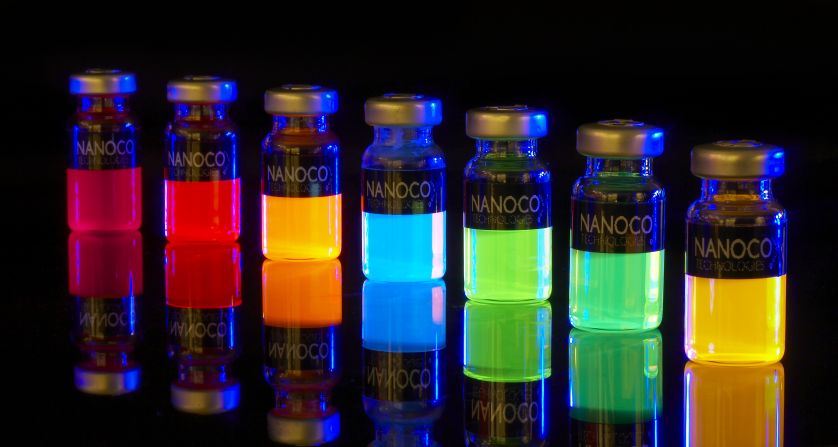
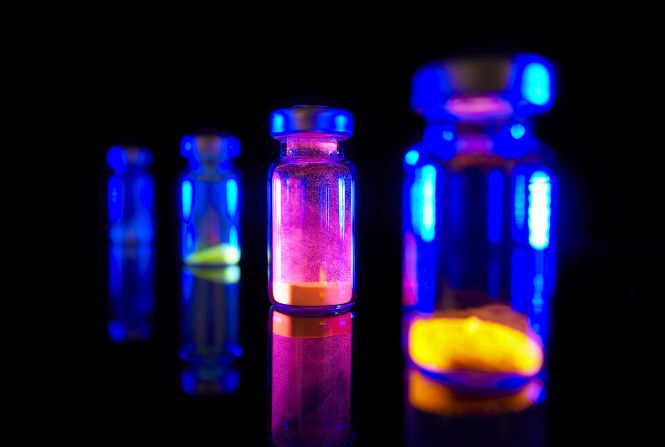
Quantum dots are tiny fluorescent semi-conductors that possess unique optical qualities.
Courtesy of Nanoco
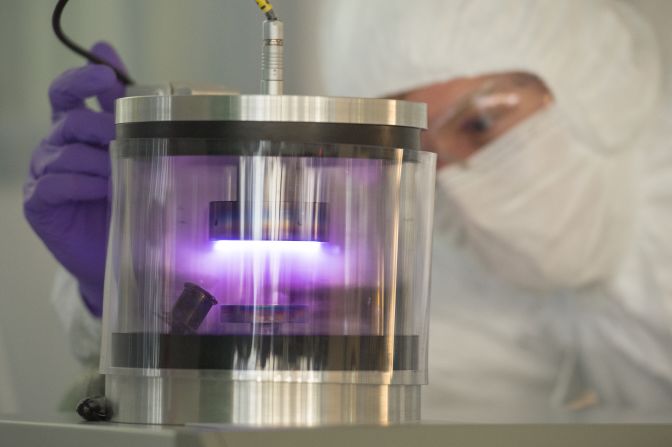
At the core of the technology is the ability of the nanocrystals to change color as they change in size and mass.
Courtesy of Nanoco
Quantum dots promise to improve screen color at a fraction of the cost of other display technologies such as OLED.
Courtesy of Nanoco
They use up 30% less energy to produce the same amount of light. Used in mobile phone displays, quantum dots stand to vastly improve battery life.
Courtesy of Nanoco
While the technology has been around for more than a decade, it has been hamstrung because the dots contained cadmium, a toxic heavy metal that faces stiff regulations in many parts of the world.
Courtesy of Nanoco
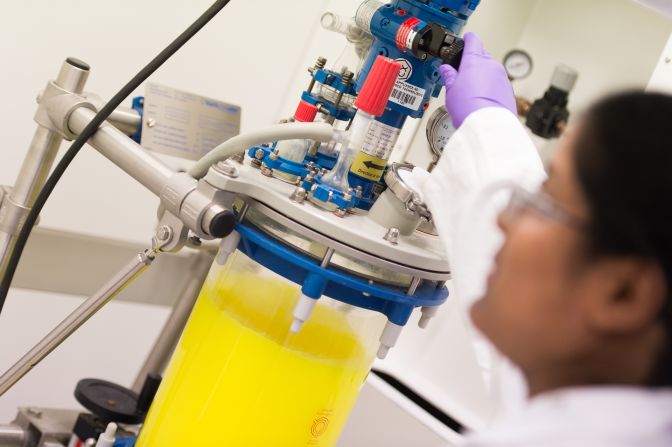
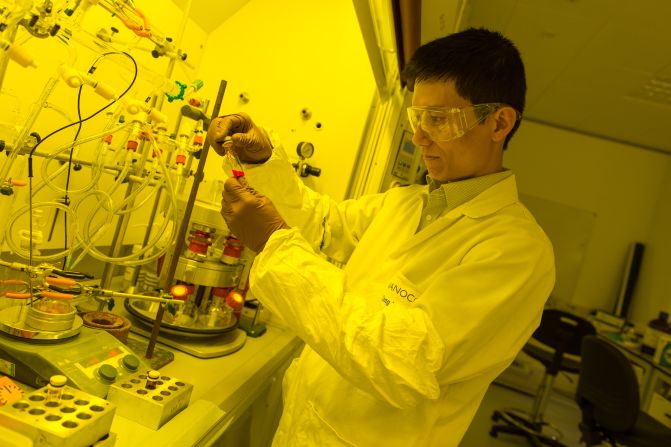
Nanoco has spent more than $50 million and the better part of 15 years developing quantum dots that are not only free of heavy metals but can be produced in the kind of quantities that make it attractive for manufacturers.
Courtesy of Nanoco
"What is exciting about quantum dots is that they require a tiny amount of energy to operate," says Michael Edelman, CEO of UK-based Nanoco, which manufactures the color-changing nanocrystals.
Courtesy of Nanoco
At the moment the display industry has shown the greatest interest in the quantum dot technology, but the lighting industry and the medical diagnostic industry are the next in line.
Courtesy of Nanoco
The TCL H9700 television with Quantum Dot color technology has impressed attendees at the Consumer Electronics Show in Las Vegas, in January 2015.