Your effort and contribution in providing this feedback is much
appreciated.
Close
Ad Feedback
Ad Feedback
Super-tiny medical wonders
Nanotechnology could be the next big thing in the fight against diseases and viruses.
Illustration/Jon Reyes
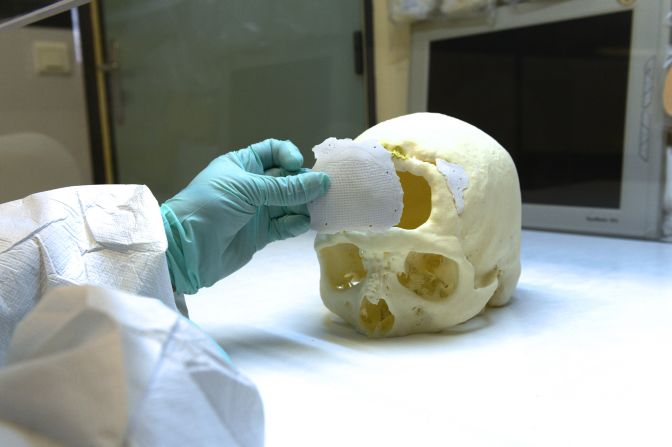
Nanostructured surfaces for implants are already becoming part of the medical firmament. "These are being approved by the Food and Drug Administration and we're seeing better bone growth, better tissue growth and we're seeing the ability to decrease infection using these materials," said Dr Thomas Webster.
AFP/Getty Images
One area where nanotechnology is shaping up as a medical game changer is in the area of medical sensors.
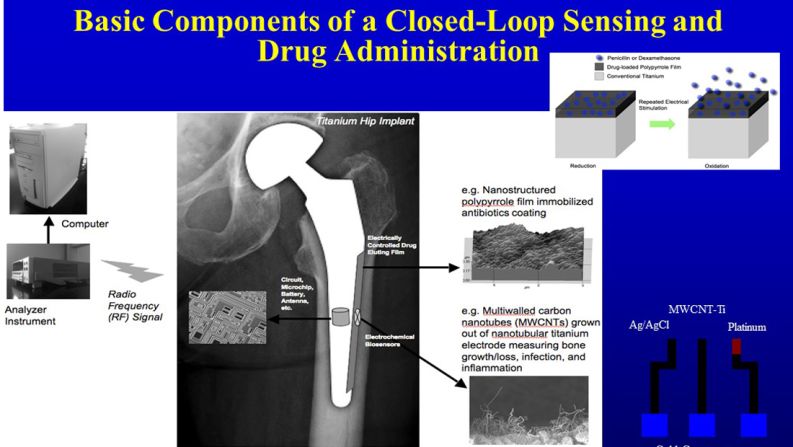
Dr Webster said nanomaterials on implants that could control biological events was not far away. "We are just on the edge of a whole big effort in terms of developing sensors out of nanomaterials that can do that," he said.
Courtesy Dr Thomas Webster
Research into getting early warning of problems with implants has become a rich field for nanotechnology experts.
AFP/Getty Images
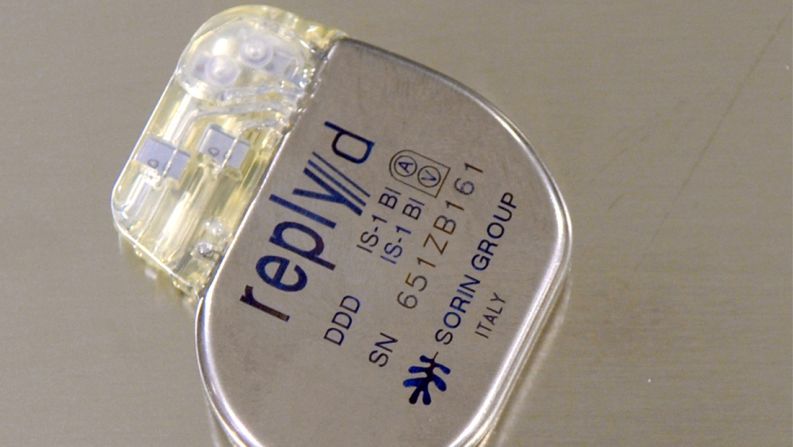
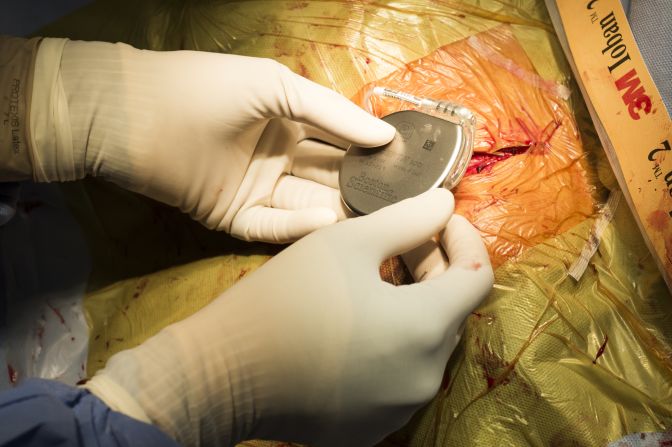
"The smaller the material the more you will not adversely affect the events you're trying to measure. I think this is where this technology shows real promise -- there will be sensors on vascular stents, pacemakers, hip implants."
AFP/Getty Images
In nanoparticle research, it's hoped that one day nanoparticles will be able to carry drugs directly to cancers and to viruses such as Ebola.