Your effort and contribution in providing this feedback is much
appreciated.
Close
Ad Feedback
Ad Feedback
Mci memristor eth
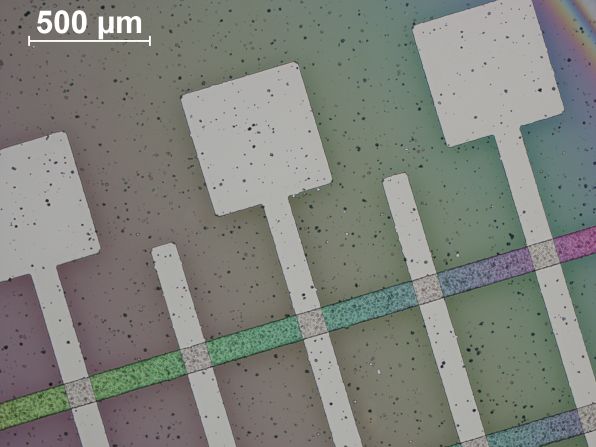
Memristors were conceptualized in 1971 but the first one was only built 37 years later, in 2008.
courtesy eth
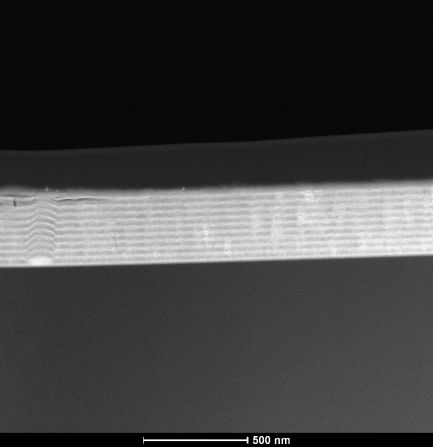
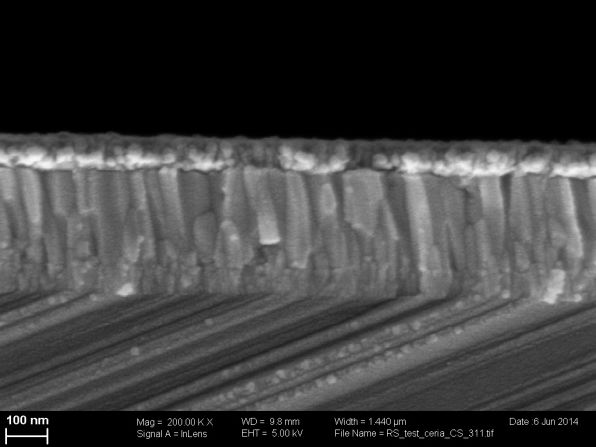
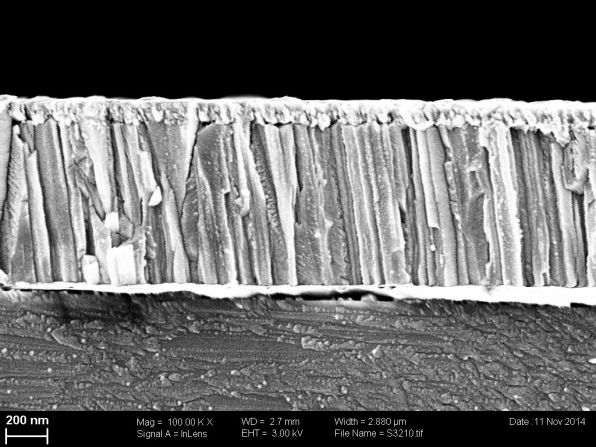
A scanning electron microscope view of memristors.
courtesy eth
Unlike transistors, memristors don't require a silicon layer and therefore don't suffer from the limitations of current microchip manufacturing technology.
courtesy eth
On top of a flow of electrons, like transistors, memristors also use ions to store data.
courtesy eth
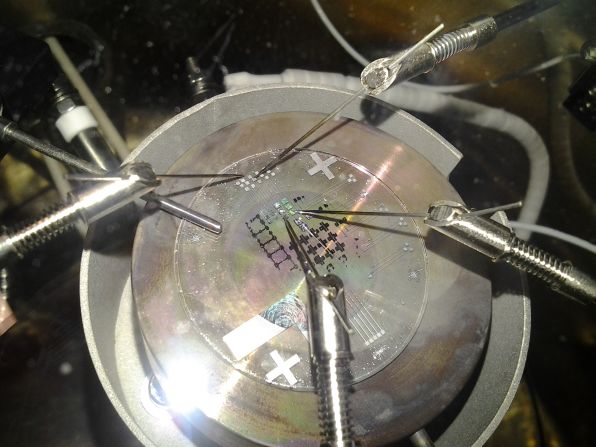
Researchers at ETH in Zurich are working with IBM to create a memristor computer within two years.
courtesy eth
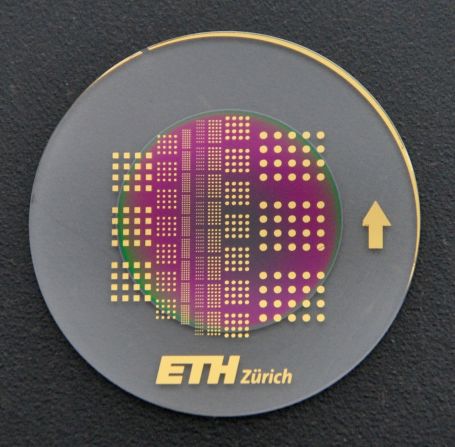
Memristor chips could one day be integrated in windows, textiles or even coffee cups.
courtesy eth
Lower power consumption, with a faster speed, and with a higher volume density of information are among the advantages of the technology.
courtesy eth
The technology could lead to computers that operate in a way reminiscent of the synapses in our brains.
courtesy eth
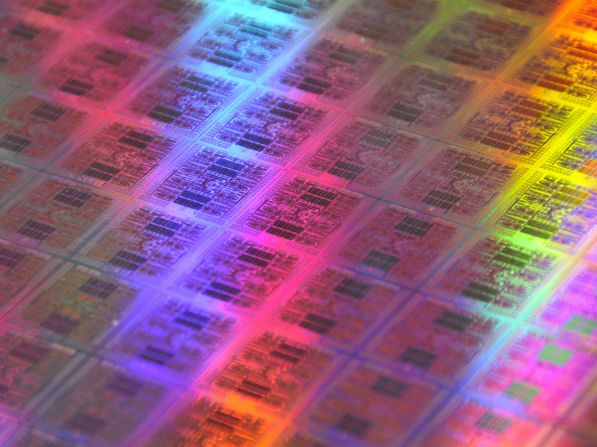
A wafer of traditional computer chips containing transistors.