Your effort and contribution in providing this feedback is much
appreciated.
Close
Ad Feedback
Climate change in the Himalayas
Climate change in the Himalayas —
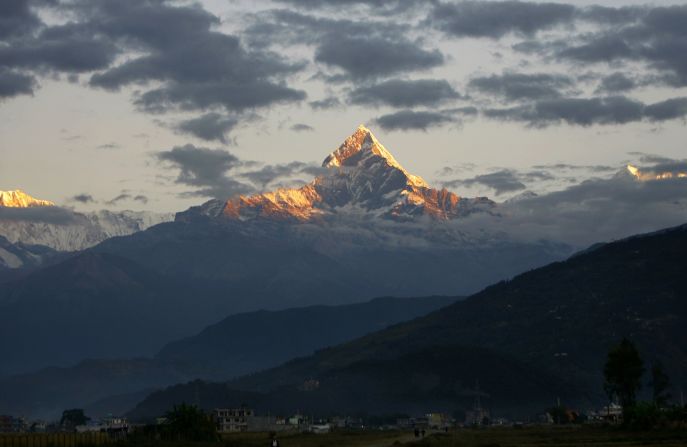
Temperatures in the central Himalayas increased by about 0.6 degrees Celsius per decade between 1977 and 2000, according to one study. The impact of climate change at the top of the world could accelerate glacial melt and affect rainfall and monsoon season. There's also greater risk of catastrophes such as avalanches, landslides and floods.
PRAKASH MATHEMA/AFP/Getty Images/FILE
Annapurna disaster —
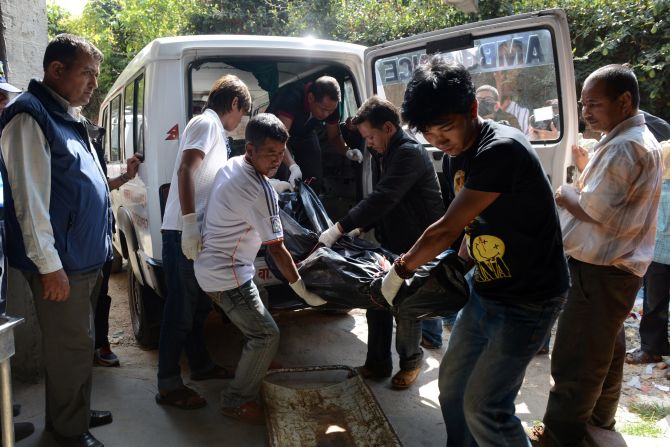
An unseasonal snowstorm in October left over a hundred people stranded in the Annapurna Circuit and led to the deaths of dozens of tourists and locals in October.
PRAKASH MATHEMA/AFP/Getty Images
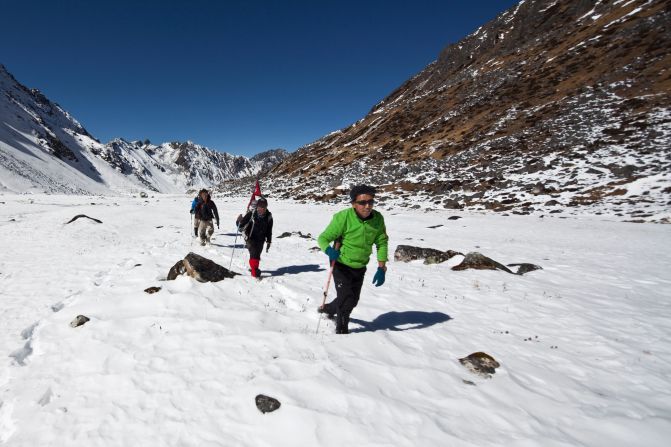
Stuck in the storm —
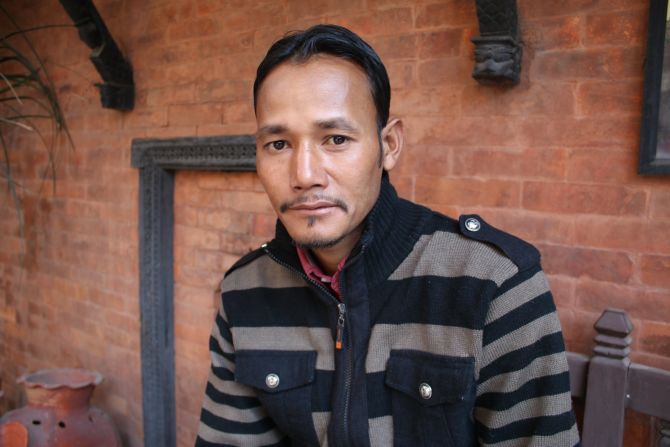
Hari Chaudhary guided two trekkers back to safety in the October snow event that struck Annapurna this year. It's difficult to determine whether the incident was linked to climate change. But scientists say natural disasters are becoming more frequent.
Madison Park/CNN
Single worst disaster on Everest —
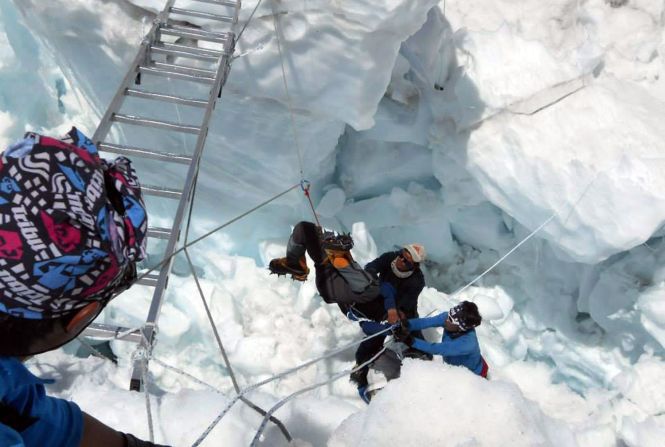
The deaths of 16 Sherpas on Mount Everest in April after a hanging glacial mass collapsed and created an avalanche is the worst single disaster on the mountain. Rescuers help lift a survivor.
Buddhabir RAI/AFP/Getty Images
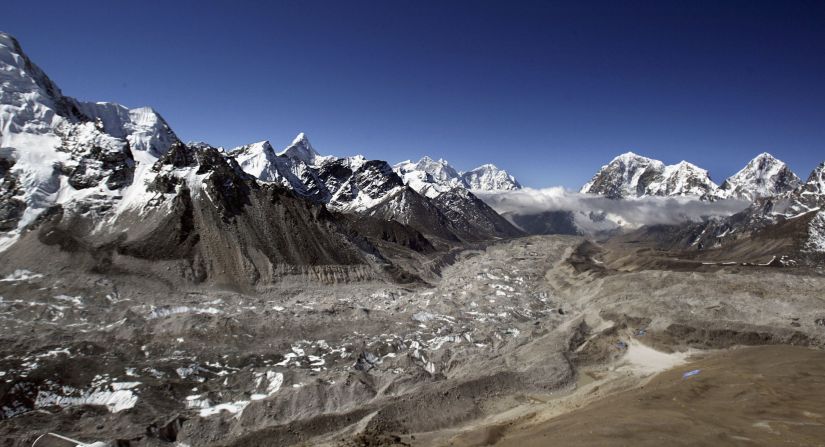
Khumbu icefall —
The Sherpas were killed at the icefall, at the head of the Khumbu Glacier, seen here in 2003. The icefall is one of the more treacherous areas of the ascent.
Paula Bronstein/Getty Images
Sherpa warns of dangers —
Apa Sherpa, a retired mountaineer who holds the record for most summits of Everest, says there's less snow and more rocks compared with the first time he climbed in 1990. He says he has no doubt that conditions are changing rapidly.
Sameer Jung THAPA/AFP/Getty Images
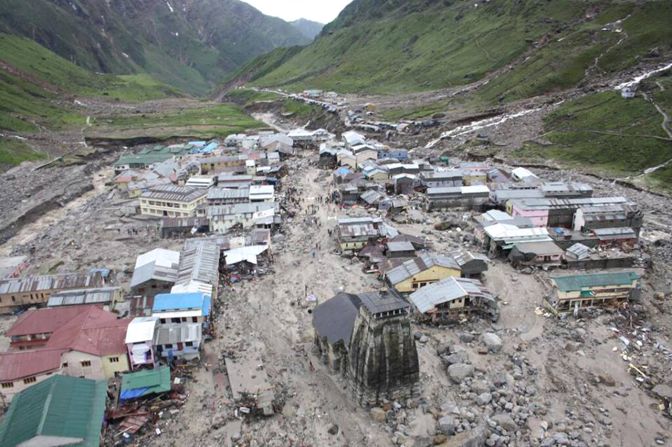
Monsoon rain overuns town —
The holy Hindu town of Kedarnath, located in the Himalayan state of Uttarakhand, India, was struck by torrential monsoon rain on June 18, 2013.
STRINGER/AFP/Getty Images
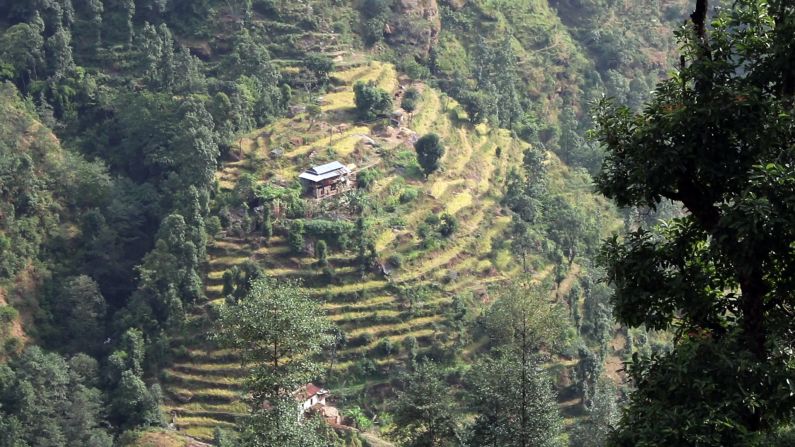
Nepal's agriculture —
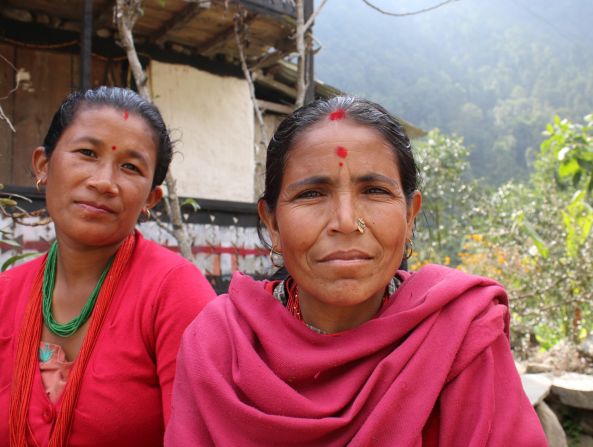
About 70% of Nepal's population works in agriculture. Many farmers create terrace farms in the mountain, but they say it's becoming more difficult to grow crops.
Madison Park/CNN
Nepal's farmers —
Farmers in Nepal's district of Dolakha live in one of the most vulnerable districts to landslides. Landslides could arise from melting snowpacks and loosened soil.