Your effort and contribution in providing this feedback is much
appreciated.
Close
Ad Feedback
Kenya railways india
Building Kenya's "lunatic line" —
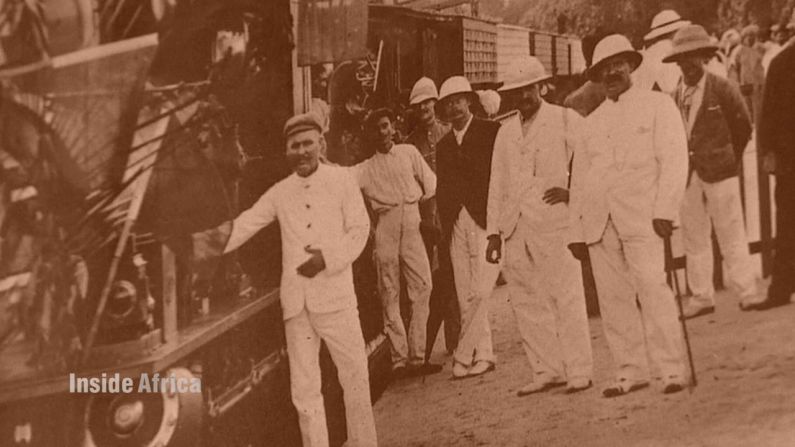
The colonial British viewed the railway as a good way to open up the interior of Kenya and countering the ambitions of Germany in the region.
CNN
Building Kenya's "lunatic line" —
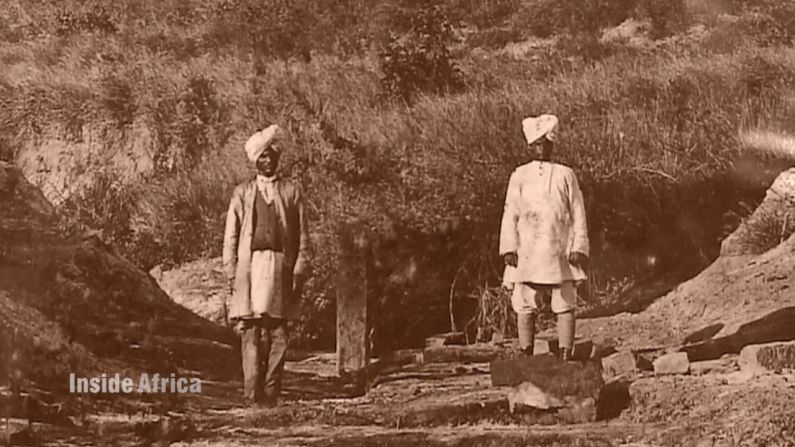
As many as 30,000 Indians are said to have arrived in the late 1890s to help build the Kenya-Uganda railway.
Building Kenya's "lunatic line" —
The walls of Fort Jesus in Mombasa, Kenya, would have been one of the first sites Indian migrants would have seen when arriving in the East African country over 100 years ago.
CNN
Building Kenya's "lunatic line" —
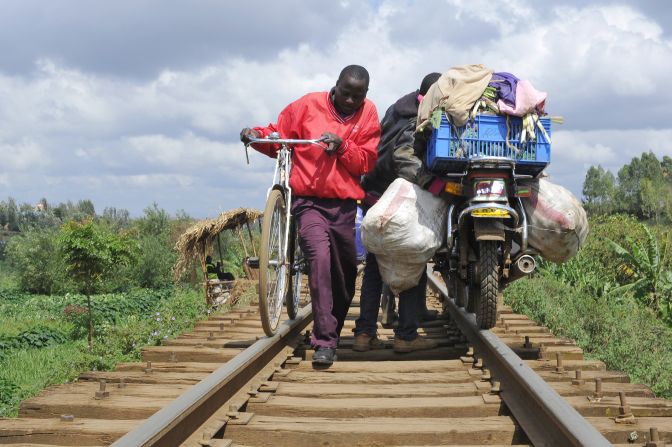
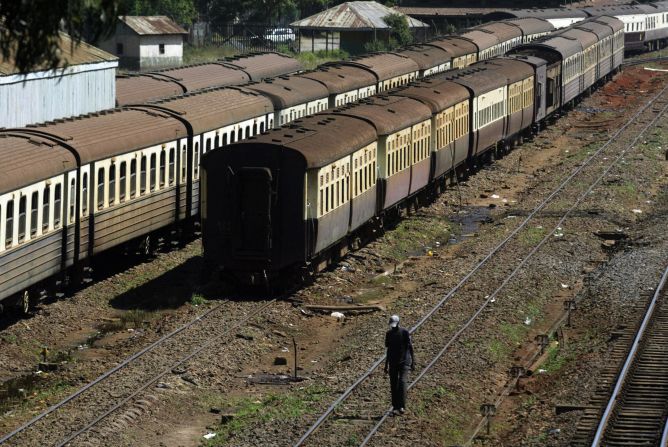
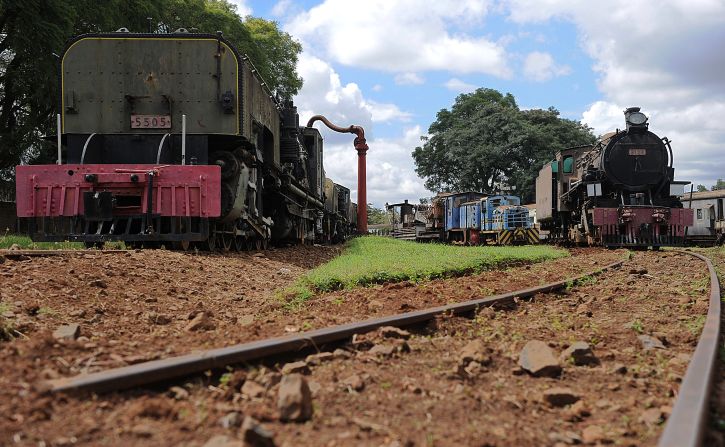
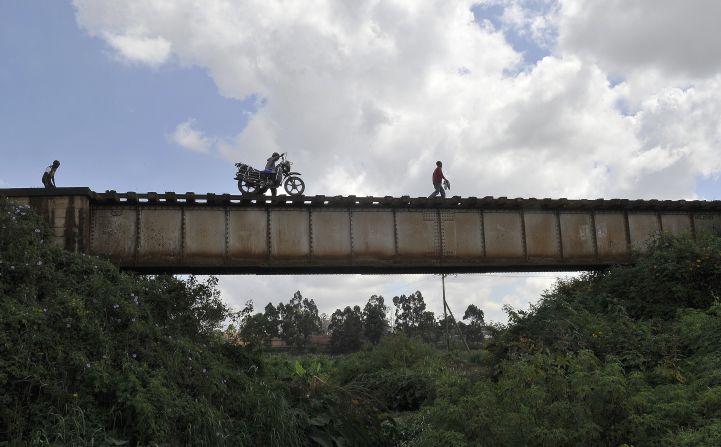
While the railways themselves may have seen better days, the Indian community in Kenya has flourished by and large.
Simon Maina/AFP/Getty Images
Building Kenya's "lunatic line" —
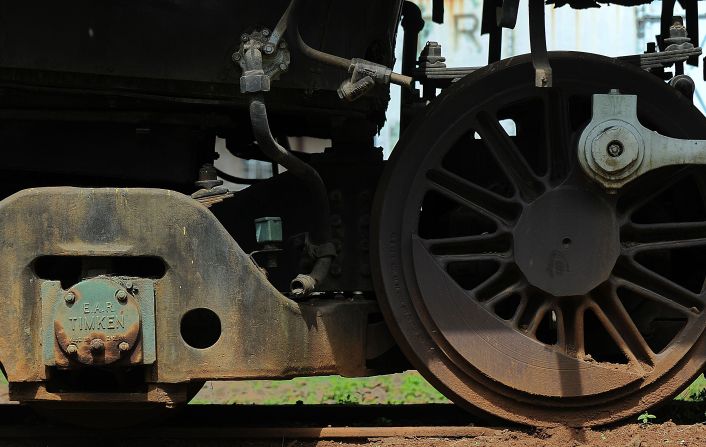
Punjabi engineers and laborers had the skills the British required due to their experience building railways in India for much of the later half of the 19th century.
Simon Mania/AFP/Getty Images
Building Kenya's "lunatic line" —
The 625 mile track was soon christened the "lunatic line" due to the dangers posed by wildlife and disease during its construction.
Tony Karumbu/AF/Getty Images
Building Kenya's "lunatic line" —
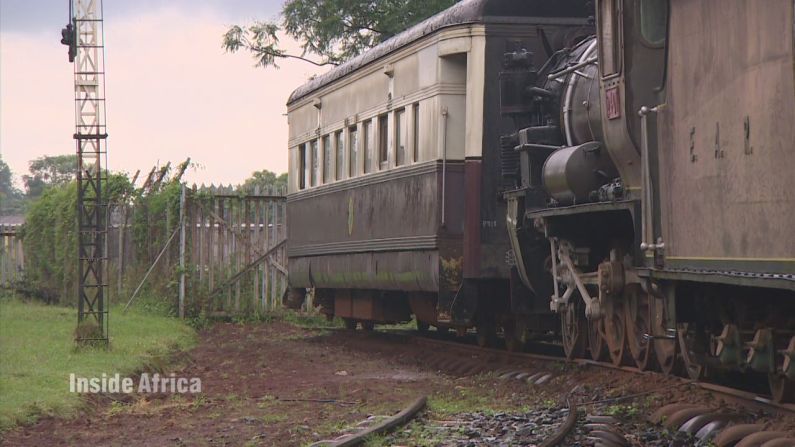
Workers were subjected to attacks by lions and many contracted Malaria.
CNN
Building Kenya's "lunatic line" —
By the time construction was finished around 2,500 had lost their lives, equating to four dead men for every mile of track.
Simon Maina/AFP/Getty Image
Building Kenya's "lunatic line" —
Today, many of the families of many Indian laborers who moved to Kenya to work on the railways can be found in various towns and cities along the tracks.