Your effort and contribution in providing this feedback is much
appreciated.
Close
Ad Feedback
Gombe Stream National Park
Gombe Stream National Park —
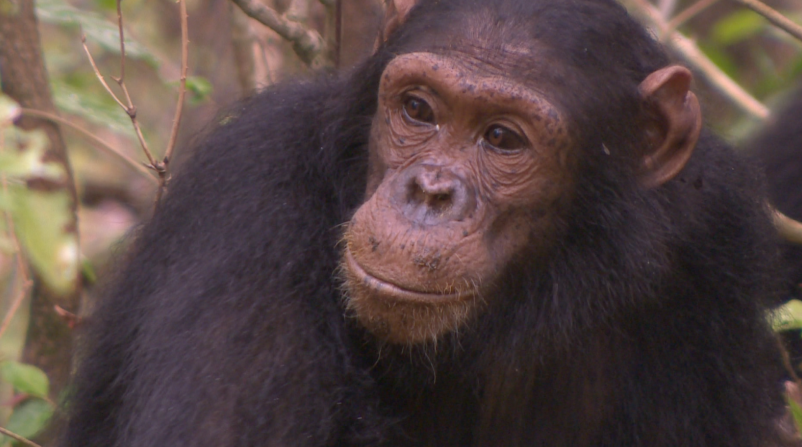
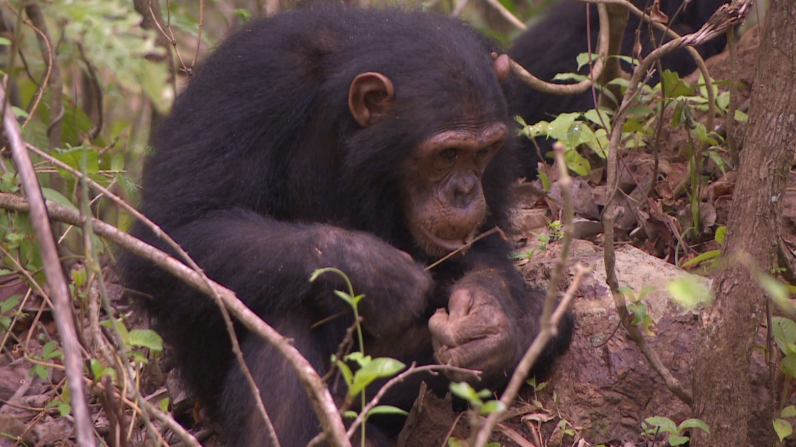
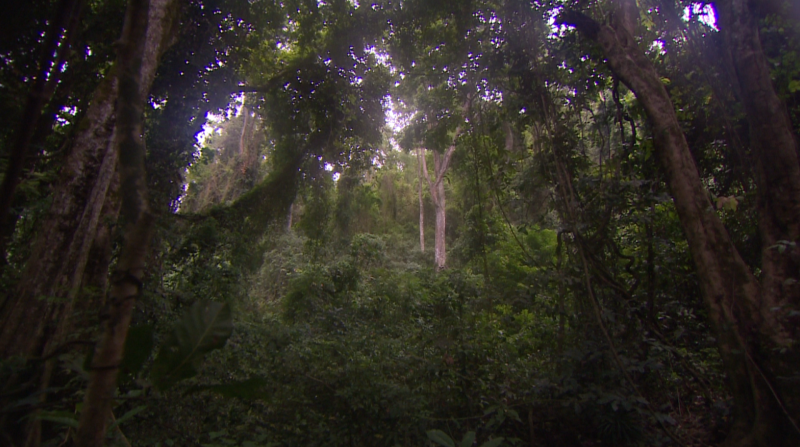
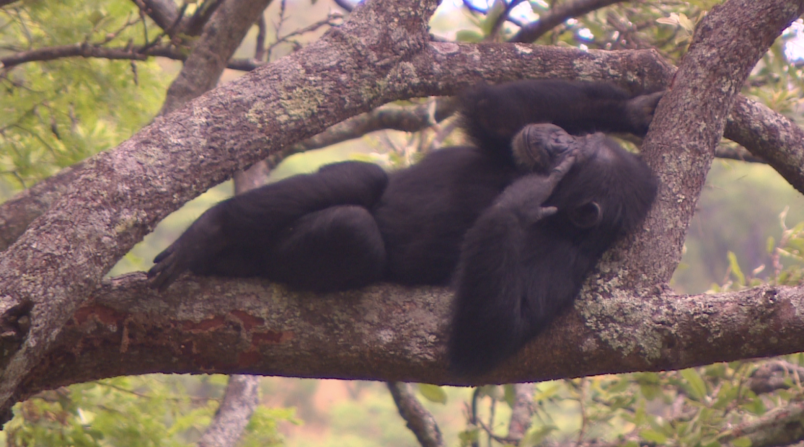
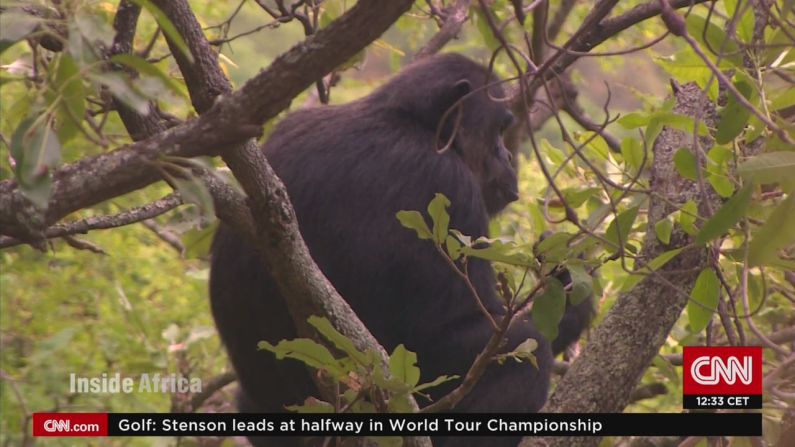
Gombe Stream National Park in Tanzania is home to the most famous chimpanzees in the world.
Gombe Stream National Park —
This particular family of chimps was first monitored by British primatologist, Jane Goodall, as far back as 1960.
CNN
Gombe Stream National Park —
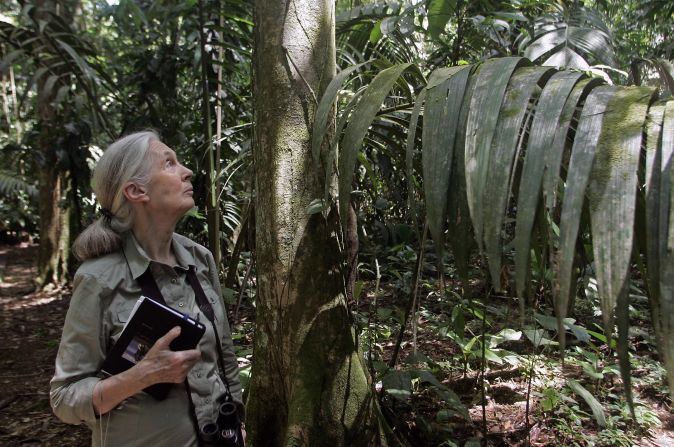
The analysis of this group continues to this day with the now 80-year-old Goodall (pictured) still very much involved through the work of the Jane Goodall Foundation.
MAYELA LOPEZ/Getty Images
Gombe Stream National Park —
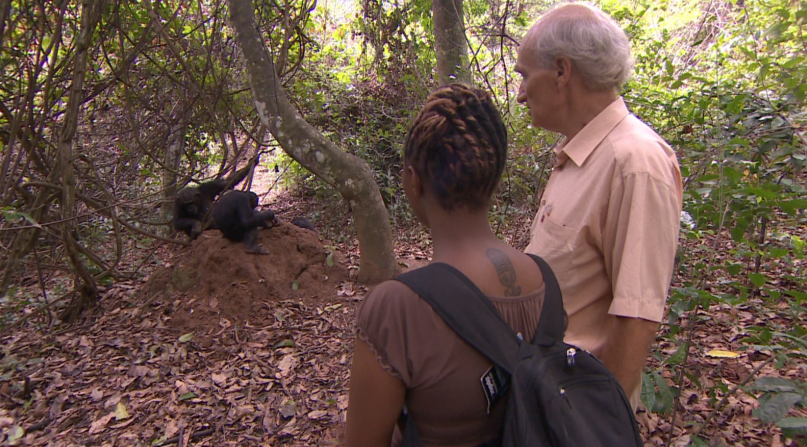
Chimpanzees are highly intelligent animals. Here, pair in the background fashion tools to try and dislodge a mound of termites.
CNN
Gombe Stream National Park —
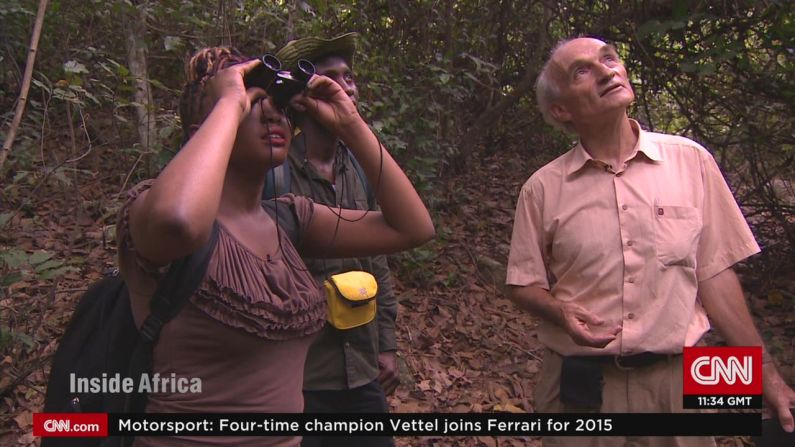
The monkey hunt is a trait that CNN witnesses as we trek through the wilds of Gombe with our guides.
Gombe Stream National Park —
There are roughly 100 chimpanzees under observation by scientists at the Jane Goodall Foundation in Gombe today. The group that Goodall studies has the most with around 60 members.
CNN
Gombe Stream National Park —
Its not just the wildlife that the Jane Goodall Foundation is interested in. The non-profit is also seeking to prevent deforestation and teach rural Tanzanians the value of preserving local habitats.
Gombe Stream National Park —
Gombe Stream National Park is a protected area but many sectors around the forest have been impacted deforestation brought about by informal agriculture.
CNN
Gombe Stream National Park —
This has a knock-on effect by reducing the areas that chimps and other animals of the forest can flourish and roam. It also impacts the finely balance ecosystem of nearby Lake Tanagyikan.
Gombe Stream National Park —
Sediment from the surrounding forest run into the lake providing valuable sustenance for marine life beneath the water.
Gombe Stream National Park —
This, in turn, can impact the lives of fishermen who rely on the lake to make their living.
Gombe Stream National Park —
Goodall's study has recorded some startling data and discoveries. Chimps were previously thought to be herbivores but Goodall saw them hunting and eating monkeys.