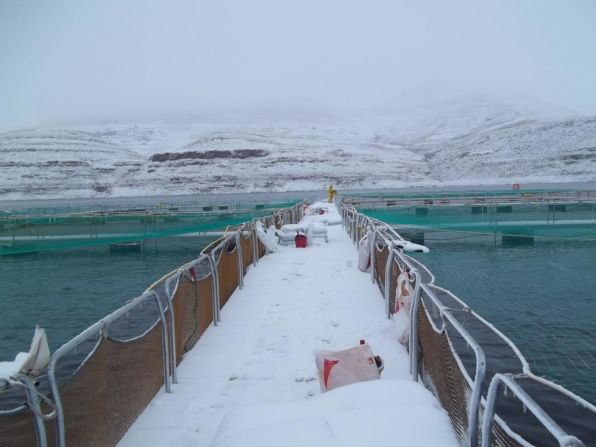
The Katse Dam wall is 2,200m above sea level in the Maluti Mountains. "Water temperatures are close to ideal [for trout] for most of the year due to the altitude," explains Fred Formanek from Advance Africa.
Courtesy Advance Africa
The African kingdom getting into sushi —
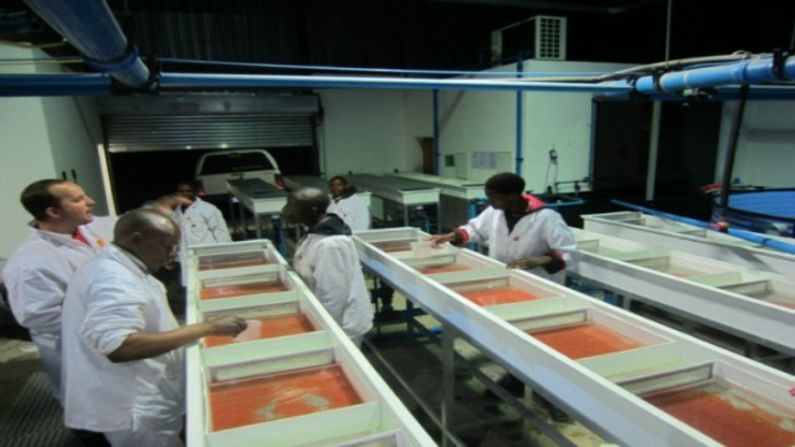
When the trout eggs arrive in Lesotho from Denmark they are placed in the temperature-controlled hatchery until they grow to around 2g. The baby fish are so fragile at this stage that the water quality is monitored regularly.
Courtesy Advance Africa
The African kingdom getting into sushi —
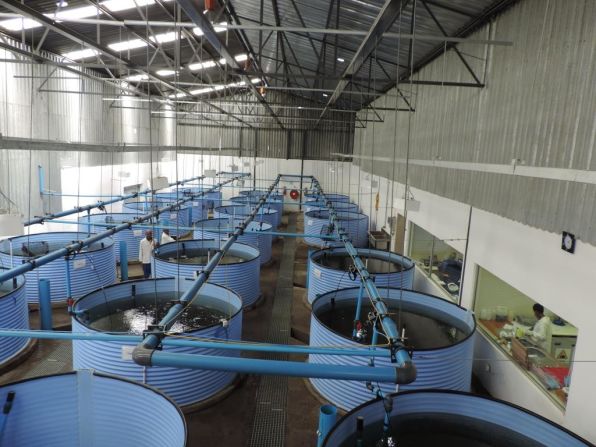
Once the eggs become "fingerlings," they are transferred to larger tanks which are kept inside. They will stay in this environment until they grow to around 12g.
Couresy Advance Africa
The African kingdom getting into sushi —
It is only when the fish are 12g or bigger that they can be transferred to cages in the dam.
Couresy Advance Africa
The African kingdom getting into sushi —
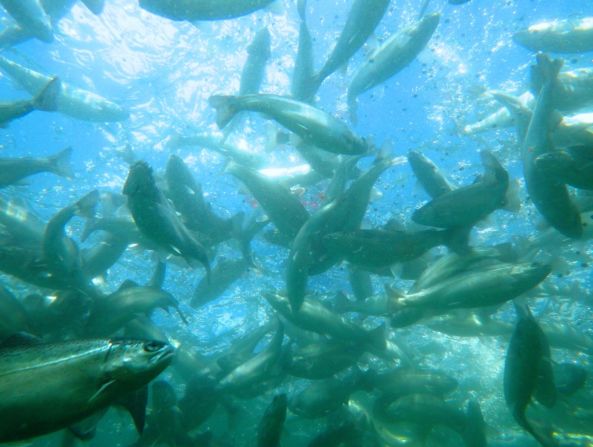
When the trout are in the cages in the dam, they are fed a diet of pellets which are high in protein.
Courtesy: Advance Africa
The African kingdom getting into sushi —
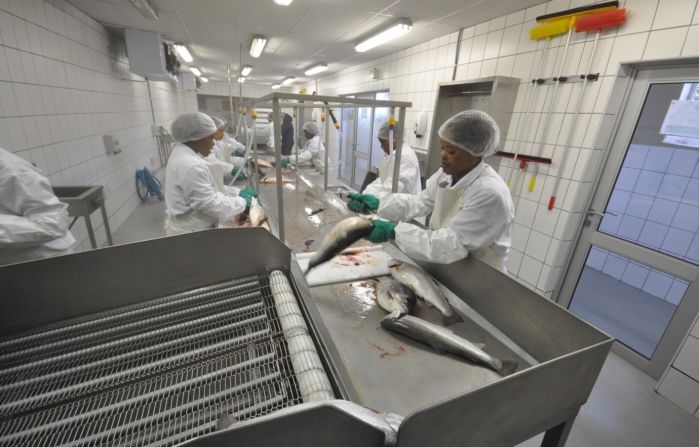
Workers at the Highlands Trout plant in Lesotho gut the fish in preparation for export.
Courtesy: Advance Africa
The African kingdom getting into sushi —
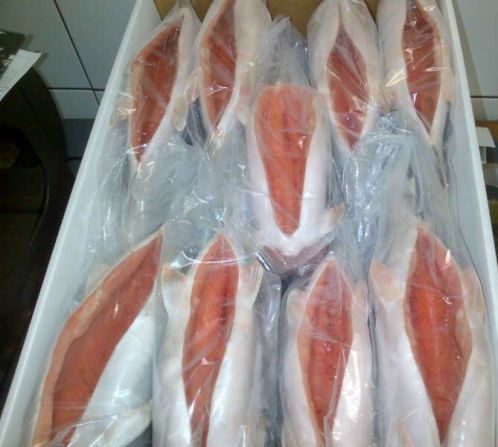
The final product, packed and ready to be sent to the South African port of Durban where the product will be loaded onto refridgerated ships. The trout then make a four week journey across to Asia.
Courtesy: Advance Africa
The African kingdom getting into sushi —
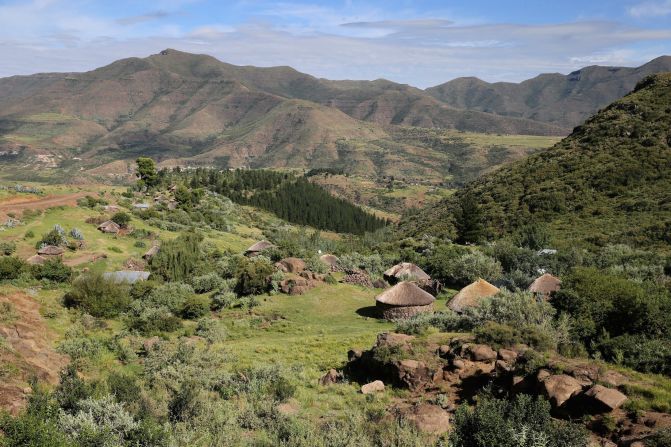
The scene from Maseru, Lesotho explains why the landlocked country is often referred to as the "Kingdom in the Sky."
![The Katse Dam wall is 2,200m above sea level in the Maluti Mountains. "Water temperatures are close to ideal [for trout] for most of the year due to the altitude," explains Fred Formanek from Advance Africa.](https://media.cnn.com/api/v1/images/stellar/prod/141118171942-lesotho-trout-katse-dam-wall.jpg?q=w_640,h_360,x_0,y_0,c_fill/h_447)