Your effort and contribution in providing this feedback is much
appreciated.
Close
Ad Feedback
NASA’s mission to Mars and beyond
Mission to Mars —
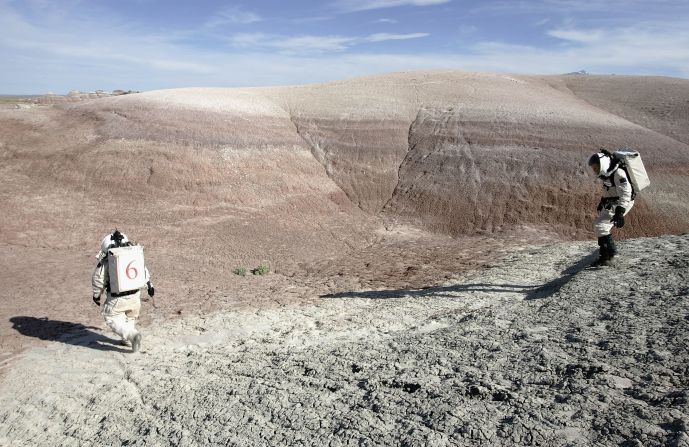
Could humans walk on Mars? NASA chief scientist, Dr Ellen Stofan, wants to land people on the "Red Planet" by the mid-2030s. It's likely to be tougher than this image of researchers at the Mars Desert Research Station in Utah, sponsored by the Mars Society.
George Frey/Getty Images/File
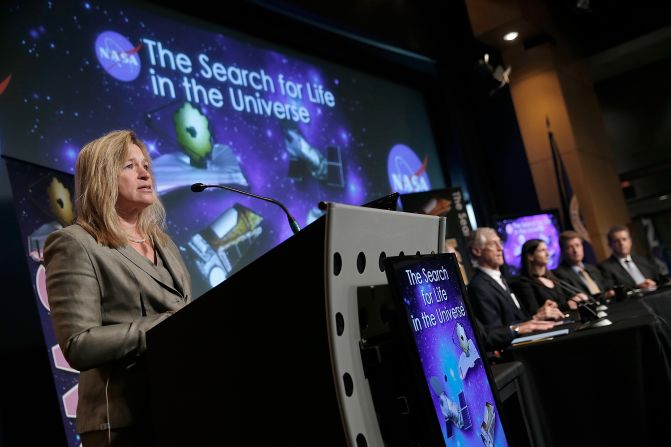
NASA's chief scientist —
"It's part of the human character to want to know what's over the next hill, to want to know what's beyond," said Stofan (pictured). "It's that curiosity and desire to find out. NASA and other space agencies around the world enable that."
Win McNamee/Getty Images/File
Rosetta Mission —
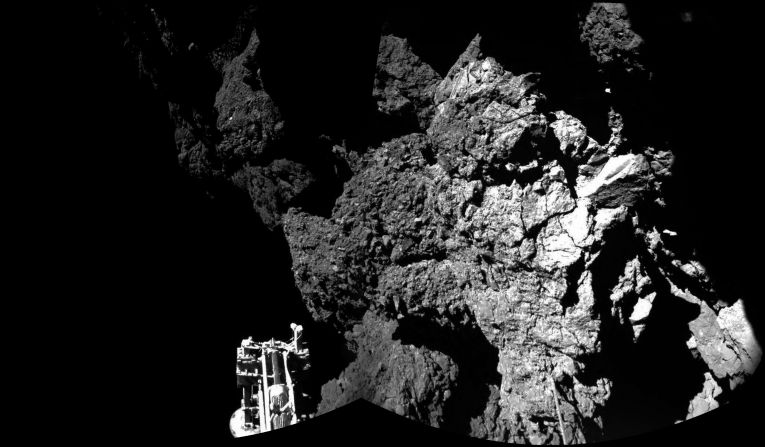
Her comments come as the European Space Agency landed a probe on a comet. NASA's jet propulsion lab also played a role in the Rosetta Mission, which hopes to unlock the secrets of our universe. "That comet is the most bizarre, wonderful thing I have ever seen," said Stofan. "No one has ever gotten data like Rosetta has gotten. No one has ever been able to land on a comet the way Philae just did."
ESA/Rosetta/Philae/CIVA
Mars Rover —
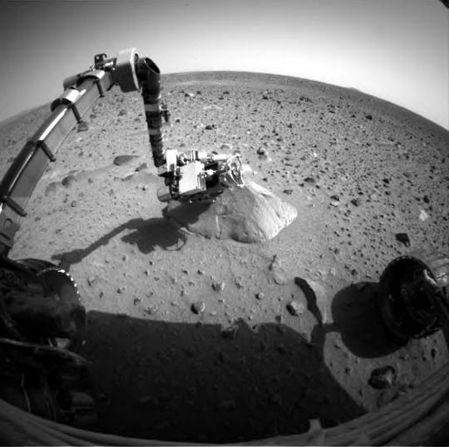
It wouldn't be the first time NASA has landed on Mars -- albeit without humans on board. Here, the rover 'Spirit' sends images of the "Red Planet" back to Earth in 2004. The mission lasted until 2010.
NASA/JPLGetty Images/File
Challenging times —
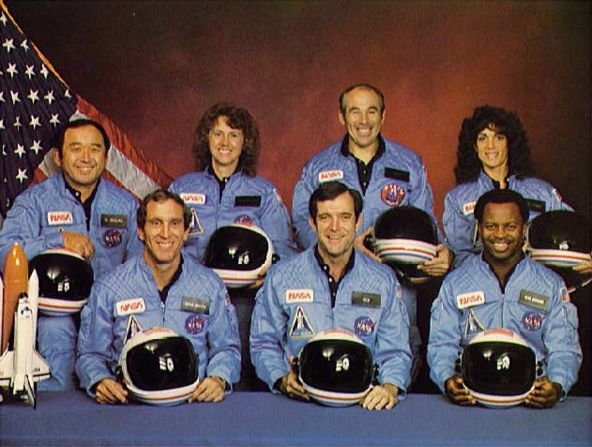
Sadly, among NASA's triumphs have been tragedies. In 1986, the seven members of Space Shuttle Challenger died after their rocket broke apart 73 seconds after launch.
NASA/Getty Images/File
Sally Ride —
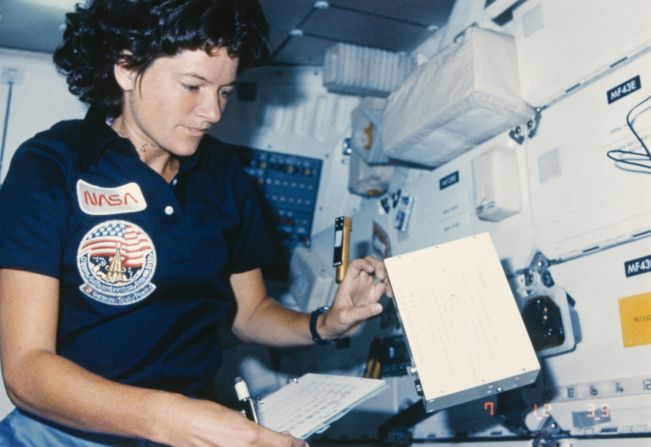
In 1983 Sally Ride became the first American woman in space. And while many more women have worked at NASA since then, Dr Stofan says there's still work to do encouraging females in STEM (science, technology, math, engineering).
Space Frontiers/Getty Images/File
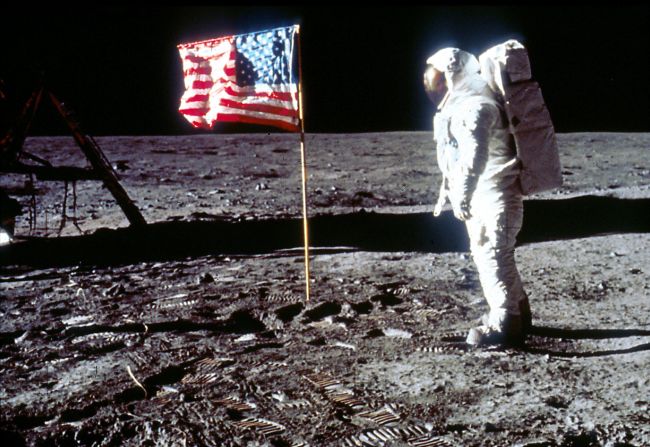
Moon landing —
"So many people I talk to who work in technology, you ask them 'what got you interested in science?' and those from my generation say 'the Apollo landings,'" said Stofan. "I've worried for a while, what are we doing now that's inspiring that next generation of scientists?"
NASA/Liaison/File
Walking on air —
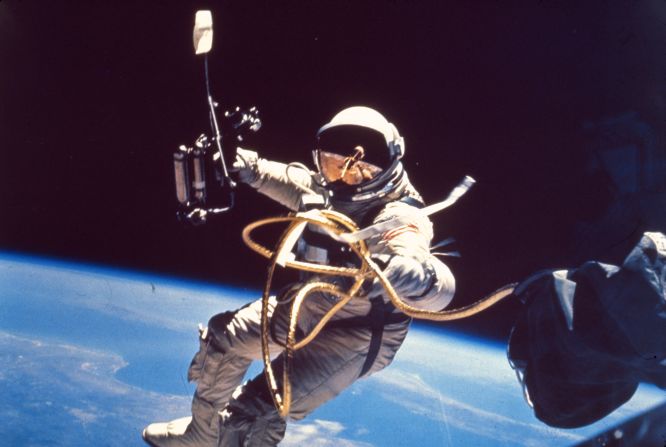
Images like this, of Edward White becoming the first American to walk in space in 1965, captured the imaginations of a nation.
MPI/Getty Images/File
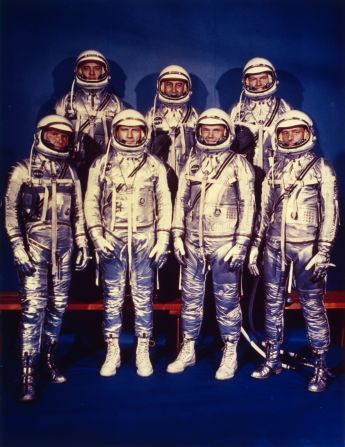
The Mercury 7 —
Despite its name, these seven NASA astronauts didn't land on Mercury. Instead, they were part of a mission to orbit the Earth, running from 1959 to 1963.
MI/Getty Images/File
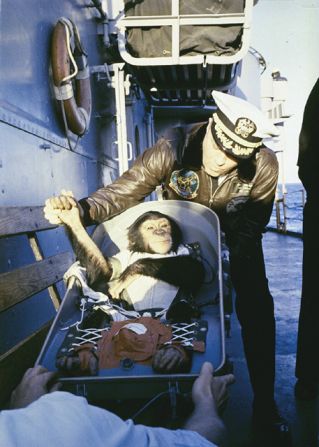
Planet of the apes —
NASA's celebrity animal astronaut, Ham the Chimpanzee is greeted after landing at sea, after a flight into space in 1961.