Your effort and contribution in providing this feedback is much
appreciated.
Close
Ad Feedback
Music’s Spotify holdouts
The Spotify holdouts —
Taylor Swift removed all of her music from Spotify days after releasing her fifth album, "1989." "Everything new, like Spotify, all feels to me a bit like a grand experiment," she said. "And I'm not willing to contribute my life's work to an experiment that I don't feel fairly compensates the writers, producers, artists and creators of this music."
Michael Buckner/Getty Images
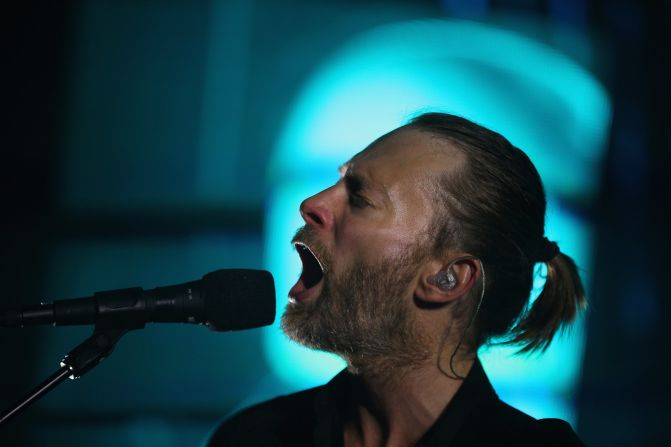
Thom Yorke —
Radiohead singer Thom Yorke pulled his solo material from Spotify in 2013. He famously described the service as "the last desperate fart of a dying corpse." In September 2014, he released his new album on file-sharing site BitTorrent.
Getty Images
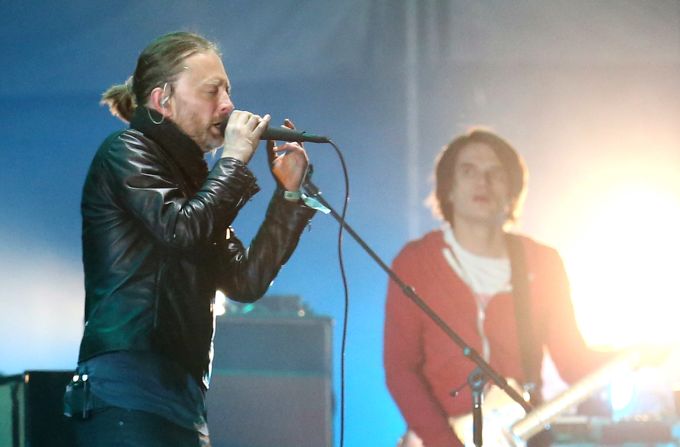
"In Rainbows" —
In 2007, Radiohead released the album "In Rainbows" online via a pay-what-you-want model. "For me 'In Rainbows' was a statement of trust. People still value new music," he said.
Getty Images
Pink Floyd —
Pink Floyd were initially resistant to allowing their music on Spotify, but had a change of heart in 2013. They initially made their track "Wish You Were Here" available in June 2013, and then made their back catalog available once there had been more than 1 million streams of the song.
Getty Images
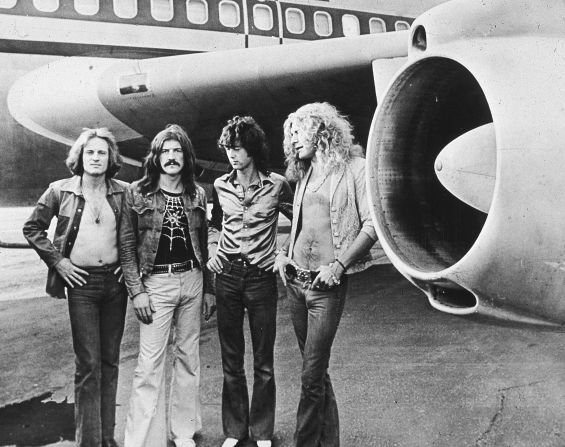
Led Zeppelin —
Led Zeppelin were long-time holdouts from Spotify, but their catalog was made available at the end of 2013.
Getty Images
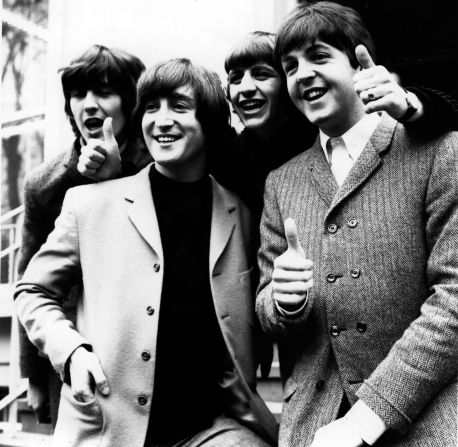
The Beatles —
The Beatles are absent from Spotify, with their music available exclusively on iTunes.
Free music —
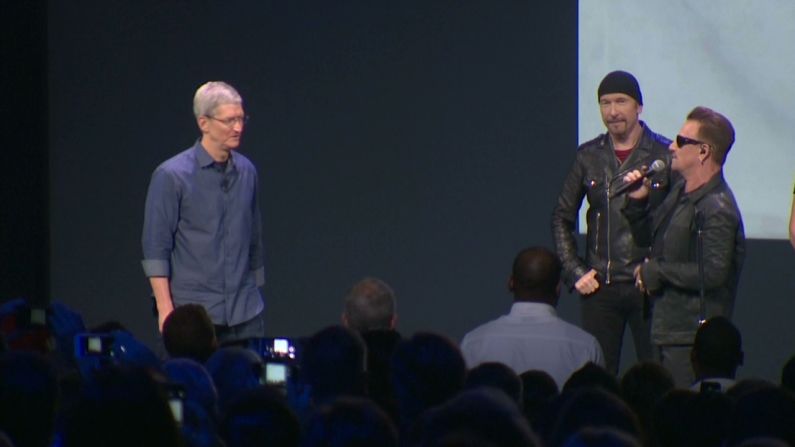
Digital copies of U2's new album, "Songs of Innocence," were given to all 500 million iTunes customers. Apple automatically sent it to active iTunes accounts, and for those whose settings allowed it, the album was automatically downloaded, causing a social media storm among users who felt way the album was distributed was invasive.
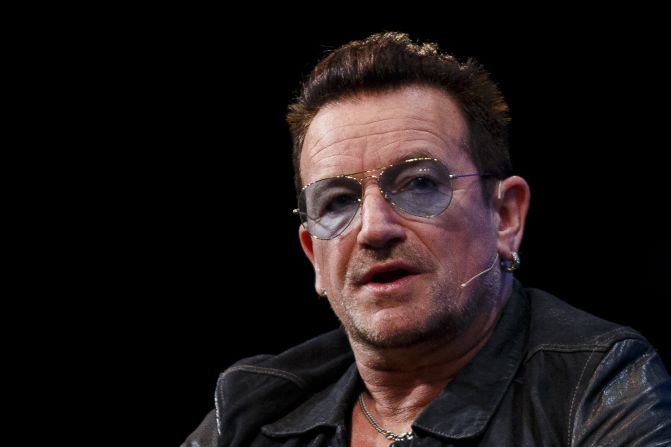
Bono, Web Summit —
Bono was a panelist at the Web Summit technology conference, in Dublin. There, he defended music streaming. "The remunerative bit still has to be figured out," he said. "This is an experimental and exciting period. So, let's experiment and see what works."
Tristan Fewings/Getty Images
Soundcloud —
Also speaking at Web Summit was Eric Wahlforss, co-founder of streaming service Soundcloud (left). "We care a lot about copyrights and we have automatic filters that can block content on behalf of copyright holders," he said. "We want to go to a billion monthly listeners, and welcoming major labels is a key point of the journey there."