Tiny robotic arm could to operate on babies in the womb
Surgery in the womb —
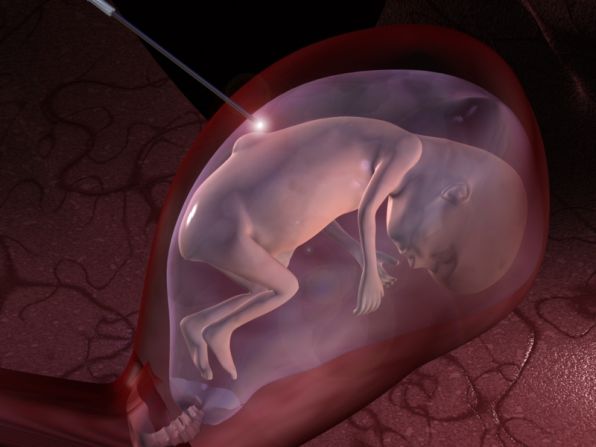
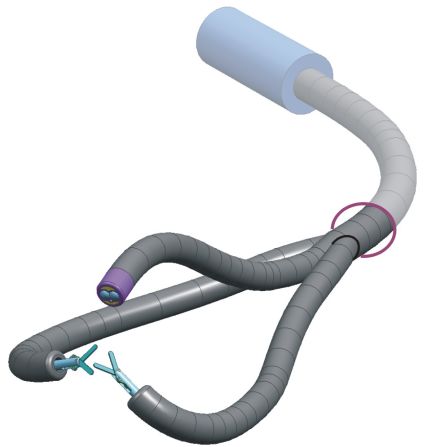
Researchers are developing a three-armed robot to perform keyhole surgery to correct congenital defects on babies in the womb.
Denise Pedreira
Surgery in the womb —
It will consist of a camera providing 3D images of the fetus, which will help guide two flexible arms in delivering gels or patches to seal the gap in the spine of babies with spina bifida. If successful, the arms will be developed to perform surgery themselves and treat conditions such as congenital heart disease.
COURTESY KU LEUVEN
Surgery in the womb —
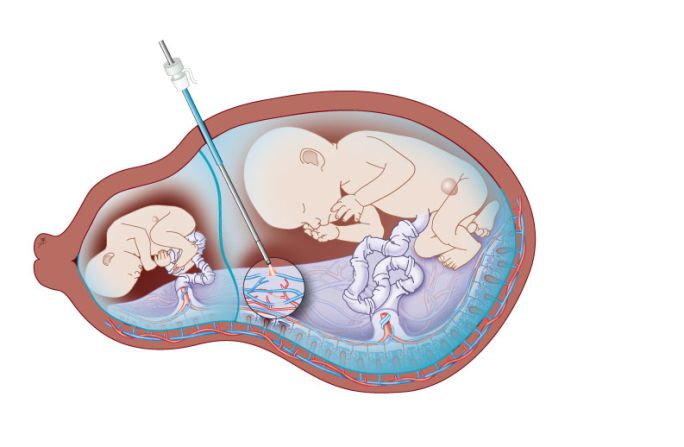
The device could also be used to treat twin-twin transfusion syndrome, where blood passes unequally between twins who share a placenta.
COURTESY KU LEUVEN
Surgery in the womb —
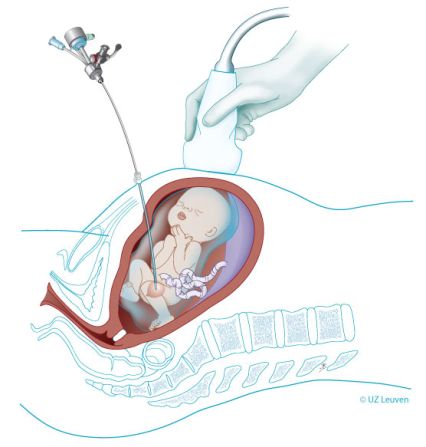
It could also be used to access a baby's bladder to treat fetal lower urinary tract obstruction -- where babies are unable to urinate in the womb and their bladders become distended.
COURTESY KU LEUVEN
Surgery in the womb —
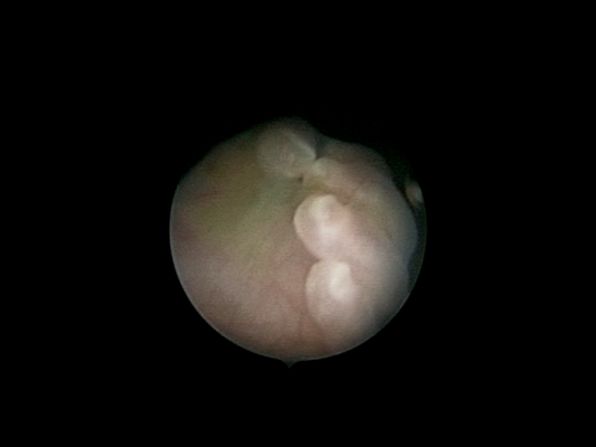
View into the womb through a laparoscope showing an unborn baby's hand. Open surgery and laparoscopic keyhole surgery are currently used to treat unborn babies.
COURTESY KU LEUVEN
Surgery in the womb —
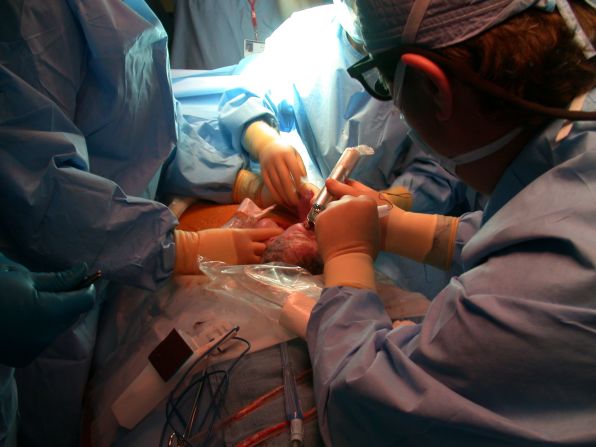
A number of rare congenital disorders result in airway compression in newborn babies which requires a specialized surgical delivery procedure to ensure their survival.