Return of the ‘White Plague’: Fears over the rise of ‘incurable’ TB
Drug-resistant TB —
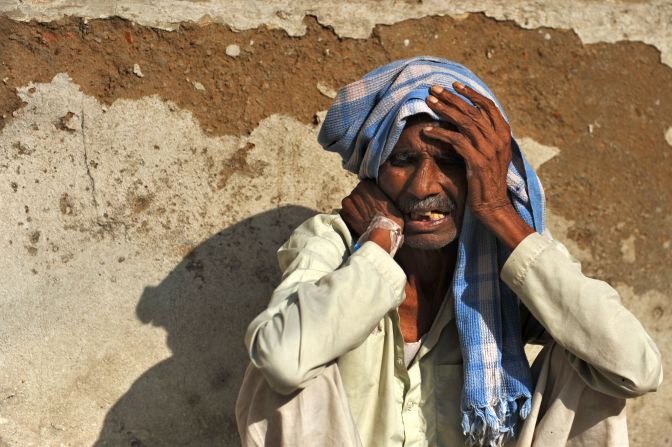
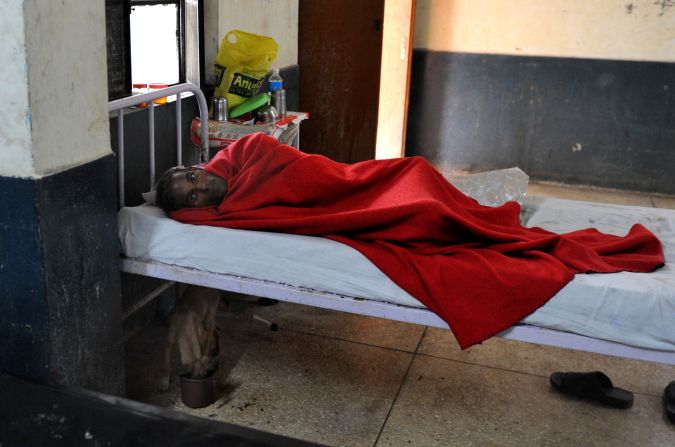
Globally, TB kills more than a million people a year. While the disease is treatable, drug-resistant strains are emerging. Pictured, an Indian TB patient outside the Rajan Babu Tuberculosis Hospital in New Delhi.
Courtesy Chandan Khanna/AFP/Getty Images
Drug-resistant TB —
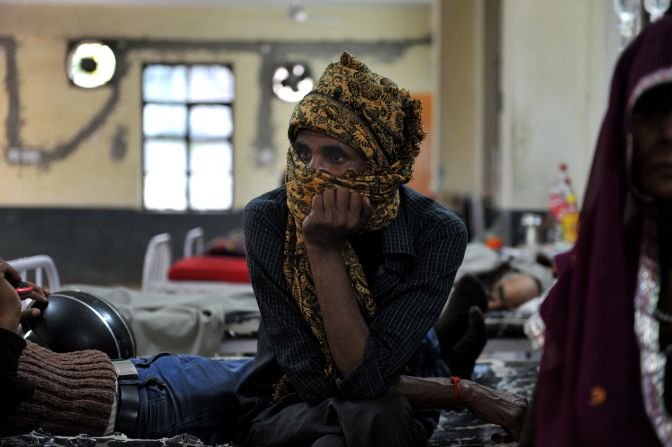
India leads the world for new TB cases, with more than 2 million in 2012. In 2011 Indian doctors reported cases of "totally drug resistant" TB.
Courtesy Chandan Khanna/AFP/Getty Images
Drug-resistant TB —
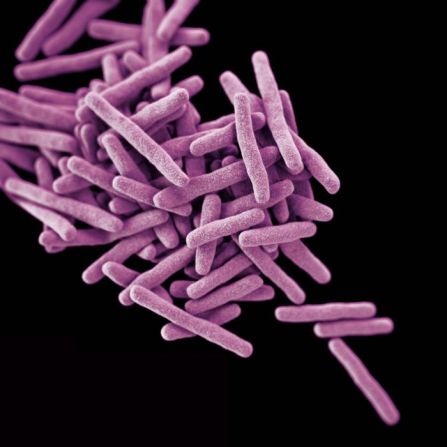
This rendering shows drug-resistant Mycobacterium tuberculosis bacteria, which cause TB. When people with lung TB cough, sneeze or spit, they propel TB bacteria into the air. A third of the world's population has latent TB, which means they have been infected by TB bacteria but are not (yet) ill and cannot transmit the disease.
courtesy CDC/ Melissa Brower
Drug-resistant TB —
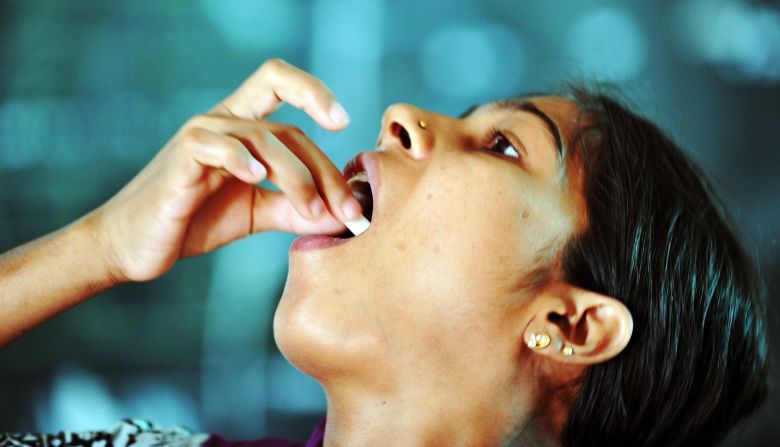
TB drug resistance is the result of ineffective drug formulations or people failing to complete their course of antibiotics.
PAL PILLAI/AFP/Getty Images
Drug-resistant TB —
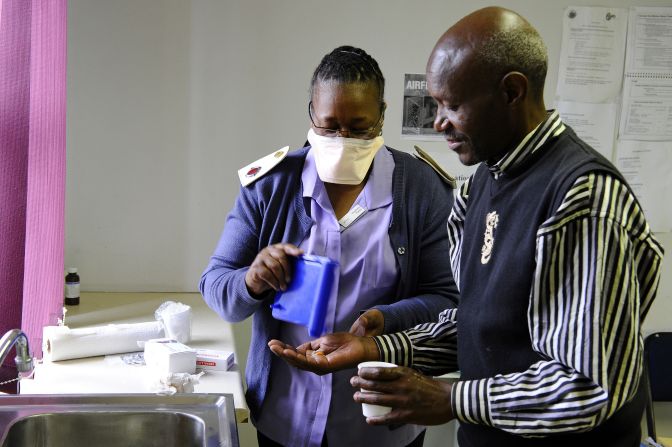
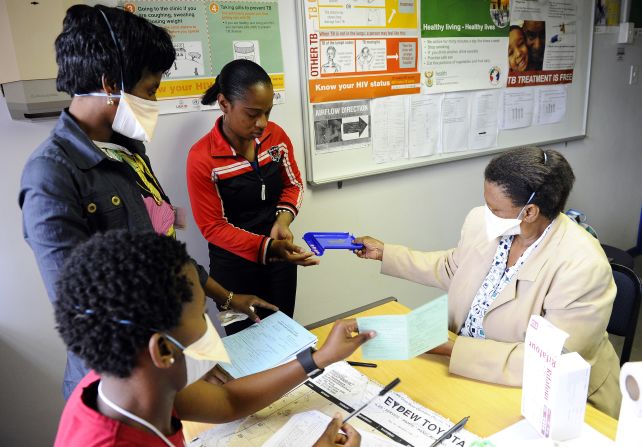
More than 500,000 South Africans contract TB each year, including thousands of cases of extensively drug-resistant TB. Pictured, a TB patient in Alexandra township, near Johannesburg.
Courtesy STEPHANE DE SAKUTIN/AFP/Getty Images
Drug-resistant TB —
"The disease has reached a public health emergency in South Africa," says Keertan Dheda, professor of medicine at the University of Cape Town.
Courtesy STEPHANE DE SAKUTIN/AFP/Getty Images
Drug-resistant TB —
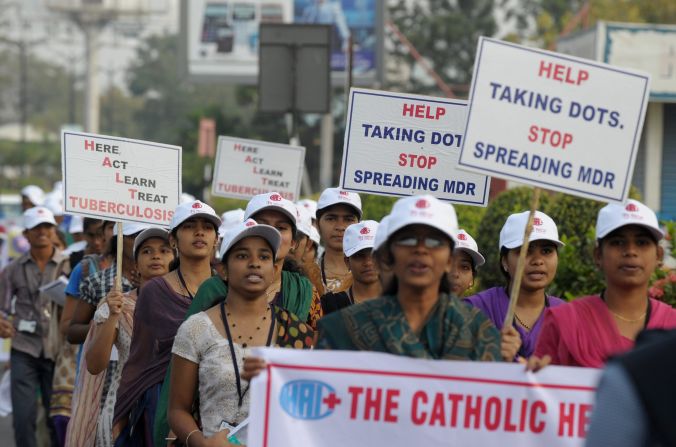
Pictured, Indian nursing students at an awareness rally in Hyderabad, on March 24, 2014. Their placards are encouraging "DOTS" the WHO's TB control strategy that includes effective testing and a reliable drug supply.
NOAH SEELAM/AFP/Getty Images
Drug-resistant TB —
"Russia, India, China and South Africa have about 60% of the world cases, so if they don't improve there is no way the world can progress," says Mario Raviglione, director of the WHO Global Tuberculosis Program.