The deadliest trip in America? —
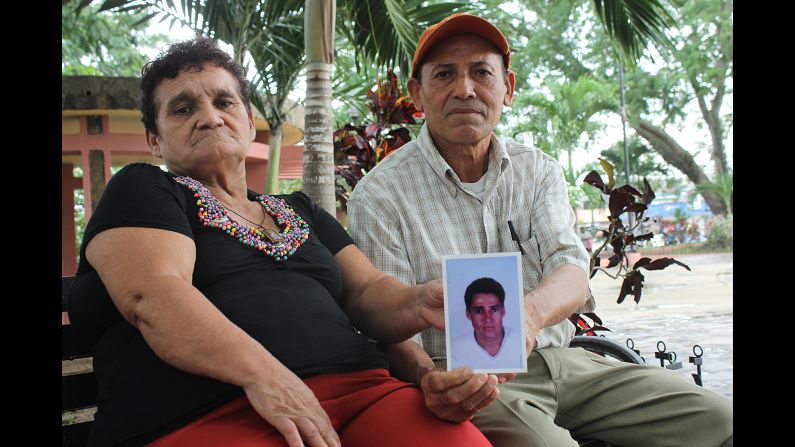
For years, Carmen Ayala and Jose Noriega were looking for their son, Luis Fernando, who went missing after he left Honduras for the United States 11 years ago. DNA tests helped them find their son in an Arizona morgue.
The deadliest trip in America? —
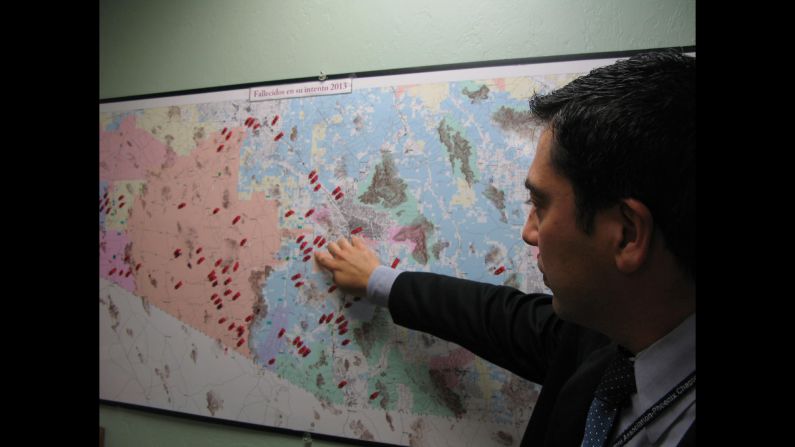
The Arizona desert is a common crossing place for migrants traveling to the United States from Mexico. An alarming number perish along the way, creating what some investigators have called "a humanitarian crisis at the border." Jeronimo Garcia helps identify corpses for the Mexican Consulate in Tucson. Each red dot on this map shows a death in the desert.

The deadliest trip in America? —
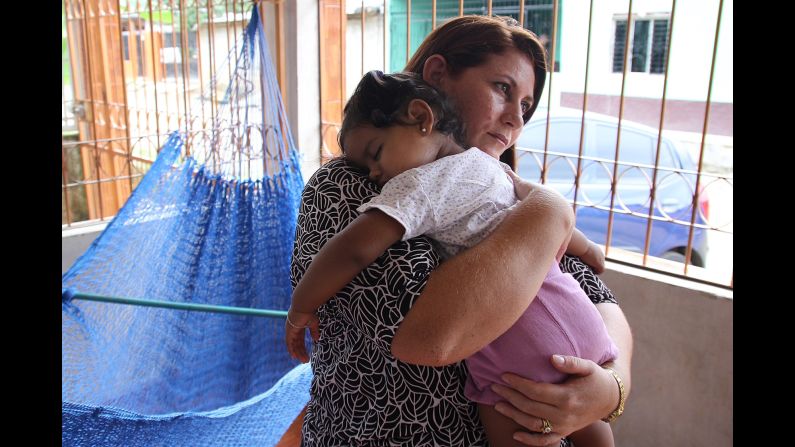
Corina Montoya hasn't heard from her son in nearly two years, since he left El Progreso, Honduras, for the United States just a few weeks after his daughter was born. His family is desperately searching for him, and fears the worst. "Everything we have done has been futile," she says.

The deadliest trip in America? —
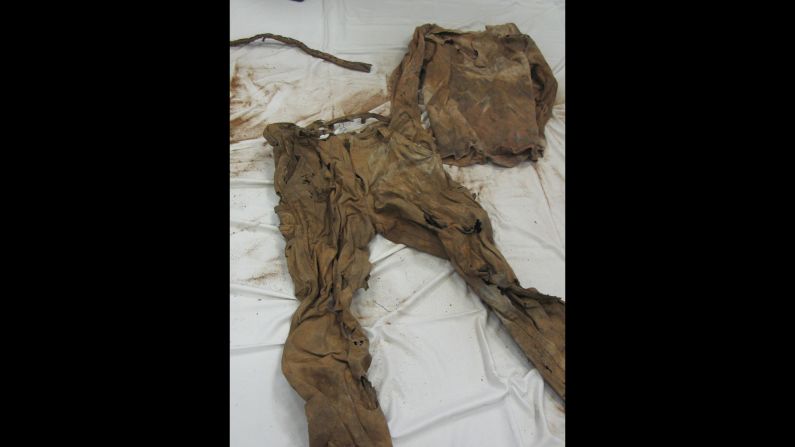
When remains of immigrants are found in the desert, investigators at the Pima County Medical Examiner's Office carefully sift through their clothes for clues about their identities.

The deadliest trip in America? —
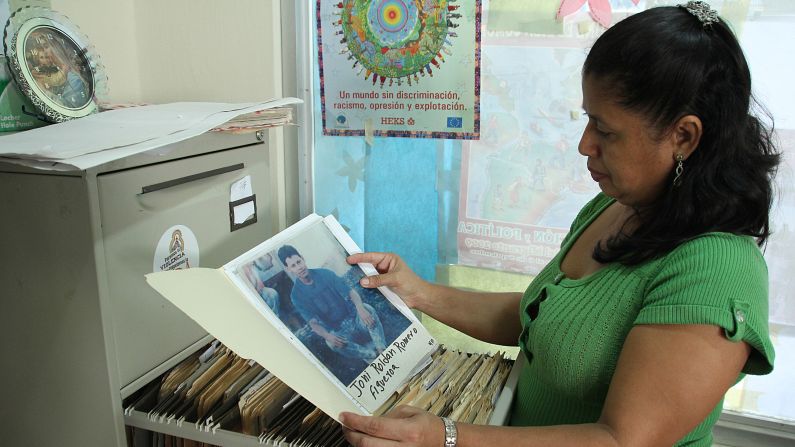
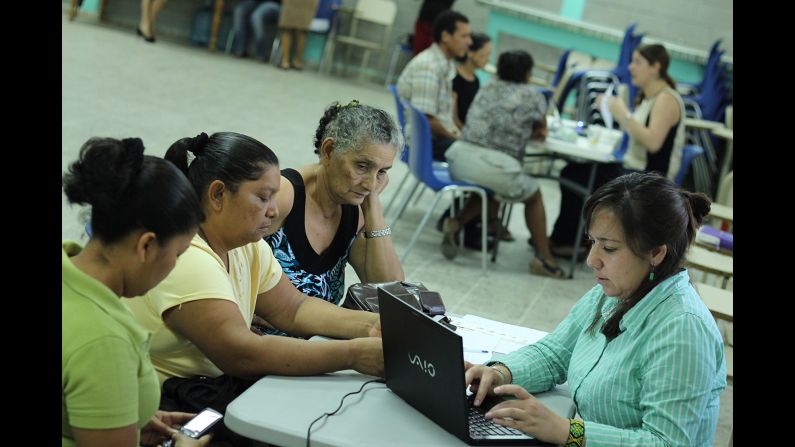
So many migrants from Honduras have gone missing after leaving for the United States that loved ones have created a volunteer organization to track their cases. Marcia Martinez is a member of the group, known as COFAMICRO, which helps family members search for their loved ones.

The deadliest trip in America? —
Paula Ivette Martinez is one of more than 1,000 migrants' family members who have given their DNA to investigators from the Argentine Forensic Anthropology Team. She is waiting to find out whether her missing brother and sister are alive or dead.

The deadliest trip in America? —
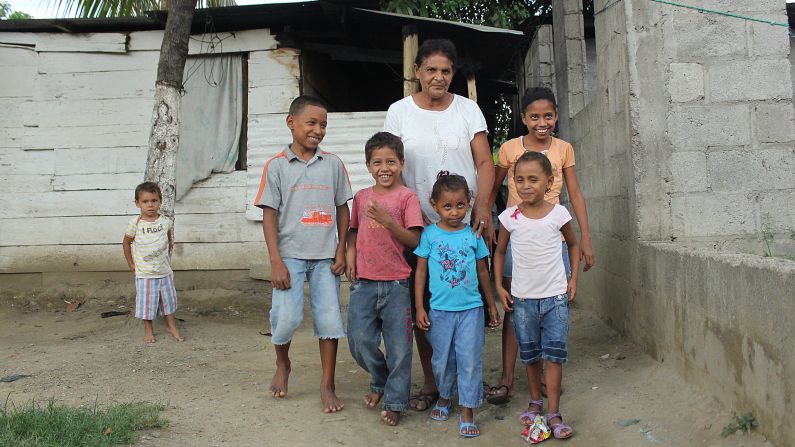
Pilar Escobar's daughter Olga disappeared on her journey north earlier this year. Now Escobar lives in a small room in El Progreso, Honduras, with her five grandchildren. She makes a living selling tortillas from her house as she searches for answers about her daughter.

The deadliest trip in America? —
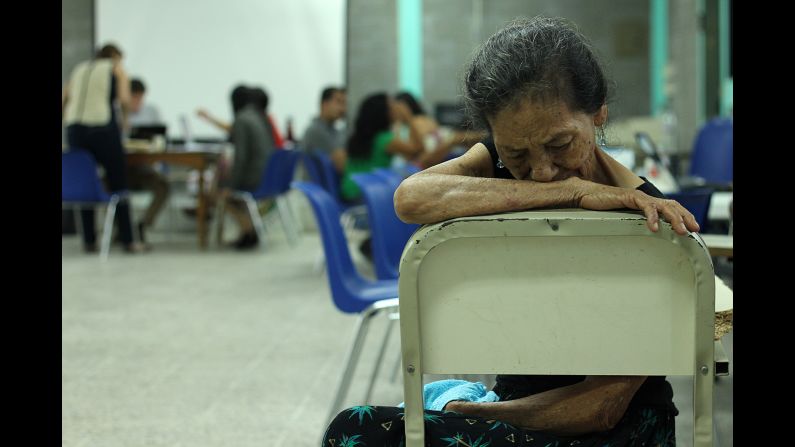
Francisca Ruiz cries while talking about her daughter, who hasn't been heard from since she left home to seek a better life in the United States 19 years ago. She hopes that DNA testing will help her find out whether her daughter is alive or dead.

The deadliest trip in America? —
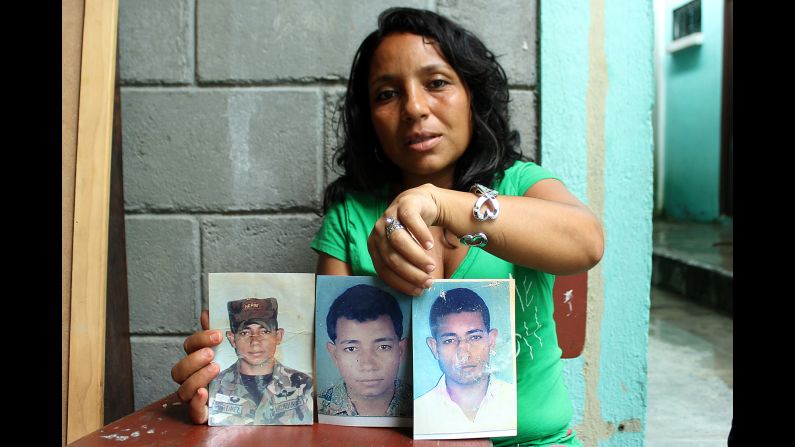
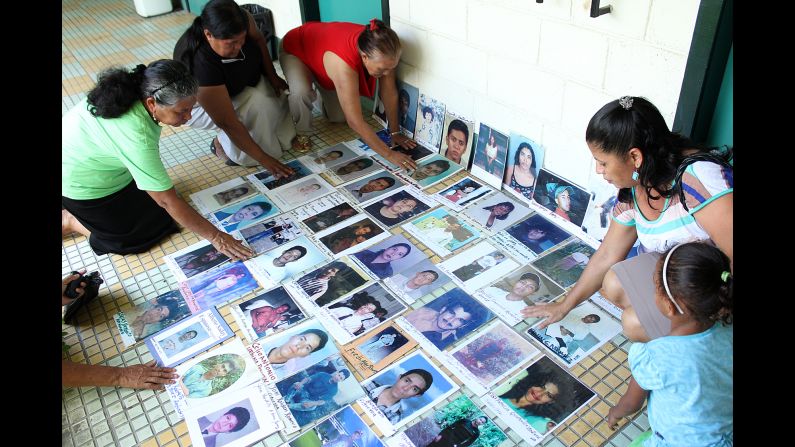
Volunteers in Honduras show photos of some of the missing migrants they are searching for. In the city of El Progreso, at least 350 people have gone missing on the dangerous trek north from the Central American nation to the United States.

The deadliest trip in America? —
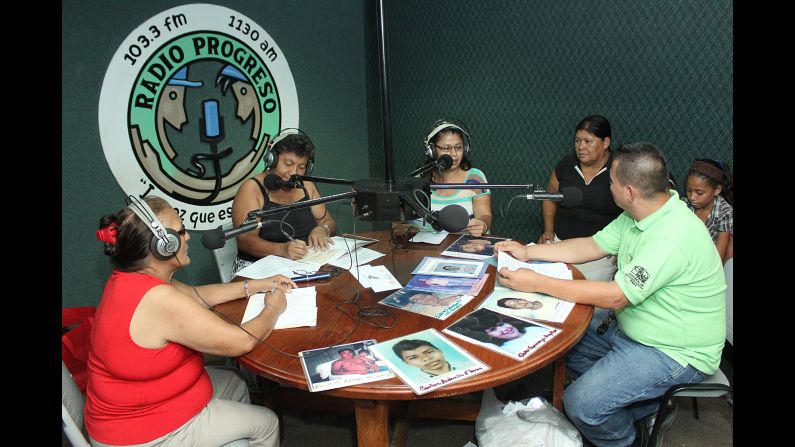
The difficult search for missing migrants is only part of COFAMICRO's mission. In a weekly radio program in Honduras called "Opening Borders," volunteers from the organization also warn people about the dangers they could face while crossing the Mexico-U.S. border and traveling through the desert.

The deadliest trip in America? —
Monserrat Najera, a member of the Argentine Forensic Anthropology Team, interviews a family in Honduras about the disappearance of a close relative. The interviews last two to three hours and involve collecting personal data as well details about how the person disappeared. Then, investigators collect DNA samples.

The deadliest trip in America? —
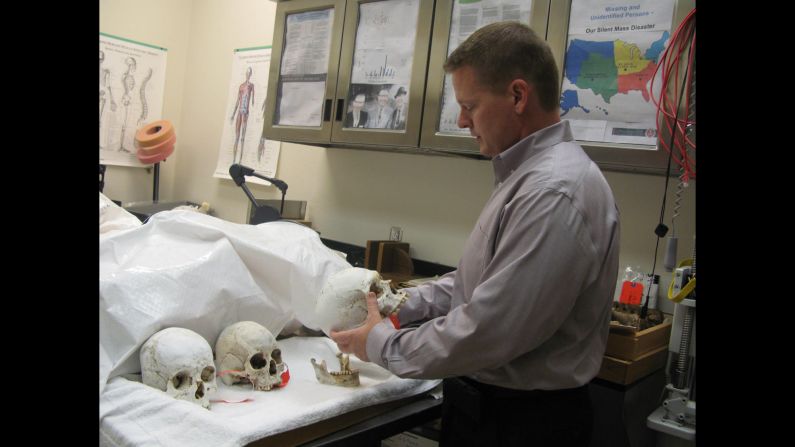
Gregory Hess, the coroner in Pima County, Arizona, inspects some human remains kept at the morgue. Since 2001, more than 2,000 migrants have been found dead in the Arizona desert, many of them without any identification.

The deadliest trip in America? —
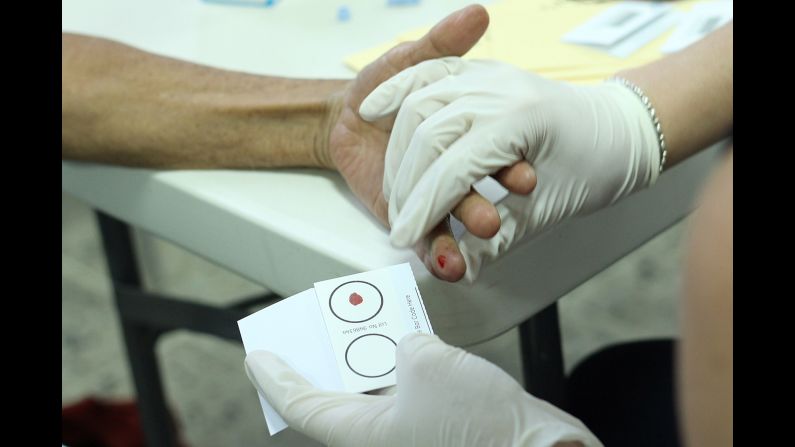
With a finger prick, the Argentine Forensic Anthropology Team takes a blood sample from family members in Honduras to extract DNA that will be matched against a database of forensic samples collected in Arizona.