Your effort and contribution in providing this feedback is much
appreciated.
Close
Ad Feedback
Elephant crossings reduce wildlife conflict
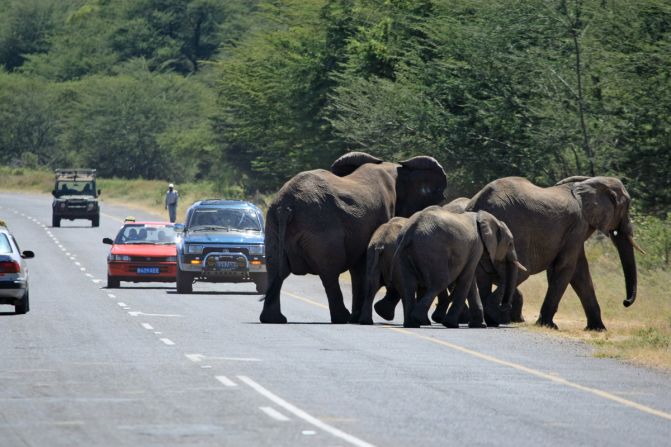
On the move —
Elephants take a chance crossing the Kazangula highway in Kasane, northern Botswana. It passes all the wildlife corridors monitored by Elephants Without Borders (EWB) near Chobe National Park.
Courtesy Elephants WIthout Borders
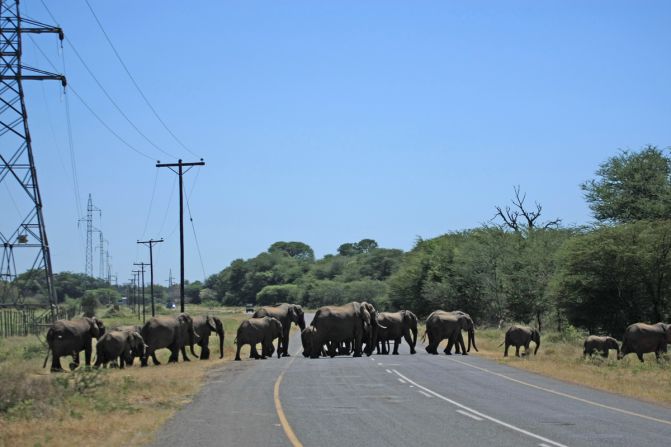
Crossing the road —
"There are a high number of accidents each year," says Tempe Adams, who monitors the movement of animals in Kasane.
Courtesy Elephants WIthout Borders
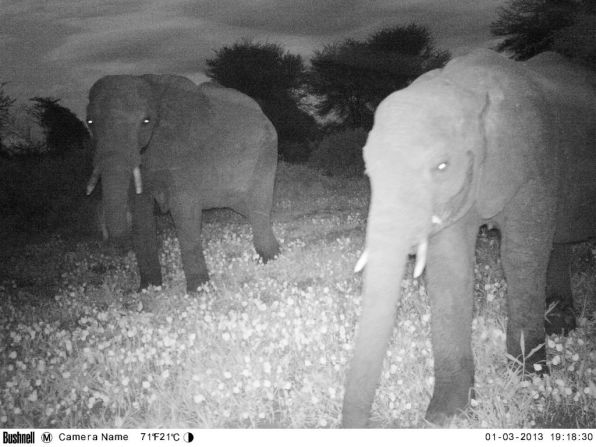
Moving at night —
With the help of motion-detection cameras, Adams is looking at the effectiveness of small-scale wildlife corridors and whether they can help avoid human-wildlife conflict.
Courtesy Elephants WIthout Borders
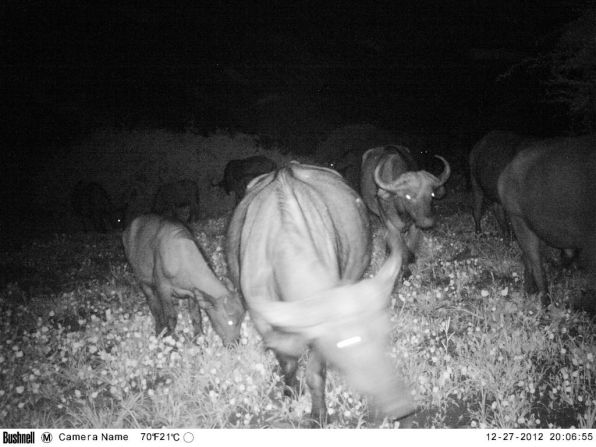
Night creatures —
"We can capture elephants beautifully and even really big herds of buffaloes coming into town," says Adams. "I can get over 1,000 photos a week in one corridor."
Courtesy Elephants WIthout Borders
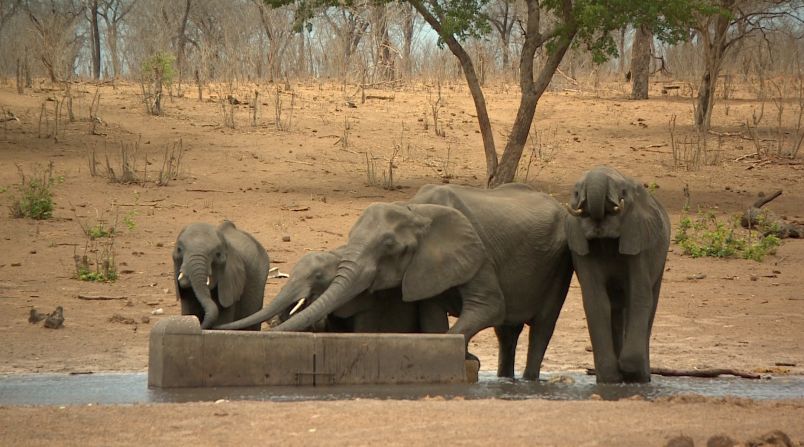
In search of fresh water —
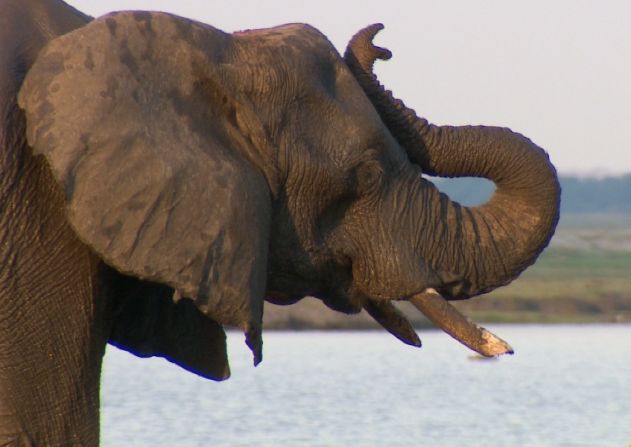
Botswana is the last stronghold for African elephants, hosting about 130,000 of the majestic mammals.
CNN
Popular attraction —
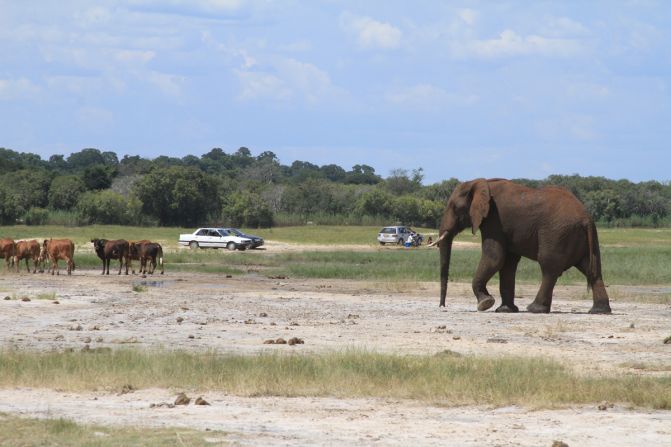
While other countries are facing dwindling populations, Botswana must deal with rising elephant numbers and their impact on local communities and the environment.
Courtesy Elephants WIthout Borders
Fast learners —
"Elephants are extremely intelligent and have the capability to learn how to adapt to changes within their environment," says Kelly Lande, program manager for EWB. "Our research has also shown that they will change their movement patterns to avoid areas of conflict and persecution if possible"
CNN
Human-wildlife conflict —
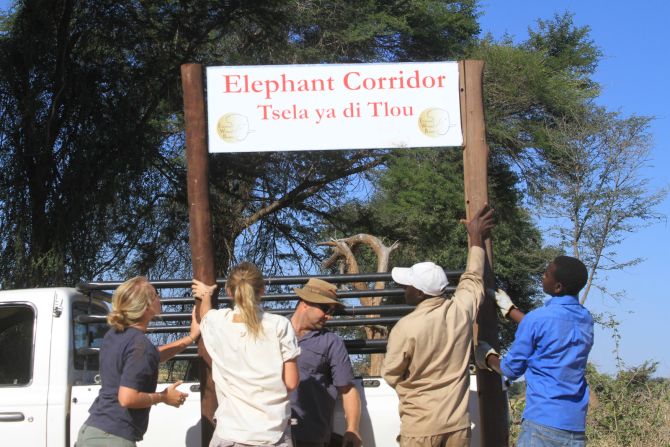
The overall plan of EWB is to have designated wildlife corridors in legislation, so as towns grow there are set paths for elephants to use and ultimately lessen the impact of their growing numbers.