Photos: A guide to (legal) pain relief | CNN

CNN values your feedback

1. How relevant is this ad to you?
2. Did you encounter any technical issues?
Thank You!
Your effort and contribution in providing this feedback is much appreciated.
Close
Ad Feedback
Health
Life, But Better
Fitness
Food
Sleep
Mindfulness
Relationships
More
Life, But Better Fitness Food Sleep Mindfulness Relationships
Watch Listen Live TV
My Account
  • Settings
  • Newsletters
  • Topics you follow
  • Sign out
Your CNN account Sign in to your CNN account

My Account
  • Settings
  • Newsletters
  • Topics you follow
  • Sign out
Your CNN account Sign in to your CNN account

Live TV Listen Watch
Edition
US
International
Arabic
Español
Edition
  • US
  • International
  • Arabic
  • Español

Life, But Better
Fitness
Food
Sleep
Mindfulness
Relationships

Follow CNN
Download the CNN App

  • World
    • Africa
    • Americas
    • Asia
    • Australia
    • China
    • Europe
    • India
    • Middle East
    • United Kingdom
  • US Politics
    • Elections 2026
    • Trump
    • Facts First
    • CNN Polls
    • Redistricting Tracker
    • Epstein Files
  • Business
    • Tech
    • Media
    • Calculators
    • Videos
  • Markets
    • Pre-markets
    • After-Hours
    • Fear & Greed
    • Investing
    • Markets Now
    • Nightcap
  • Health
    • Life, But Better
    • Fitness
    • Food
    • Sleep
    • Mindfulness
    • Relationships
  • Entertainment
    • Movies
    • Television
    • Celebrity
  • Tech
    • Innovate
  • Style
    • Arts
    • Design
    • Fashion
    • Architecture
    • Luxury
    • Beauty
    • Video
  • Travel
    • Destinations
    • Food & Drink
    • Stay
    • News
    • Videos
  • Sports
    • Football
    • Tennis
    • Golf
    • Motorsport
    • US Sports
    • Olympics
  • Science
    • Space
    • Life
    • Unearthed
  • Climate
    • Solutions
    • Weather
  • Weather
    • Video
    • Climate
  • World Cup 2026
  • Ukraine-Russia War
  • Israel-Hamas War
  • Features
    • As Equals
    • Call to Earth
    • Freedom Project
    • Impact Your World
    • Inside Africa
    • CNN Heroes
  • Watch
    • Live TV
    • Featured
    • CNN Fast
    • Shows A-Z
    • CNN 10
    • CNN TV Schedule
  • Listen
    • All There Is with Anderson Cooper
    • Chasing Life with Dr. Sanjay Gupta
    • The Assignment with Audie Cornish
    • Terms of Service with Clare Duffy
    • CNN 5 Things
    • All CNN Podcasts
  • Games
    • Daily Crossword
    • Jumble Crossword
    • Photo Shuffle
    • Sudoblock
    • Sudoku
    • 5 Things Quiz
  • About CNN
    • Photos
    • Investigations
    • CNN Profiles
    • CNN Leadership
    • CNN Newsletters
    • Work for CNN

Download the CNN App
Health

A guide to (legal) pain relief

Updated 11:28 AM EDT, Wed May 10, 2017
Link Copied!
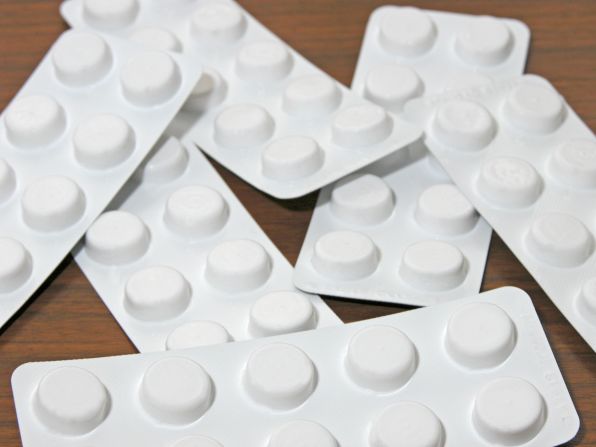
Ibuprofen falls into the class of drugs known as NSAIDs (nonsteroidal anti-inflammatory drugs). Sold under brand names including Motrin or Advil, it's used to treat minor aches and pains and reduce fever. It may be prescribed in stronger doses. It comes in tablet form as well as in chewable tablets, liquid suspensions and concentrated liquid drops. People who take NSAIDs may have a higher heart attack or stroke risk than those who do not, according to the <a href="index.php?page=&url=http%3A%2F%2Fwww.nlm.nih.gov%2Fmedlineplus%2Fdruginfo%2Fmeds%2Fa682159.html" target="_blank" target="_blank">National Institutes of Health</a>. The medication can also cause ulcers, bleeding or holes in the stomach and intestine for some people. The risk may be higher if you take NSAIDs for a long time, are older or in poor health, and have three or more alcoholic drinks per day.
Ibuprofen —
Ibuprofen falls into the class of drugs known as NSAIDs (nonsteroidal anti-inflammatory drugs). Sold under brand names including Motrin or Advil, it's used to treat minor aches and pains and reduce fever. It may be prescribed in stronger doses. It comes in tablet form as well as in chewable tablets, liquid suspensions and concentrated liquid drops. People who take NSAIDs may have a higher heart attack or stroke risk than those who do not, according to the National Institutes of Health. The medication can also cause ulcers, bleeding or holes in the stomach and intestine for some people. The risk may be higher if you take NSAIDs for a long time, are older or in poor health, and have three or more alcoholic drinks per day.
Libby Welch/Getty
This compound can ease minor muscle, back, tooth and joint pain and reduce fever. Sold under brand names such as Tylenol, Liquiprin and Panadol, it <a href="index.php?page=&url=http%3A%2F%2Fcid.oxfordjournals.org%2Fcontent%2F31%2FSupplement_5%2FS202.full" target="_blank" target="_blank">works by regulating</a> the part of your brain that controls your body's temperature and inhibits the synthesis of prostaglandin in the central nervous system. <a href="index.php?page=&url=http%3A%2F%2Fwww.cnn.com%2F2015%2F04%2F15%2Fhealth%2Fstudy-acetaminophen-dulls-joy%2Findex.html" target="_blank">A study </a>has found that it could reduce pleasure as well. <a href="index.php?page=&url=http%3A%2F%2Fjco.ascopubs.org%2Fcontent%2Fearly%2F2011%2F05%2F06%2FJCO.2011.34.6346.abstract" target="_blank" target="_blank">Too much of the drug</a> can cause rashes, liver failure and even death.
Acetaminophen —
This compound can ease minor muscle, back, tooth and joint pain and reduce fever. Sold under brand names such as Tylenol, Liquiprin and Panadol, it works by regulating the part of your brain that controls your body's temperature and inhibits the synthesis of prostaglandin in the central nervous system. A study has found that it could reduce pleasure as well. Too much of the drug can cause rashes, liver failure and even death.
Joe Amon/The Denver Post/Getty Images
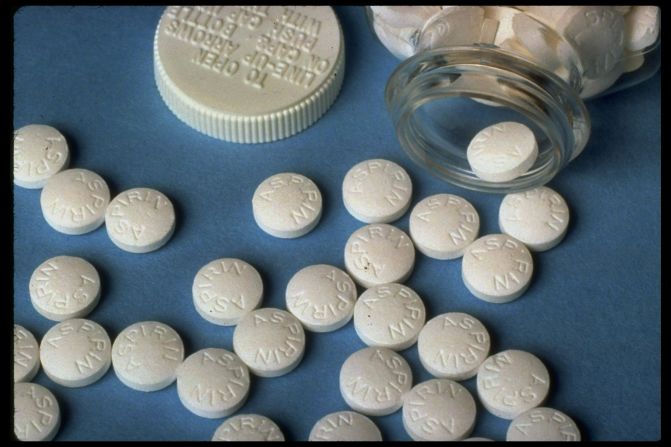
Aspirin is one of the cheapest and <a href="index.php?page=&url=http%3A%2F%2Fcirc.ahajournals.org%2Fcontent%2F123%2F7%2F768.extract" target="_blank" target="_blank">oldest manufactured painkillers</a> on the market. German-born scientist <a href="index.php?page=&url=http%3A%2F%2Fwww.invent.org%2Fhall_of_fame%2F184.html" target="_blank" target="_blank">Felix Hoffman</a> is credited with creating and popularizing what was then known as acetylsalicylic acid in 1899 to help ease his dad's arthritis pain. Today, it is used to ease minor aches and headaches. It works by reducing the substance in the body that causes inflammation and fever. Doctors also tell some adults to <a href="index.php?page=&url=http%3A%2F%2Fheart.bmj.com%2Fcontent%2F85%2F3%2F265" target="_blank" target="_blank">take an aspirin daily</a> to help prevent a heart attack or stroke. People with bleeding conditions like ulcers or cardiovascular troubles like asthma are often advised to take another painkiller, as it may make those conditions worse. Some Americans are also <a href="index.php?page=&url=http%3A%2F%2Fcirc.ahajournals.org%2Fcontent%2F110%2F1%2Fe1.full" target="_blank" target="_blank">allergic to aspirin</a>. Americans consume more than 15 billion aspirin tablets a year. Here's a guide to some of the most commonly used pain relief medications:
Aspirin —
Aspirin is one of the cheapest and oldest manufactured painkillers on the market. German-born scientist Felix Hoffman is credited with creating and popularizing what was then known as acetylsalicylic acid in 1899 to help ease his dad's arthritis pain. Today, it is used to ease minor aches and headaches. It works by reducing the substance in the body that causes inflammation and fever. Doctors also tell some adults to take an aspirin daily to help prevent a heart attack or stroke. People with bleeding conditions like ulcers or cardiovascular troubles like asthma are often advised to take another painkiller, as it may make those conditions worse. Some Americans are also allergic to aspirin. Americans consume more than 15 billion aspirin tablets a year. Here's a guide to some of the most commonly used pain relief medications:
James Keyser/Getty
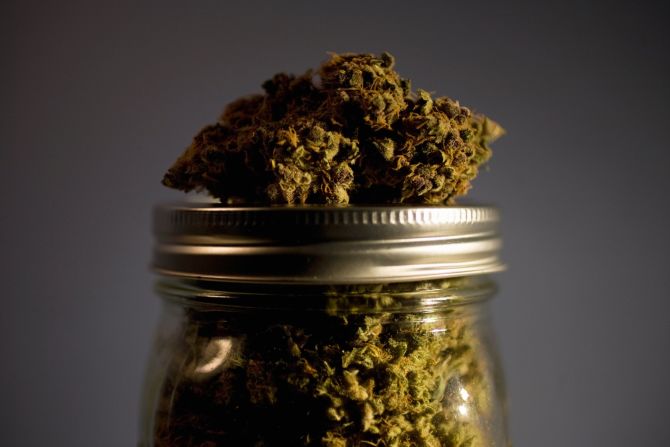
There's been a <a href="index.php?page=&url=http%3A%2F%2Fwww.nap.edu%2Fopenbook.php%3Frecord_id%3D9586%26page%3D79" target="_blank" target="_blank">growing acceptance</a> of marijuana as a legitimate <a href="index.php?page=&url=http%3A%2F%2Fiom.edu%2FReports%2F2003%2FMarijuana-and-Medicine-Assessing-the-Science-Base.aspx" target="_blank" target="_blank">pain reliever</a>. The <a href="index.php?page=&url=https%3A%2F%2Fwww.ama-assn.org%2Fssl3%2Fecomm%2FPolicyFinderForm.pl%3Fsite%3Dwww.ama-assn.org%26uri%3D%2Fresources%2Fhtml%2FPolicyFinder%2Fpolicyfiles%2FHnE%2FH-95.952.HTM" target="_blank" target="_blank">American Medical Association</a> supports making marijuana a Schedule I controlled substance in order to promote research into its therapeutic abilities. Doctors in some states may prescribe it to ease chronic pain that comes from arthritis, migraines, Crohn's disease or other <a href="index.php?page=&url=http%3A%2F%2Fwww.neurology.org%2Fcontent%2F68%2F7%2F515.abstract" target="_blank" target="_blank">ongoing pain issues</a> where other medicines have failed. It works by blocking the <a href="index.php?page=&url=http%3A%2F%2Fwww.ncbi.nlm.nih.gov%2Fpmc%2Farticles%2FPMC3358713%2F" target="_blank" target="_blank">pain sensations</a> felt by peripheral nerves. The cannabinoids in marijuana bind to endocannabinoid receptors throughout the body and can reduce pain (but also give the feeling of being high). Some research shows that it can also slow cancer development and increase appetite. Forty states and the District of Columbia allow some legal uses of marijuana, mostly for <a href="index.php?page=&url=http%3A%2F%2Fwww.cnn.com%2F2013%2F08%2F08%2Fhealth%2Fgupta-changed-mind-marijuana%2F">medicinal purposes</a>. <br />
Marijuana —
There's been a growing acceptance of marijuana as a legitimate pain reliever. The American Medical Association supports making marijuana a Schedule I controlled substance in order to promote research into its therapeutic abilities. Doctors in some states may prescribe it to ease chronic pain that comes from arthritis, migraines, Crohn's disease or other ongoing pain issues where other medicines have failed. It works by blocking the pain sensations felt by peripheral nerves. The cannabinoids in marijuana bind to endocannabinoid receptors throughout the body and can reduce pain (but also give the feeling of being high). Some research shows that it can also slow cancer development and increase appetite. Forty states and the District of Columbia allow some legal uses of marijuana, mostly for medicinal purposes.
Eric Marrapodi/Getty
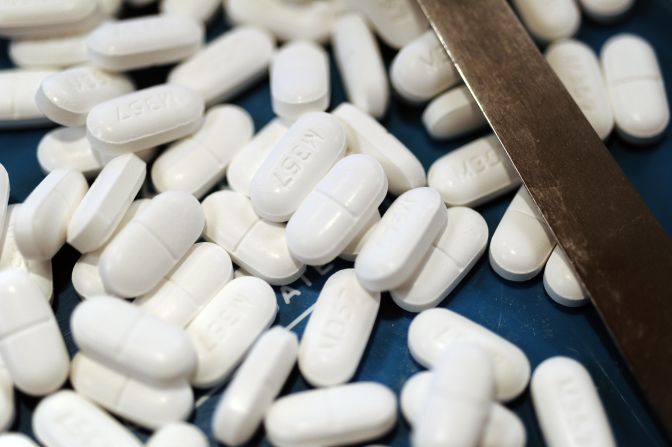
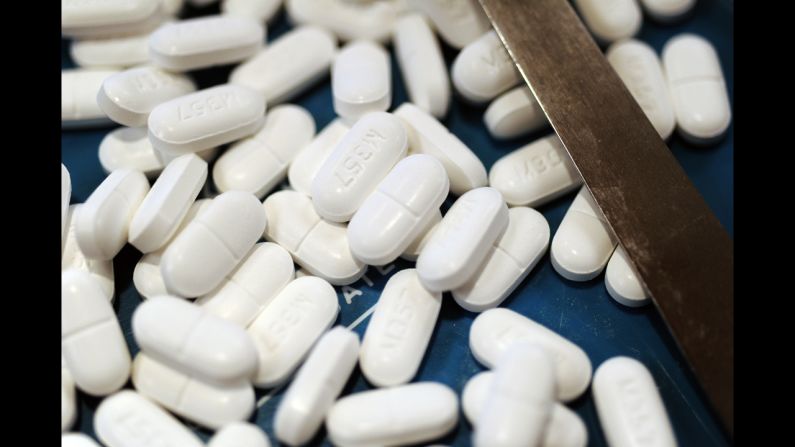
Hydrocodone is available only in combination with other ingredients, with different products prescribed for different uses. Some products are used to relieve moderate to severe pain, while others combat a cough, according to the <a href="index.php?page=&url=http%3A%2F%2Fwww.nlm.nih.gov%2Fmedlineplus%2Fdruginfo%2Fmeds%2Fa601006.html" target="_blank" target="_blank">National Institutes of Health</a>. An opiate (narcotic) analgesic, hydrocodone relieves pain by changing the way the brain and nervous system respond to it. It may be habit-forming, and abuse of drugs, including hydrocodone, has become a concern in recent years. In 2014, hydrocodone was<a href="index.php?page=&url=http%3A%2F%2Fwww.cnn.com%2F2014%2F08%2F22%2Fhealth%2Fhydrocodone-dea-rules%2F"> moved from Schedule III to Schedule II</a>.  Now, in order to use these drugs, patients will have to get a written prescription from a doctor -- instead of one submitted orally by phone. And refills are prohibited; patients would have to check in with their doctors to get another prescription.<br />
Hydrocodone —
Hydrocodone is available only in combination with other ingredients, with different products prescribed for different uses. Some products are used to relieve moderate to severe pain, while others combat a cough, according to the National Institutes of Health. An opiate (narcotic) analgesic, hydrocodone relieves pain by changing the way the brain and nervous system respond to it. It may be habit-forming, and abuse of drugs, including hydrocodone, has become a concern in recent years. In 2014, hydrocodone was moved from Schedule III to Schedule II. Now, in order to use these drugs, patients will have to get a written prescription from a doctor -- instead of one submitted orally by phone. And refills are prohibited; patients would have to check in with their doctors to get another prescription.
JOE AMON/the denver post/getty images/file
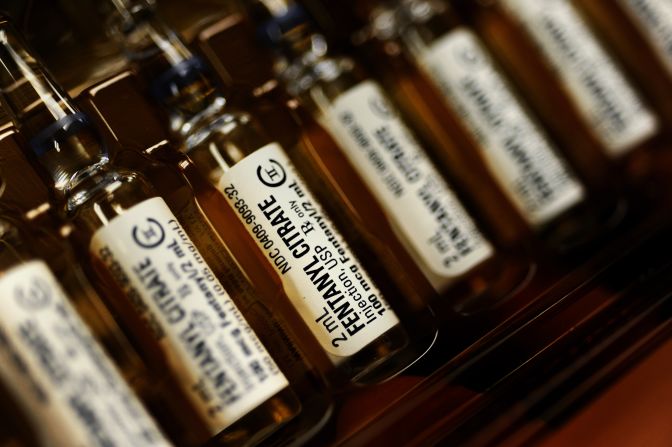
Fentanyl is a prescription-only pain medication often given to cancer patients. They must be at least 18 years old to take it, or at least 16 for lozenges branded as Actiq, and they should also be taking regular doses of another narcotic pain medication. Patients must also be accustomed to the effects of narcotics. Fentanyl itself is a narcotic and changes the way the brain and nervous system respond to pain, according to the <a href="index.php?page=&url=http%3A%2F%2Fwww.nlm.nih.gov%2Fmedlineplus%2Fdruginfo%2Fmeds%2Fa605043.html" target="_blank" target="_blank">National Institutes of Health</a>. This drug comes in the form of a lozenge, a tablet under the tongue, a film and a buccal (between the gum and cheek) tablet, as well as in injectable form. It is designed for sudden episodes of pain and should not be used more than four times a day. Overdose can cause drowsiness, dizziness, confusion, breathing problems or smaller pupils. The FDA has said there is growing concern about illicit fentanyl use, particularly in conjunction with heroin.
Fentanyl —
Fentanyl is a prescription-only pain medication often given to cancer patients. They must be at least 18 years old to take it, or at least 16 for lozenges branded as Actiq, and they should also be taking regular doses of another narcotic pain medication. Patients must also be accustomed to the effects of narcotics. Fentanyl itself is a narcotic and changes the way the brain and nervous system respond to pain, according to the National Institutes of Health. This drug comes in the form of a lozenge, a tablet under the tongue, a film and a buccal (between the gum and cheek) tablet, as well as in injectable form. It is designed for sudden episodes of pain and should not be used more than four times a day. Overdose can cause drowsiness, dizziness, confusion, breathing problems or smaller pupils. The FDA has said there is growing concern about illicit fentanyl use, particularly in conjunction with heroin.
Getty Images
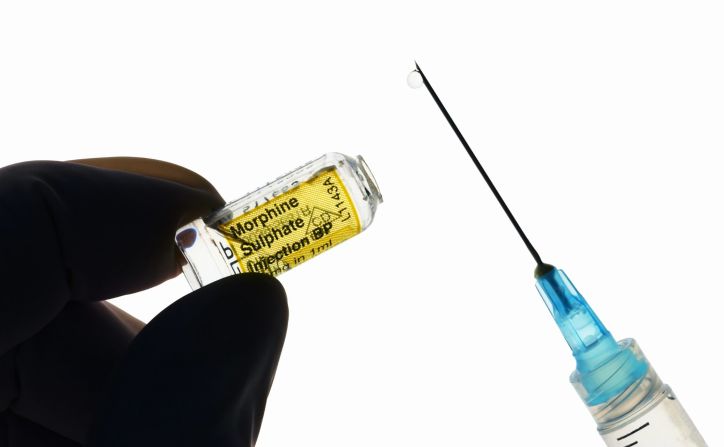
Patients take morphine for moderate to severe pain. It is an opiate (narcotic) analgesic and changes the way the brain and nervous system react to pain. Forms of morphine include <a href="index.php?page=&url=http%3A%2F%2Fwww.nlm.nih.gov%2Fmedlineplus%2Fdruginfo%2Fmeds%2Fa682133.html" target="_blank" target="_blank">tablet</a> and solution, which are taken every four hours, as needed. Controlled- or extended-release tablets and controlled- or sustained-release capsules are for patients who need around-the-clock pain relief. Morphine can also be found as a <a href="index.php?page=&url=http%3A%2F%2Fwww.nlm.nih.gov%2Fmedlineplus%2Fdruginfo%2Fmeds%2Fa601161.html" target="_blank" target="_blank">morphine sulfate injection</a>, as added to an IV fluid that drips through a needle or catheter, or injected into a large muscle. Morphine overdose can cause serious consequences such as breathing problems, loss of consciousness, sleepiness, slow heartbeat, blurred vision, nausea and fainting, according to the National Institutes of Health. Morphine may also be habit-forming.
Morphine —
Patients take morphine for moderate to severe pain. It is an opiate (narcotic) analgesic and changes the way the brain and nervous system react to pain. Forms of morphine include tablet and solution, which are taken every four hours, as needed. Controlled- or extended-release tablets and controlled- or sustained-release capsules are for patients who need around-the-clock pain relief. Morphine can also be found as a morphine sulfate injection, as added to an IV fluid that drips through a needle or catheter, or injected into a large muscle. Morphine overdose can cause serious consequences such as breathing problems, loss of consciousness, sleepiness, slow heartbeat, blurred vision, nausea and fainting, according to the National Institutes of Health. Morphine may also be habit-forming.
Getty Images
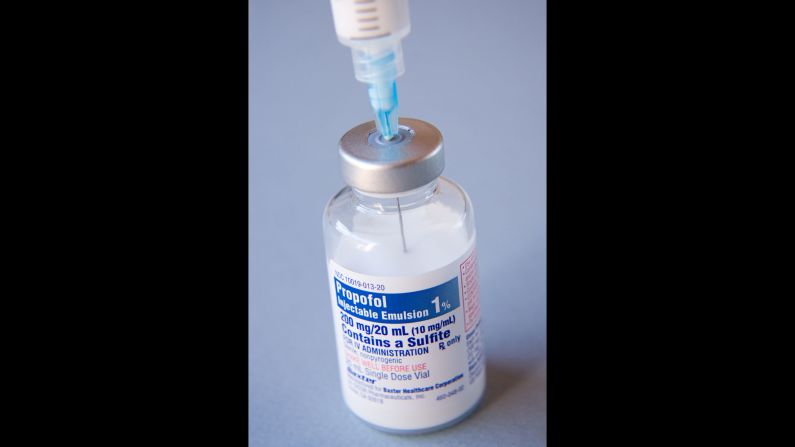
Propofol, also known as Diprivan, became infamous when pop star Michael Jackson died after overdosing on the drug while using it as a sleep aid. The drug is <a href="index.php?page=&url=http%3A%2F%2Fwww.cnn.com%2F2009%2FHEALTH%2F07%2F02%2Fdiprivan.propofol.jackson%2Findex.html">typically administered</a> intravenously by medical professionals for anesthetic purposes, such as when a patient is undergoing surgery. It's not approved to treat sleep disorders, according to the Food and Drug Administration. The drug itself does not provide pain relief but renders a patient unconscious. A patient wakes up almost immediately after an infusion is stopped, experts say. Propofol lowers blood pressure and suppresses breathing, so patients' heart function and breathing need constant monitoring, according to the <a href="index.php?page=&url=http%3A%2F%2Fwww.health.harvard.edu%2Fblog%2Fpropofol-the-drug-that-killed-michael-jackson-201111073772" target="_blank" target="_blank">Harvard Health Blog</a>. Abuse of propofol in medical circles, however, has been <a href="index.php?page=&url=http%3A%2F%2Fthechart.blogs.cnn.com%2F2009%2F07%2F06%2Fshould-diprivan-propofol-be-a-controlled-substance%2F">a concern</a> in recent years.
Propofol —
Propofol, also known as Diprivan, became infamous when pop star Michael Jackson died after overdosing on the drug while using it as a sleep aid. The drug is typically administered intravenously by medical professionals for anesthetic purposes, such as when a patient is undergoing surgery. It's not approved to treat sleep disorders, according to the Food and Drug Administration. The drug itself does not provide pain relief but renders a patient unconscious. A patient wakes up almost immediately after an infusion is stopped, experts say. Propofol lowers blood pressure and suppresses breathing, so patients' heart function and breathing need constant monitoring, according to the Harvard Health Blog. Abuse of propofol in medical circles, however, has been a concern in recent years.

Getty Images

My Account
  • Settings
  • Newsletters
  • Topics you follow
  • Sign out
Your CNN account Sign in to your CNN account

Live TV Listen Watch
  • World
    • Africa
    • Americas
    • Asia
    • Australia
    • China
    • Europe
    • India
    • Middle East
    • United Kingdom
  • US Politics
    • Trump
    • Facts First
    • CNN Polls
    • Elections 2026
    • Redistricting Tracker
    • Epstein Files
  • Business
    • Tech
    • Media
    • Calculators
    • Videos
  • Markets
    • Pre-markets
    • After-Hours
    • Fear & Greed
    • Investing
    • Markets Now
    • Nightcap
  • Health
    • Life, But Better
    • Fitness
    • Food
    • Sleep
    • Mindfulness
    • Relationships
  • Entertainment
    • Movies
    • Television
    • Celebrity
  • Tech
    • Innovate
  • Style
    • Arts
    • Design
    • Fashion
    • Architecture
    • Luxury
    • Beauty
    • Video
  • Travel
    • Destinations
    • Food & Drink
    • Stay
    • News
    • Videos
  • Sports
    • Football
    • Tennis
    • Golf
    • Motorsport
    • US Sports
    • Olympics
  • Science
    • Space
    • Life
    • Unearthed
  • Climate
    • Solutions
    • Weather
  • Weather
    • Video
    • Climate
  • World Cup 2026
  • Ukraine-Russia War
  • Israel-Hamas War
  • Features
    • As Equals
    • Call to Earth
    • Freedom Project
    • Impact Your World
    • Inside Africa
    • CNN Heroes
  • Watch
    • Live TV
    • Featured
    • CNN Headlines
    • Shows A-Z
    • CNN 10
    • CNN TV Schedule
  • Listen
    • All There Is with Anderson Cooper
    • Chasing Life with Dr. Sanjay Gupta
    • The Assignment with Audie Cornish
    • Terms of Service with Clare Duffy
    • CNN 5 Things
    • All CNN Podcasts
  • Games
    • Daily Crossword
    • Jumble Crossword
    • Photo Shuffle
    • Sudoblock
    • Sudoku
    • 5 Things Quiz
  • About CNN
    • Photos
    • Investigations
    • CNN Profiles
    • CNN Leadership
    • CNN Newsletters
    • Work for CNN

Health
Watch Listen Live TV
My Account
  • Settings
  • Newsletters
  • Topics you follow
  • Sign out
Your CNN account Sign in to your CNN account
Follow CNN

Download the CNN app

Terms of Use Privacy Policy Ad Choices Accessibility & CC About Newsletters Transcripts

© 2026 Cable News Network. A Warner Bros. Discovery Company. All Rights Reserved.
CNN Sans ™ & © 2016 Cable News Network.

Download the CNN app

Scan the QR code to download the CNN app on Google Play.

Scan the QR code to download the CNN app from Google Play.

Download the CNN app

Scan the QR code to download the CNN app from the Apple Store.

Scan the QR code to download the CNN app from the Apple Store.