Cape Town draped in color for ‘slave’ carnival | CNN
Thank You!
Your effort and contribution in providing this feedback is much
appreciated.
Close
Ad Feedback
Cape Town draped in color for ‘slave’ carnival
Cape Town Minstrel Carnival —
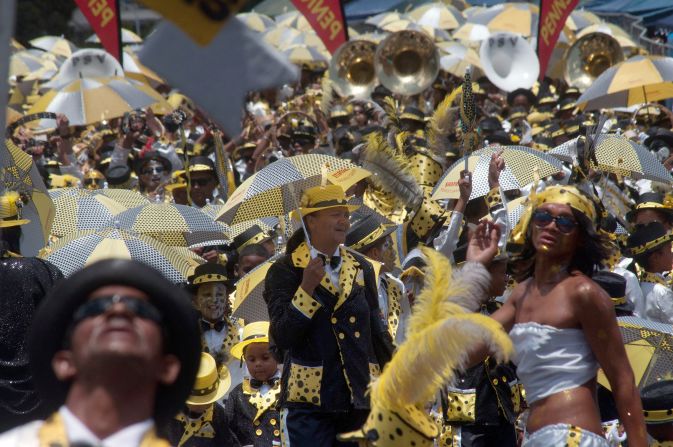
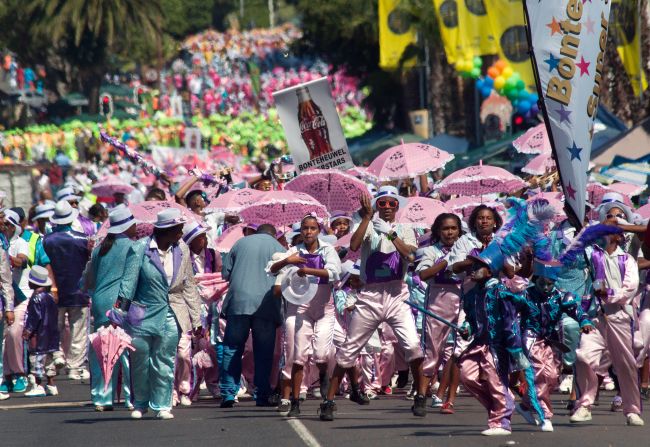
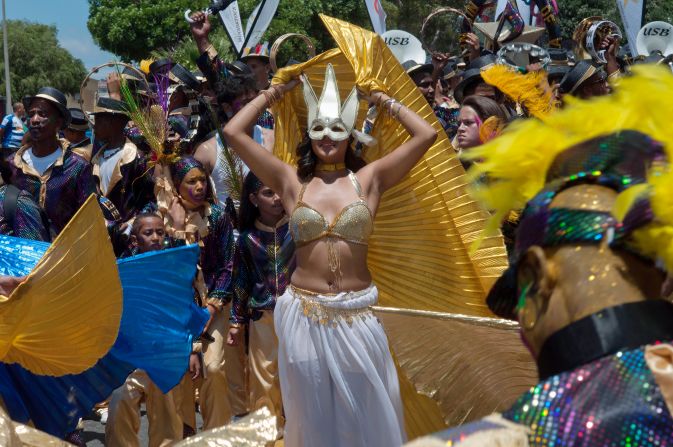
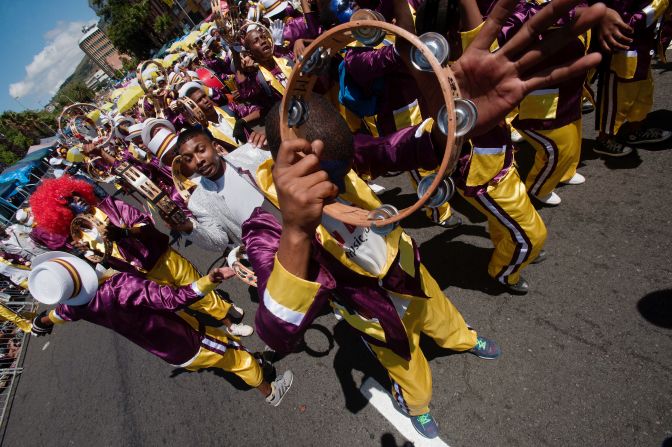
Thousands of revelers take to the streets of Cape Town on January 2 to celebrate "Tweede Nuwe Jaar" (Second New Year).
RODGER BOSCH/AFP/Getty Images
Cape Town Minstrel Carnival —
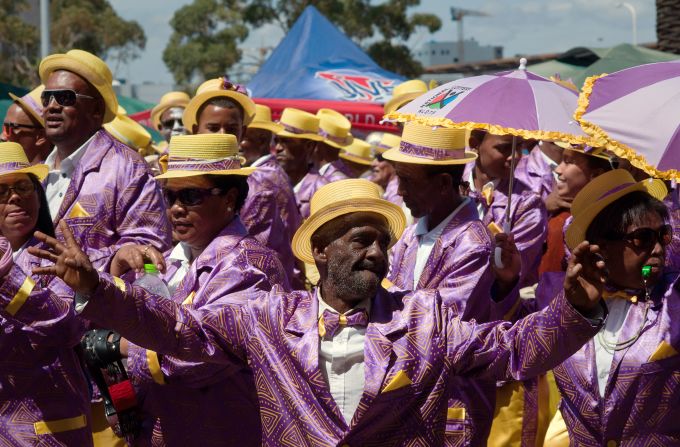
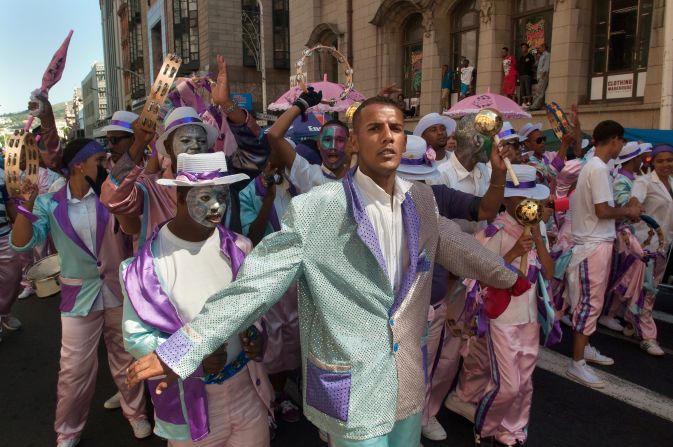
The minstrels' parade kicked off in the morning, as performers marched through the city dressed in colorful uniforms and carrying umbrellas.
RODGER BOSCH/AFP/Getty Images
Cape Town Minstrel Carnival —
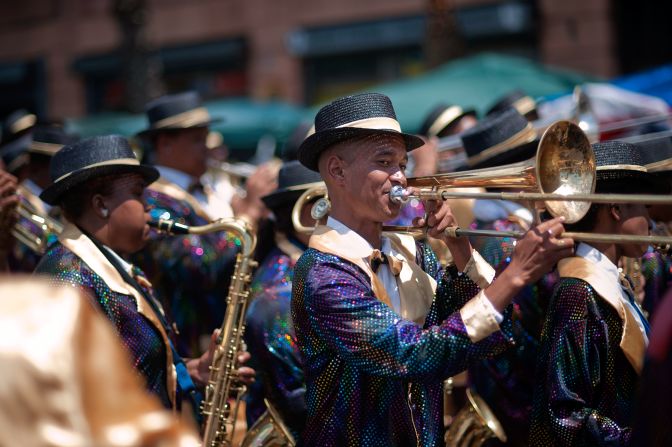
A wide variety of instruments, including trumpets, saxophones and banjos, accompany the parading troupes across the city.
RODGER BOSCH/AFP/Getty Images
Cape Town Minstrel Carnival —
"(It) may be compared to Mardi Gras in New Orleans and Rio de Janeiro, or the Notting Hill Carnival in London," says South African author MIchael Hutchinson.
RODGER BOSCH/AFP/Getty Images
Cape Town Minstrel Carnival —
Each troupe prepares for the annual parade well in advance, rehearsing their routines months before the parade.
RODGER BOSCH/AFP/Getty Images
Cape Town Minstrel Carnival —
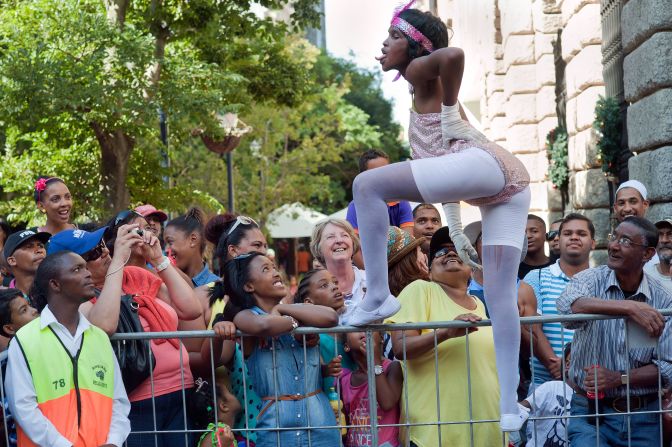
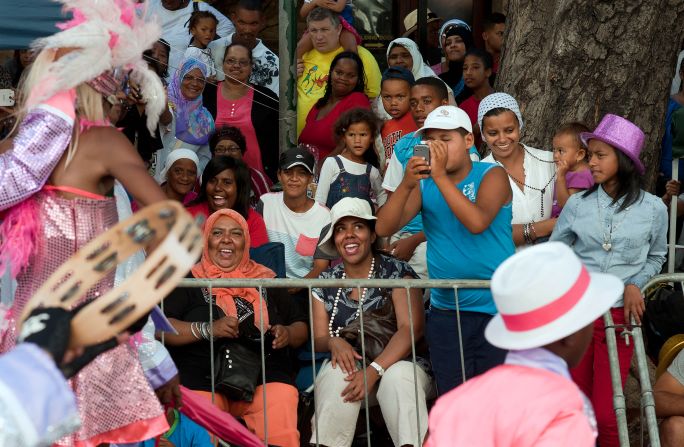
Enthusiastic onlookers lined the streets of central Cape Town to cheer performers and take part in the festivities.
RODGER BOSCH/AFP/Getty Images
Cape Town Minstrel Carnival —
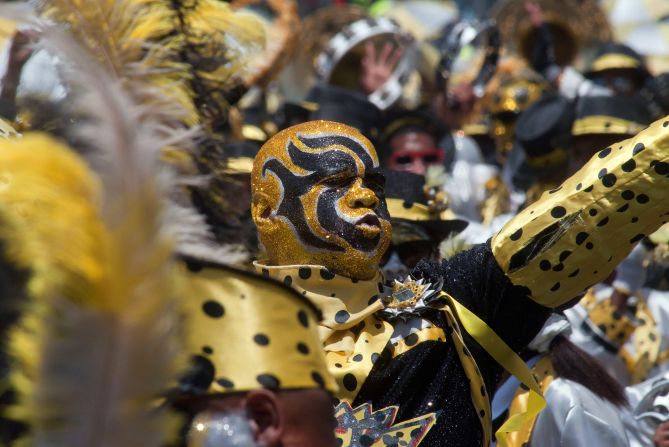
Donning ornately painted faces, the minstrels sung and danced to the beat of traditional ghoema drums.
RODGER BOSCH/AFP/Getty Images
Cape Town Minstrel Carnival —
The event is deeply rooted in the culture of the Cape Malay population and its origins can be traced back to South Africa's colonial period.
RODGER BOSCH/AFP/Getty Images
Cape Town Minstrel Carnival —
"The story goes that Tweede Nuwe Jaar was the day on which the Malay slaves were given time off because their masters celebrated on New Year's Day," says Hutchinson.
RODGER BOSCH/AFP/Getty Images
Cape Town Minstrel Carnival —
Members of the public watch performers take part in the carnival on January 2.