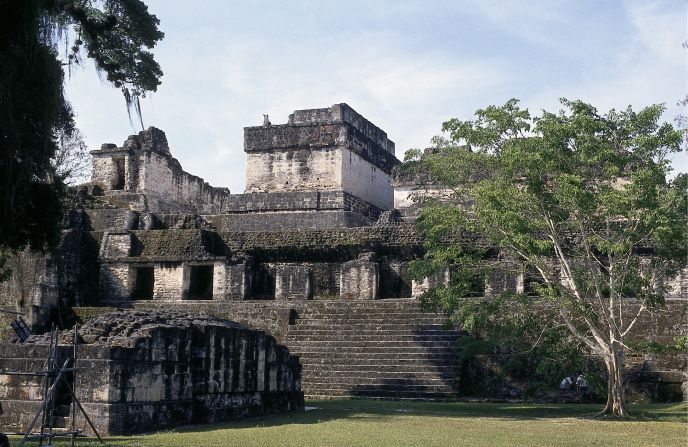
When the Pacific Ocean altered rainfall patterns around the world, the subsequent climate shifts coincided with the fall of Mayan civilization, researchers said, occurring after the peak in A.D. 900. This is the Mayan temple complex at Tikal, Guatemala.
Independent Picture Service/UIG via Getty Images
Climate change and human conflict —
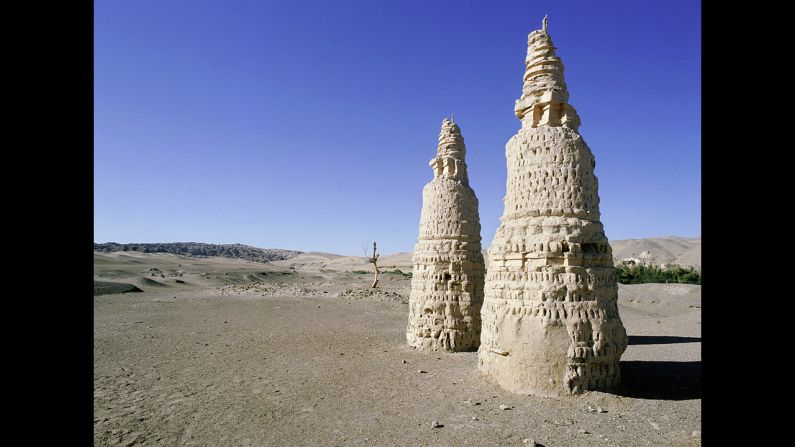
The Tang dynasty also fell during a time of dryness associated with the same event coinciding with the end of Mayan civilization. Dunhuang was a vital command post on the Silk Road during China's Tang dynasty, which ended about A.D. 906.
Werner Forman/Universal Images Group/Getty Images
Climate change and human conflict —
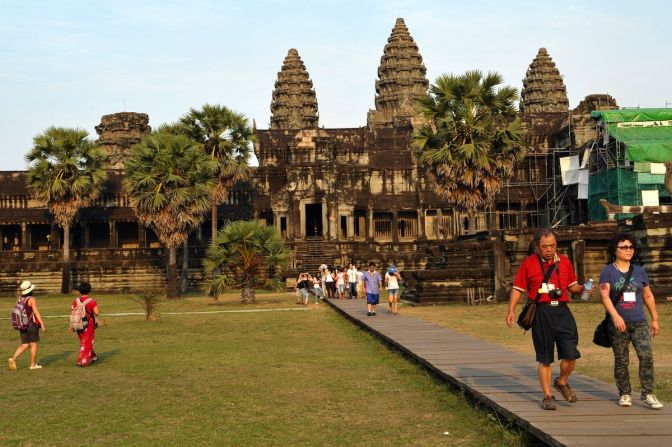
Based on tree rings in Vietnam, scientists determined that there were serious droughts before the collapse of the Angkor kingdom. Shown here are temples of Angkor Wat in Cambodia; there are more than 100 temples in the area built between A.D. 802 and 1220.
TANG CHHIN SOTHY/AFP/Getty Images
Climate change and human conflict —
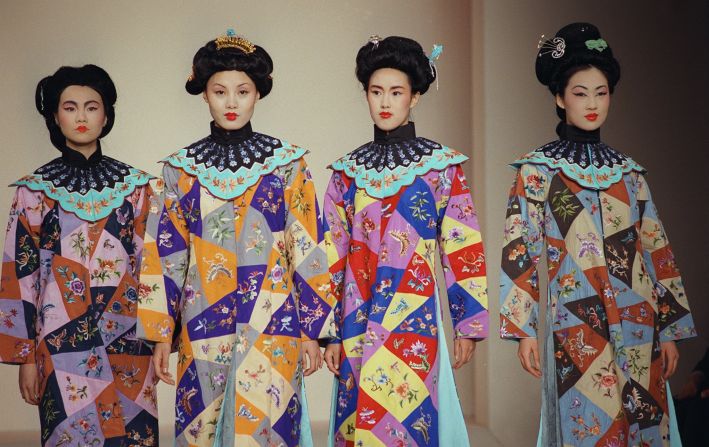
Models wear re-created robes from China's Yuan dynasty, which lasted from A.D. 1279 to 1368. The area shares the same climate as Angkor, which collapsed about the same time.
STAN HONDA/AFP/Getty Images
Climate change and human conflict —
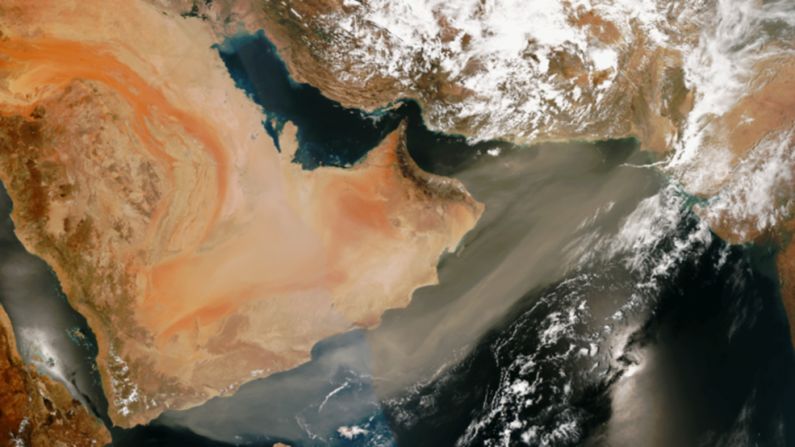
The Akkadian empire -- about 2350 to 2150 B.C. -- collapsed around a time of dryness, as indicated by continental dust that was blown from Mesopotamia into the Gulf of Oman.
NOAA
Climate change and human conflict —
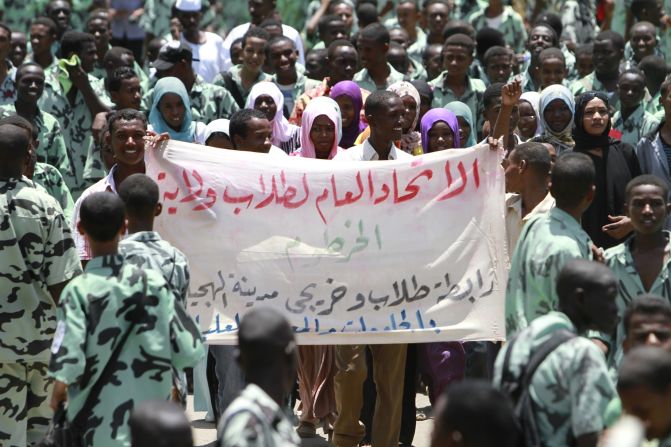
Members of Khartoum's student union demonstrate in 2011 in Sudan. This is a region where conflicts may have been associated with El Nino Southern Oscillation, according to researchers.