Your effort and contribution in providing this feedback is much
appreciated.
Close
Ad Feedback
How screening movies has changed
How screening movies has changed —
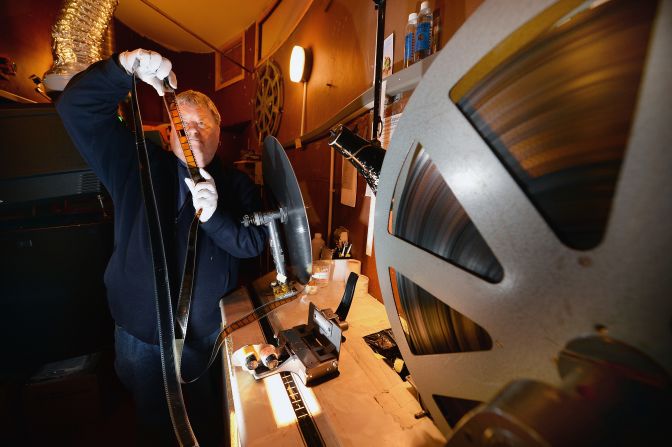
When you go to the movies, you may imagine someone like this guy in the projection booth: Russell Carroll, general manager of the Picture House theater in Campbeltown, Scotland. More likely, however, today's projection booth is unmanned, occupied only by digital projectors and hard drives.
Jeff J Mitchell/Getty Images
How screening movies has changed —
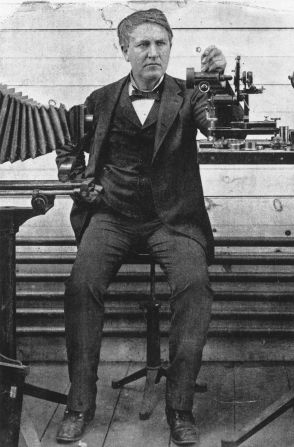
Inventor Thomas Edison and his associates are credited with a number of motion picture innovations, including the Kinetograph and Kinetoscope, forerunners of cameras and projectors.
Getty Images/Archive
How screening movies has changed —
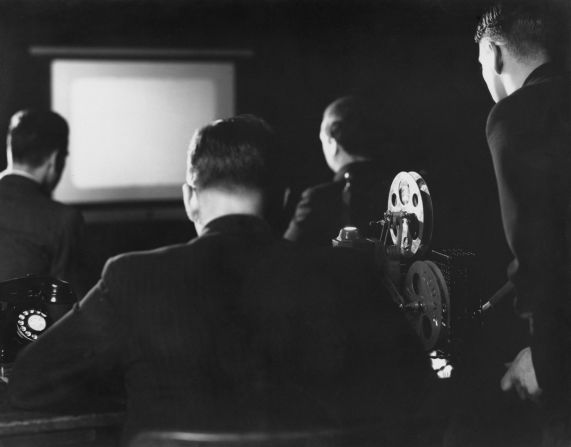
A Kodak projector is used for a private screening in 1937. Until recently, showing a feature film required knowledge of how to thread a projector and swap reels at just the right moment.
Fox Photos/Hulton Archive/Getty Images
How screening movies has changed —
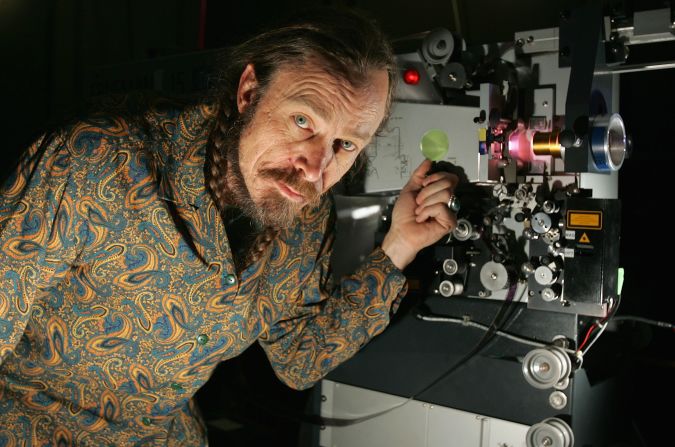
By the mid-2000s, digital movies began to encroach on film projection. But Peter Halter was still threading film through his projector during the 2005 Sundance Film Festival in Park City, Utah.
Mark Mainz/Getty Images
How screening movies has changed —
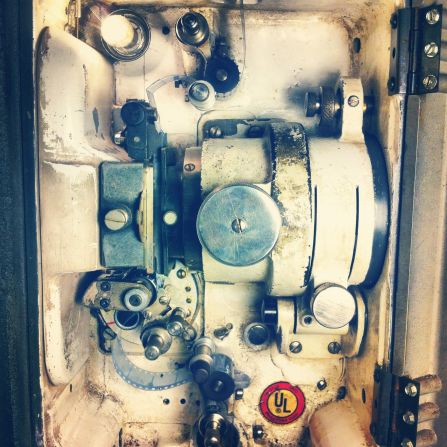
The inside of a Century JJ film projector, showing the gate and trap. Atlanta's Landmark Midtown Art Cinema, which used this projector, went digital last fall.
Courtesy Kevin Ward
How screening movies has changed —
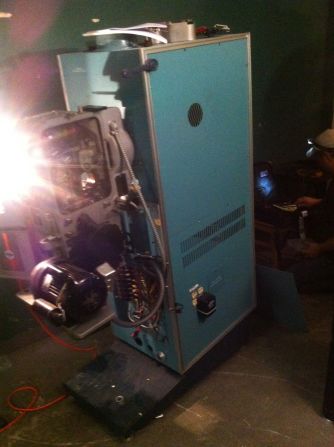
A Christie CK20-CC20 lamp house with a Strong Simplex PR1014 projector head is removed during the Landmark Midtown's conversion to digital equipment.
Courtesy Kevin Ward
How screening movies has changed —
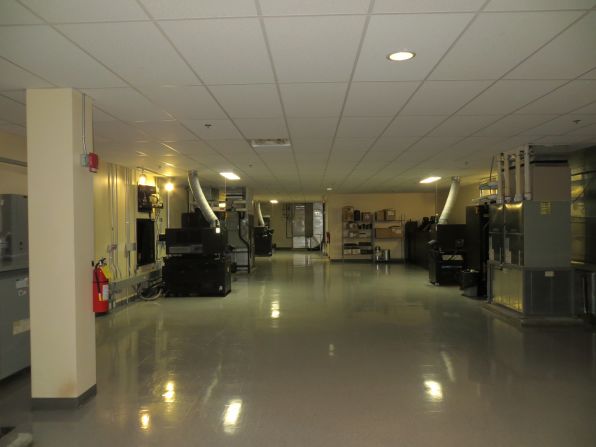
Today, the projection room at many multiplexes, such as Atlanta's Regal Atlantic Station 16 theater, is a wide corridor featuring digital projectors (large black boxes, like the one on the left) and servers.
Todd Leopold/CNN
How screening movies has changed —
Films no longer arrive on reels. Instead, they're shipped as enormous files on hard drives, ready to be ingested into a theater's system.
Todd Leopold/CNN
How screening movies has changed —
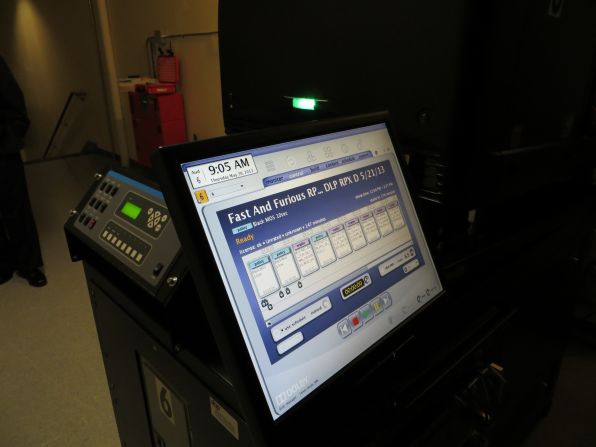
A touchscreen at Regal's Atlantic Station theater in Atlanta shows the status of "Fast and Furious 6," which is running in the complex's "premium" auditorium.
Todd Leopold/CNN
How screening movies has changed —
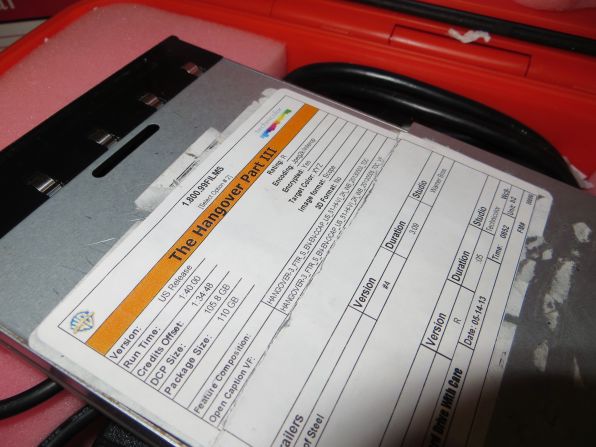
The hard drive for "The Hangover Part III" shows the 110GB file size, running time and other data.
Todd Leopold/CNN
How screening movies has changed —
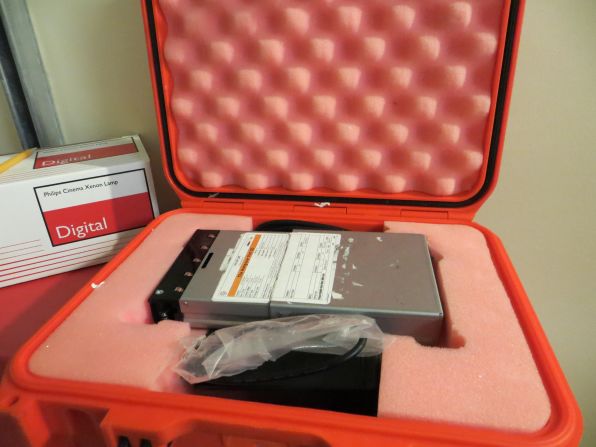
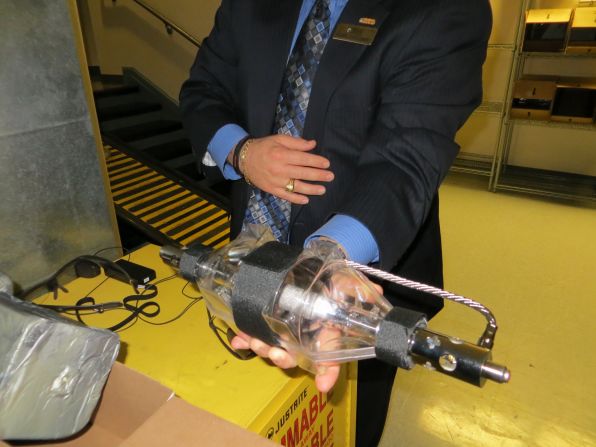
The xenon bulbs used in digital projectors are amazingly bright, sometimes costly and definitely fragile.
Todd Leopold/CNN
How screening movies has changed —
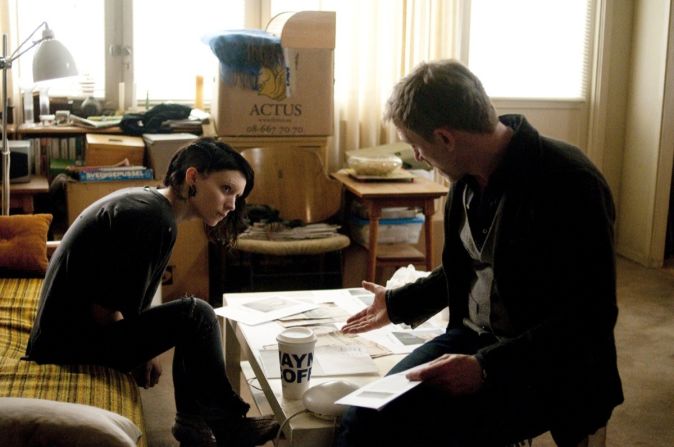
The English-language version of "The Girl with the Dragon Tattoo" was shot on digital by cinematographer Jeff Cronenweth, who says: "The proudest comment I get is, 'What did you shoot "Dragon Tattoo" on?' To me, if you can't tell, we're getting much closer."