Your effort and contribution in providing this feedback is much
appreciated.
Close
Ad Feedback
Pipers at the gates of dawn
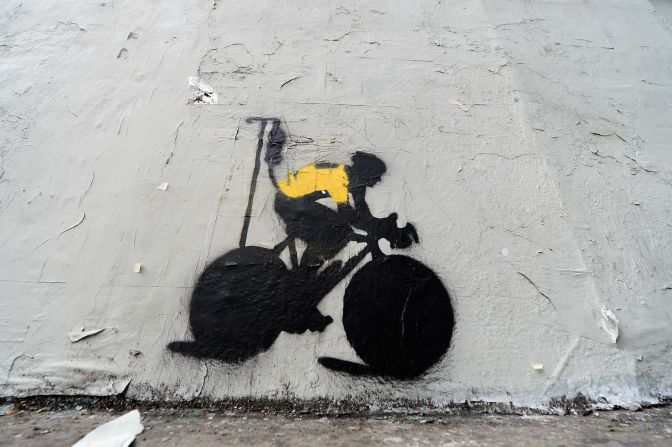
Another brick in the wall —
For months now the world of sport has lurched from one doping crisis to another. The most high profile was Lance Armstrong's confession on Oprah that he had, after years of denials, been doping all along.
Kevork Djansezian/Getty Images
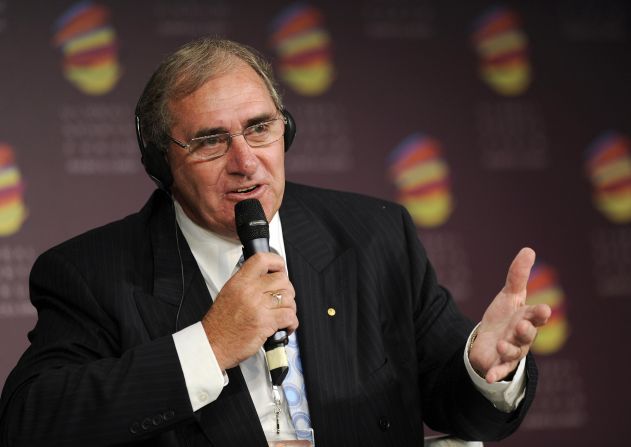
Not now John —
Also under the spotlight have been the various regulatory bodies charged with catching drug cheats. CNN spoke to WADA president John Fahey about the on-going doping revelations in cycling.
Lluis Gene/AFP/File
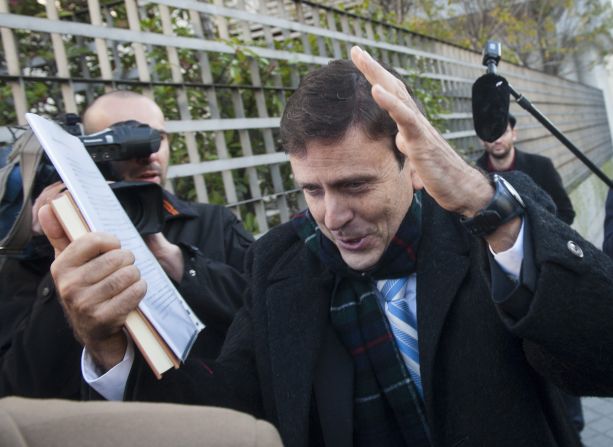
Take up thy stethoscope and walk —
Fahey spoke about the ongoing Operation Puerto case in Madrid. Dr. Eufemiano Fuentes is accused of running a blood doping network for many top cyclists.
Dani Pozo/Getty Images Sport
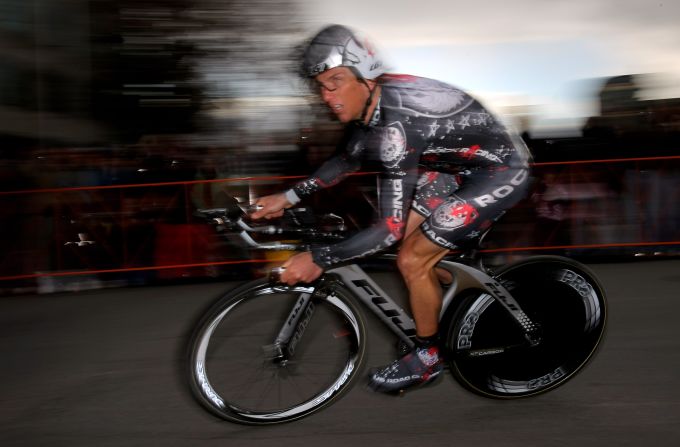
A new machine —
This week sees the testimony of Tyler Hamilton, a former teammate of Armstrong. Hamilton's book 'The Secret Race' detailed his own experiences of doping.
Doug Pensinger/Getty Images Sport/File
Burning bridges —
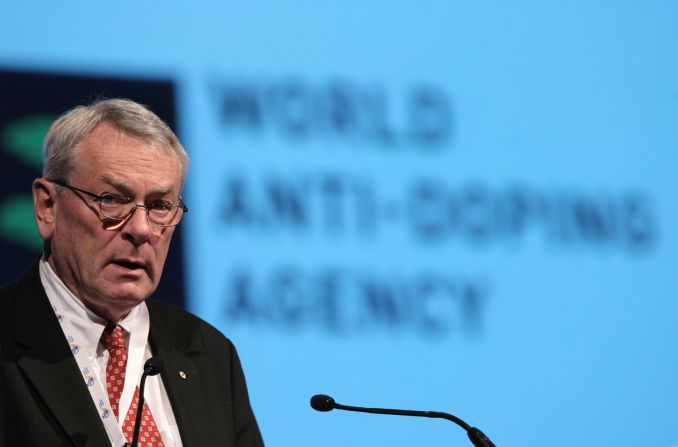
WADA has long been at odds with the UCI, cycling's governing body. Former WADA president Dick Pound earned the wrath of both the UCI and Lance Armstrong during his time as World Anti-Doping Agency president after constantly questioning the use of drugs in cycling. Although Pound's views have since been fully validated, he still warns that not enough is being done to combat doping.
Getty Images
A saucerful of secrets —
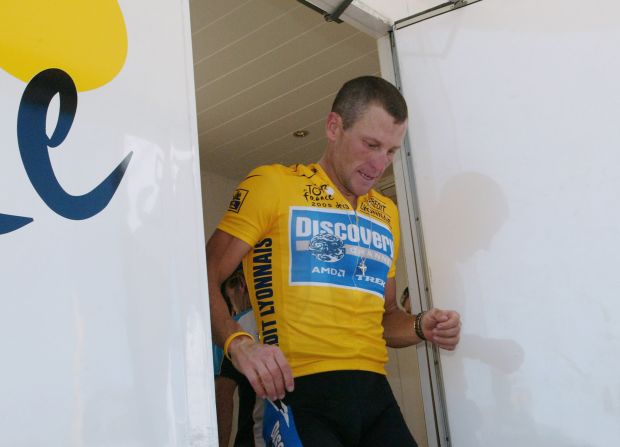
Despite taking over 200 drug tests, Armstrong -- seen here leaving an anti-doping control center during the 2005 Tour de France -- never recorded a positive result, prompting some to question the real nature of modern-day sport.
Getty Images
Run like hell —
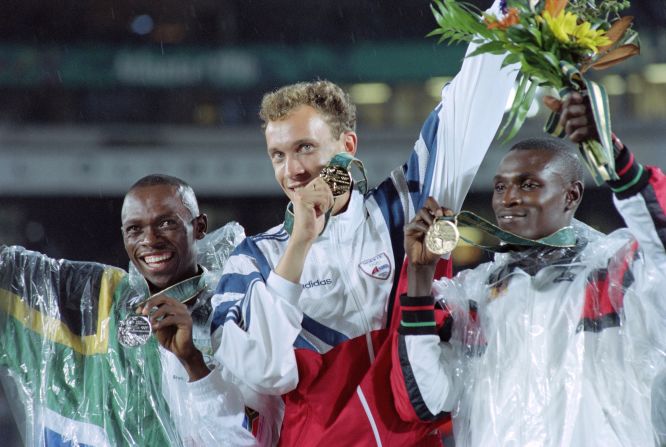
Cycling is far from the only sport with a doping problem. South African runner Hezekiel Sepeng (left), who won silver in the 1996 Olympic 800m final but was later banned for using an anabolic steroid, now says dopers are like "thugs, stealing from those who are clean and taking their opportunity." He currently coaches aspiring youngsters in his homeland.
Getty Images
Us and them —
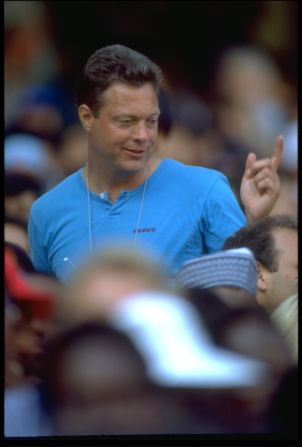
Ben Johnson's late coach Charlie Francis -- seen here moments after the Canadian sprinter won the 1988 Olympic 100m final -- insisted that his charge, who was later stripped of his title for drug abuse, had to dope to literally keep pace with his rivals.
Getty Images
East Germany legacy —
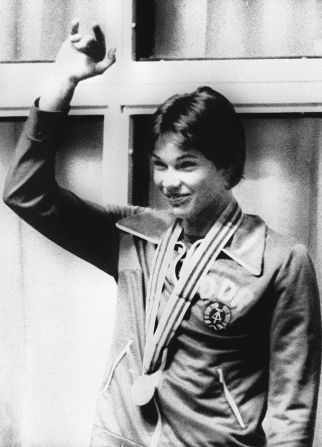
East German swimmer Rica Reinisch shot to fame when winning three golds in the 1980 Olympics at the age of 15. To her dismay, she later learned she had been doped by the Stasi -- with testosterone-based steroids that enlarged her ovaries and caused two miscarriages. Now a mother of two, she regrets never knowing how she would have done without drugs.
AFP/Getty Images
Shine on you crazy diamond —
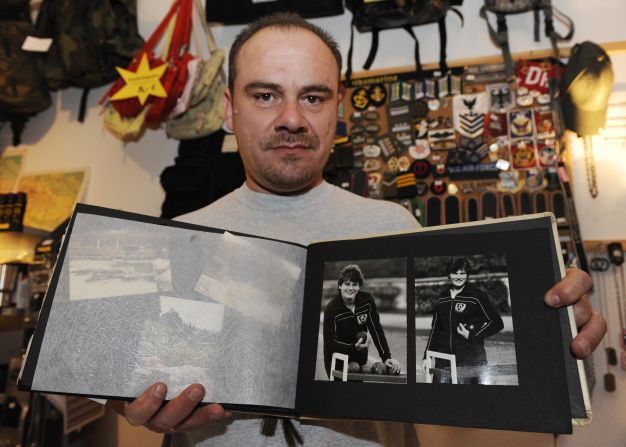
Andreas Krieger is surely the most visible face of the government-backed East German doping program, having won gold in the women's shot put at the 1986 European Championships. Unwittingly pumped full of anabolic steroids, Heidi Krieger was so confused about her sexuality she "didn't know who (she) was anymore" -- and eventually had a sex change in 1997. Krieger is now an ardent anti-doping campaigner.