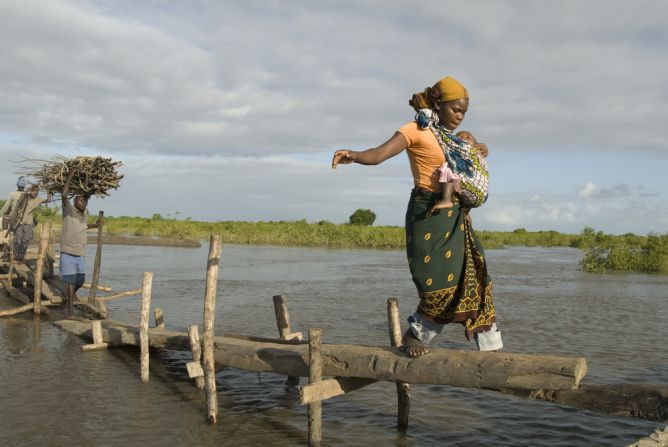
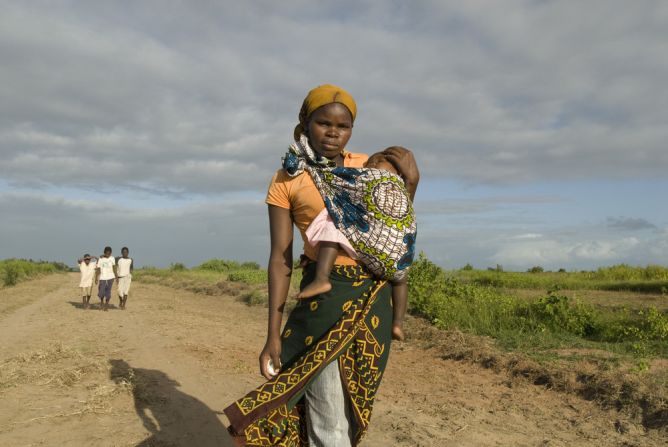
Sandimhia Renato in Mozambique is one of an estimated 2.5 billion people worldwide who lack access to adequate sanitation. Without sufficient toilets, Sandhimhia has to leave the village and cross this bridge to find a discrete place to defecate amongst the bushes.
Courtesy WaterAid/ Eva-Lotta Jansson
This year, international aid agencies are highlighting the particular risk to women of a lack of access to toilets. Sandhimia knows women who have been sexually attacked and killed making the same journey as her after dark.
Courtesy WaterAid/ Eva-Lotta Jansson
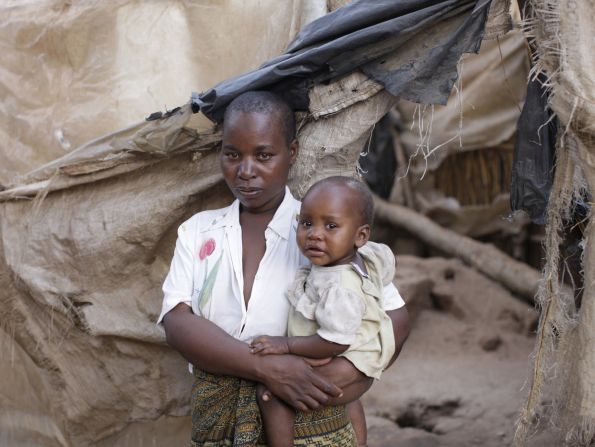
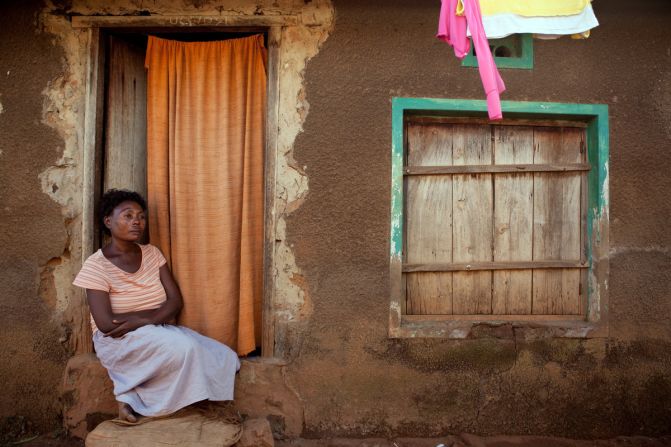
In many cultures, it is not acceptable for women to be seen going to use a toilet. Attempting to defecate in secrecy makes women more vulnerable to danger and attack. Patuma Mbande (pictured) in Malawi shares a communal latrine with 14 other people: "I use the toilet at night, but I worry because there is no path to the toilet, I worry that people will attack me. During the night the children are afraid to use the toilet so they go outside the house and I have to sweep it up and take it to the toilet."
Courtesy WaterAid/Layton Thompson
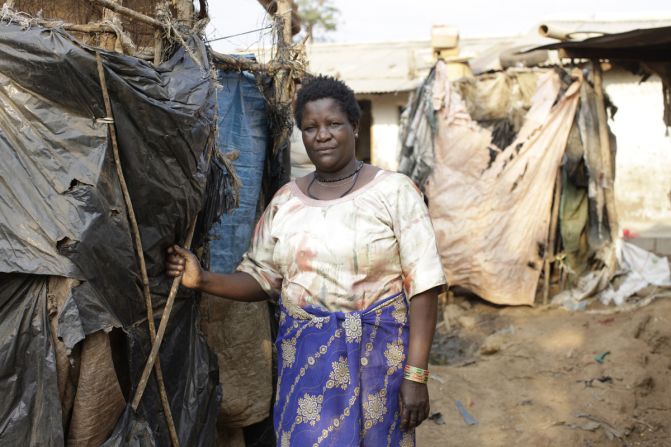
Lines Napolo shares a similar latrine in the same village. She says: "There is also no privacy, there are many holes, I have to use my chitenge and wrap it round the outside to get any privacy. People peep in, especially children. The toilet is on a pathway where a lot of people pass by, men often peep in when they go past."
Courtesy WaterAid/Layton Thompson
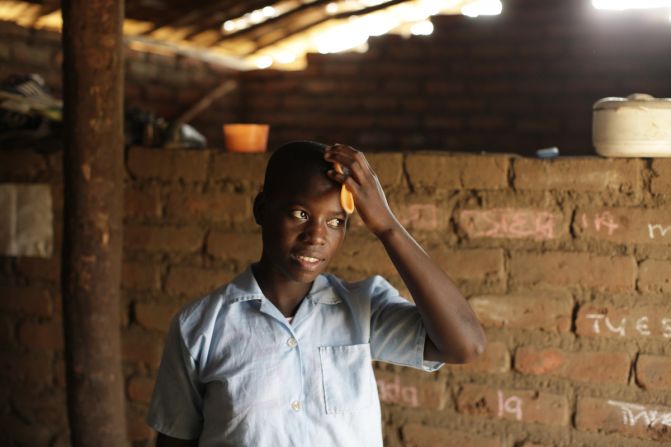
"Women and girls have particular sanitation needs when they are menstruating which are rarely discussed as menstruation remains a taboo in many cultures," explains Catarina de Albuquerque, the United Nations Special Rapporteur on the human right to safe drinking water and sanitation. The ability to engage in a wide variety of activities -- including gaining an education -- is restricted in areas that lack sanitation facilities which ensure women's privacy.
Courtesy WaterAid/Layton Thompson
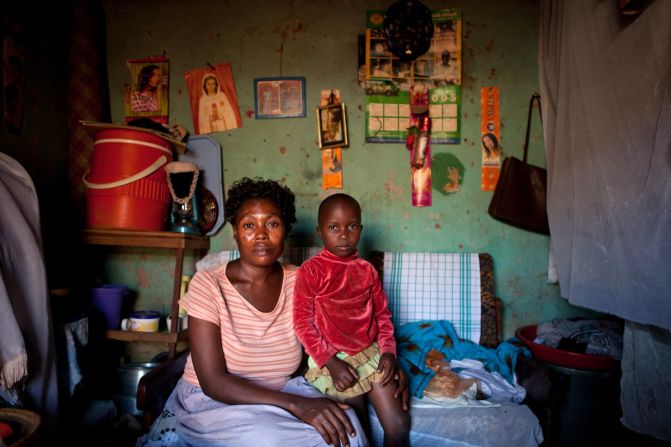
Christine Mbabazi's son died of cholera. With nowhere else to go, most inhabitants of Kawempe, Uganda are forced to simply defecate on the ground among their houses. "During the rainy season the drains get flooded, the toilets get flooded - everything floods. The kids get diseases -- malaria, cholera, diarrhoea. They get sick because of the sanitation and hygiene situation," Mbabazi says.
Courtesy WaterAid/Benedicte Desrus
In Kawempe, the chairty WaterAid has constructed a number of Water, sanitation and hygiene (WASH) facilities including public toilets and drainage channels and is working to empower residents of the slum to demand services from government.
Courtesy WaterAid/Benedicte Desrus
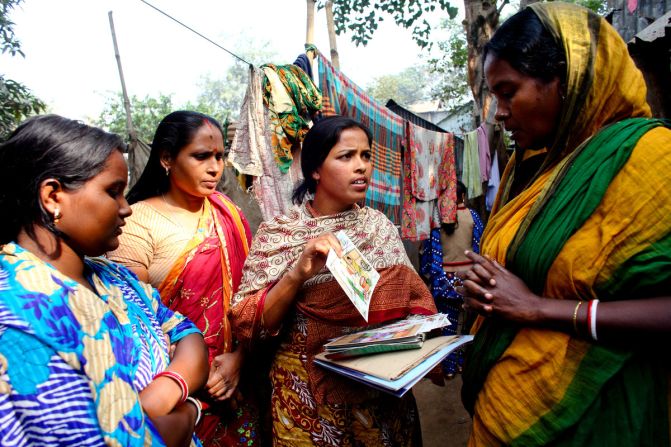
Shamola Rani Mondol (center) in Dhaka, Bangladesh, is a local WASH committee member. All nine members of the committee are women who teach others in the community about hygiene. She says: "The men respect us more now. Nowadays when we go anywhere the men give us seats with honor and they say that the women are able to do lots of things. Now the men are happy with the women's work."
Courtesy WaterAid/ GMB Akash/ Panos
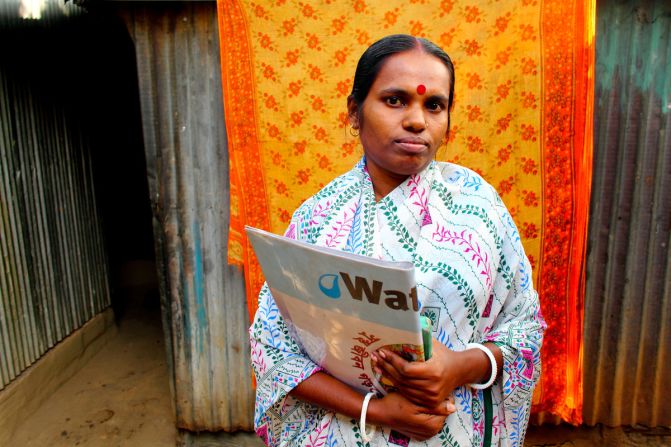
Alo Rani Mondal in Dhaka, Bangladesh has been a hygiene educator for WaterAid for four years. "I visit the same houses and tell them the necessity of washing your hands and using shoes to go to the toilet. I tell them how many times and when they should wash their hands. I feel like people listen to me and I feel happy because they are listening to me," she says.
Courtesy WaterAid/ GMB Akash/ Panos
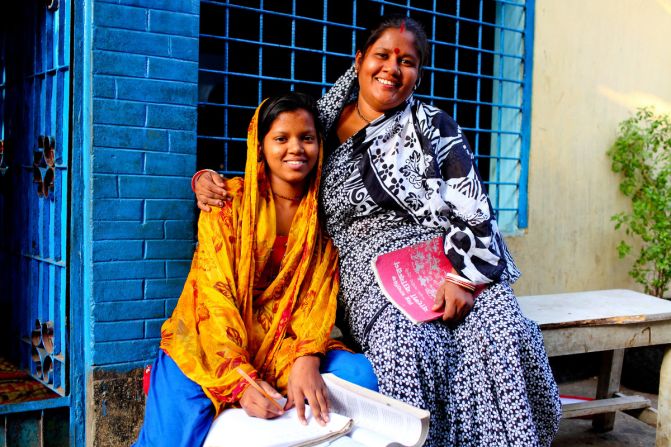
Bashona Sharkar and her daughter Tithi live in Dhaka, Bangladesh. Bashona says that the improvement in sanitation has allowed her daughter to get an education: "Before this situation, I don't think I could send my child to this school. We used to spend lots of money on doctors because of the poor sanitation ... but now we can spend more money sending our children to school and college."