Your effort and contribution in providing this feedback is much
appreciated.
Close
Ad Feedback
Ad Feedback
The 1972 Munich massacre
The Munich massacre —
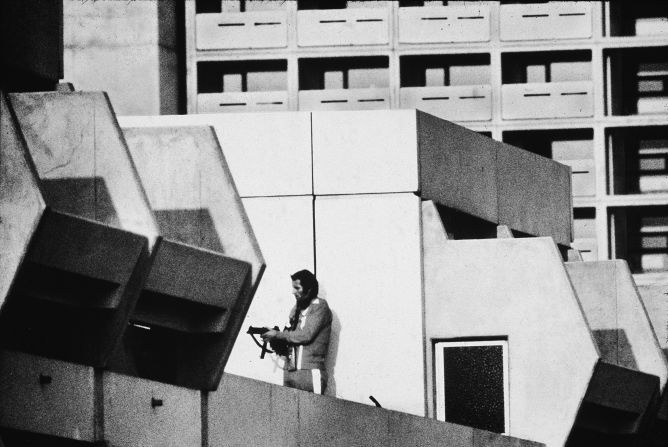
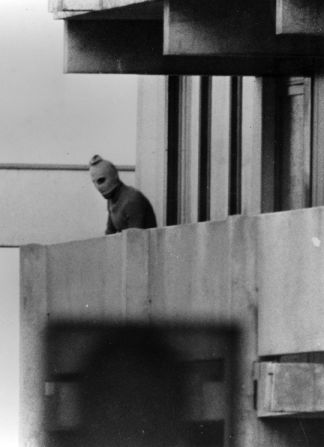
On September 5, 1972, the world woke up to images of the Munich Olympics in the throes of a hostage crisis. Two Israeli athletes had been killed and nine taken hostage by members of Black September, a Palestinian terrorist movement demanding the release of political prisoners by the Israeli government.
Hulton Archive
Munich 1972 begins —
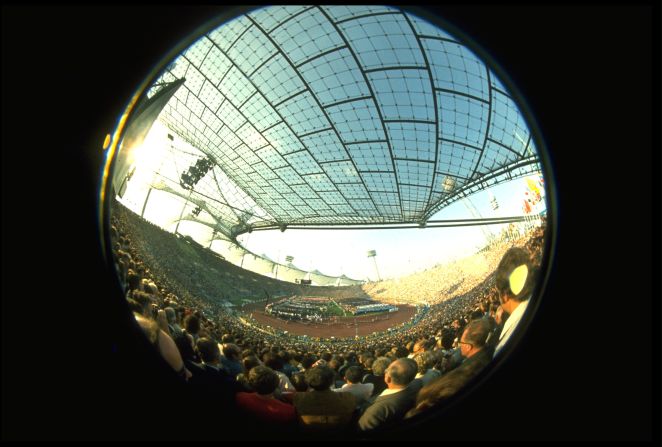
Forty years ago, the Munich Olympics had begun full of hope. Coming just 27 years after the end of World War II, it gave the new, democratic West Germany a chance to present a different face to the world.
Getty Images
A poignant return —
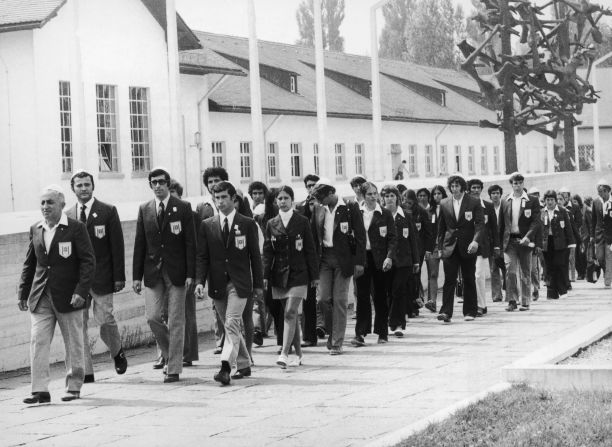
It was particularly poignant for the Israeli Olympic team, many of whom had suffered directly at the hands of the Nazis. The team marked their arrival with a visit to the Dachau concentration camp.
Hulton Archive
A relic from the past —
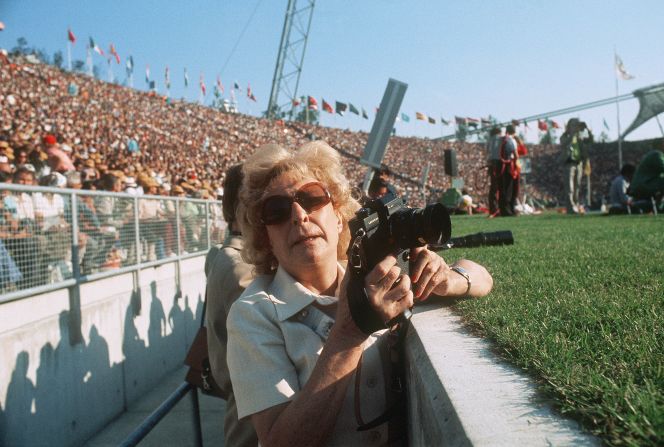
But there were still remnants of the past. Hitler's favorite movie maker and propagandist Leni Riefenstahl is pictured here at the Olympic stadium.
AFP/Getty Images
Under siege —
In a rush to show a demilitarized Germany, security around the Olympic village was lax. On September 4 the terrorist group entered the village and overpowered the Israelis. One was shot dead immediately while a second was killed soon after.
Getty Images
Crowds gather for news —
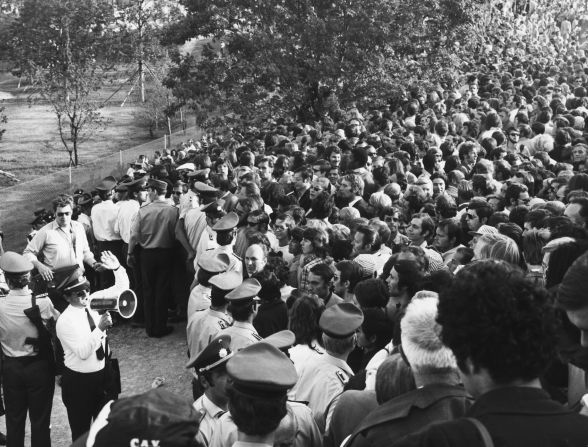
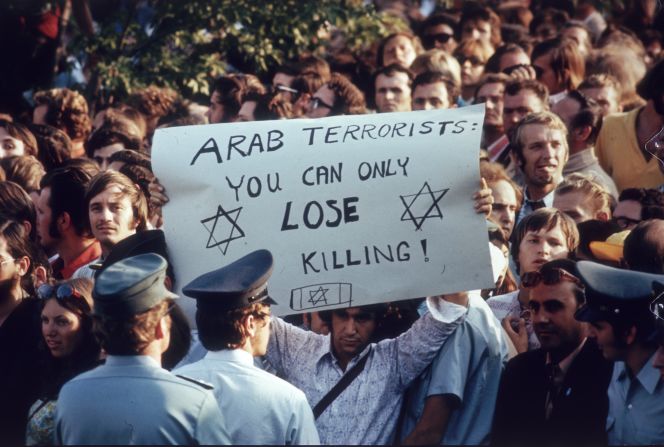
A tense standoff followed as Black September demanded the release of 200 political prisoners. The Israeli government refused to negotiate. The German authorities, who had no dedicated anti-terrorist response unit, floundered as the terrorists' deadline approached.
Hulton Archive
The end game —
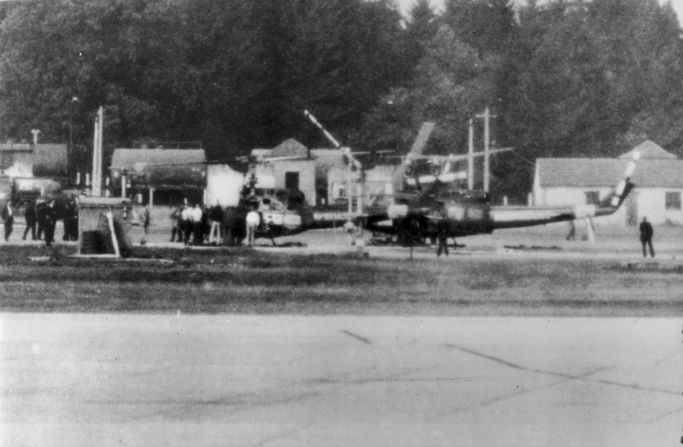
The remaining nine hostages were killed in a botched rescue mission. It later emerged that the German authorities had committed a series of blunders during the attempted rescue.
Hulton Archive
Munich continues —
The world, and the terrorists, had watched the crisis unfold live on TV. Many wanted the Games to be canceled, but the IOC refused. Competition restarted after a one day pause.
Hulton Archive
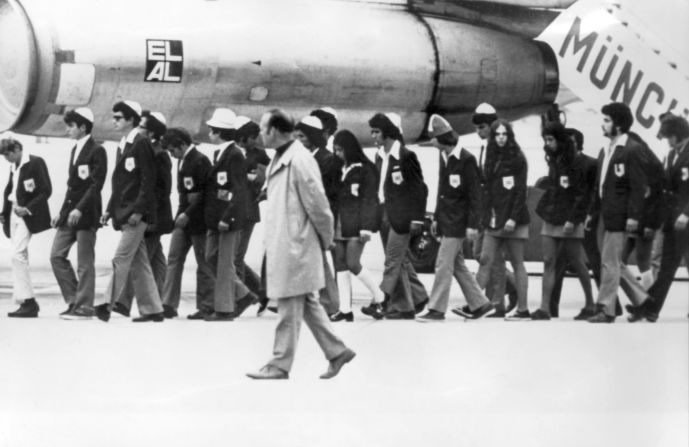
Israeli athletes leave —
The remaining Israeli athletes and officials returned home.
AFP/Getty Images
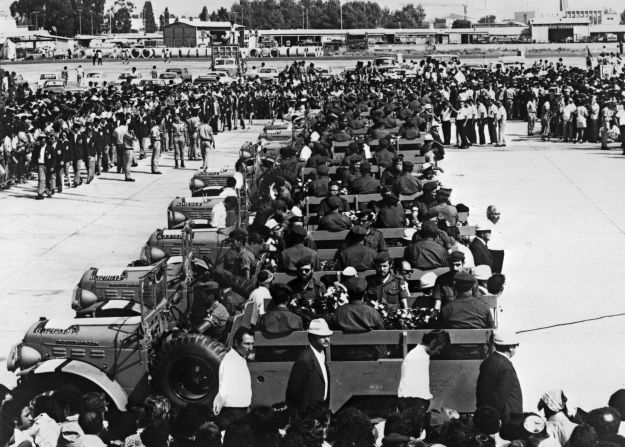
The return home —
The coffins of the dead athletes and officials followed with them.
AFP/Getty Images
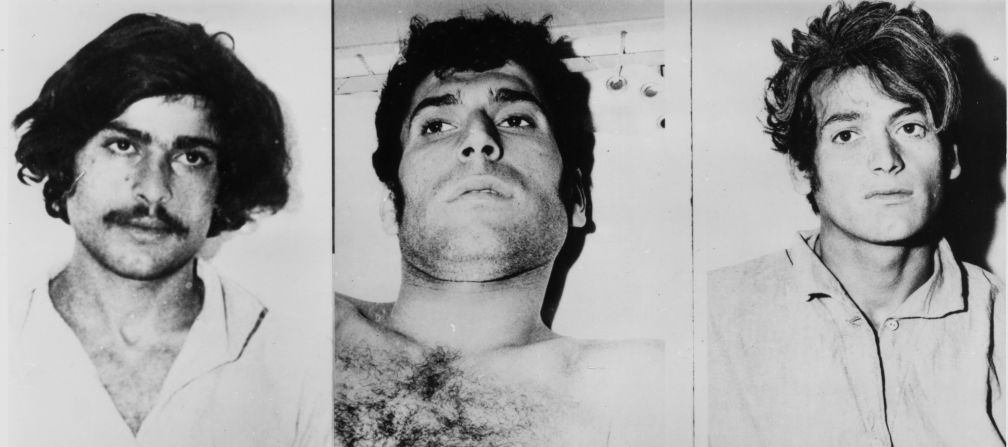
The mission —
Only three of the terrorists survived. Two were later killed, allegedly by Israeli intelligence in an operation to avenge the massacre. The mission was dramatized in the Steven Spielberg film "Munich." Only one is known to be alive today, Jamal al Gashey (right).
AFP/Getty Images
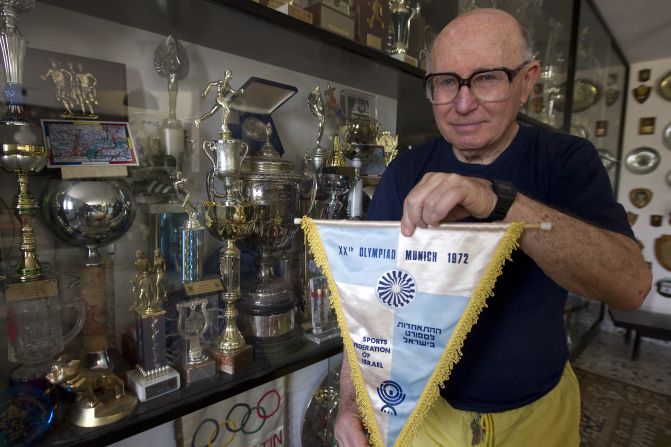
The survivor —
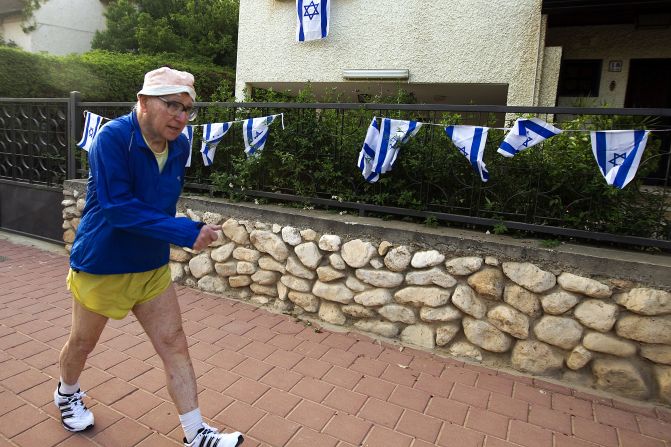
Shaul Ladany survived the massacre. He was a champion Olympic walker who had also survived the Holocaust as a child.
AFP/Getty Images
A moment for the dead? —
After Munich he became an academic and spent two spells in the Israeli military. At 76 years old he still walks 15 kilometers every day. He is baffled as to why the IOC refused a one-minute silence for the Israeli dead at London 2012's opening ceremony.