The story of 100 meters final at the 1988 Olympics | CNN
Thank You!
Your effort and contribution in providing this feedback is much
appreciated.
Close
Ad Feedback
The story of the 100 meters final at the 1988 Olympics
Race for the prize —
The 100 meter final at the 1988 Seoul Olympics remains one of the most infamous and fascinating moments in the games' history. The race was won in a world record time by Canadian sprinter Ben Johnson. But he was to be stripped of his medal and record under the shadow of drug use.
Getty Images
All-American hero —
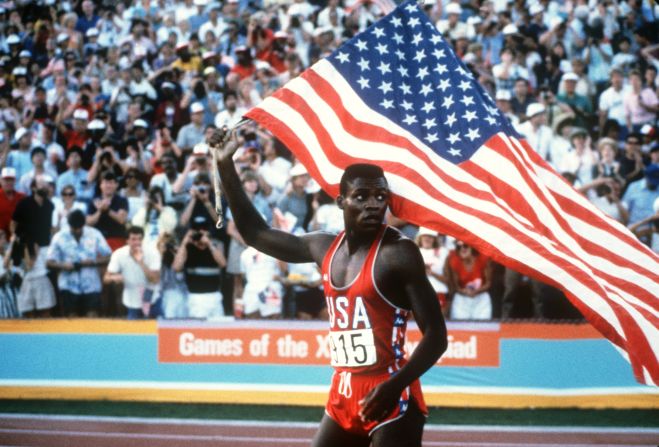
The story began long before that fateful day in 1988. It's 1984 and the Olympics -- blighted by boycotts, incompetence and financial ruin -- are on the verge being consigned to the dustbin of history. But before the Los Angeles Olympics an All American hero emerged: Carl Lewis.
AFP/Getty Images
A rivalry begins —
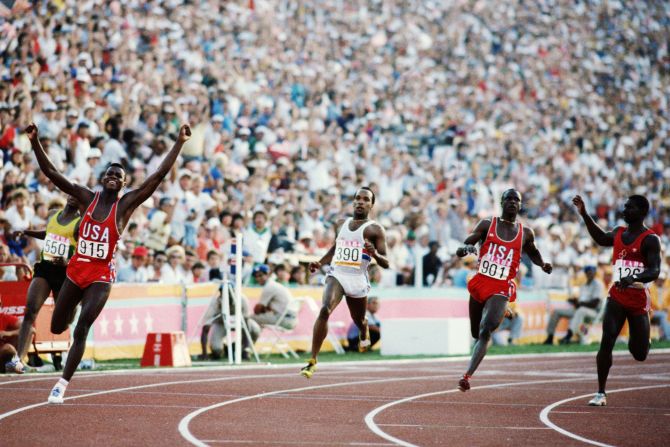
Lewis was the hero of L.A. Marketed as part athlete, part Michael Jackson he was the face of the first games to make a profit and propel the games in to a new commercial era. He won three gold medals, including here in the 4x100 meter final. Behind him in third place is unknown Canadian sprinter Ben Johnson who won bronze. A new rivalry was born.
Getty Images
The begining of the end —
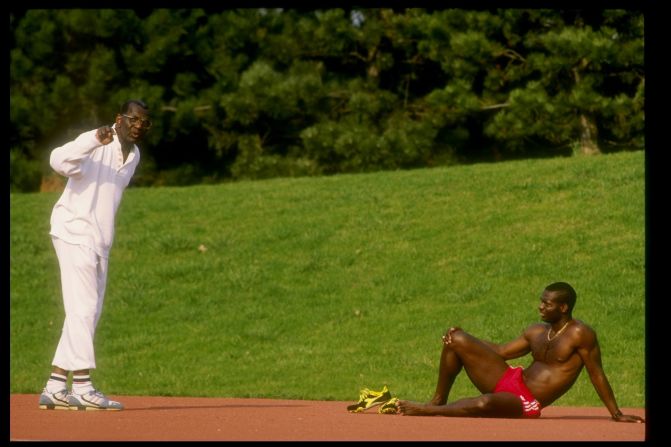
Lewis was the best in the world and a highly marketable commodity. But Johnson was emerging as a challenger -- and a threat -- to Lewis' undisputed crown. According to a new book The Dirtiest Race in History, it was during this time that Johnson -- under coach Charlie Francis started taking steroids. After eight straight defeats to Lewis, Johnson began regularly beating his American foe.
Getty Images
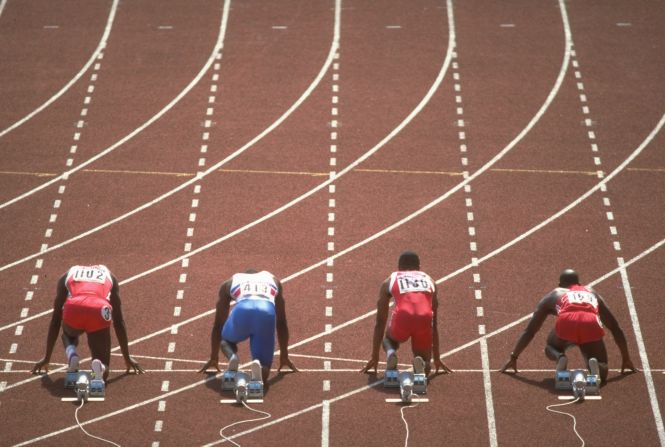
Starters orders —
The 1988 100 meters final was arguably the most anticipated in the sport's history. Johnson (far right) and Lewis (far left) were the favorites, along with Calvin Smith (second from right) from the U.S. and a young Linford Christie (second from left) from Great Britain.
Getty Images
Take off —
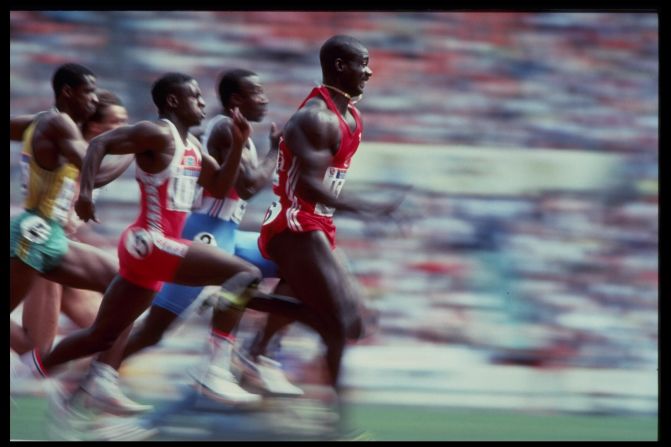
Johnson had already beaten Lewis four times the year before, and set a new world record at the World Championships in Rome. He was also renowned for having the fastest start on the track. The world watched in awe as Johnson exploded out of the blocks.
AFP/Getty Images
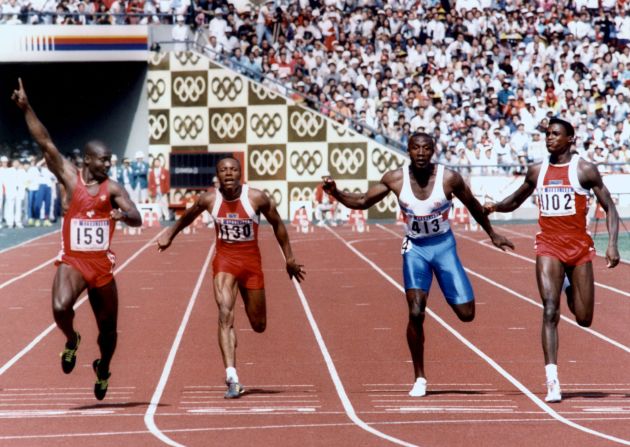
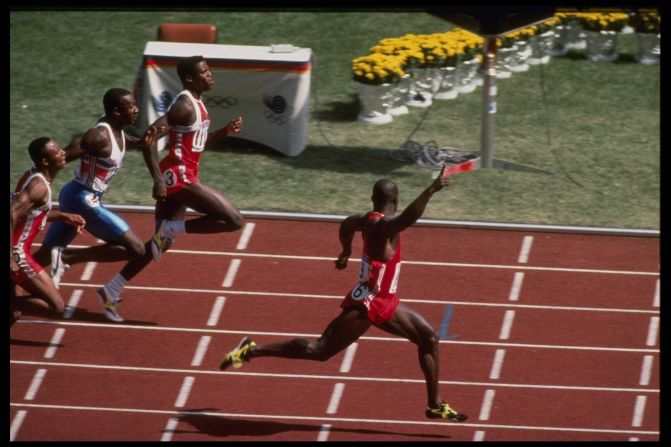
Gold for Canada —
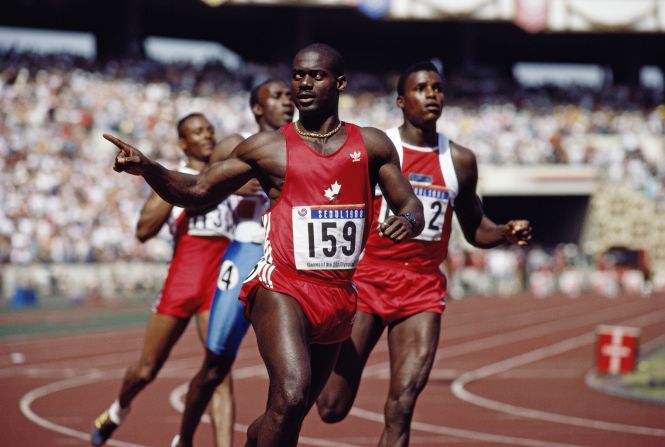
Ben Johnson smashed his own world record with a run of 9.79 seconds. He had blown Lewis, and the rest of the field, away. After his victory Johnson claimed he could have run even quicker if he had not triumphantly raised his right arm before crossing the finishing line.
Getty Images
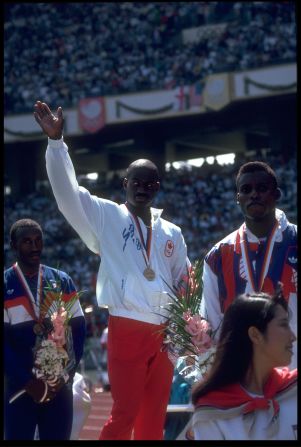
Top fo the world... —
For Johnson it was the pinnacle of a life's work. But it was not to last long as a South Korean journalist broke the story that Johnson had failed a drugs test after traces of the anabolic steroid Stanozolol were detected. Johnson was stripped of his medal, his record and his title from the previous year's World Championship. Lewis was handed the gold, Christie the silver and Calvin Smith the bronze.
Getty Images
The prodigal son returns —
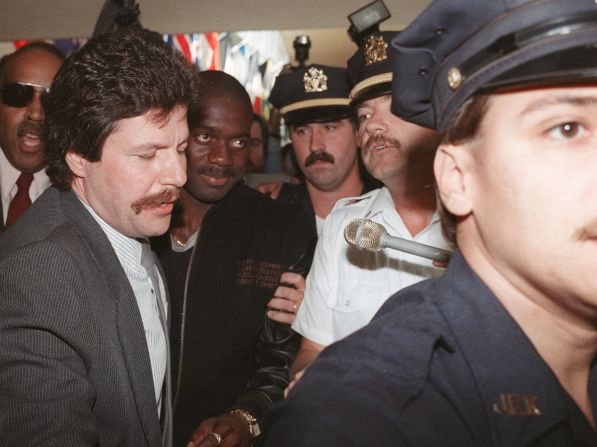
Johnson returned to Canada in disgrace. He would later claim that the reaction to his ban had a racial tinge. While he was a Canadian hero before the race, afterwards he was merely the Jamaican-born drugs cheat.
AFP/Getty Images
Confession of a drug user —
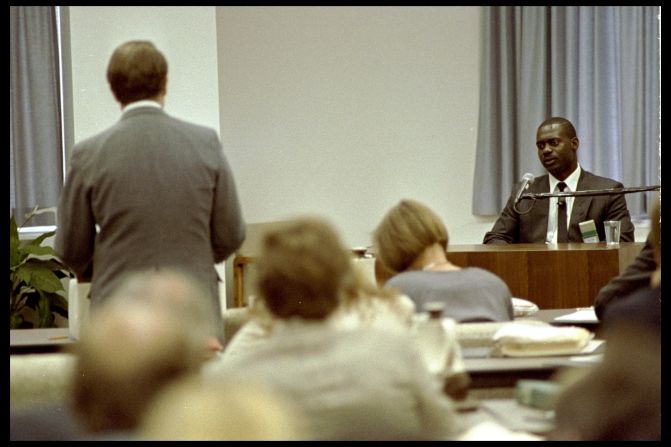
Canada was left in a state of shock by Johnson's ban, and set up the Dubin inquiry to look into the problem of drugs in sport. Johnson appeared at the hearing, which was televised live and kept a country transfixed. Johnson's coach Francis, who admitted that his sprinter had been using steroids for seven years, would claim that almost every athlete at the time was on drugs. Johnson, he claimed, was just the unlucky one who got caught.
Getty Images
An open secret —
Six of the eight finalists in Seoul would later fail drugs test or be implicated in their use. While before the race the IOC had largely been ambivalent on the issue, the embarrassment caused by the scandal lead to a new regime of drug testing.
Getty Images
Defending the title —
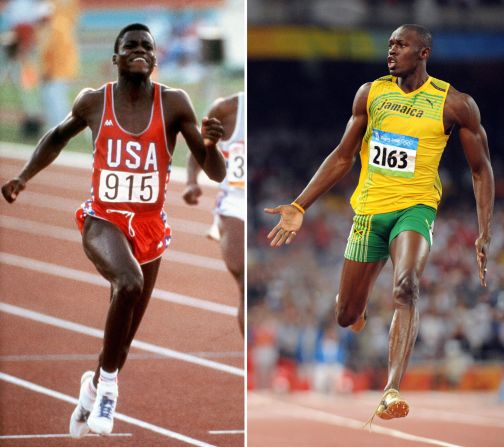
The scandal also detracted from Carl Lewis' achievements. He became the first man to defend a 100 meter Olympic title. At London 2012 Jamaican sprinter and world 100 meter record holder Usain Bolt will attempt to emulate the American.
AFP/Getty Images
London legacy —
Despite an attempted come back and even a spell as trainer for Colonel Gaddafi's son Saadi, Johnson remains a pariah. Lewis might not have become the Michael Jackson of track and field as was predicted but he remains one of the greatest Olympians of all time, having won nine gold medals and will be welcomed with open arms to London 2012.