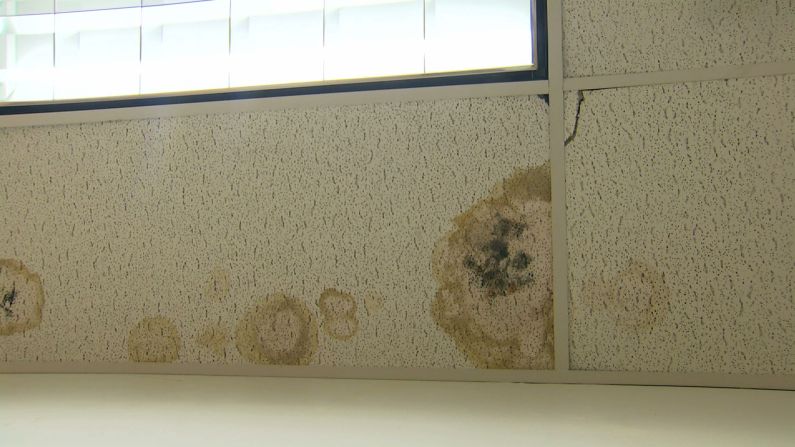
There are no federal health standards for school air, but here are five simple checkpoints for problems. Seeing or smelling mold is a trouble sign which must be addressed immediately. Cleaning it is insufficient, experts say. The moisture source must be found and eliminated.
2. Dust —
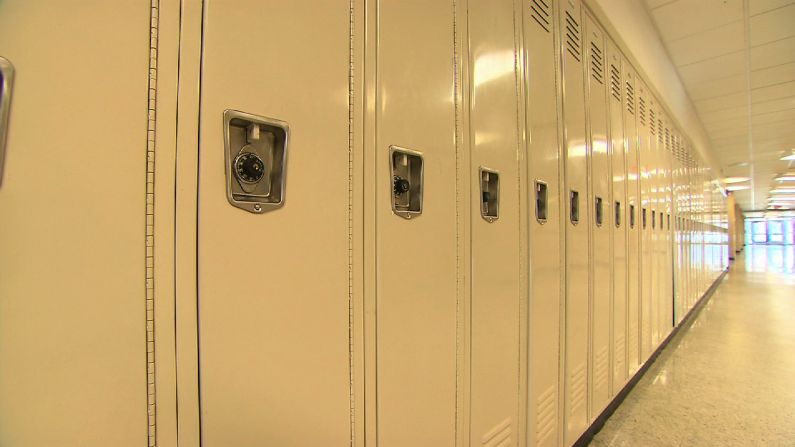
Check for dust -- a potential asthma trigger -- under lockers, in room corners and on top of bulletin boards. In a New York Health Department survey, 99% of elementary schools reported dust or reservoirs of dust in classrooms. Any signs of insects or rodents are also a red flag for unhealthy air.
3. Idling buses —
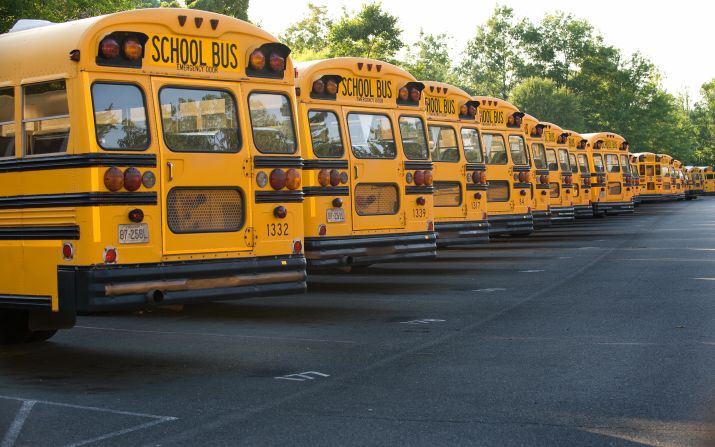
Harmful exhaust fumes can enter school buildings from buses and cars sitting outside schools with their engines idling. Fumes can enter through school doors and windows or via building air intakes.
AFP/Getty Images
4. Heating/air conditioning units —
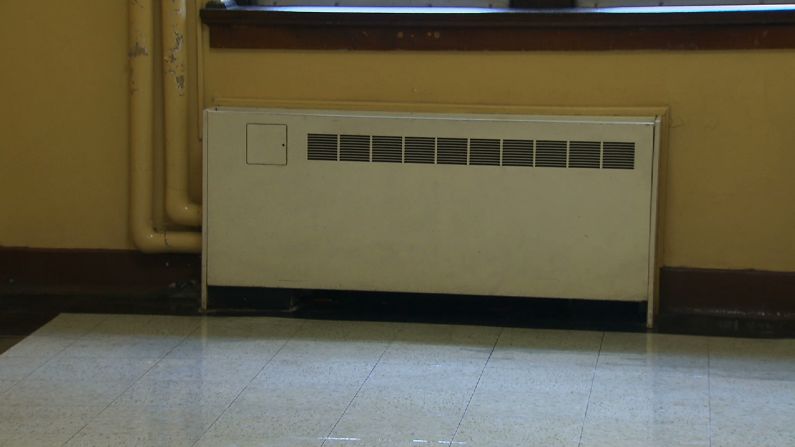
Papers or books can block vents for classroom heating and air conditioning units, reducing air flow and possibly causing condensation, which can lead to mold. In portable classrooms, heating/AC units should remain on. Teachers sometimes shut them off to cut noise, but this limits fresh air and reduces air quality.
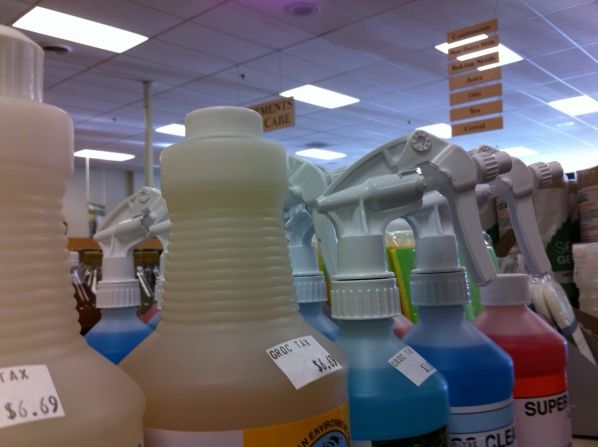
5. Certified green cleaning products —
Check whether the school district uses certified green cleaning products and teaching supplies. Also ask whether the school district is buying pressed-wood furniture that contains formaldehyde, which can trigger asthma and is considered a possible carcinogen.