The future of war: DARPA’s battle tech | CNN Business
Thank You!
Your effort and contribution in providing this feedback is much
appreciated.
Close
Ad Feedback
The future of war: DARPA’s battle tech
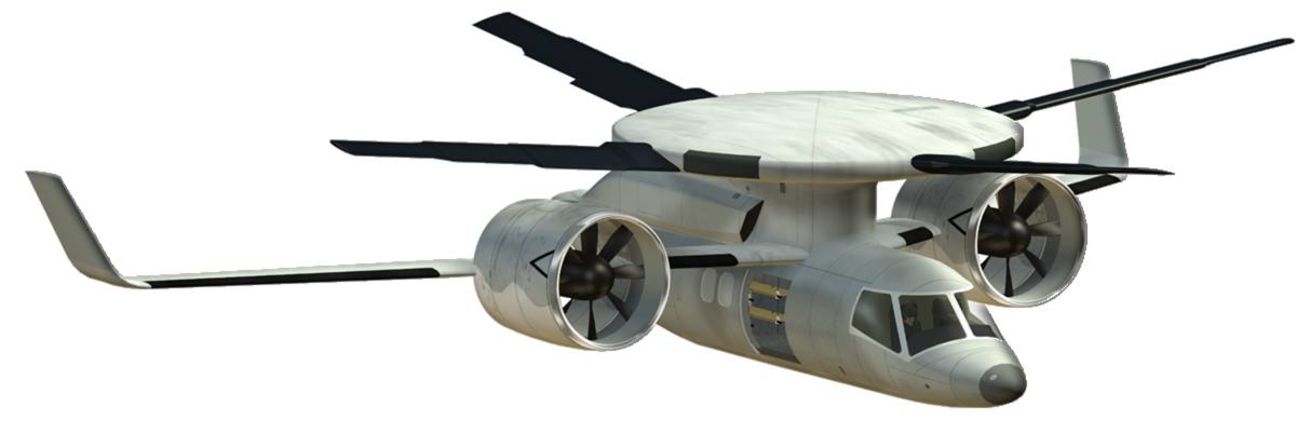
Disc-Rotor Compound Helicopter —
The Disc-Rotor program aims to develop a new type of aircraft capable of transitioning from hovering like a helicopter to flying like a plane (artist's impression).
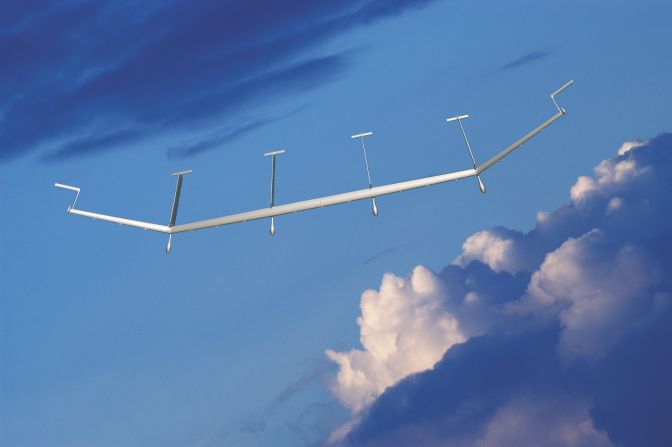
Vulture —
The Vulture program is developing the technology to enable an "airborne payload" to remain in the sky for more than five years at a time, performing intelligence, surveillance and communication missions (artist's impression).
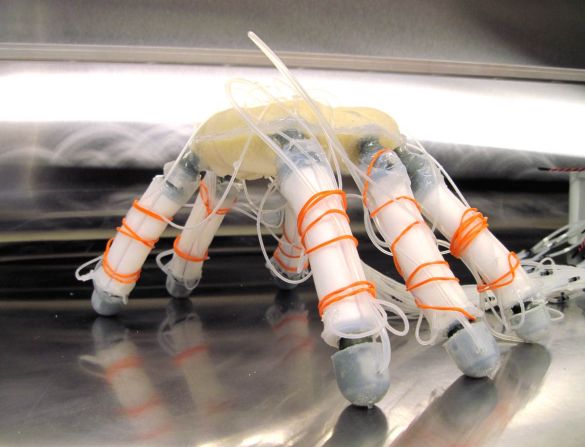
iRobot Chembot —
Tech company iRobot worked with DARPA for its "ChemBots" program. The aim was to build soft, flexible robots that could deform their bodies to move through openings smaller than themselves.
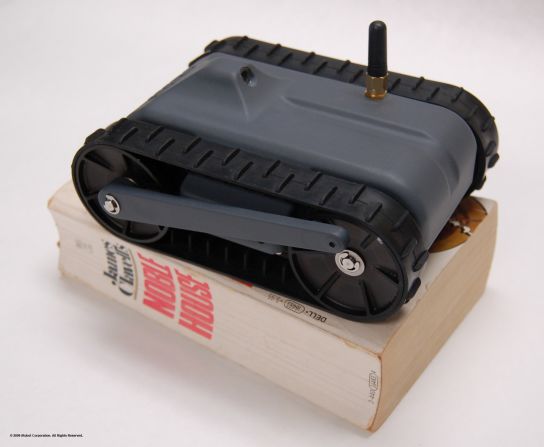
LANdroid - iRobot —
DARPA also funded iRobot's research for its LANdroids program. The aim was to give soldiers reliable communications in urban areas by creating pocket-sized robots they could scatter as they moved through an area. The robots would each act as a "node" in a wireless communications network.
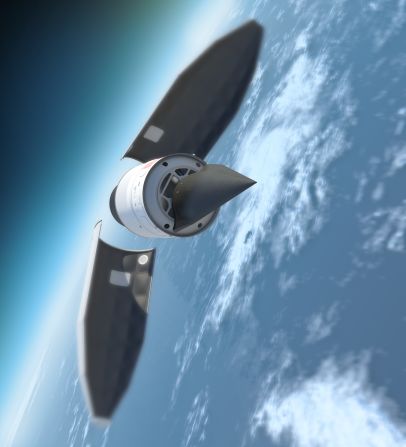
Falcon HTV-2 —
The ultimate goal of the Falcon program is to create a vehicle that can fly anywhere in the world in less than an hour. DARPA has already produced and flown the HTV-2 -- an unmanned, rocket-launched aircraft that travels at Mach 20 -- about 13,000 miles per hour (artist's impression).
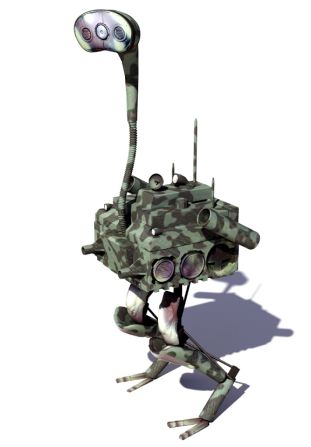
FastRunner —
The Florida Institute for Human and Machine Cognition is working on the FastRunner project. It aims to build a two-legged robot that can cover a moderately rough terrain "as fast as the best human sprinters" (CAD model of concept prototype).
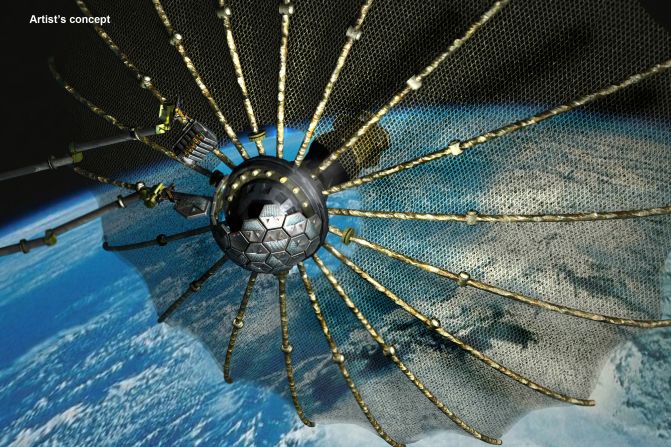
Phoenix —
The Phoenix program aims to find a way to remove and re-use valuable components from broken or "retired" satellites (artist's impression).
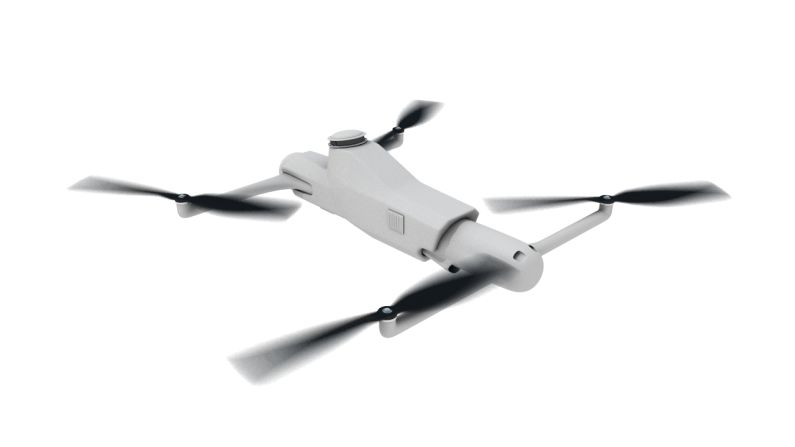
Shrike —
DARPA has funded aerospace company AeroVironment's development of the Shrike -- a vertical take-off and landing unmanned aircraft "small enough to be carried in a backpack" (artist's impression).
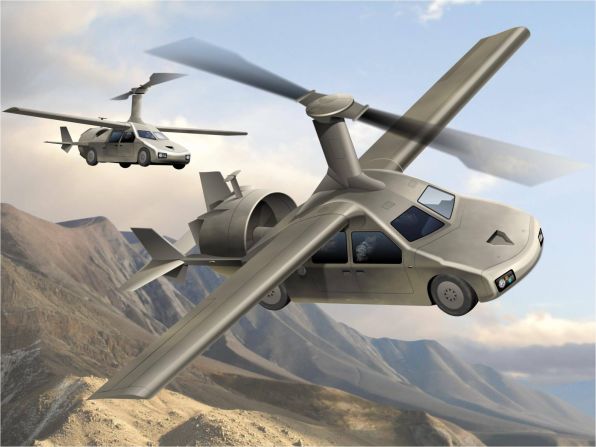
Transformer —
The Transformer program aims to build a flying car for the battlefield. The aim is to create a vertical take-off and landing vehicle that can carry four people more than 250 miles on one tank of fuel (artist's impression).
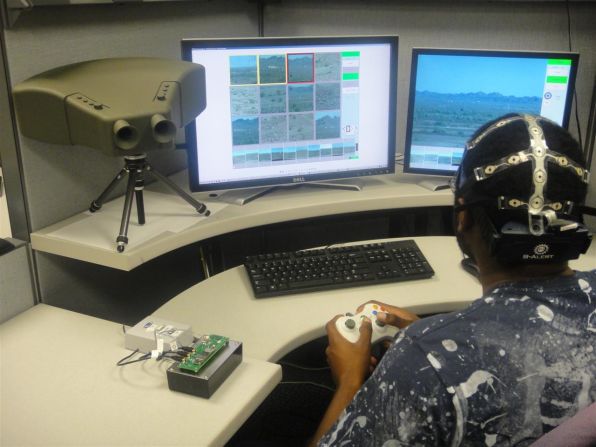
Cognitive Technology Threat Warning System (CT2WS) —
The Cognitive Technology Threat Warning System program is developing binoculars that can identify threats from a long distance and then inform a soldier of the danger.
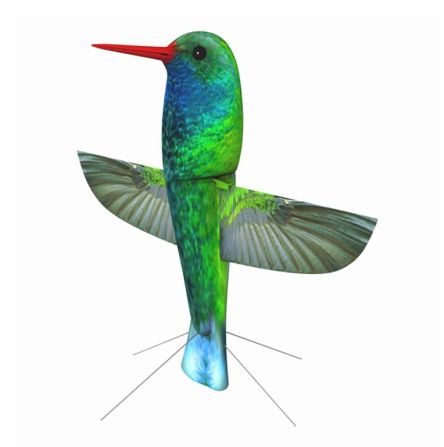
Nano Air Vehicle —
The Nano Air Vehicle (NAV) program has developed a tiny, ultra-light air vehicle for indoor and outdoor military missions (artist's impression).