Your effort and contribution in providing this feedback is much
appreciated.
Close
Ad Feedback
A cultural tour of Florence
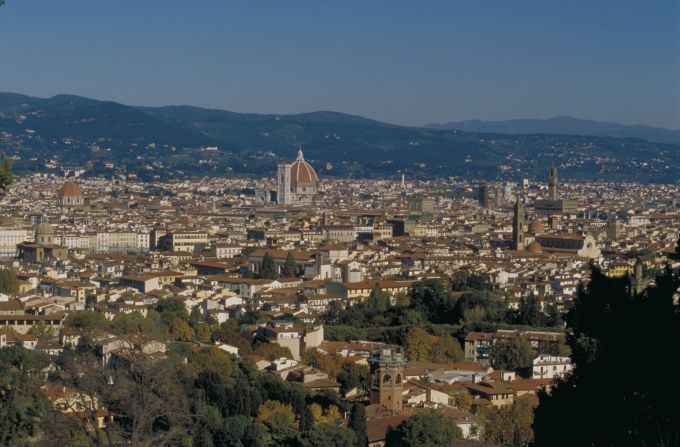
Considered the birthplace of the Renaissance, Florence's skyline is punctuated by the iconic rooftops of historic buildings. The most recognizable is the large terracotta dome of Basilica di Santa Maria del Fiore, Florence's cathedral, commonly known as the Duomo.
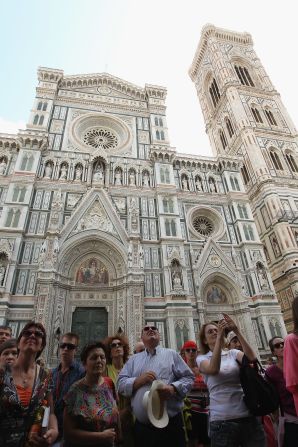
The Duomo is situated in the Piazza del Duomo. The facade of the Duomo is covered in pieces of pink, white and green marble. To the right of the picture is Giotto's Campanile, or belltower, a fine example of Renaissance design, which houses seven bells.
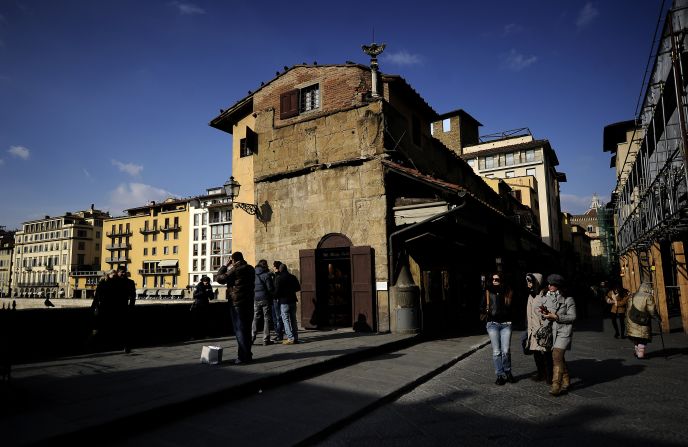
A popular walk for tourists is to take a stroll along the Ponte Vecchio. The oldest crossing in Florence, the original bridge was the only passage across the River Arno in the city until 1218. The current bridge was built in 1345 after the original was swept away by floods. Shops have lined the bridge since the 13th century and it is now a great place to pick up a local trinket or two.
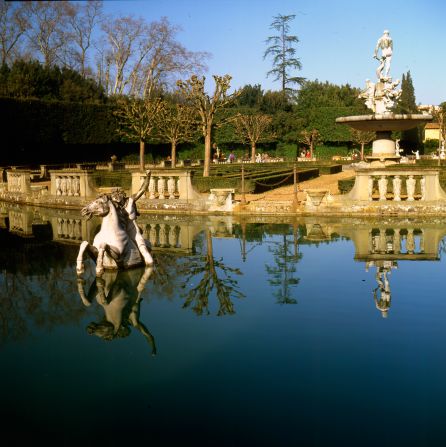
Rising behind the Pitti Palace, the former residence of the grand-dukes of Tuscany and later of the King of Italy, are the beautiful Boboli Gardens. The formal 16th-century landscaped gardens extend over a vast area forming an open-air museum with antique and Renaissance statues, fountains and grottoes.
Courtesy Turismo - Provincia di Firenze
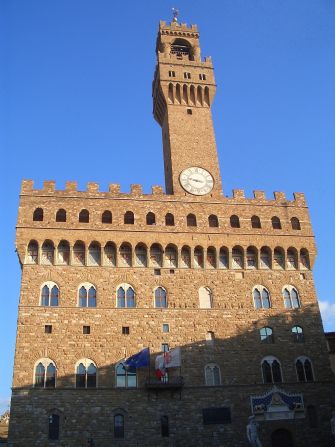
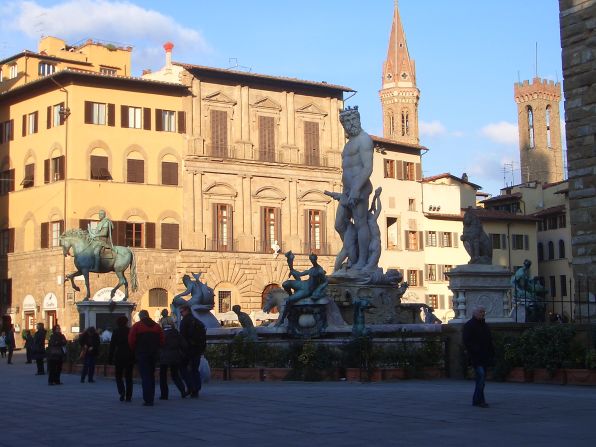
Palazzo Vecchio, a former fortress and palace and now a museum, is located in the heart of Florence overlooking the Piazza della Signoria. A variety of statues line up in front of the palazzo including a copy of Michelangelo's David, which in 1873 replaced the original. The piazza in front is always bustling with tourists and is right next door to the Uffizi.
Ammannati's The Fountain of Neptune is a fountain located on the Piazza della Signoria in front of the Palazzo Vecchio. Built in the mid-16th century, it was originally designed to recognize the maritime achievements of the Duchy of Tuscany of that period but was once dismissed by Michelangelo as a waste of marble.