Wildlife photographers capture stunning images of animals at risk
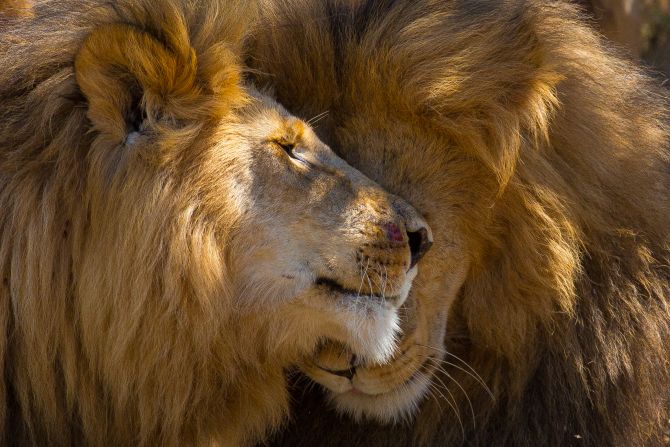
Lions are part the "Big 5," a term first used by colonial trophy hunters in Africa to describe the most challenging animals to shoot and kill. But they are also included in the "New Big 5" -- an initiative that celebrates the animals that people most want to see photographed, and raises awareness of threats to wildlife. Today, an estimated 20,000 lions remain, down from 200,000 a century ago, according to WWF.
Graeme Green/The New Big 5
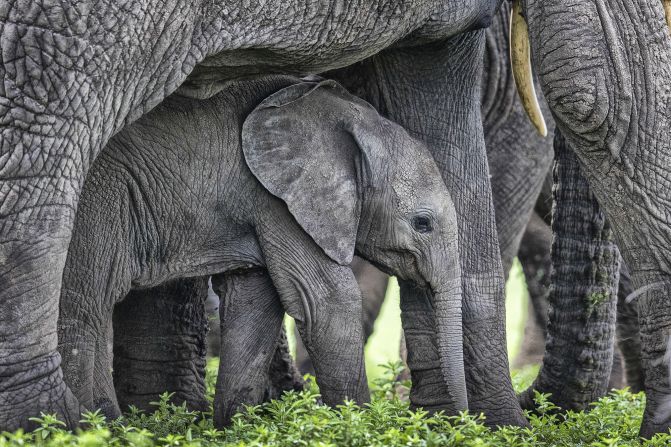
The "New Big 5" consists of the elephant, polar bear, lion, gorilla and tiger -- all of which are threatened with extinction. Elephants are the largest living land mammal, and face threats from habitat loss, human-wildlife conflict, and poaching for the ivory trade.
Karine Aigner/The New Big 5
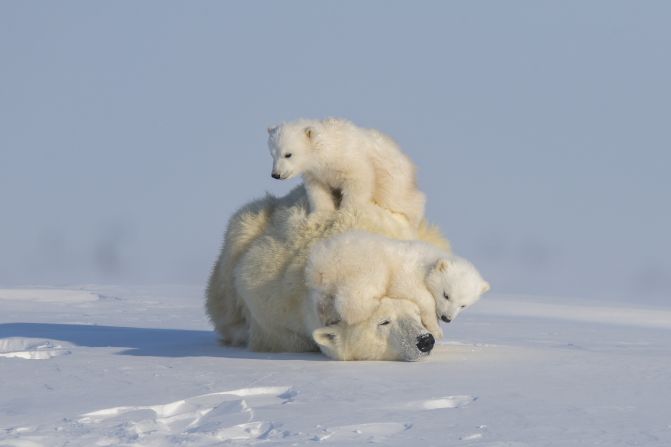
"The New Big 5" book includes stunning photography, as well as essays from renowned conservationists. Polar bears are threatened by dramatic sea ice loss due to climate change. Photographer Hao Jiang captured this photograph of a polar bear family taking a pause on their trek to hunt seals. "These adorable twin cubs turned their first adventure into playtime by using their patient mum as a playground," they said in a press release.
Hao Jiang/The New Big 5
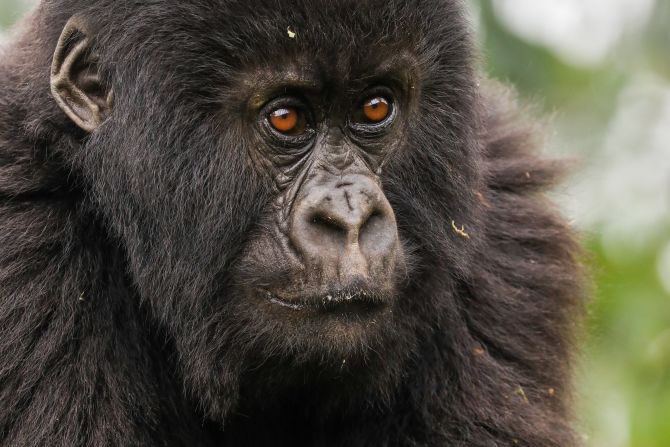
Mountain gorillas are found in just three countries: Rwanda, Uganda, and Democratic Republic of Congo. Their populations are slowly recovering and their classification has changed from critically endangered to endangered. Graeme Green, the author of the book, said, "It's a sign that global attention and conservation efforts from wildlife organizations, governments and local people does work. We just need to make sure there's more of it."
Graeme Green/The New Big 5
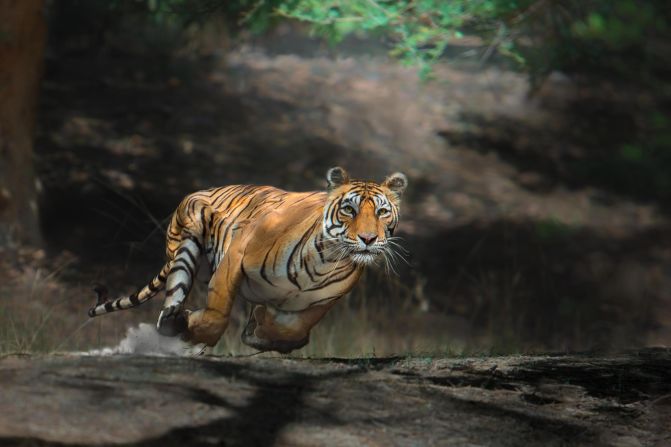
Tigers are endangered, affected by the illegal wildlife trade, habitat loss and fragmentation. "This picture was taken on a rainy day. In Indian forests, it's very difficult to get a proper picture of a running tiger, as they all are thick forests. I kept the camera settings fast enough to freeze the running tiger," said photographer Thomas Vijayan in a press release.
Thomas Vijayan/The New Big 5
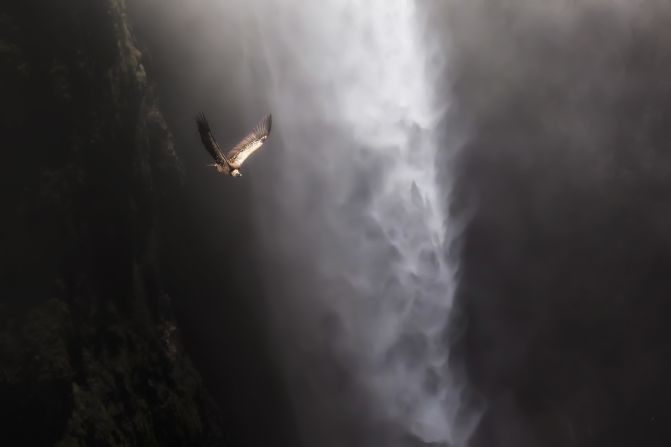
As well as chapters focusing on each of the animals included in the "New Big 5," the book contains an extensive section on other endangered species from land, sea and sky -- such as this photograph of a Rüppell's vulture. The chapter, titled "What We Stand to Lose," illustrates the alarming threats facing animals all around the world, including habitat loss and climate change.
Marco Gaiotti/The New Big 5
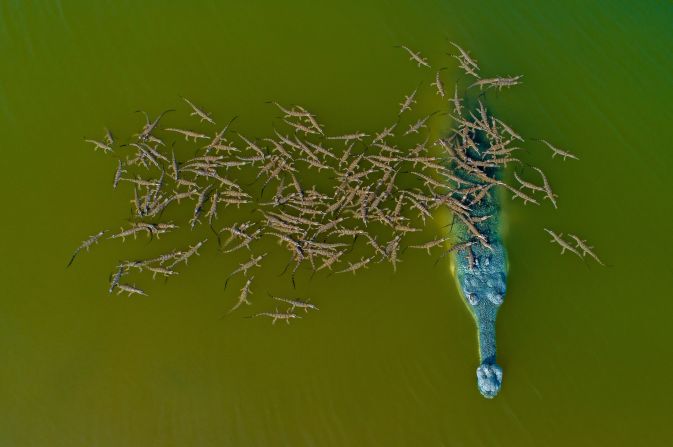
Gharials -- crocodile-like animals that live in South Asia -- are included in the book's endangered species section. They are classified as critically endangered with habitat loss as one of their biggest threats, especially as the result of sand mining. Photographer Dhritiman Mukerjee said that male gharials take the main responsibility to protect hatchlings, and during that period they become "very aggressive, territorial and protective."
Dhritiman Mukherjee/The New Big 5
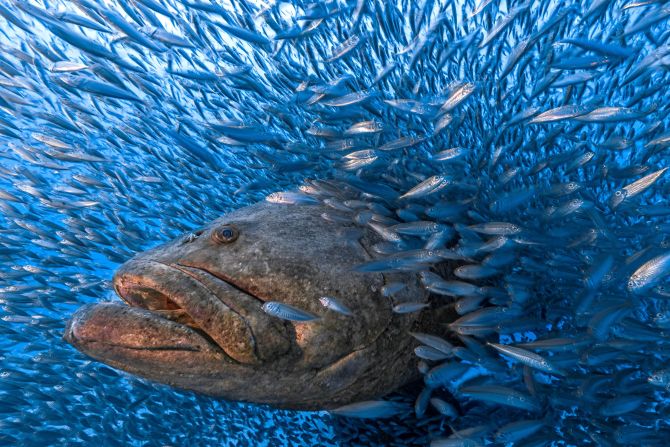
Atlantic goliath groupers are massive fish that can live for dozens of years, growing up to 2.5 meters long and weighing up to 360 kilograms. Florida banned their fishing after a steep decline in their population decades ago. "Now, there are new plans to reopen fishing, which may put their future in danger once again," said photographer Tom Shlesinger.
Tom Shlesinger/The New Big 5
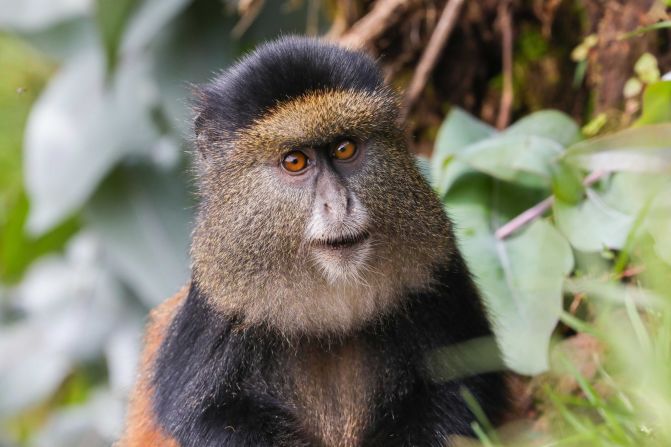
Green included this image of a golden monkey at Volcanoes National Park, Rwanda, in the "What We Stand to Lose" chapter, which contains photos ranging from insects to whales. The selection process was tough, he says: "I could have included thousands of pictures because that's how serious the situation is."
Graeme Green/The New Big 5
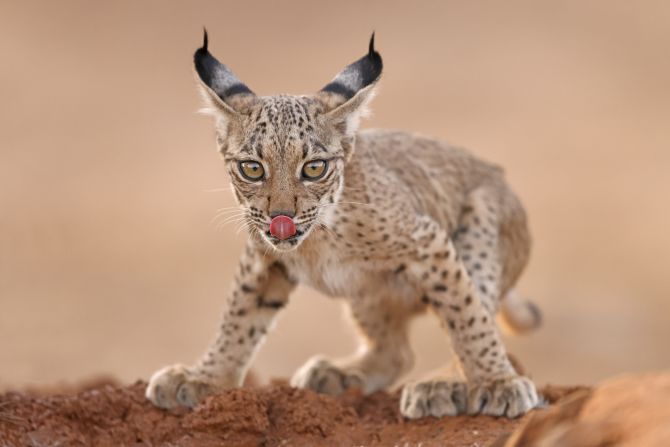
This photo shows the endangered Iberian lynx. "We have a window of time during which we can start to heal some of the harm we have inflicted on the natural world, but only if we get together and take action now," said Jane Goodall -- a leading conservationist who wrote the afterword to the book -- in a press release.