The Any Wear, Anywhere service allows airline passengers to book a set of clothes for their travels and receive it at their hotel upon arrival. It is being trialed by Japan Airlines, which says it could cut carbon emissions by reducing the weight carried by its airplanes. Scroll through the gallery to see more innovations to make aviation greener.
Any Wear, Anywhere
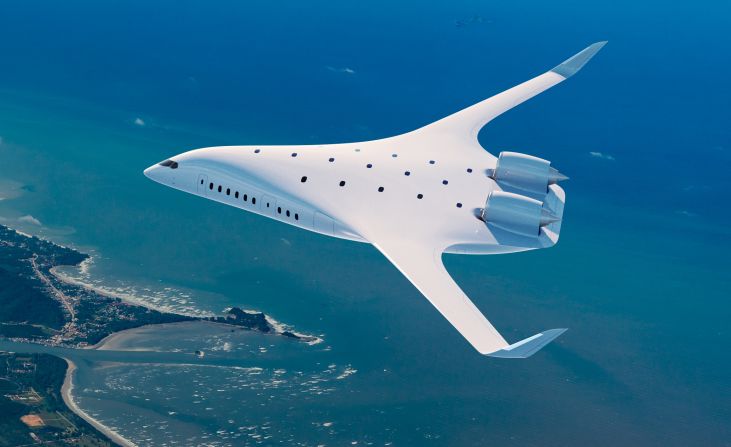
Blended wing aircraft could slash carbon emissions. This rendering shows a design by California-based JetZero, which aims to have a plane in service by 2030.
JetZero
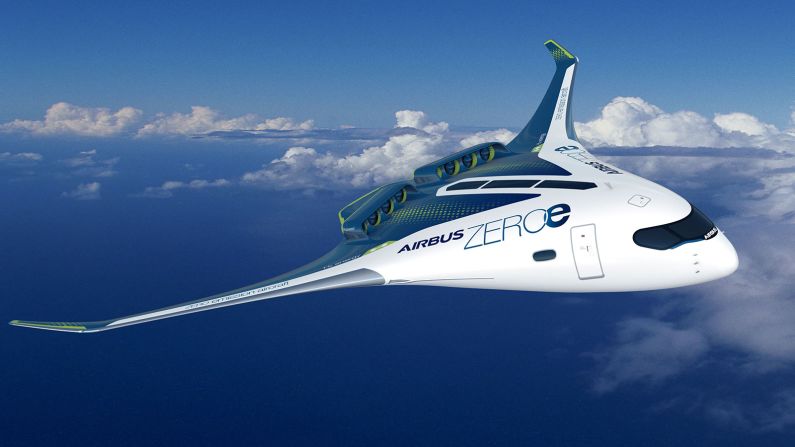
Airbus has also explored a blended wing concept in its ZEROe program, unveiled in 2020. ZEROe plans for three hydrogen-powered, zero-emission aircraft, which can carry 100 to 200 passengers.
Airbus
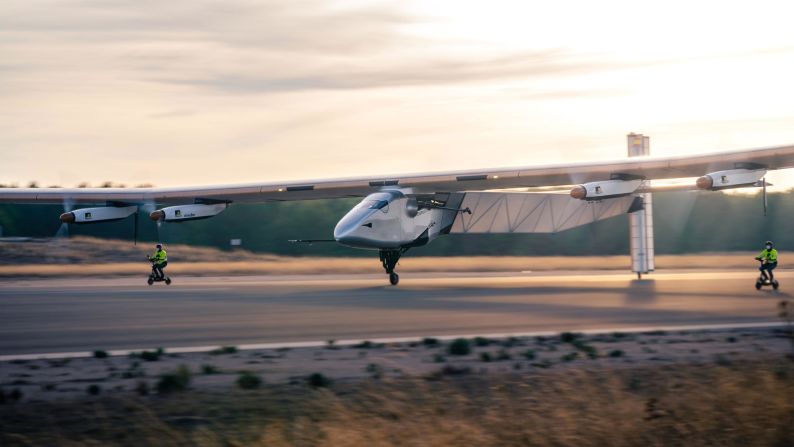
The blended wing is just one of a new generation of greener aircraft being explored by the aviation industry. Among the most innovative is the solar-powered Skydweller, which is based on Solar Impulse 2, an aircraft that has achieved numerous flight records, including circumnavigating the Earth without using a drop of fuel. Skydweller is pictured landing after its first flight, in December 2020.
Skydweller Aero Inc.
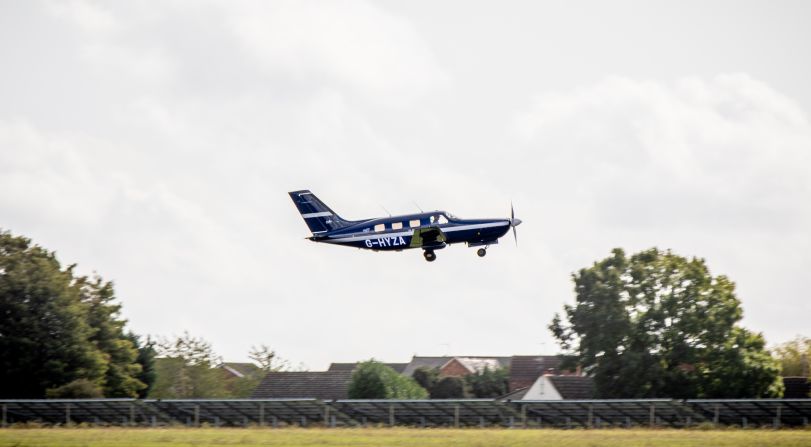
On September 24 2020, ZeroAvia flew the world's largest hydrogen-powered aircraft at Cranfield Airport in England, showing the possibilities of hydrogen fuel for aviation.
ZeroAvia
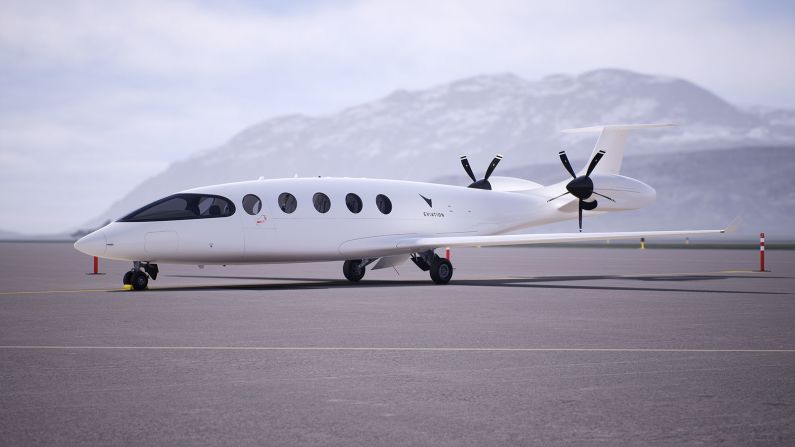
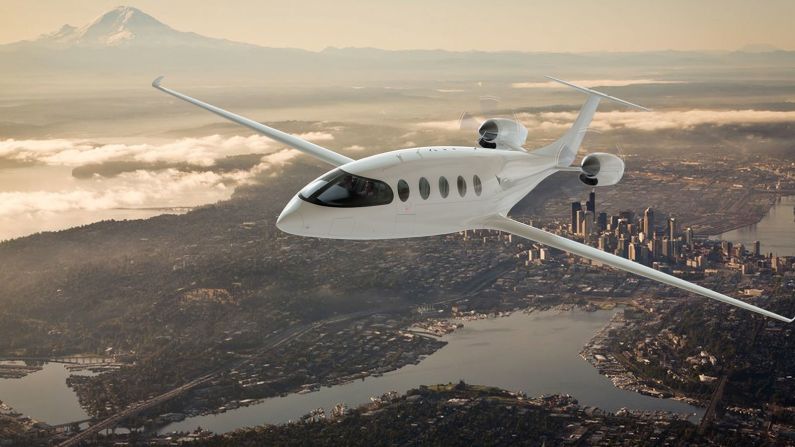
While some are exploring hydrogen power, others are testing electric planes. Washington State-based Eviation Aircraft is behind the nine-passenger all-electric Alice aircraft, which produces no carbon emissions.
Eviation Aircraft
The aircraft, shown here as a rendering, has a range of 440 miles and is intended for feeder routes. It also comes in a cargo version; DHL Express has ordered 12 slated for service in 2024.
Eviation Aircraft
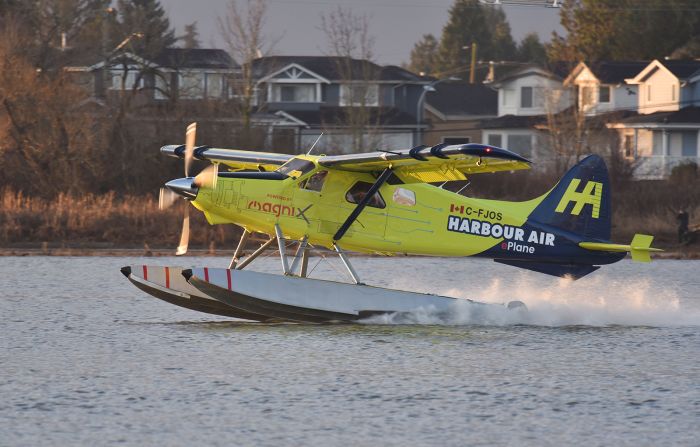
In December 2019, Vancouver-based seaplane company Harbour Air made history with the first all-electric commercial aircraft flight. The de Havilland DHC-2 Beaver seaplane, which was first flown in 1947, was retrofitted with a 750 horsepower magni500 electric engine from magniX.
Don MacKinnon/AFP/Getty Images
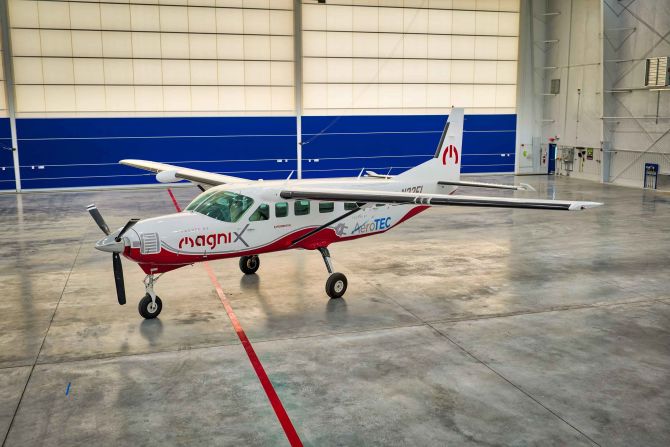
MagniX made headlines again in June 2020 when AeroTEC's nine-seater eCaravan -- powered by the magni500 electric propulsion system -- became the largest all-electric commercial aircraft to fly.
magniX
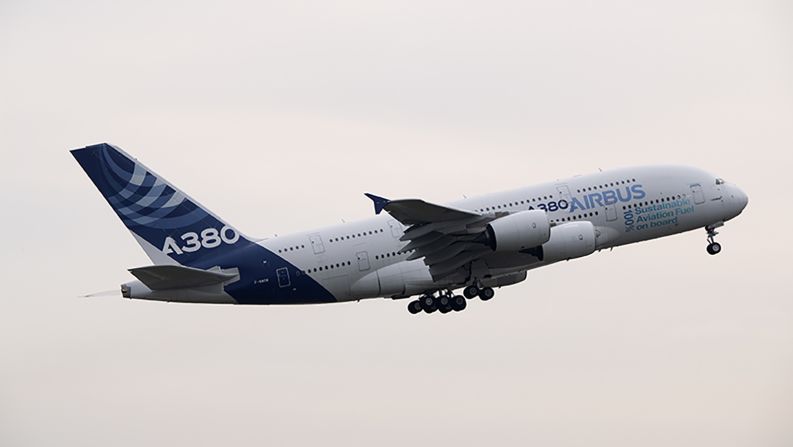
On March 25 2022, an Airbus A380, the world's largest commercial passenger airliner, completed a test flight powered entirely by SAF -- sustainable aviation fuel -- composed mainly of cooking oil.
Airbus
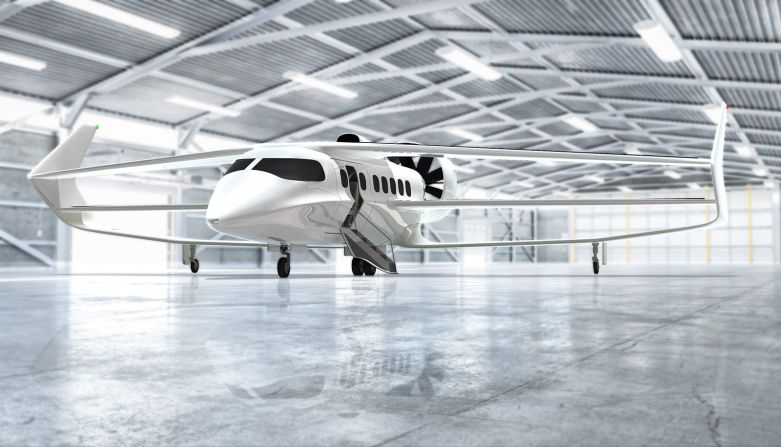
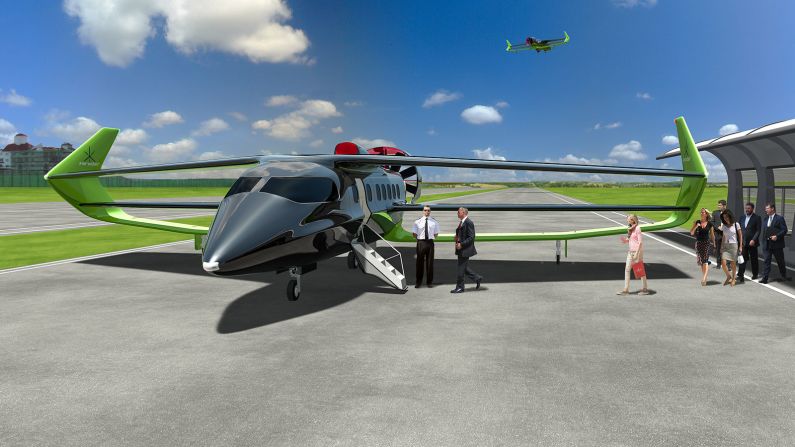
While energy sources are still evolving, UK-based Faradair Aerospace is developing a design to squeeze the maximum efficiency out of whichever fuel prevails.
Faradair Aerospace
Faradair's 18-passenger BEHA aircraft, made from lightweight composite and shown here in a rendering, can carry a five-ton payload and has a 1,150-mile range.