Bringing seaweed into the kitchen with recipes old and new
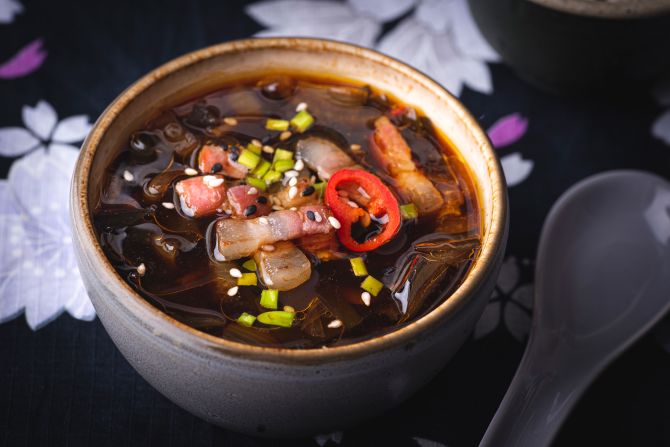
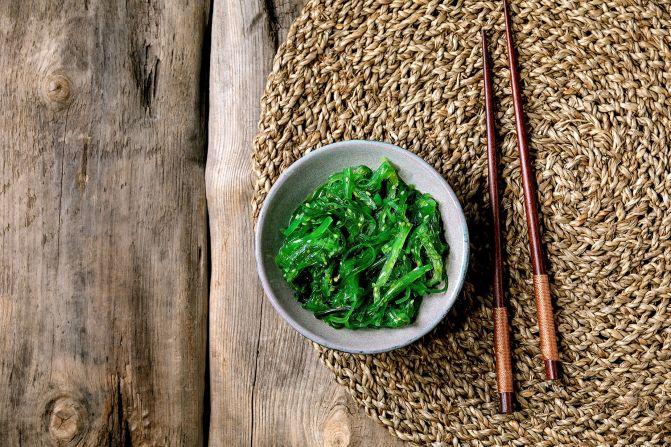
Seaweed has been used in Asian recipes for centuries, but thanks to its nutritional benefits and sustainability, the ingredient is now going global. Miyeok-guk (pictured) is a traditional Korean soup, consisting of miyeok (a type of seaweed), beef and other vegetables. It's typically eaten on birthdays. Scroll through the gallery to see how else seaweed can be eaten.
UliU/iStockphoto/Getty Images
Seaweed has become popular in Western baking in recent years. In Portland, US, the Southside Bakery prepares fresh seaweed bagels.
Derek Davis/Portland Press Herald/Getty Images
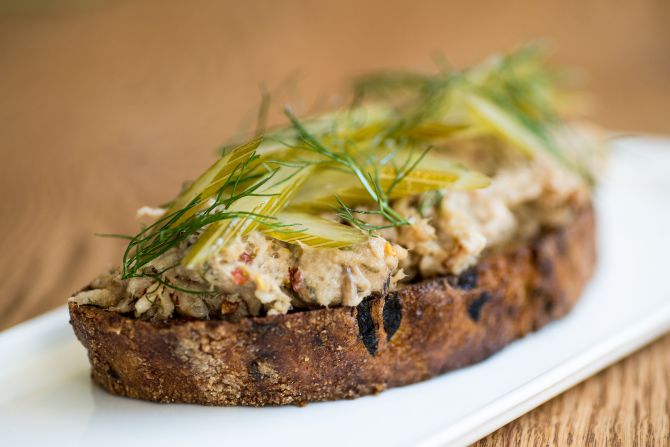
The Tail Up Goat restaurant in Washington, DC, serves toasted seaweed sourdough topped with pickled fennel.
Dixie D. Vereen/The Washington Post/Getty Images
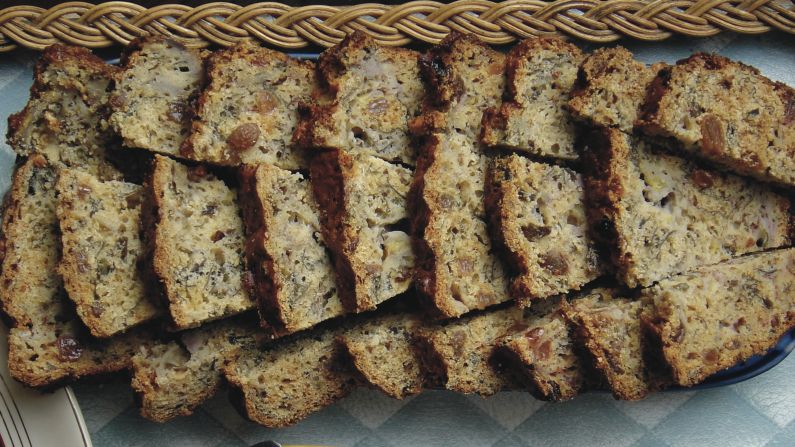
For those with more of a sweet tooth, in her latest book "Irish Seaweed Kitchen" chef Prannie Rhatigan has a recipe for banana bread that includes alaria seaweed.
Romas Foord
She also has a recipe for gingerbread cookies that includes seaweed, which she says is a great way to get kids into eating the algae.
Romas Foord
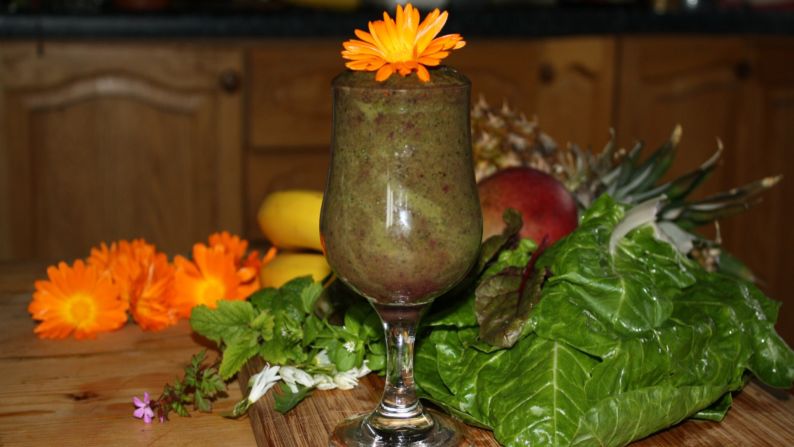
Or, if you're in need of a health kick, try adding seaweed to your morning smoothie. Rhatigan says that many seaweed varieties can be used, paired with whichever fruit and vegetables you like. In fact, the more types of seaweed you include the better, she says.
Kate Waters
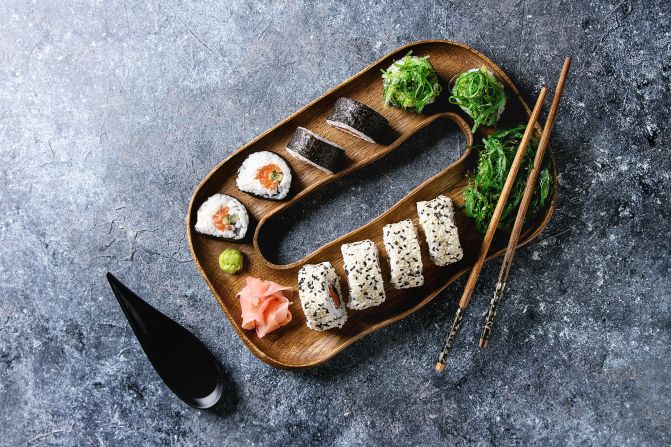
But if these inventive recipes don't appeal, you can stick to the dishes seaweed is famous for, like sushi rolls. The fish and rice rolls wrapped in dried seaweed can be found across the globe, and are a staple in Japanese cuisine.
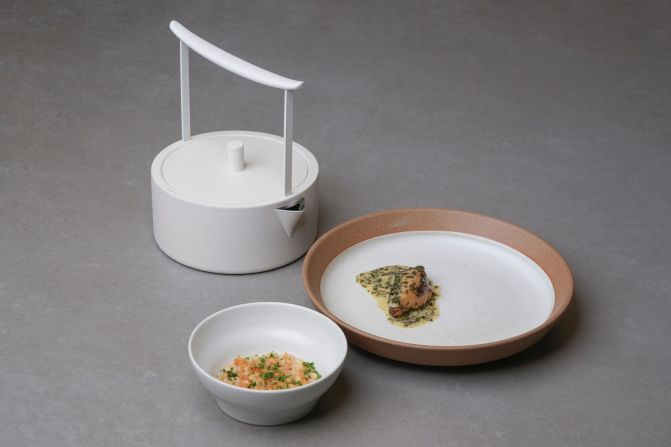
At the restaurant Soigné in Seoul, South Korea, chef Jun Lee has devised a modern take on miyeok-guk. This dish consists of abalone (sea mollusc), covered in a seaweed beurre blanc sauce.