These innovations could make flying more sustainable
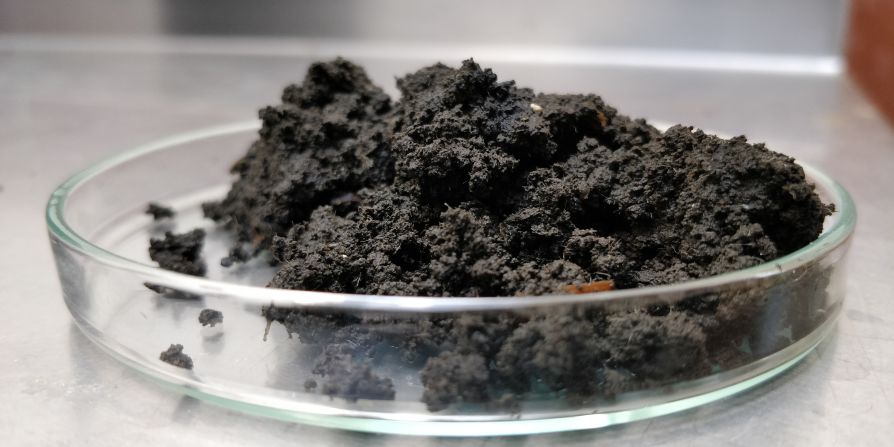
Commercial aviation produces about 2.5% of global carbon emissions, contributing to climate change. Efforts to reduce the sector's impact are underway, including the development of sustainable aviation fuel (SAF). UK company Firefly has developed a jet fuel made entirely from human sewage -- pictured here in a laboratory during the processing stage. Scroll through the gallery to see more innovations.
Firefly Green Fuels Ltd.
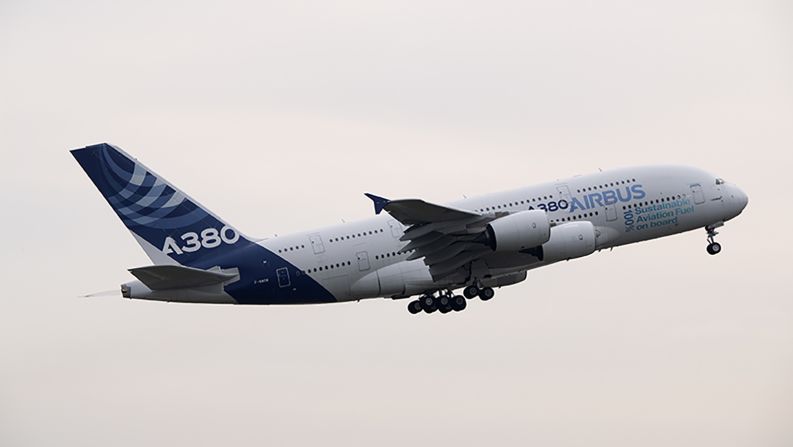
In March 2022, an Airbus A380, the world's largest commercial passenger airliner, completed a test flight powered entirely by SAF, composed mainly of cooking oil. In November 2023, a Virgin Atlantic 787 made the first-ever transatlantic flight by a commercial airline using 100% SAF.
Airbus
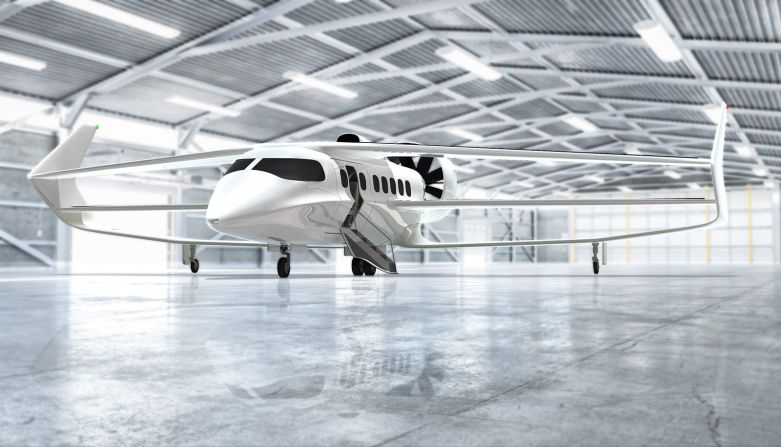
While energy sources are still evolving, UK-based Faradair Aerospace is developing a design to squeeze the maximum efficiency out of whichever fuel prevails.
Faradair Aerospace
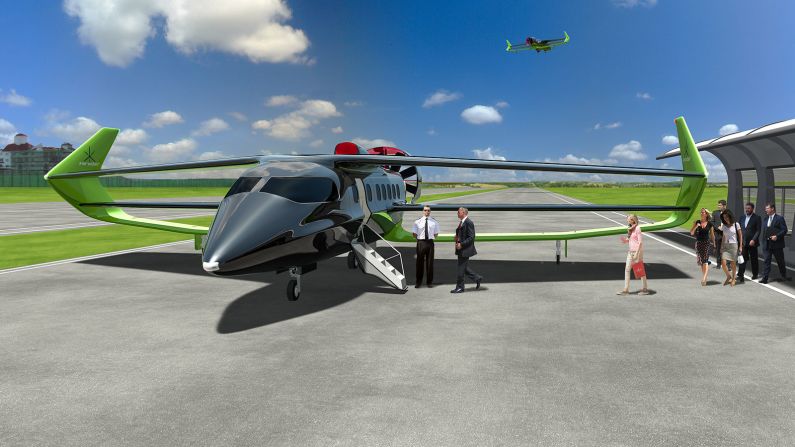
Faradair's 18-passenger BEHA aircraft, made from lightweight composite and shown here in a rendering, can carry a five-ton payload and has a 1,150-mile range.
Faradair Aerospace
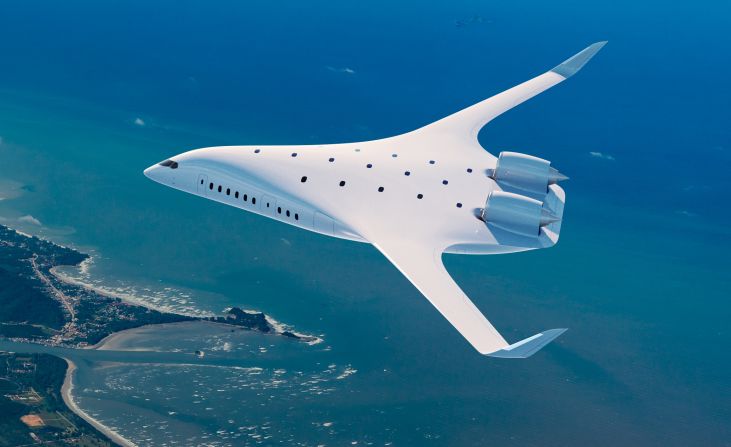
Blended wing aircraft could slash carbon emissions. This rendering shows a design by California-based JetZero, which aims to have a plane in service by 2030.
JetZero
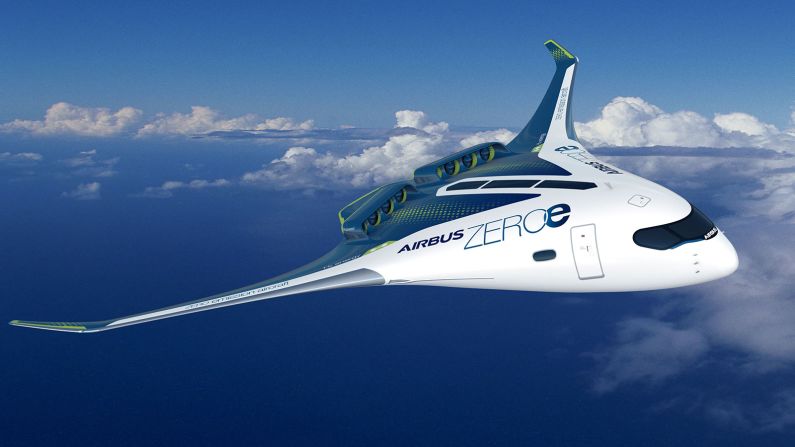
Airbus has also explored a blended wing concept in its ZEROe program, unveiled in 2020. ZEROe plans for three hydrogen-powered, zero-emission aircraft, which can carry 100 to 200 passengers.
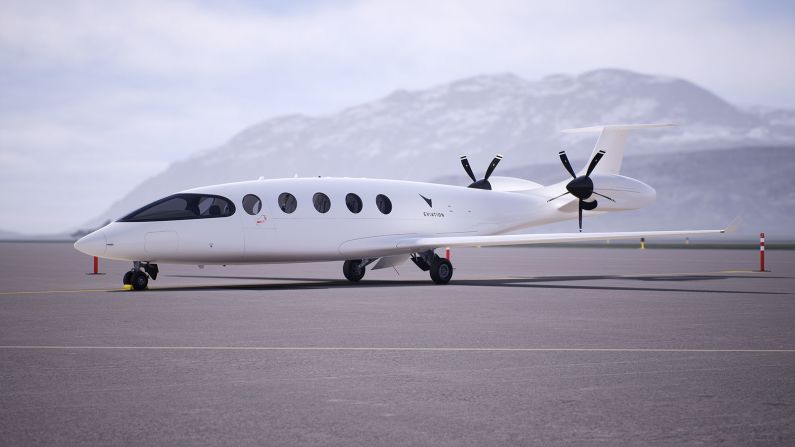
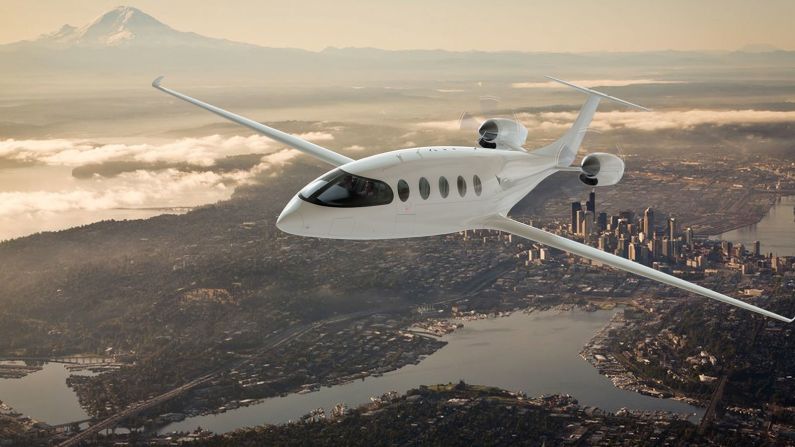
While some are exploring hydrogen power, others are testing electric planes. Washington State-based Eviation Aircraft is behind the nine-passenger all-electric Alice aircraft, which produces no carbon emissions.
Eviation Aircraft
The aircraft, shown here as a rendering, has a range of 440 miles and is intended for feeder routes. It also comes in a cargo version; DHL Express has ordered 12 slated for service in 2024.
Eviation Aircraft
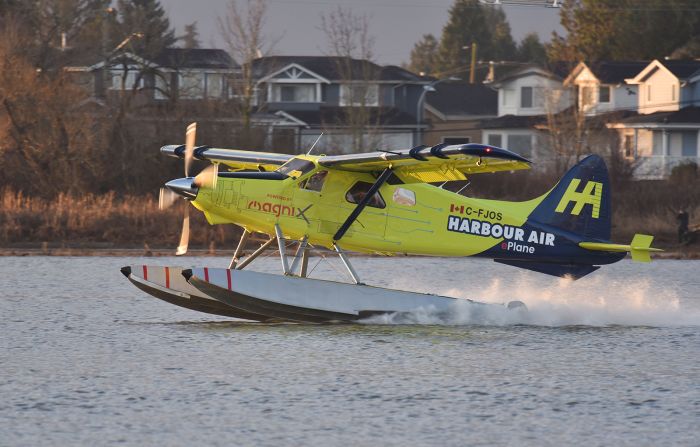
In December 2019, Vancouver-based seaplane company Harbour Air made history with the first all-electric commercial aircraft flight. The de Havilland DHC-2 Beaver seaplane, which was first flown in 1947, was retrofitted with a 750 horsepower magni500 electric engine from magniX.
Don MacKinnon/AFP/Getty Images
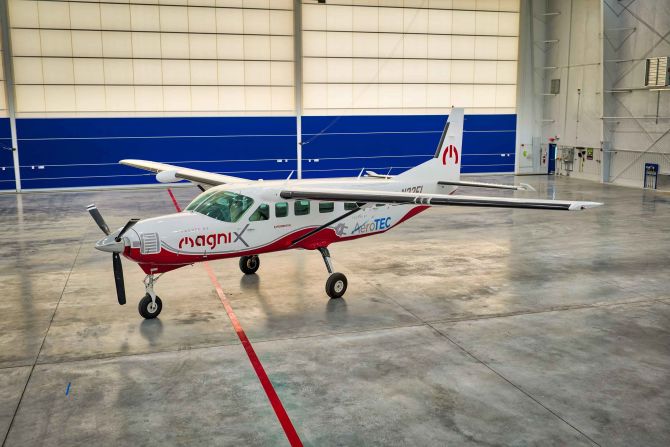
MagniX made headlines again in June 2020 when AeroTEC's nine-seater eCaravan -- powered by the magni500 electric propulsion system -- became the largest all-electric commercial aircraft to fly.