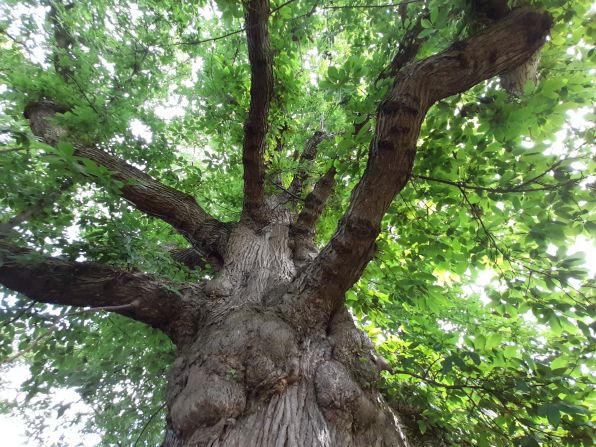
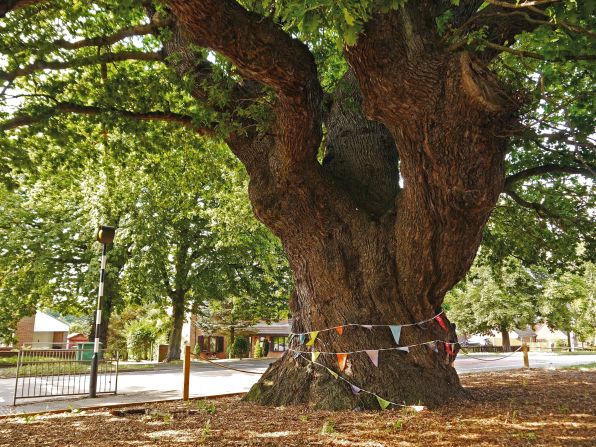
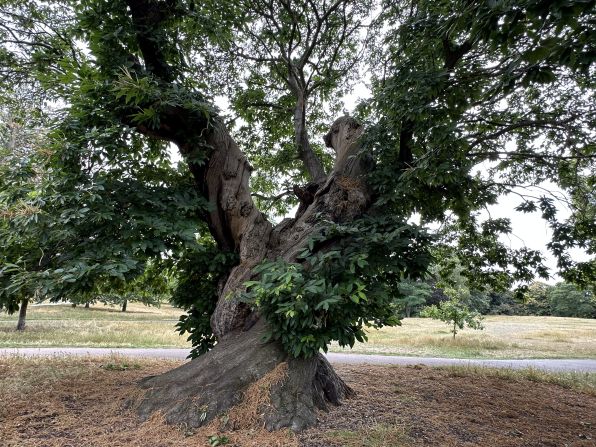
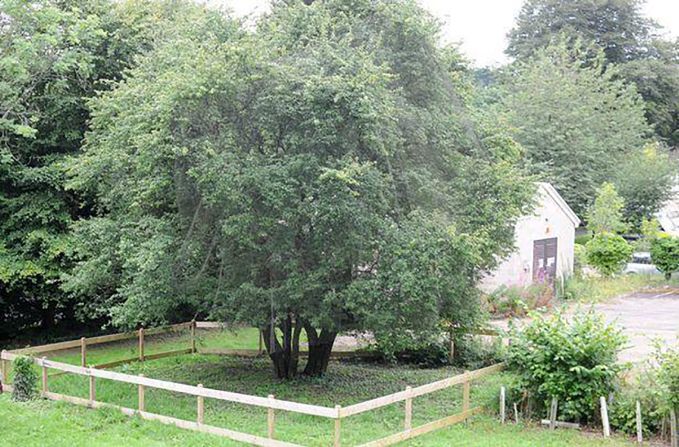
Acton Park's sweet chestnut has been standing for approximately 484 years in Wrexham, Wales, and is one of 13 trees in the running for Woodland Trust's annual "Tree of the Year" contest. The tree has overcome challenges including post-war plundering of the park for firewood and storms that ravaged neighboring trees. The sweet chestnut is considered a community treasure and features centrally in community events held in the park.
Kyle Jones Mattock/Woodland Trust
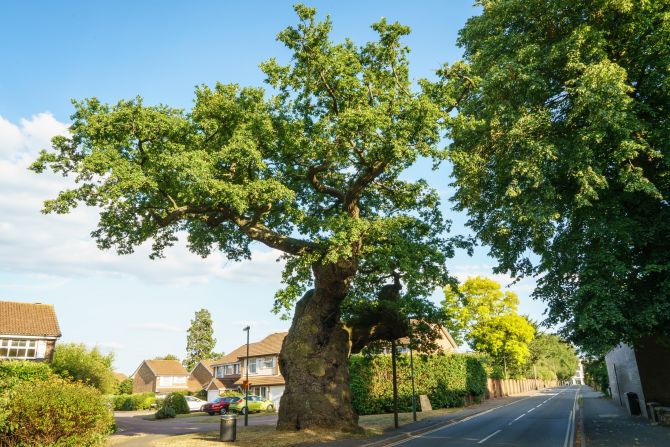
In Grantham, Lincolnshire, a 500-year-old oak pre-dates the residential neighborhood surrounding it by several centuries. Through collaboration with the local council, the Woodland Trust have worked to safeguard the tree by installing a protective barrier and taking cuttings to grow new saplings from the oak.
Julian Hight/Woodland Trust
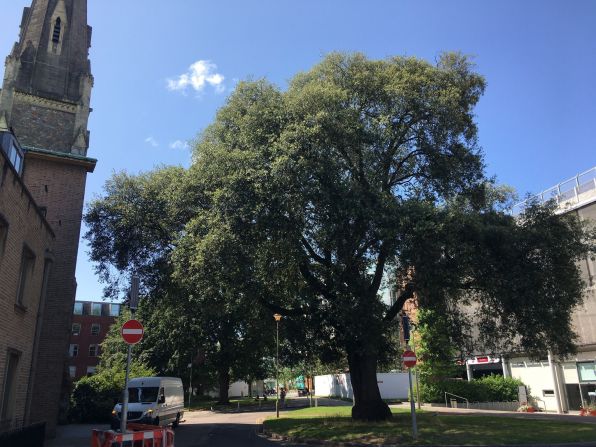
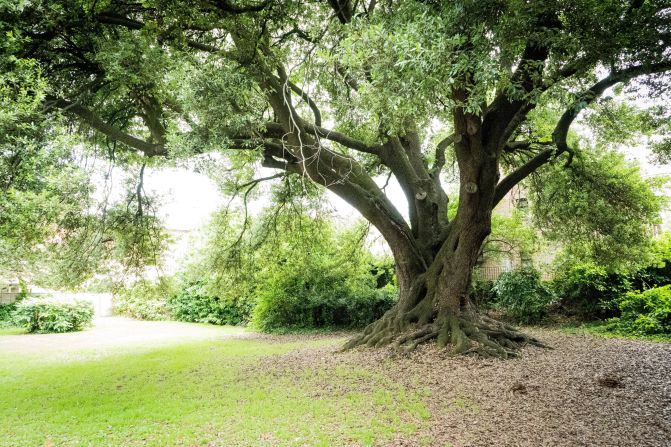
Though not an ancient oak, this remarkable 80-year-old tree survived a devastating bombing of the city of Exeter on May 4, 1942, during World War II. Despite extensive damage to the city and the levelling of many of the buildings that surround it, the holm oak still stands in the city center and has long been a symbol of hope.
Simon Pryor/Woodland Trust
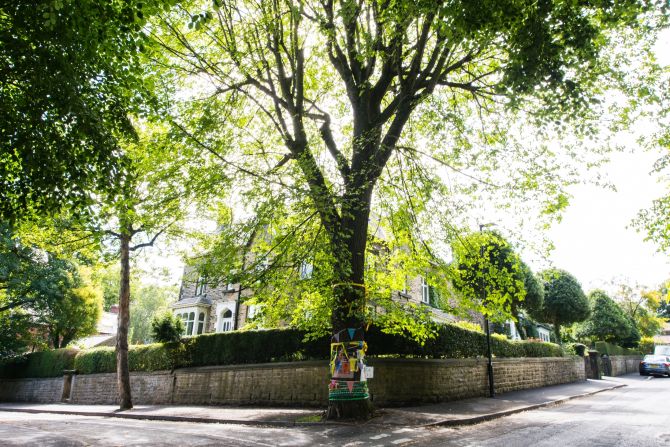
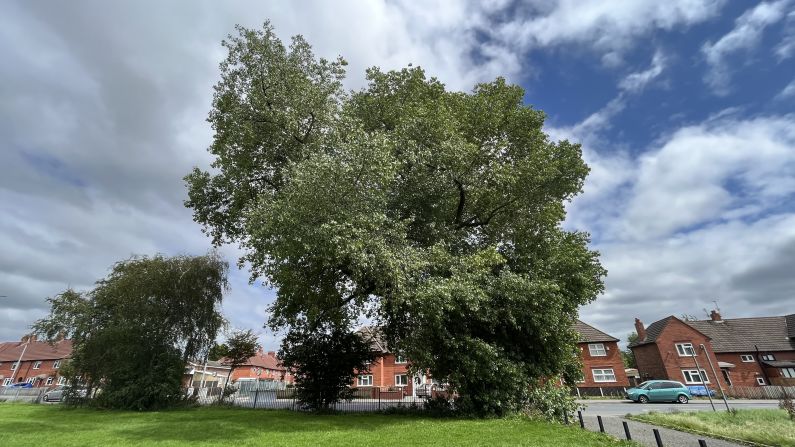
An unassuming mature elm on Chelsea Road in Sheffield is another symbol of resilience for local people. It is a rare example of a tree resistant to Dutch elm disease which wiped out more than 60 million of the UK's elm trees. Despite this, in 2017 it was ear-marked to be felled by Sheffield City Council until campaigners pointed out its history, and the fact it is home to the rare white-letter hairstreak butterfly.
Phil Formby/Woodland Trust
London's Greenwich Park boasts a remarkable 360-year-old twisted sweet chestnut, planted at King Charles II's request as part of a grand redesign of the park in the late 17th century. The sweet chestnut, one of many of the trees still surviving, now houses diverse wildlife and fungi in its aged trunk.
Ruby Harrison/Woodland Trust
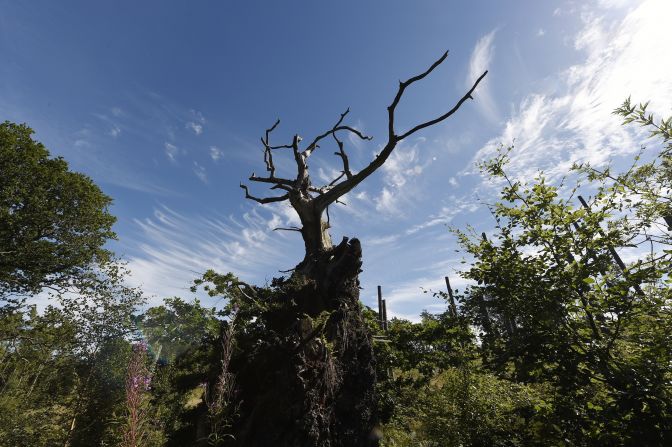
Though no one knows the exact age of Belfast's Belvoir oak, it is thought to be the oldest surviving tree in Belvoir Park Forest. Estimated at more than 500 years old, it could even be the oldest in all of Northern Ireland.
Michael Cooper/Woodland Trust
A tree known as the Crouch Oak in Addlestone, Surrey, has been standing for 800 years and has witnessed several important moments in UK history. It has sheltered picnics hosted by Queen Elizabeth I and sermons preached by John Wycliff and Charles Spurgeon. The tree was almost lost in 2007 when arsonists set its trunk on fire, but thanks to fire crews it still stands today.
Tessa Chan/Woodland Trust
A huge black poplar, found in Manchester's Annie Lees Park, is another example of amazing resilience. As the industrial revolution took hold in Manchester at the turn of the century, many of the city's trees died -- unable to withstand the boom in coal-burning pollution. But the black poplars of the city thrived despite the oppressive conditions.
Alex Shuttleworth/Woodland Trust
Nominated by the public to join the shortlist, Westbury's huge holm oak stands tall beside the town library. Its exact history remains unknown, but its size suggests it pre-dates the 18th century library and is likely to have provided a shady spot to read long before the building was opened.
William Hudson
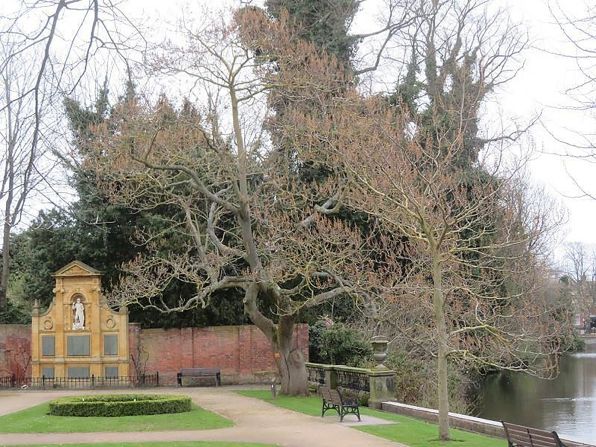
In Staffordshire's Lichfield, a century-old foxglove tree graces the Remembrance Garden, honoring World War I's fallen soldiers. With its vibrant spring blooms against the backdrop of the cathedral's unique spires, it's a cherished city landmark.
Woodland Trust
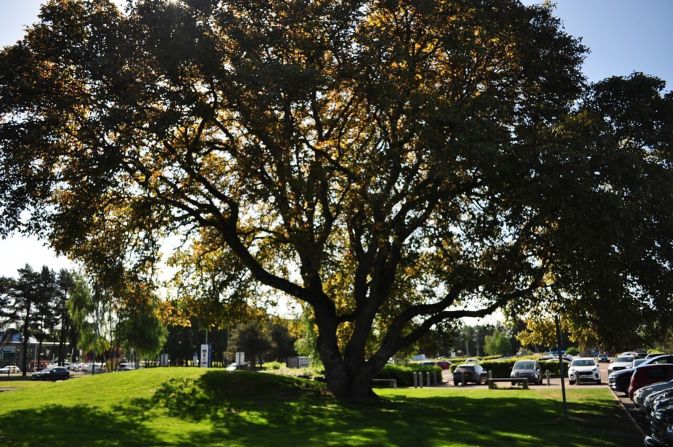
In a carpark in Perth, Scotland, a centuries-old walnut stands majestically beside the cars and concrete. This lovely and unusual tree continues to charm visitors despite its location.
George Anderson/Woodland Trust
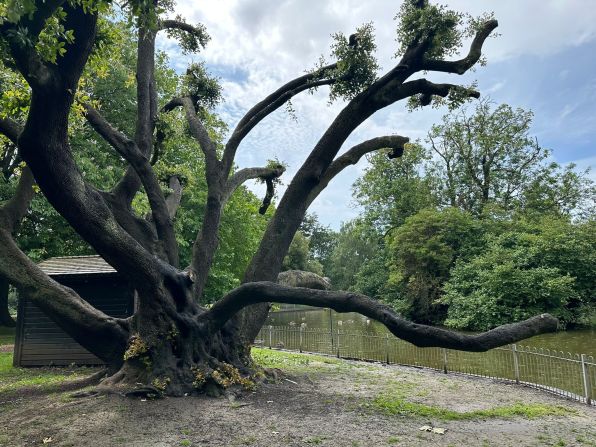
Having witnessed the transformation of Leamington Spa, central England, perhaps as far back as the 1840s, a great holm oak leans over the lake at Jephson Gardens. Its survival through the challenges of urbanization demonstrates the resilience of this species of tree.
Alina Bojescu
An example of the only tree species protected under the UK's Wildlife and Countryside Act 1981, the Plymouth pear tree in Derriford, Devon, thrives among vanishing peers. Whilst many of its species have been lost to new roads, this Plymouth pear is a beacon for preservation.