A rush to build dams along this Balkan river could threaten wildlife
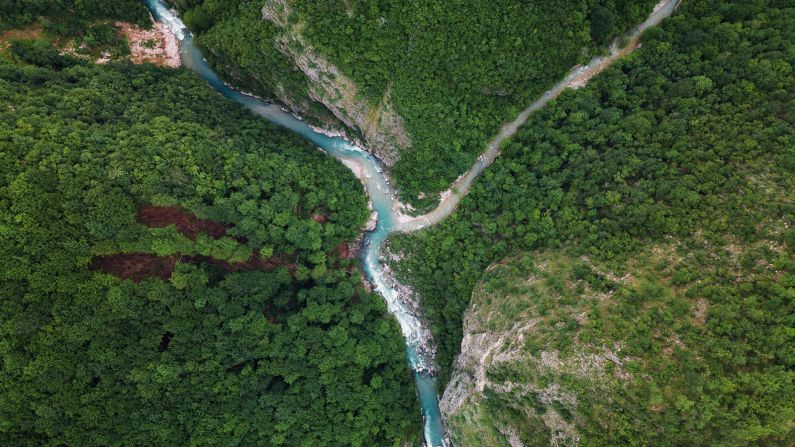
The Balkans is known as the 'blue heart' of Europe for its pristine waterways. The Neretva River flows 140 miles (225 kilometers) from its source in the mountains of Bosnia and Herzegovina to the Adriatic Sea in Croatia.
Joshua D. Lim
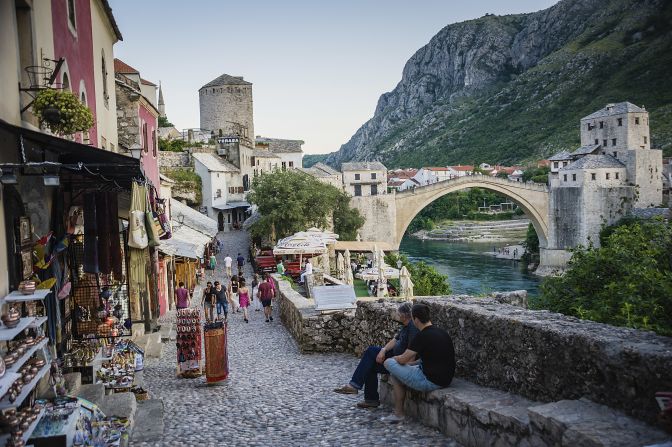
It runs through the historic city of Mostar, one of Bosnia and Herzegovina's top tourist destinations, and is renowned for being one of the coldest rivers in the world.
Marco Secchi/Getty Images
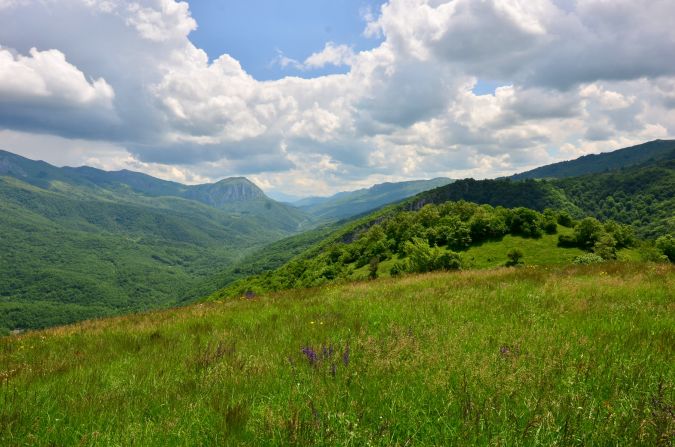
However, the upper course of the Neretva runs through mainly uninhabited country and is a hotspot for biodiversity.
Ursi Seibert
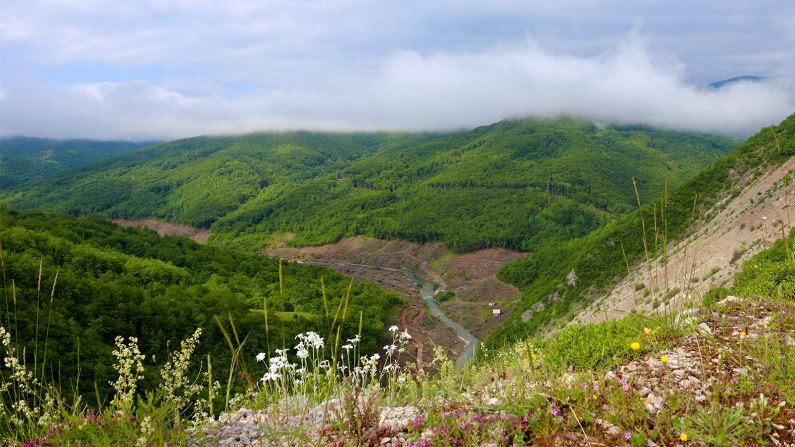
This could be under threat. According to the Center of Environment, a Bosnian NGO, more than 50 hydropower plants are proposed along the river's length, including the untouched upper stretches. Here, at the Ulog dam site, forest has been cut away from the banks of the river, to make way for a future reservoir.
Nell Lewis/CNN
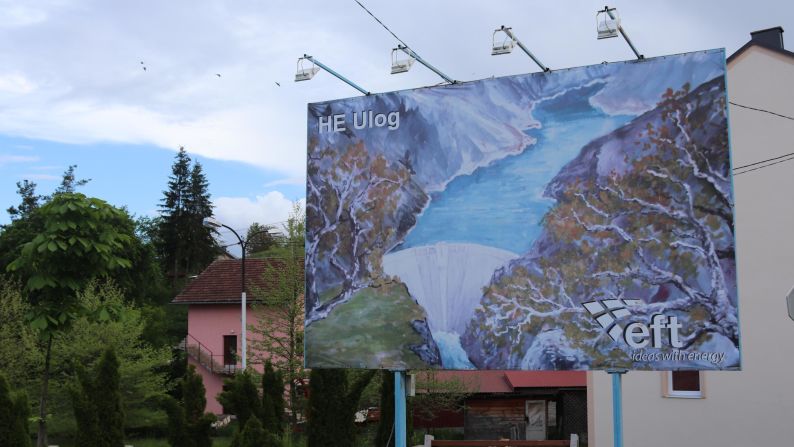
A billboard in the town of Kalinovik advertises the Ulog dam. Developers of the dams say that hydropower projects will provide income and employment for the local community, as well as electricity.
Nell Lewis/CNN
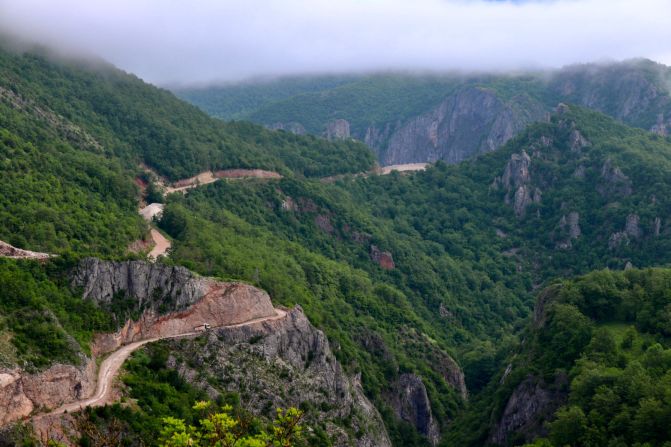
Scientists warn that hydropower plants could have a detrimental effect on the region's biodiversity. To enable construction of the Ulog dam, roads have been cut into the dense forest so that logging trucks and other vehicles can access the site.
Nell Lewis/CNN
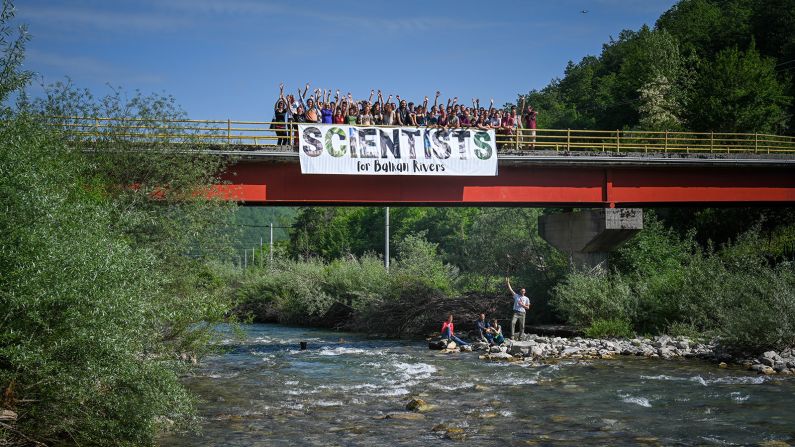
Scientists, concerned about the effects of the proposed hydropower plants, gathered on the banks of the Neretva in June as part of the Save the Blue Heart of Europe campaign.
Vladimir Tadic
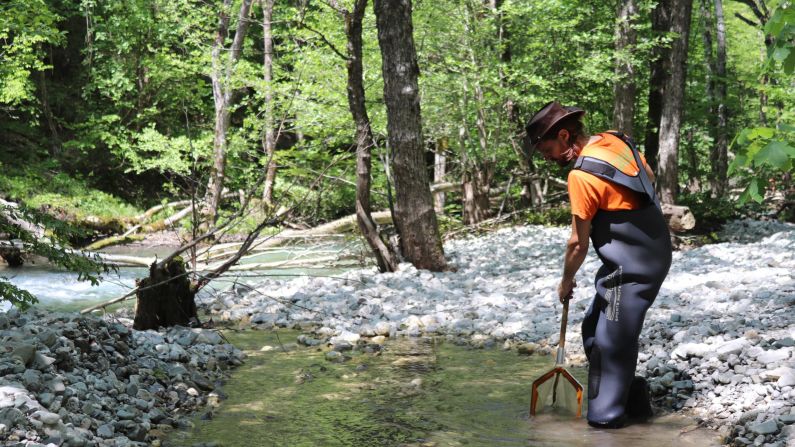
They are on a mission to collect data on the plant and animal species that live in and around the river, to help build a case for why the area should be preserved.
Nell Lewis/CNN
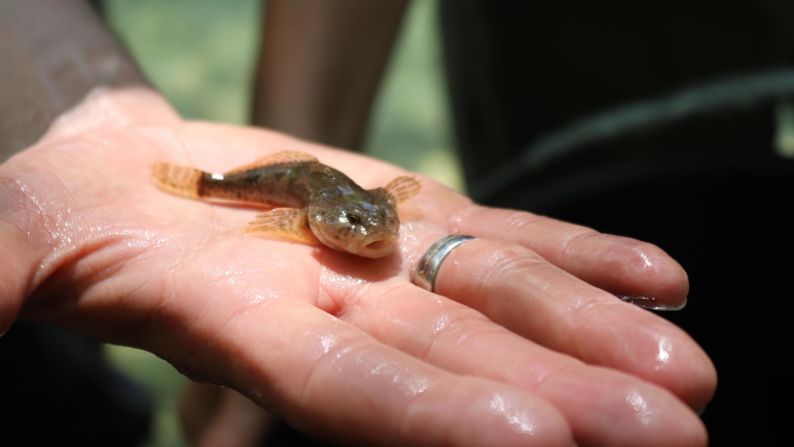
The Neretva is home to trout species, such as the bull trout (pictured) and the endangered soft-mouthed trout. Scientists say that hydropower plants, both big and small, could devastate fish populations because they block or hamper migration.
Nell Lewis/CNN
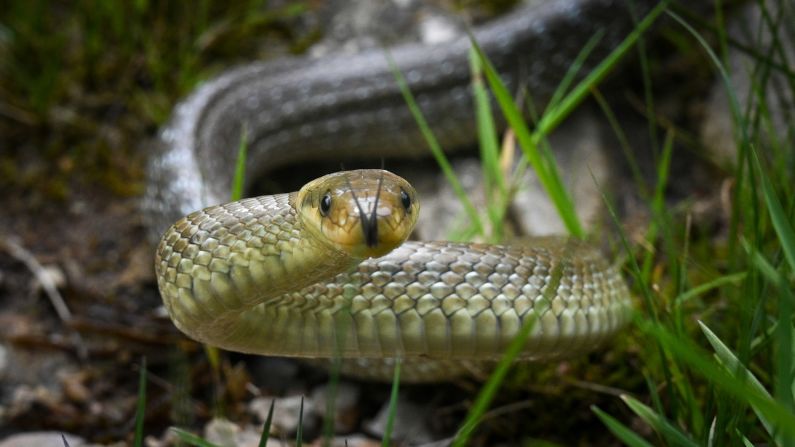
Changes to the river system would have ripple effects on the surrounding environment, affecting land-based species in the region too, such as this snake.
Vladimir Tadic
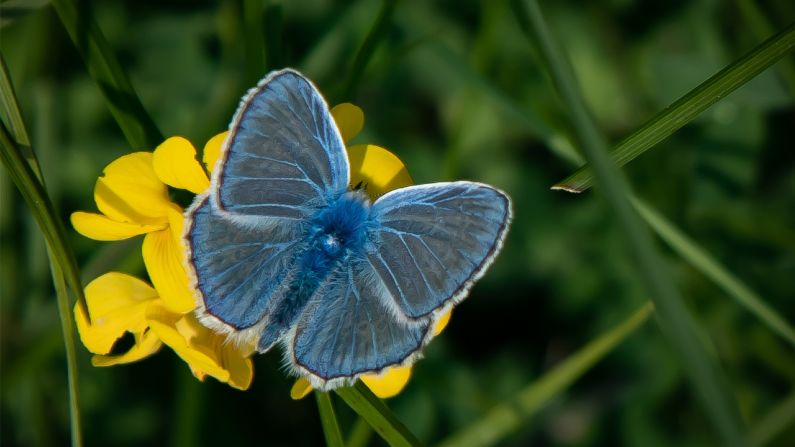
Butterflies that enjoy the flower-rich meadows near the Neretva would also feel the impact.
Ursi Seibert
The goal of the campaign is not to ban hydropower altogether, but to implement no-go zones in areas of key biodiversity, such as the upper Neretva.