The Mesoamerican Reef: A natural corridor for migrating sea life | CNN

CNN values your feedback

1. How relevant is this ad to you?
2. Did you encounter any technical issues?
Thank You!
Your effort and contribution in providing this feedback is much appreciated.
Close
Ad Feedback
World
Africa
Americas
Asia
Australia
China
Europe
India
Middle East
United Kingdom
More
Africa Americas Asia Australia China Europe India Middle East United Kingdom
Watch Listen Live TV
My Account
  • Settings
  • Newsletters
  • Topics you follow
  • Sign out
Your CNN account Sign in to your CNN account

My Account
  • Settings
  • Newsletters
  • Topics you follow
  • Sign out
Your CNN account Sign in to your CNN account

Live TV Listen Watch
Edition
US
International
Arabic
Español
Edition
  • US
  • International
  • Arabic
  • Español

Africa
Americas
Asia
Australia
China
Europe
India
Middle East
United Kingdom

Follow CNN

  • World
    • Africa
    • Americas
    • Asia
    • Australia
    • China
    • Europe
    • India
    • Middle East
    • United Kingdom
  • US Politics
    • Trump
    • Facts First
    • CNN Polls
    • 2026 Elections Calendar
    • Redistricting Tracker
  • Business
    • Tech
    • Media
    • Calculators
    • Videos
  • Markets
    • Pre-markets
    • After-Hours
    • Fear & Greed
    • Investing
    • Markets Now
    • Nightcap
  • Health
    • Life, But Better
    • Fitness
    • Food
    • Sleep
    • Mindfulness
    • Relationships
  • Entertainment
    • Movies
    • Television
    • Celebrity
  • Tech
    • Innovate
    • Foreseeable Future
    • Mission: Ahead
    • Work Transformed
    • Innovative Cities
  • Style
    • Arts
    • Design
    • Fashion
    • Architecture
    • Luxury
    • Beauty
    • Video
  • Travel
    • Destinations
    • Food & Drink
    • Stay
    • News
    • Videos
  • Sports
    • Football
    • Tennis
    • Golf
    • Motorsport
    • US Sports
    • Olympics
    • Climbing
    • Esports
    • Hockey
  • Science
    • Space
    • Life
    • Unearthed
  • Climate
    • Solutions
    • Weather
  • Weather
    • Video
    • Climate
  • Winter Olympics 2026
  • Ukraine-Russia War
  • Israel-Hamas War
  • Features
    • As Equals
    • Call to Earth
    • Freedom Project
    • Impact Your World
    • Inside Africa
    • CNN Heroes
  • Watch
    • Live TV
    • Featured
    • CNN Fast
    • Shows A-Z
    • CNN10
    • CNN TV Schedules
  • Listen
    • CNN 5 Things
    • Chasing Life with Dr. Sanjay Gupta
    • The Assignment with Audie Cornish
    • One Thing
    • Tug of War
    • CNN Political Briefing
    • The Axe Files
    • All There Is with Anderson Cooper
    • All CNN Audio podcasts
  • Games
    • Daily Crossword
    • Jumble Crossword
    • Photo Shuffle
    • Sudoblock
    • Sudoku
    • 5 Things Quiz
  • About CNN
    • Photos
    • Investigations
    • CNN Profiles
    • CNN Leadership
    • CNN Newsletters
    • Work for CNN
Call to Earth
Ad Feedback

The Mesoamerican Reef: A natural corridor for migrating sea life

By Chelsea Lee, CNN
Published 3:59 AM EDT, Thu June 30, 2022
Link Copied!
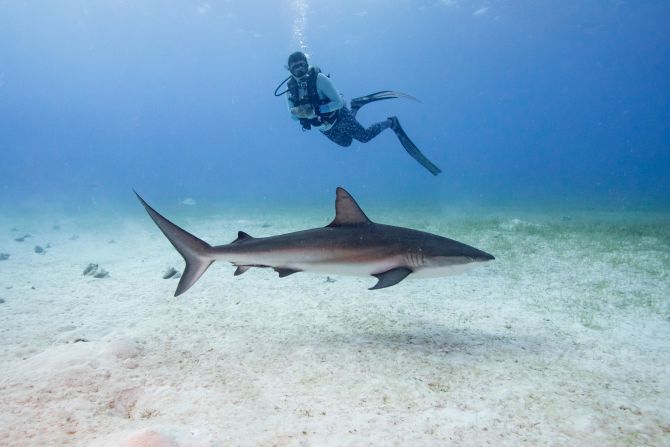
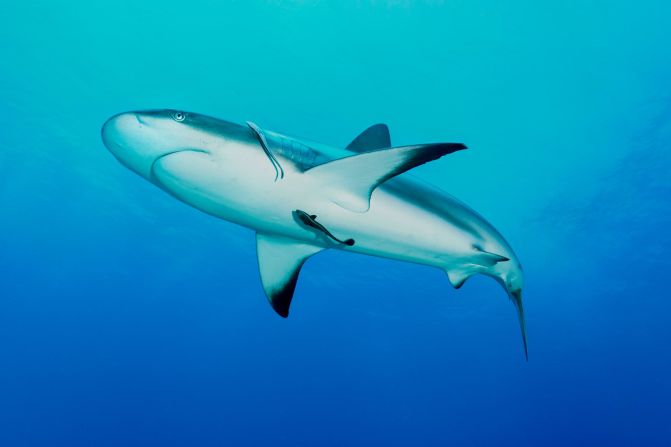
The Mesoamerican Reef is the second largest reef in the world, spanning Mexico, Belize, Guatemala and Honduras. More than 600 miles in length, the reef is a natural corridor for migrating marine life, such as the the Caribbean reef shark, pictured, and home to a host of ecosystems such as coral reefs, mangroves and seagrasses.
Rick Miskiv
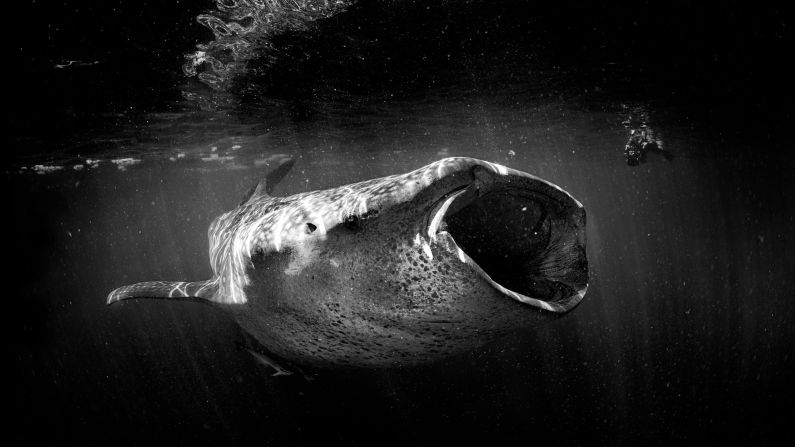
The largest fish in the ocean, the <a href="index.php?page=&url=https%3A%2F%2Fwww.maralliance.org%2Fspecies%2Fwhale-shark%2F" target="_blank" target="_blank">whale shark</a>, is a frequent user of the marine corridor along the Mesoamerican Reef. The whale shark migrates seasonally towards areas with high concentrations of zooplankton, swimming with their mouths wide open to feed.
The largest fish in the ocean, the whale shark, is a frequent user of the marine corridor along the Mesoamerican Reef. The whale shark migrates seasonally towards areas with high concentrations of zooplankton, swimming with their mouths wide open to feed.
Rick Miskiv
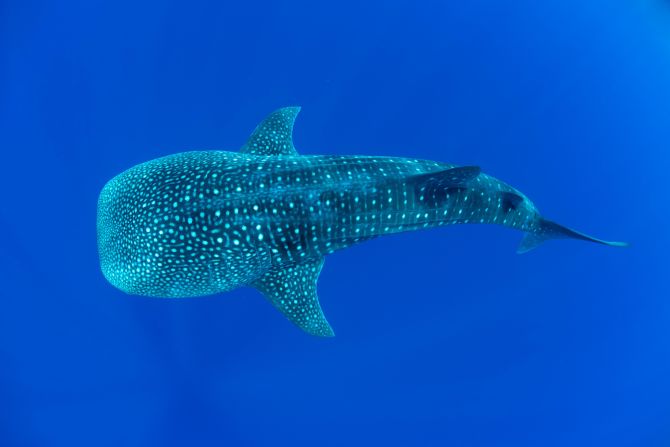
<a href="index.php?page=&url=https%3A%2F%2Fwww.maralliance.org%2Fspecies%2Fwhale-shark%2F" target="_blank" target="_blank">Whale sharks</a> are protected in Mexico, Belize and Honduras, where they are a tourist attraction. But overfishing has been threatening shark populations and they are killed either as bycatch or sometimes illegally caught for their fins.
Whale sharks are protected in Mexico, Belize and Honduras, where they are a tourist attraction. But overfishing has been threatening shark populations and they are killed either as bycatch or sometimes illegally caught for their fins.
Rick Miskiv
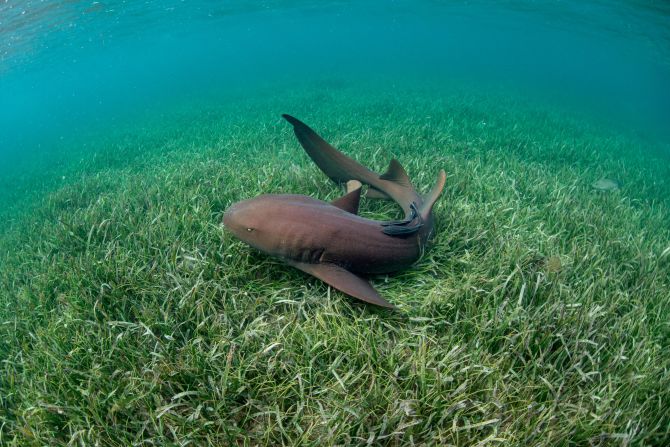
Depending on the species, shark populations can be slow to recover. Nurse sharks (pictured) have been <a href="index.php?page=&url=https%3A%2F%2Fwww.maralliance.org%2Fspecies%2Fnurse-shark%2F" target="_blank" target="_blank">protected from fishing in Belize since 2012</a>, but since they require 25 years to reach sexual maturity, a small decline in population <a href="index.php?page=&url=https%3A%2F%2Fwww.ncbi.nlm.nih.gov%2Fpmc%2Farticles%2FPMC8384212%2F" target="_blank" target="_blank">can significantly stunt their ability to recover in numbers</a>.
Depending on the species, shark populations can be slow to recover. Nurse sharks (pictured) have been protected from fishing in Belize since 2012, but since they require 25 years to reach sexual maturity, a small decline in population can significantly stunt their ability to recover in numbers.
Rick Miskiv
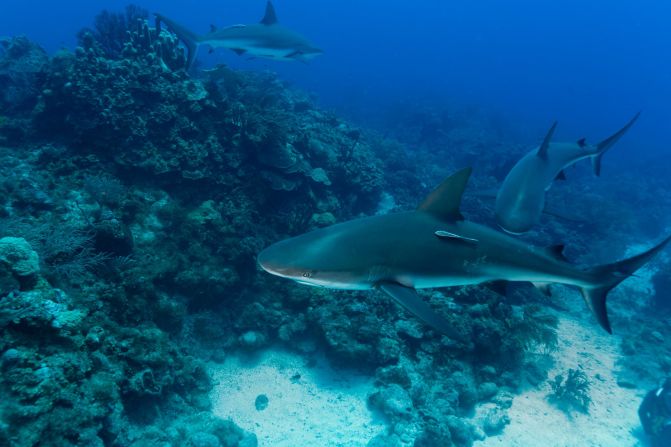
The Caribbean Reef Shark is the<a href="index.php?page=&url=https%3A%2F%2Fwww.maralliance.org%2Fspecies%2Fcaribbean-reef-shark%2F" target="_blank" target="_blank"> most common coral reef shark</a> in the western Atlantic Ocean and can often be found in the Belize Barrier reef or sometimes swimming from Belize to Mexico. The sharks move through the reef to find new feeding grounds and often instinctively follow the reef to return home.
The Caribbean Reef Shark is the most common coral reef shark in the western Atlantic Ocean and can often be found in the Belize Barrier reef or sometimes swimming from Belize to Mexico. The sharks move through the reef to find new feeding grounds and often instinctively follow the reef to return home.
Rick Miskiv
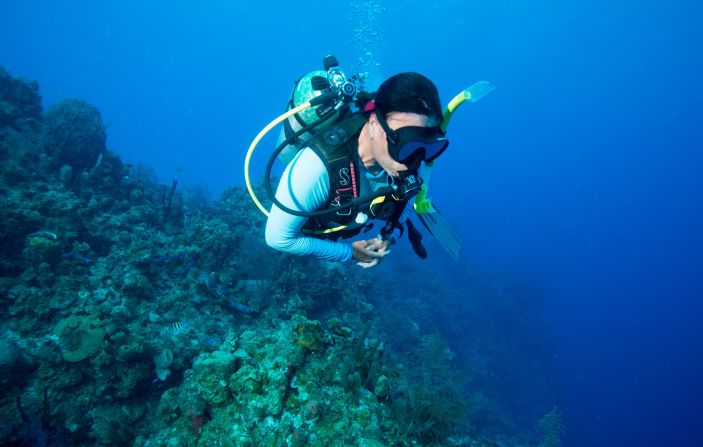
Non-profit organization MarAlliance has been studying the Mesoamerican Reef over the last 15 years and working with fishing communities to help reverse the decline of shark populations. By engaging with locals, MarAlliance wants to help dispel any fears surrounding sharks and teach fishers how to safely release sharks from bycatch.
MarAlliance
MarAlliance is also tracking the movements of sharks using satellite tags. Every time a tagged shark comes to the surface, its location and the temperature of the immediate environment is recorded. This helps to keep track of populations and understand their behaviors, including migration routes and patterns.
MarAlliance
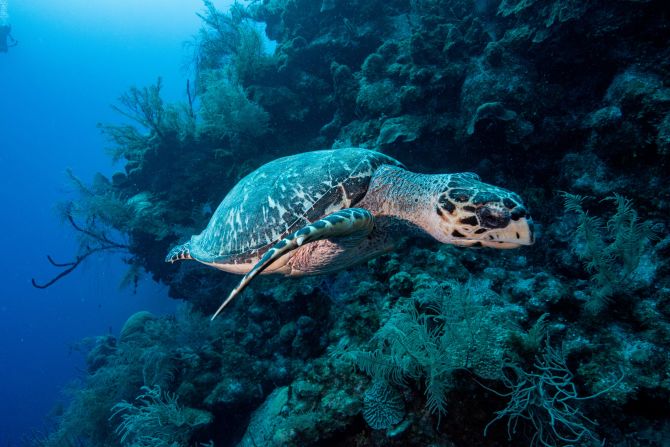
Other marine animals use the reef corridor too. The <a href="index.php?page=&url=https%3A%2F%2Fwww.maralliance.org%2Fspecies%2Fhawksbill-turtle%2F" target="_blank" target="_blank">Hawksbill turtle</a> is a highly migratory species and feeds on sponges that might otherwise compete with reef-building corals for space.
Other marine animals use the reef corridor too. The Hawksbill turtle is a highly migratory species and feeds on sponges that might otherwise compete with reef-building corals for space.
MarAlliance
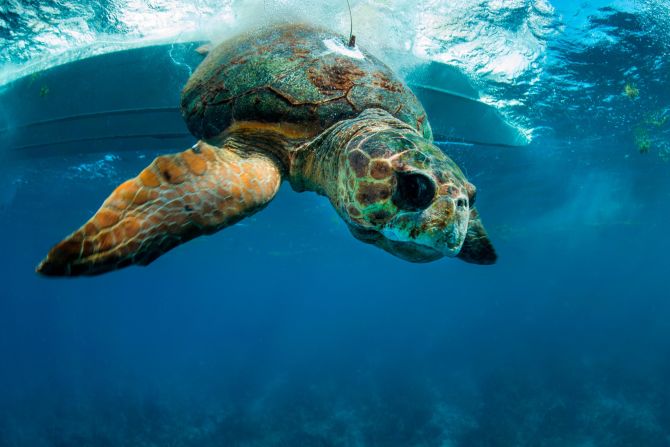
This male loggerhead turtle is the largest of its species to be satellite tagged by MarAlliance. <a href="index.php?page=&url=https%3A%2F%2Fwww.maralliance.org%2Fspecies%2Floggerhead-turtle%2F" target="_blank" target="_blank">Adult loggerhead turtles</a> can migrate thousands of miles to nesting beaches in early spring and summer.
This male loggerhead turtle is the largest of its species to be satellite tagged by MarAlliance. Adult loggerhead turtles can migrate thousands of miles to nesting beaches in early spring and summer.
Rick Miskiv

My Account
  • Settings
  • Newsletters
  • Topics you follow
  • Sign out
Your CNN account Sign in to your CNN account

Live TV Listen Watch
  • World
    • Africa
    • Americas
    • Asia
    • Australia
    • China
    • Europe
    • India
    • Middle East
    • United Kingdom
  • US Politics
    • Trump
    • Facts First
    • CNN Polls
    • 2026 Elections Calendar
    • Redistricting Tracker
  • Business
    • Tech
    • Media
    • Calculators
    • Videos
  • Markets
    • Pre-markets
    • After-Hours
    • Fear & Greed
    • Investing
    • Markets Now
    • Nightcap
  • Health
    • Life, But Better
    • Fitness
    • Food
    • Sleep
    • Mindfulness
    • Relationships
  • Entertainment
    • Movies
    • Television
    • Celebrity
  • Tech
    • Innovate
    • Foreseeable Future
    • Mission: Ahead
    • Work Transformed
    • Innovative Cities
  • Style
    • Arts
    • Design
    • Fashion
    • Architecture
    • Luxury
    • Beauty
    • Video
  • Travel
    • Destinations
    • Food & Drink
    • Stay
    • News
    • Videos
  • Sports
    • Football
    • Tennis
    • Golf
    • Motorsport
    • US Sports
    • Olympics
    • Climbing
    • Esports
    • Hockey
  • Science
    • Space
    • Life
    • Unearthed
  • Climate
    • Solutions
    • Weather
  • Weather
    • Video
    • Climate
  • Winter Olympics 2026
  • Ukraine-Russia War
  • Israel-Hamas War
  • Features
    • As Equals
    • Call to Earth
    • Freedom Project
    • Impact Your World
    • Inside Africa
    • CNN Heroes
  • Watch
    • Live TV
    • Featured
    • CNN Headlines
    • Shows A-Z
    • CNN10
    • CNN TV Schedules
  • Listen
    • CNN 5 Things
    • Chasing Life with Dr. Sanjay Gupta
    • The Assignment with Audie Cornish
    • One Thing
    • Tug of War
    • CNN Political Briefing
    • The Axe Files
    • All There Is with Anderson Cooper
    • All CNN Audio podcasts
  • Games
    • Daily Crossword
    • Jumble Crossword
    • Photo Shuffle
    • Sudoblock
    • Sudoku
    • 5 Things Quiz
  • About CNN
    • Photos
    • Investigations
    • CNN Profiles
    • CNN Leadership
    • CNN Newsletters
    • Work for CNN

World
Watch Listen Live TV
My Account
  • Settings
  • Newsletters
  • Topics you follow
  • Sign out
Your CNN account Sign in to your CNN account
Follow CNN

Download the CNN app

Terms of Use Privacy Policy Ad Choices Accessibility & CC About Newsletters Transcripts

© 2026 Cable News Network. A Warner Bros. Discovery Company. All Rights Reserved.
CNN Sans ™ & © 2016 Cable News Network.

Download the CNN app

Scan the QR code to download the CNN app on Google Play.

Scan the QR code to download the CNN app from Google Play.

Download the CNN app

Scan the QR code to download the CNN app from the Apple Store.

Scan the QR code to download the CNN app from the Apple Store.