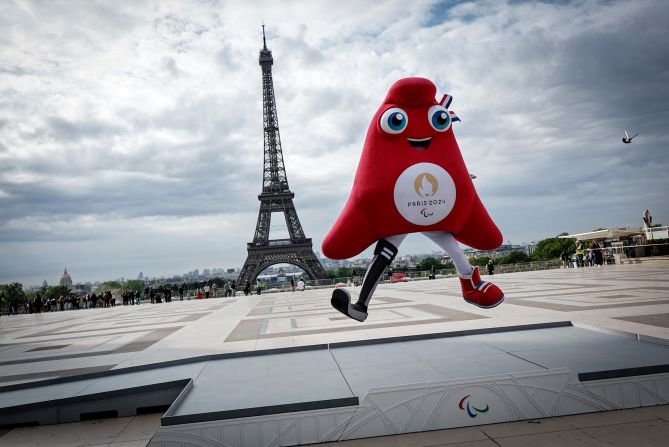
The Phryge, Paris 2024 Paralympics mascot, poses during a presentation to the press.
Stephane De Sakutin/AFP/Getty Images
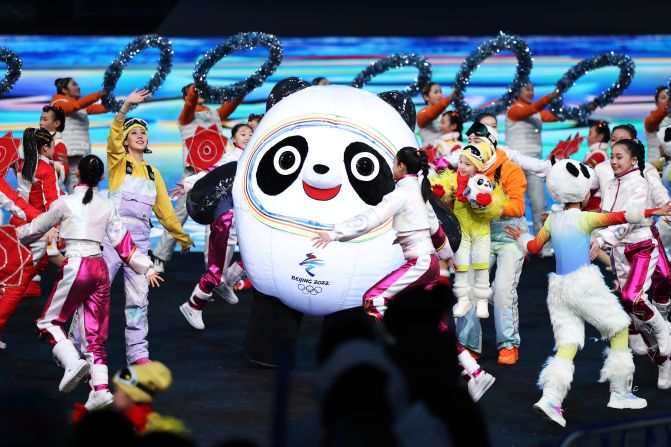
Merchandise featuring Beijing mascot Bing Dwen Dwen, the 2022 Winter Olympics mascot, has been extremely popular.
Lintao Zhang/Getty Images
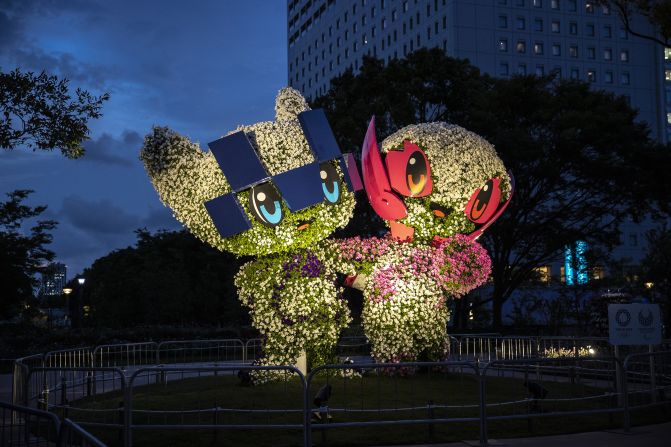
Here Miraitowa and Someity, the mascots for the Tokyo 2020 Games, have been re-created using floral arrangements.
Maja Hitij/Getty Images
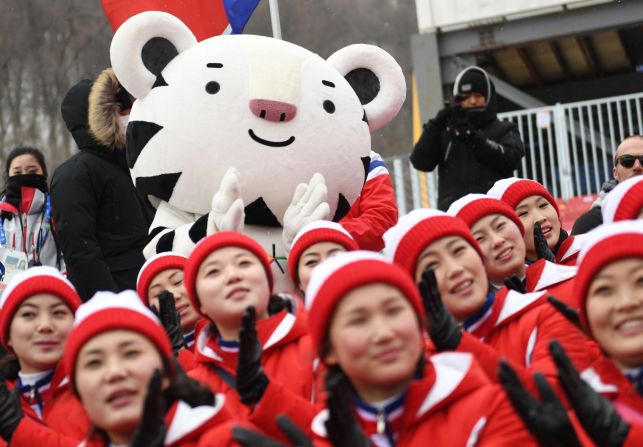
The 2018 Korean Olympics were represented by Soohorang the tiger, whose name "Soohoo" translate to protection.
MARTIN BERNETTI/AFP/AFP via Getty Images
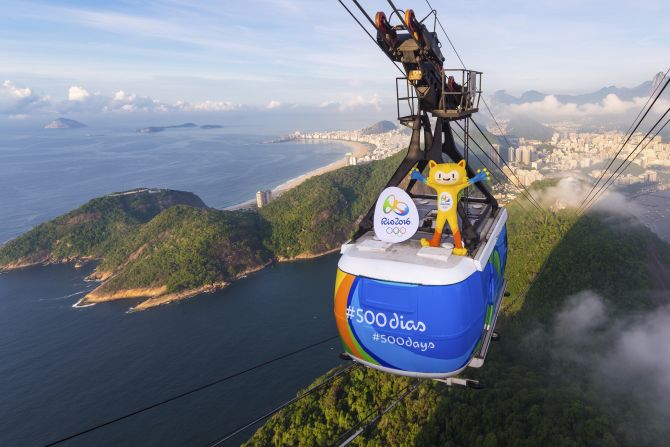
Rio 2016 Olympic mascot Vinicius was selected four years before the Games kicked off.
Alex Ferro/Reuters
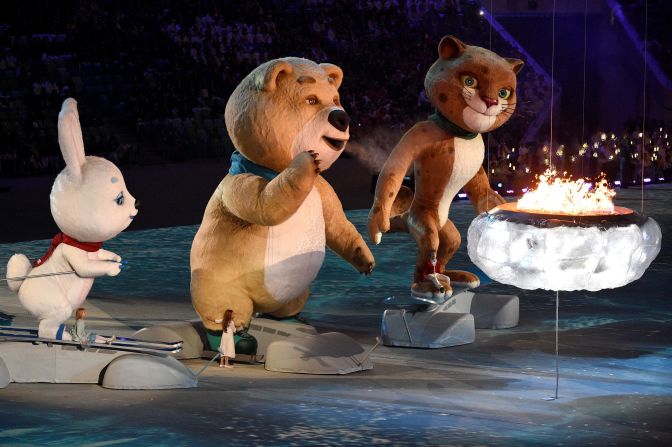
For the Sochi Winter Games in 2014, a rabbit, polar bear and leopard took to the Olympic stage.
Andrej Isakovic/AFP/Getty Images
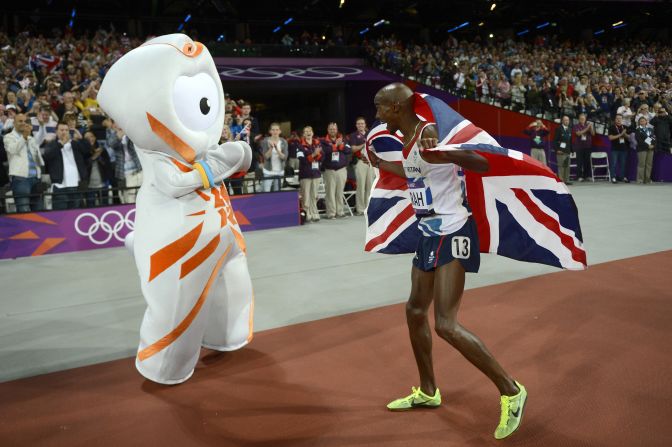
Two one-eyed aliens were created for the 2012 London Olympics. Here, Mo Farah celebrates with one of the mascots, called Wenlock.
Adrian Dennis/AFP/Getty Images
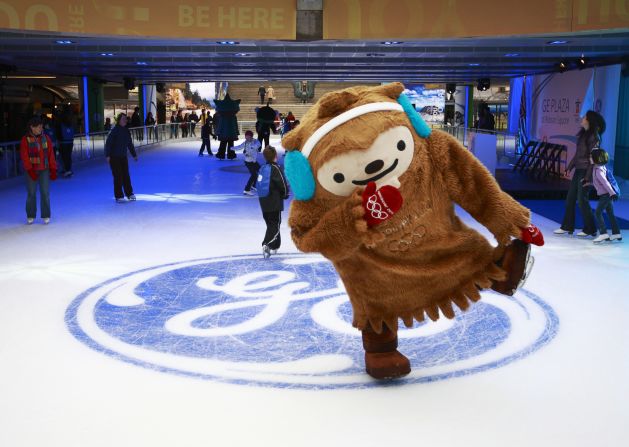
A Sasquatch called Quatchi was the official mascot for the 2010 Olympic Games in Vancouver, Canada.
Jeff Vinnick/Getty Images
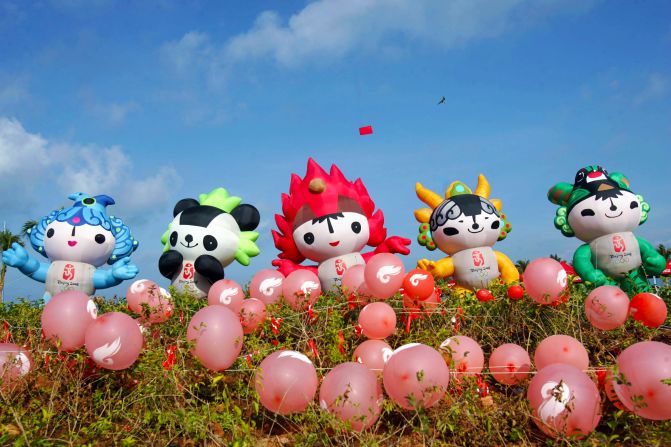
Beijing created five mascots for the 2008 Olympics. The names of each character spell out "Beijing welcomes you."
China Photos/Getty Images
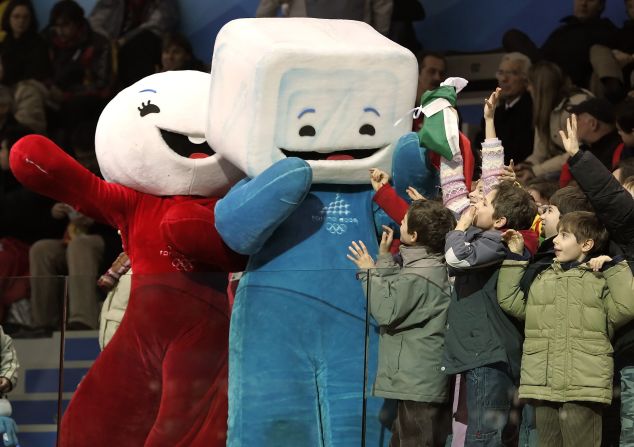
Neve and Gliz represent snow and ice. They were designed for the 2006 Winter Olympics in Turin, Italy.
Amy Sancetta/AP
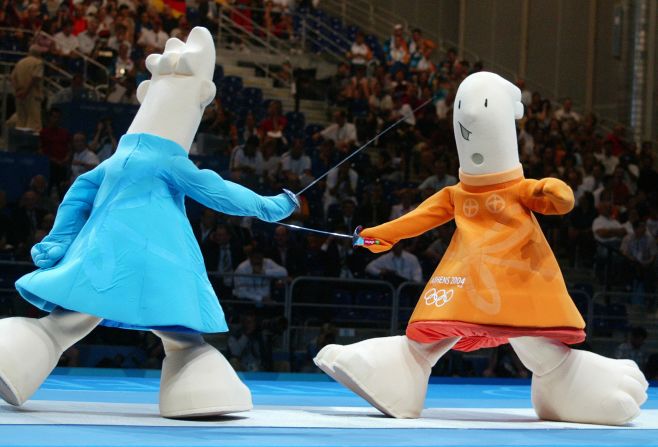
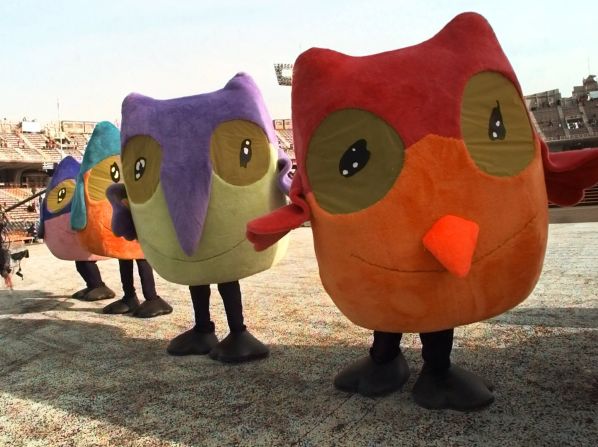
For the 2004 Olympic Games in Athens, an abstract cartoon pair called Phevos and Athena were created to challenge old school design.
Michael Sohn/AP
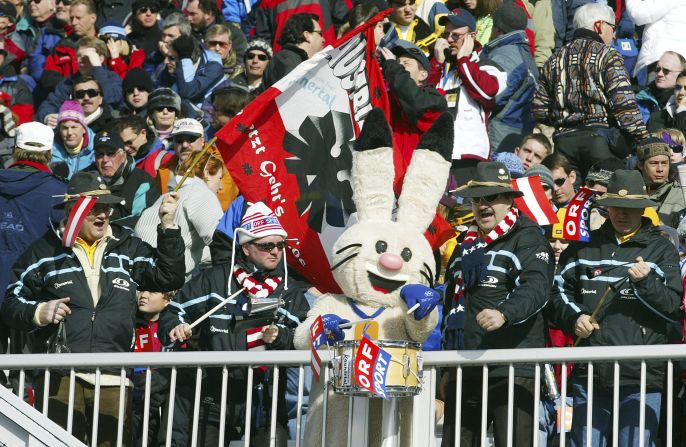
Three mascots represented the Salt Lake City Winter Games in 2002: Powder, Coal and Copper; a snowshoe hare; a coyote, and a black bear. Here is Powder at women's downhill in Snowbasin, Utah.
Rudi Blaha/AP
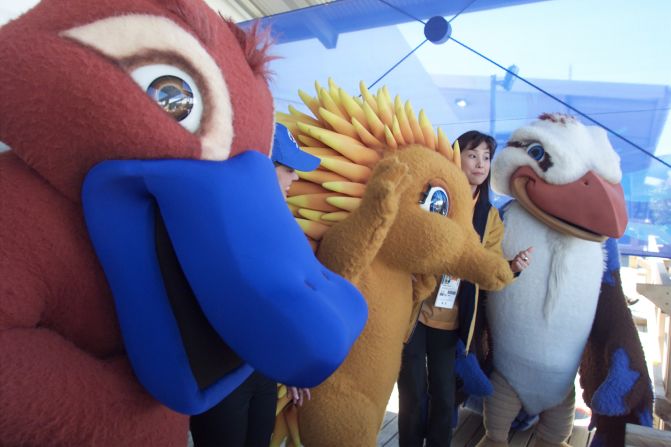
Syd the platypus, Millie the echidna and Olly the kookaburra, helped represent the Sydney 2000 Olympic Games.
Claro Cortes/Reuters
These "Snowlet" creatures were the Olympic mascots for the 1998 Winter Games in Japan.
Eric Draper/AP
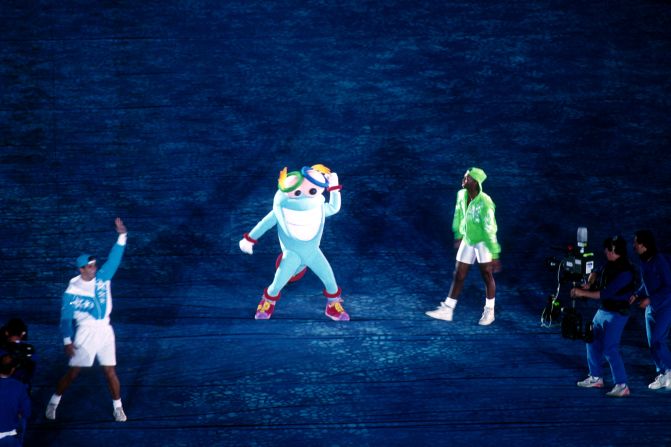
The mascot for the 1996 Atlanta Olympics, Izzy Whatizit, makes his debut appearance on stage.
Ross Kinnaird/EMPICS/PA Images/Getty Image
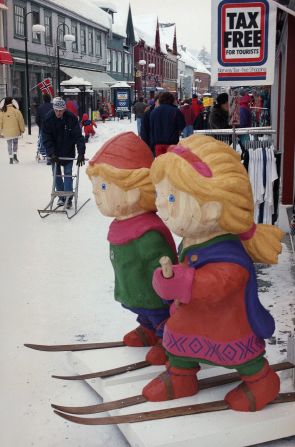
The 1994 mascots for the Lillehammer Games were made of wood.
Michel Euler/AP
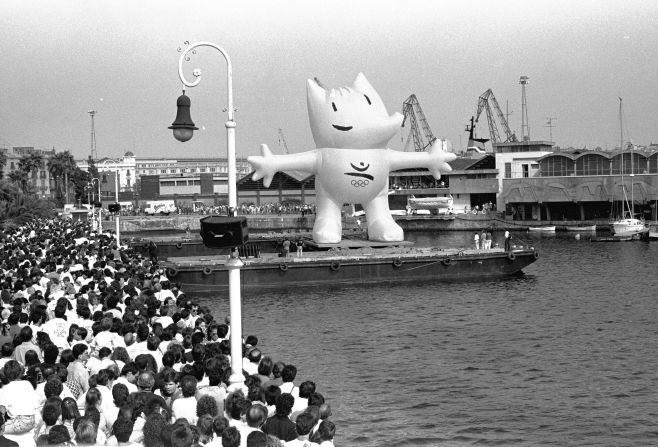
Cobi, official mascot of the 1992 Summer Olympic Games in Barcelona, comes up to the surface in Barcelona's Port to celebrate the arrival of the Olympic Flag.
Amicar de Leon/AP
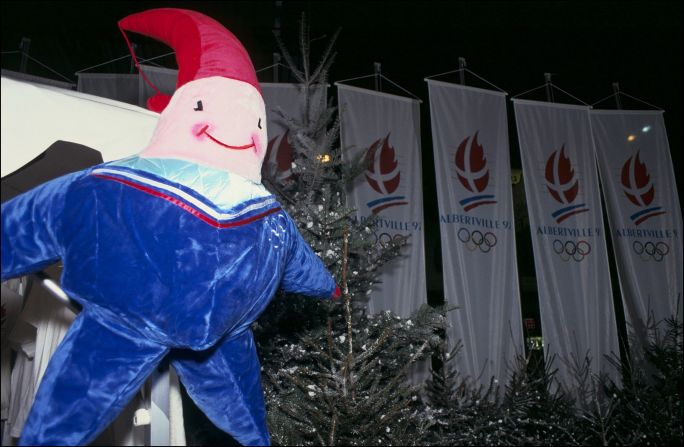
The Albertville Olympic Games in 1992 was cheered on by a star-shaped gnome-looking character.
Nicolas Le Corre/Gamma-Rapho/Getty Images
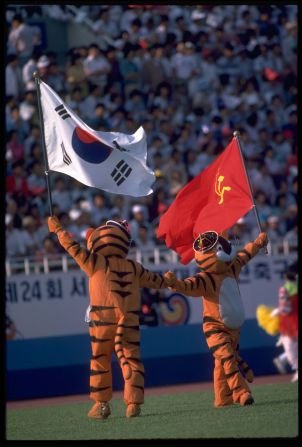
For the 1988 Games in South Korea, Hodori the tiger cheered on the athletes.
David Cannon/David Cannon Collection/Getty Images
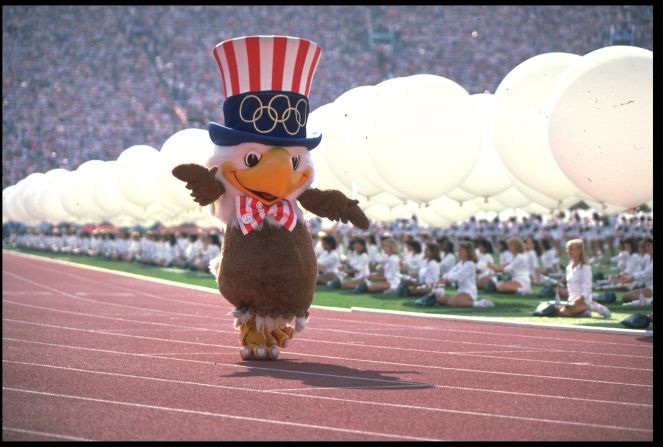
Sam the Eagle for the 1984 Summer Olympics was designed by Disney.
Tony Duffy/Getty Images
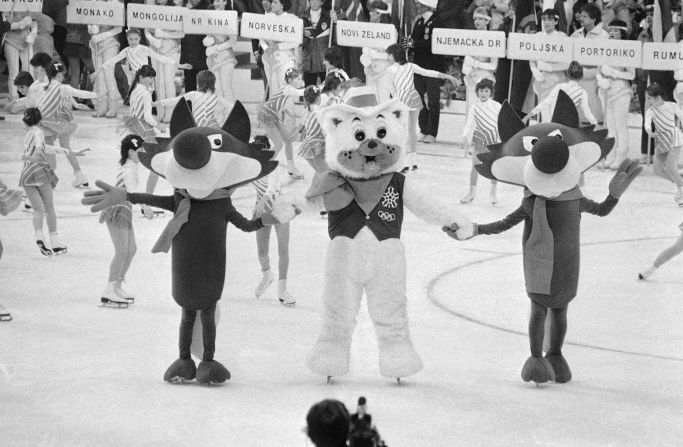
Vucko the wolf, the symbol for the 1984 Winter Olympic Games in Sarajevo's Yugoslavia, dances with Howdy the bear, who went on to represent the Games in Calgary, Alberta, Canada in 1988.
Dieter Endlicher/AP
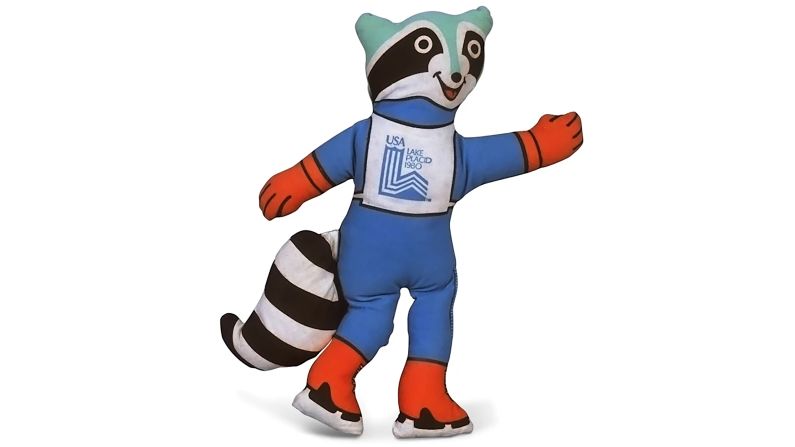
Roni the raccoon was selected for the 1980 Winter Olympics in Lake Placid.
International Olympic Committee
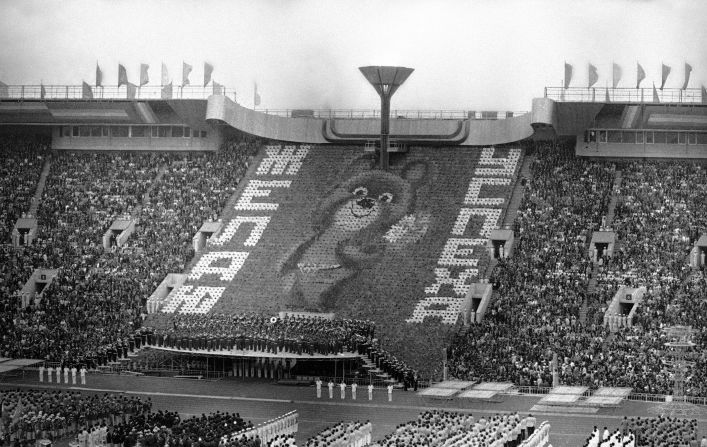
Card-bearing people form image of Misha, the Russian bear mascot of the 1980 Summer Olympic Games, flanked by the worlds, "Good Luck," in Russian during opening ceremonies of the games in Moscow's Lenin Stadium.
AP
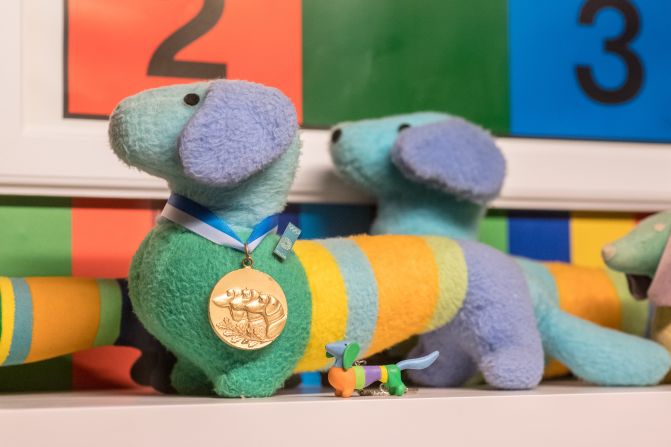
Waldi, the dachshund mascot of the 1972 Olympics in Munich, on display at the Dachshund Museum.
Armin Weigel/picture alliance/Getty Images
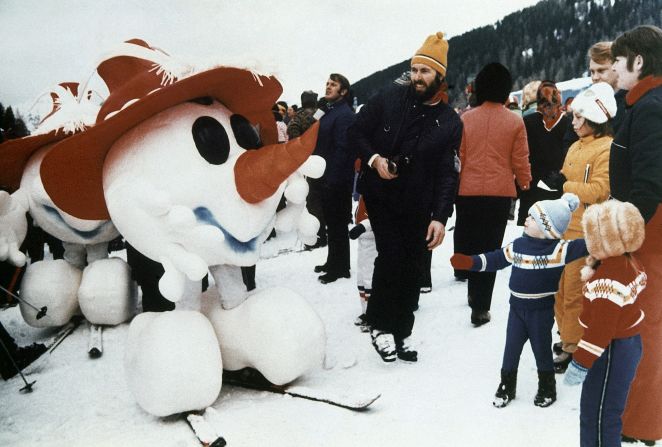
A snowman, mascot of the 1976 Winter Olympics in Innsbruck, greets children in Kitzbuhel, Austria, during the world downhill ski events, January 1975.
AP
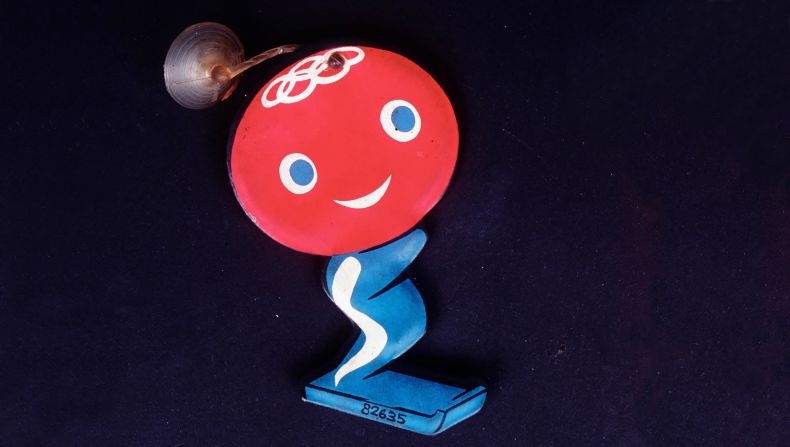
Shuss was the first ever mascot used in the Olympics Games back in 1968.
International Olympic Committee
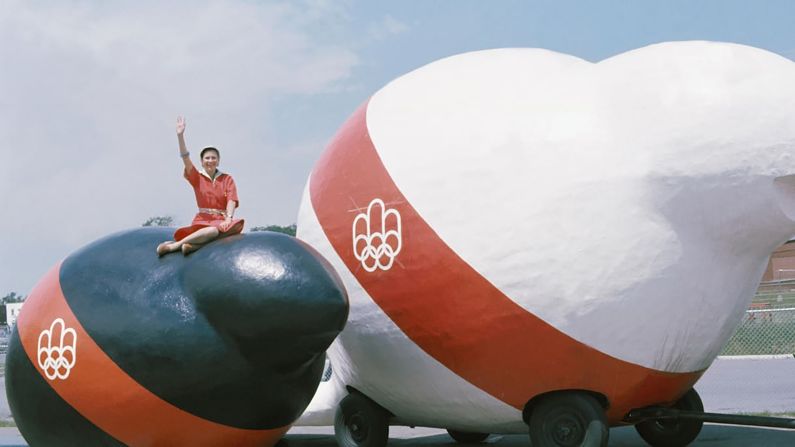
The mascot of the 1976 Montreal Games was a chunky beaver called Amik. Amik means "beaver" in Algonquin, a widespread language among the Indigenous people in Canada.