What we're tracking
• Millions on the move: More than 81 million people in the US are expected to travel for the Thanksgiving holiday this year, AAA projects, contending with stormy weather and high gas prices. Tuesday is expected to be the busiest day at US airports, according to the Federal Aviation Administration. See flight delays and cancellations here.
• Dual storms: Wet and windy conditions will hit the East Coast this week, along with potentially serious coastal flooding in the Mid-Atlantic. Conditions could be troublesome enough to affect the 100th Macy’s Thanksgiving Day Parade. Much of the West Coast will face coastal flooding too, including near-record high tides in the San Francisco Bay Area.
• Tech worries: The busy travel period comes after a tech outage forced the Federal Aviation Administration to ground aircraft nationwide about a week and a half ago. Transportation Secretary Sean Duffy dismissed concerns that the system failure would impact Thanksgiving travelers.
Updates
(20)Southeast travelers: What to expect weather-wise this week

Time is ticking for travelers to get to their holiday destinations. The Southeast has one more day until the weather gets tricky for travel as the storm that will sweep up the East Coast gets its act together.
Tuesday:
It’ll be a cloudy and gloomy but largely dry day across the region before the storm starts developing overnight.
A few showers are possible in Florida and parts of Georgia, but it shouldn’t cause much trouble for anyone driving or flying. Florida’s Space Coast is the driving exception as serious flooding from recent weeks has yet to recede.
Wednesday:
Steady rain will begin by very early Wednesday morning in South Florida from the strengthening storm. A few thunderstorms could rumble to life too.
Wet roads could make for slow travel around Florida’s peninsula and any lightning could prompt ground stops at area airports, including Miami International Airport.
Rain will spread into the Carolinas throughout the day as another area of rain connected to the storm hits Mississippi and the Florida Panhandle. It could cause slowdowns and drivers should watch for any ponding on roads.
Thursday:
The storm will largely move north out of the Southeast for Thanksgiving. It will be dry but breezy for much of the day, but we’re not expecting winds strong enough to cause power outages or many flight issues.
Underwater tunnel linking Alameda to Oakland closed until Friday amid flooding concerns

As the San Francisco Bay Area prepares for the combined effects of El Niño’s elevated water levels and regular occurring king tides, increasing the potential for flooding, one underwater tunnel connecting Alameda to Oakland has been closed until Friday.
State Route 260, also known as Posey Tube, has been closed until 5 p.m. local time on Friday, “as a precautionary measure to protect state infrastructure ahead of upcoming King Tides,” Caltrans announced.
The Webster Tube, which connects Oakland to Alameda, will remain open, but Caltrans said it will continue to monitor conditions throughout the king tide period.
A temporary flood protection system known as a Tiger Dam has also been installed near the far-right shoulder of the San Francisco-Oakland Bay Bridge Toll Plaza along WB I-80, according to Caltrans.
“The installation is a proactive measure to mitigate potential roadway flooding associated with anticipated King Tides, enhance motorist safety and maintain reliable access to the Bay Bridge,” Caltrans said.
Major coastal flooding could hit parts of the East Coast on Thanksgiving
Some East Coast communities could see their highest water levels of the year, and potentially in years, as a powerful coastal storm pushes water ashore on Thanksgiving morning.
More than a dozen locations from Norfolk, Virginia, to Atlantic City, New Jersey, could reach major flood stage. The National Weather Service expects widespread moderate to major coastal flooding in southeastern Virginia, with up to 2 feet of water above ground level possible in low-lying areas. Major flooding is also possible along parts of the New Jersey and Delaware coasts.
Numerous roads could become impassable, and water could reach low-lying homes and businesses.

This won’t be like the flash flooding that hit parts of the Northeast earlier this month; that was driven mainly by torrential rain overwhelming streets and drainage systems. The most serious Thanksgiving flood threat will come from the ocean and bays as prolonged winds shove water against the coast during king tides — the highest of the year.
The Thanksgiving morning high tide, which hits at 8 a.m. in Atlantic City and within an hour or two elsewhere in the region, is expected to bring the greatest threat. Flooding could linger through Thursday night and, in some back bays, into Friday.
Our Thanksgiving storm is also expected to produce 1 to 2 inches of rain across much of the Northeast and Mid-Atlantic, with locally higher amounts. That could exacerbate coastal flooding in some spots.
Whether the balloons fly during the Macy's parade this year will be a game-time decision


The Macy’s Thanksgiving Day Parade balloons are in serious jeopardy of not flying this year, if the forecast has anything to say about it. But we won’t know for sure until Thursday morning, possibly even minutes before your favorite float heads down the parade route.
The balloons vary in size and shape and fly at different heights and angles, even in perfect weather. So, it’s possible that some balloons could fly despite the expected bad weather.
The deciding factor will be the wind. If winds are sustained at 23 mph or gusts exceed 34 mph, by city rule, all the balloons must be grounded for safety reasons. And that has only happened once, in 1971.
Winds are expected to strengthen Thursday morning in Manhattan, with sustained winds of 20 to 25 mph and gusts of 35 to 45 mph during the parade.
There’s some good news: Even if balloons are grounded, it does not mean the parade will be canceled. There are still floats and performers to fill the parade, including Turkey Tom at the beginning and Santa at the end.
Mayor Zohran Mamdani, the NYPD and representatives from Macy’s are expected to hold a press conference at 5:30 p.m. ET on Wednesday to provide more details.
Has the Macy's Thanksgiving Day Parade ever been canceled due to weather?

Many Americans may be wondering how expected downpours and strong winds on Thursday will be affecting the 100th Macy’s Thanksgiving Day Parade.
Historically, the parade has marched on, rain or shine. It has only been canceled three times, from 1942 to 1944, during World War II. During that time, Macy’s President Jack Straus donated approximately 650 pounds of rubber balloon material to the war effort. In 1945, after the war ended, 2 million people turned out for the parade.
Weather did impact the parade significantly in 1971, when all parade balloons were grounded because of a torrential downpour that would have made balloon flight perilous.
In 2020, the Covid-19 pandemic meant the giant balloons, festive floats and performers traveled Manhattan’s streets without the usual millions lining the parade route to watch.
While this year’s festivities will likely be wet and windy, the parade’s executive producer, Will Cross, told CNN affiliate NY1 their teams train in advance to determine how high balloons can fly based on wind conditions.
FAA projects Tuesday to be the busiest day to travel
The Federal Aviation Administration projects Tuesday will be the busiest day at US airports, with over 52,000 flights expected to take off.
More than 417,000 flights are scheduled over the nine-day holiday period, from November 23 to December 1.
“Our air traffic controllers and safety professionals are working around the clock to keep Americans moving during what is expected to be the busiest Thanksgiving travel week in 16 years,” said FAA Administrator Bryan Bedford in a news release.
Other busy travel days include Sunday, November 29; Monday, November 30; and Tuesday, December 1, with more than 50,000 flights expected each day. The Wednesday before Thanksgiving, November 25, will also be busy, with more than 49,000 flights scheduled.
Have your travel plans changed? Tell us about it
Here's when Bay Area airports will face the worst weather conditions
Disruptive weather conditions are building in the Bay Area that could impact air travel through Thanksgiving Day.
Fortunately, tide forecasts have come down slightly in recent days, so San Francisco International Airport (SFO) could avoid the worst-case coastal flooding scenario that was feared this weekend. Oakland San Francisco Bay Airport’s (OAK) flood mitigation infrastructure should also keep its main runway from flooding.
Wind is still likely to pose problems for planes taking off and landing as a storm approaches from the Pacific. Here’s when to expect issues.
Tuesday:
High tide for San Francisco, 10:05 a.m. PT: Water levels are forecast to hit 2.4 feet above normal. Flooding on low-lying roads around the Bay is likely, including around SFO and OAK.
Wind: Speeds will increase in the area later this morning, with sustained winds of 20 to 25 mph around noon. Gusts of 30 mph are possible from late afternoon through the evening. Winds could be slightly lower at OAK.

Rain: Arrives around 7 p.m. PT. It will be light at first but could be steady or borderline heavy overnight. Rain should end by early Wednesday morning.
Wednesday:
High tide for San Francisco, 10:49 a.m. PT: Water levels are forecast to hit 2.7 feet above normal. Flooding on low-lying roads around the Bay is likely, including around SFO and OAK.
Wind and rain: Minimal issues expected from wind and rain will largely be over by sunrise.
Thursday:
High tide for San Francisco, 11:38 a.m. PT: Water levels are forecast to hit 2.2 feet above normal. Flooding on low-lying roads around the Bay is possible, including around SFO and OAK.
Drop of gas prices this month good news for millions of Thanksgiving drivers



A recent trend of falling gas prices is likely welcome news for the majority of Thanksgiving travelers this week. Of the more than 81 million people expected to travel for the holiday this year, almost 90% of them are expected to make it a road trip, according to AAA.
This year’s projected 72.9 million people traveling by car is down about 200,000 road travelers from last year, in part because of high gas prices, the organization said.
The national average for gas has never been above $4 on Thanksgiving day, and prices dropped below that mark earlier this month for the first time since July, according to AAA. Drivers paid the most at the pump on Thanksgiving Day in 2022 when the national average was $3.58 on November 24, it said.
Americans have spent an extra $162 billion on gasoline and diesel since the Iran war started, according to research from Brown University. That amounts to more than $1,200 per household.
What has caused the drop? First, some of this is driven by the calendar. Demand for gas almost always declines when it gets darker earlier and temperatures drop.
Second, oil futures have retreated from triple-digit territory. Those declines have been driven in part by the fact that the feared re-escalation of the Iran war hasn’t happened, at least not yet. Not only that, but crude continues to exit the Strait of Hormuz, even as the United States and Iran continue to fiercely contest the narrow waterway.
California stages equipment and rescue teams ahead of king tides

California’s Office of Emergency Services is coordinating with local officials to stage heavy equipment, search and rescue crews, and other resources ahead of the king tides. The office has approved requests for personnel and equipment from Alameda, Humboldt, Marin, San Francisco, Solano and Ventura counties.
San Francisco officials are also encouraging city residents to move parked cars and other belongings from areas that may flood.
The National Weather Service has issued coastal flood warnings and advisories for a large stretch of the California coastline ahead of the very high tides this week. Peak flooding is expected on Tuesday and Wednesday morning around the Bay Area and on Wednesday and Thursday morning in areas farther south.
Chicago’s O'Hare International Airport expected to set Thanksgiving travel week record
More than two million passengers are expected to travel through Chicago’s airports between today and Monday, with Chicago’s O’Hare International Airport likely to set another Thanksgiving travel week record, the Chicago Department of Aviation (CDA) said.
Nearly 1.67 million travelers are anticipated at O’Hare through Monday, a more than 7% increase from 2025 and a new record for the airport, according to the CDA. A peak number of passengers are expected there on Sunday, as the CDA anticipates more than 297,000 passengers passing through.
More than 353,000 passengers are also projected to travel through Chicago Midway International Airport between now and Monday, up nearly 2% over the previous year, according to the CDA. Sunday will likely also be Midway’s peak day, with more than 61,000 passengers projected to pass through the airport.
Keep in mind: Passengers traveling through either of Chicago’s airports should arrive early and allow extra travel time, the CDA recommends.
A strong storm and near-record tides are hitting San Francisco this week


San Francisco Bay could rise to near-record levels this week, as a strong storm coupled with some of the year’s highest tides moves ashore, threatening travel disruptions and flooding along city streets on some of the busiest travel days of the year.
The National Weather Service issued a rare coastal flood warning for Monday through Thanksgiving Day, with peak flooding around each morning’s high tide, and the highest water expected Wednesday.
As holiday flyers fill airports this week, impacts on flights are a key concern. San Francisco International Airport, which had more than 1.8 million passengers pass through its gates in the 12 days around Thanksgiving last year, and Oakland-San Francisco Bay Airport, which expects about 250,000, both sit on low-lying land right along the bay.
Water levels may reach as much as 2.8 feet above a normal high tide, approaching the record set in 1983, Dylan Flynn, a lead meteorologist with the National Weather Service’s San Francisco Bay Area office, told CNN.
He said Thanksgiving week “just happens to be unfortunately lining up with the highest tides we’ve seen in 40 years.”
Arriving at the airport could be its own challenge.
Buckle up and stay sober: A look at official tips for driving safely over Thanksgiving

Tens of millions of people are expected to travel this week for Thanksgiving, with AAA projecting that 72.9 million people will travel by car for the holiday.
With so many people on the road, the National Highway Traffic Safety Administration (NHTSA) has shared some tips on how to travel safely if you’ll be driving this holiday period:
- Wear a seat belt. During the Thanksgiving holiday weekend in 2024, 286 people were killed in traffic crashes, according to the NHTSA. Of those, 45% were not wearing seat belts, the agency added.
- Don’t drive after drinking. On Thanksgiving Eve in 2024, 109 drivers were involved in fatal traffic crashes, the NHTSA said, adding that 33% of those drivers were impaired by alcohol. Between 2020 and 2024, 910 people were killed in drunk driving crashes during the Thanksgiving holiday period, it said.
- Don’t drive under the influence of drugs. “Tetrahydrocannabinol (THC) — the chemical responsible for most of marijuana’s psychoactive effects — can impact how a person drives,” the NHTSA said. THC can slow a driver’s reaction time, make it more difficult for them to stay in their lane and impair cognitive performance, it said.
- Schedule a taxi or rideshare: If you’re planning on drinking or otherwise becoming inebriated, pre-book your method of transportation home, or take public transport, the NHTSA advises. Alternatively, have a sober friend pick you up, it suggests.
Travelers brace for busy airports, after disruptions snarled flights over last 2 weeks

Thanksgiving travelers across the US are heading to the airports and hoping to avoid a repeat of recent technology problems that snarled flights in recent days.
More than a million people were stranded at airports on Friday, November 13 after network problems forced the Federal Aviation Administration to ground all planes nationwide.
Just days later, on November 16, a computer outage at United Airlines led that carrier to stop all flights for about 30 minutes. The systems that went down included flight planning, weather briefing and crew management tools.
Then, on Sunday, more than 2,000 Delta Air Lines flights were delayed and more than 200 flights were canceled, according to tracking site FlightAware, after problems with the system that automatically calculates aircraft weight and balance stopped working.
The Transportation Security Administration said it expects to screen 17.6 million people from November 24 to 30.
The best times to drive this Thanksgiving

If you’re driving to visit friends and family this Thanksgiving, it’s a good idea to get on the road early, according to AAA.
The best time to travel during the holiday is either early in the morning or on Thanksgiving Day.
Here’s a breakdown of the best times:
- Tuesday, November 24 before 1 p.m.
- Wednesday, November 25 before 12 p.m.
- Thanksgiving Day: Minimal travel impact expected
- Friday, November 27 before 12 p.m.
- Saturday, November 28 before 11 a.m.
- Sunday, November 29 before 11 a.m.
- Monday, November 30 before 1 p.m.
Floodwaters unlikely to breach San Francisco International Airport, mayor says

Though a strong storm and high tides are expected in San Francisco Bay this week, authorities currently do not expect the walls of San Francisco International Airport (SFO) to be breached by bay water.
While floodwaters won’t prompt a ground stop at SFO, the mayor warned that high winds could, “but that’s always been the case,” he added.
In anticipation of possible flooding, SFO has staged sandbags and portable flood barriers in high-risk areas, including locations susceptible to flooding and locations where stormwater runoff could affect airport operations.
United Airlines is waiving change fees and fare differences out of SFO, as long as the new flight is a United flight departing between November 22 and November 28. Additionally, tickets must be in the same cabin and between the same cities as originally booked or San Jose.
Nearby, Oakland-San Francisco Bay Airport recently finished raising and seismically reinforcing its perimeter dike, which protects the airport’s primary runway, airport public information officer Kaley Skantz said in a statement to CNN.
Ahead of this week’s tides, the airport serviced and tested its airfield pump systems, Skantz said. Airport crews and the cities of Oakland and Alameda have also cleared storm lines, and sandbags are in place in critical areas.
If you have to fly over Thanksgiving, have a backup plan, travel points expert says

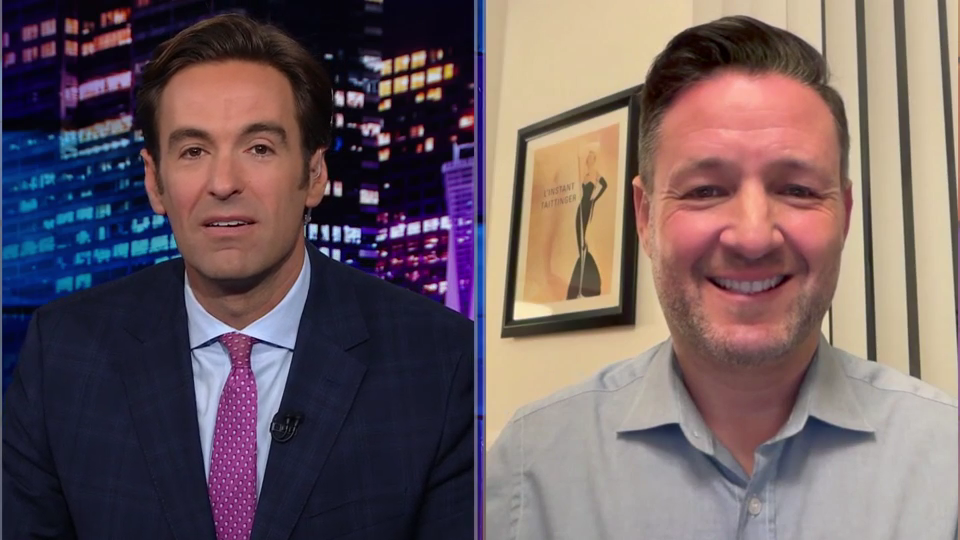
People flying over the Thanksgiving period should have a back up plan in case forecasted storms impact their travel, Eric Rosen, Director of Travel Content for “The Points Guy,” told CNN.
“If you are flying and you’re going through a region where there’s possibly going to be (bad) weather, start to think ahead,” he said.
Coast to coast: Dual storms threaten holiday travel plans
Mother Nature could crash Thanksgiving this year by bringing storms on the East and West coasts that will amplify king tide woes as they look to snarl travel and holiday plans.
Both will deliver widespread impacts in the form of heavy rain, snow, strong winds and severe coastal flooding. Impacts in the East will come mainly on Wednesday and Thanksgiving Day while the West’s has already begun. By midweek, tides could near records and threaten airports in the San Francisco Bay area.
The East Coast’s storm will get its act together Wednesday when it forms just off the Southeast. That gives travelers a window early this week to beat its worst impacts.
More rain could bring fresh flooding to parts of Florida still soaked from last week’s storm.
Major coastal flooding is possible in Charleston, South Carolina, during Wednesday morning’s high tide as winds drive already swollen water levels even higher. Moderate to major coastal flooding is also likely as far north as the Chesapeake Bay. Farther north, coastal flood watches stretch from Delaware to New Jersey.
Air travel for any last-minute passengers could be disrupted late Wednesday or on Thanksgiving anywhere from the Carolinas to the major hubs around New York City and potentially as far west as Chicago.
A potent storm pushing into the Northwest Tuesday is already escalating coastal flooding concerns for the West Coast as king tides — exceptionally high tides that occur a few times each year — build.
The highest tides along the West Coast are expected Tuesday through Thanksgiving, and in some areas, they could challenge records.
Aviation officials assure passengers system is safe after unnerving nationwide ground stop

More than a million people were stranded at airports across the country this month after the agency in charge of transporting passengers safely had to ground all planes — just two weeks before the start of the busiest travel season of the year.
This massive disruption cascaded in the days after as airlines attempted to reposition crews and planes to get passengers where they needed to go.
The Transportation Security Administration said it expects to screen potentially more than 3 million passengers nationwide on peak days in the travel period.
In the disruption’s aftermath, aviation officials didn’t seem confident that this kind of disruption won’t happen again, instead deflecting to the need for modernization and Transportation Secretary Sean Duffy upping his ask to Congress for $50 billion to complete the work. Previously, he said he would need $30 billion.
“You will have more of them unless the American people and the Congress tell us to build, and I can’t wait for that,” Duffy said in response to a question from CNN at the time.
With no quick or easy fix for a plagued system, travelers will need to be mindful as they make plans for the holidays. But FAA Administrator Bryan Bedford and Duffy both assured passengers that the system remains safe.
Delays and cancellations have gone down in the days after the ground stop, moving more travelers to where they need to be. TSA said the Sunday following Thanksgiving was TSA’s busiest day on record last year, when the agency screened more than 3.13 million passengers.
This year should be no different.
How San Francisco is preparing for unusually high tides

San Francisco Mayor Daniel Lurie warned an “extremely serious” situation was about to hit the city and urged residents to rethink their holiday plans.
“I know there’s a lot of travel for many of you as you head into the Thanksgiving holiday, but I’m going to ask you all to consider not traveling unless it is absolutely essential starting Monday afternoon and going into Wednesday afternoon,” Lurie said on Instagram over the weekend.
The mayor urged residents not to drive through floodwater, to stay out of the water and away from beaches, and to sign up for emergency alerts from AlertSF by texting their ZIP code to 888-777.
Forecasters are expecting water levels to reach 8.5 feet during Wednesday morning’s high tide, inches shy of the 1983 record of 8.82 feet. City officials are preparing for tides exceeding 9 feet.
The National Weather Service issued a high surf warning for Wednesday along the Pacific coast, including San Francisco’s Ocean Beach, where 20- to 30-foot breaking waves could sweep people off the beach and into the ocean.
Mary Ellen Carroll, executive director of the San Francisco Department of Emergency Management, warned residents and visitors to avoid the coastline, even if the sights are enticing.
The US Coast Guard’s Sector San Francisco warned that tides could run 1 to 2 feet above normal and higher with storm surge, the highest predicted in 18 years.
Never drive through standing water, it warned, because depth is deceptive, and saltwater can quickly ruin a car.