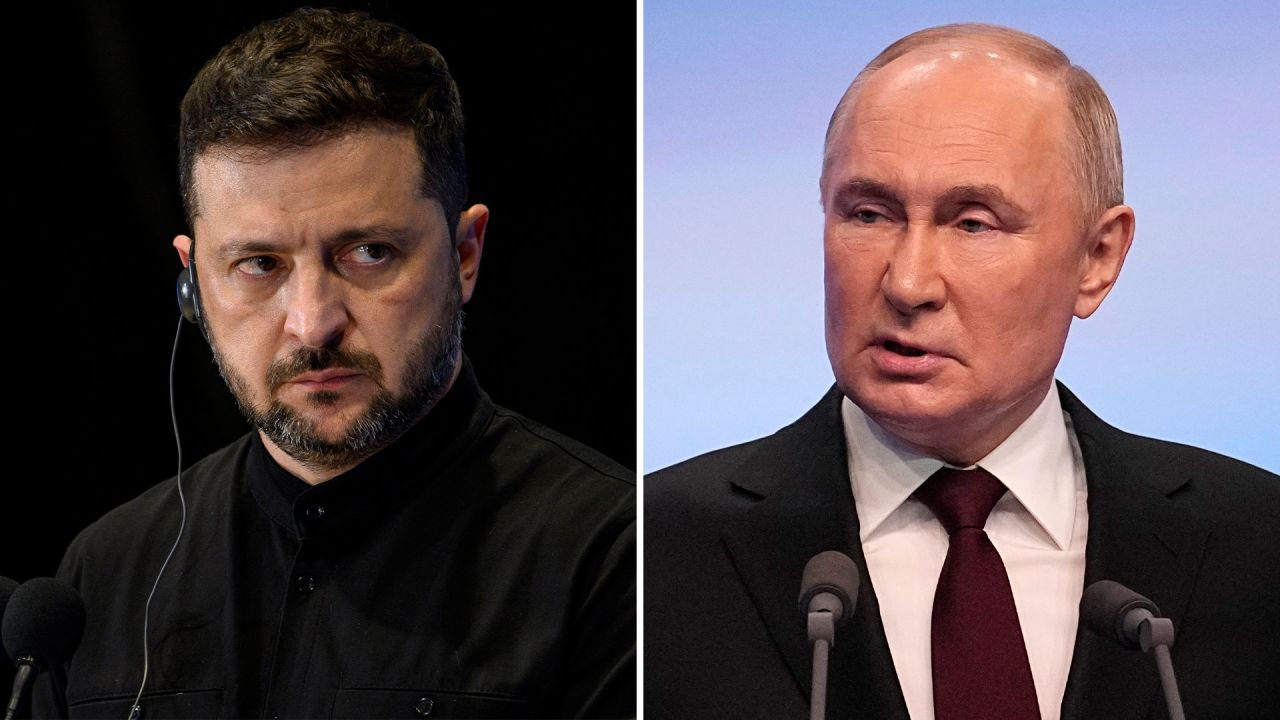
What we're covering
• Ukraine war talks: Russian President Vladimir Putin accepted some US proposals to end the war, the Kremlin said, although meetings yesterday did not yield a breakthrough. The US side has yet to publicly comment on the talks but had expressed optimism on reaching a deal before the meeting.
• US military threats: President Donald Trump reiterated that the US will launch strikes on Venezuela “soon” — though that’s unlikely to happen this week. Escalating the US campaign against alleged drug traffickers, Defense Secretary Pete Hegseth said attacks on boats have “only just begun.”
• Double-tap controversy: Trump and Hegseth said they did not know about a second lethal strike on a boat in the Caribbean, stoking bipartisan criticism from US lawmakers over the attack’s legality.
Russia-US meeting was useful and talks will continue, Putin aide says
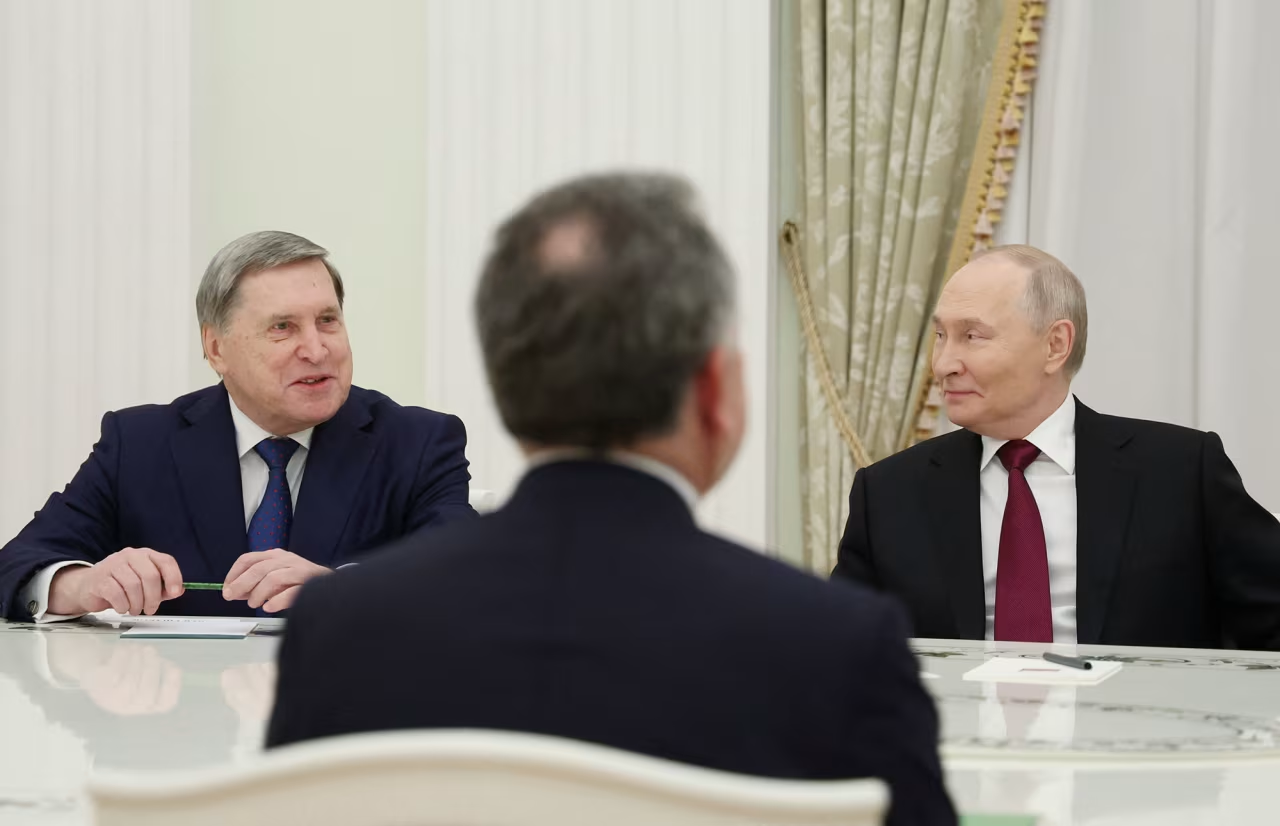
Talks with US special envoy Steve Witkoff and US President Donald Trump’s son-in-law Jared Kushner were useful, said Yuri Ushakov, foreign policy adviser and aide to Russian President Vladimir Putin, adding that contact between the two nations would continue.
Ushakov told Russian state media that the Kremlin was negotiating a Ukrainian settlement exclusively with the US, adding that any European leaders who wish to talk are welcome to travel to Moscow.
He said that the negotiators discussed the question of Ukraine’s membership to NATO at their five-hour meeting yesterday and that Moscow’s views on the proposed plan were “frankly expressed.”
Further details of the negotiations, however, would not be disclosed by agreement with the US, Ushakov added.
Why the US is unlikely to strike Venezuela this week
Despite escalating rhetoric from President Donald Trump that he may strike targets in Venezuela “soon,” Caracas’ aviation agency says it’s still receiving communications from Washington about accepting deportation flights.
CNN’s Stefano Pozzebon explains why Trump is unlikely to strike Venezuela while US planes are in Caracas.
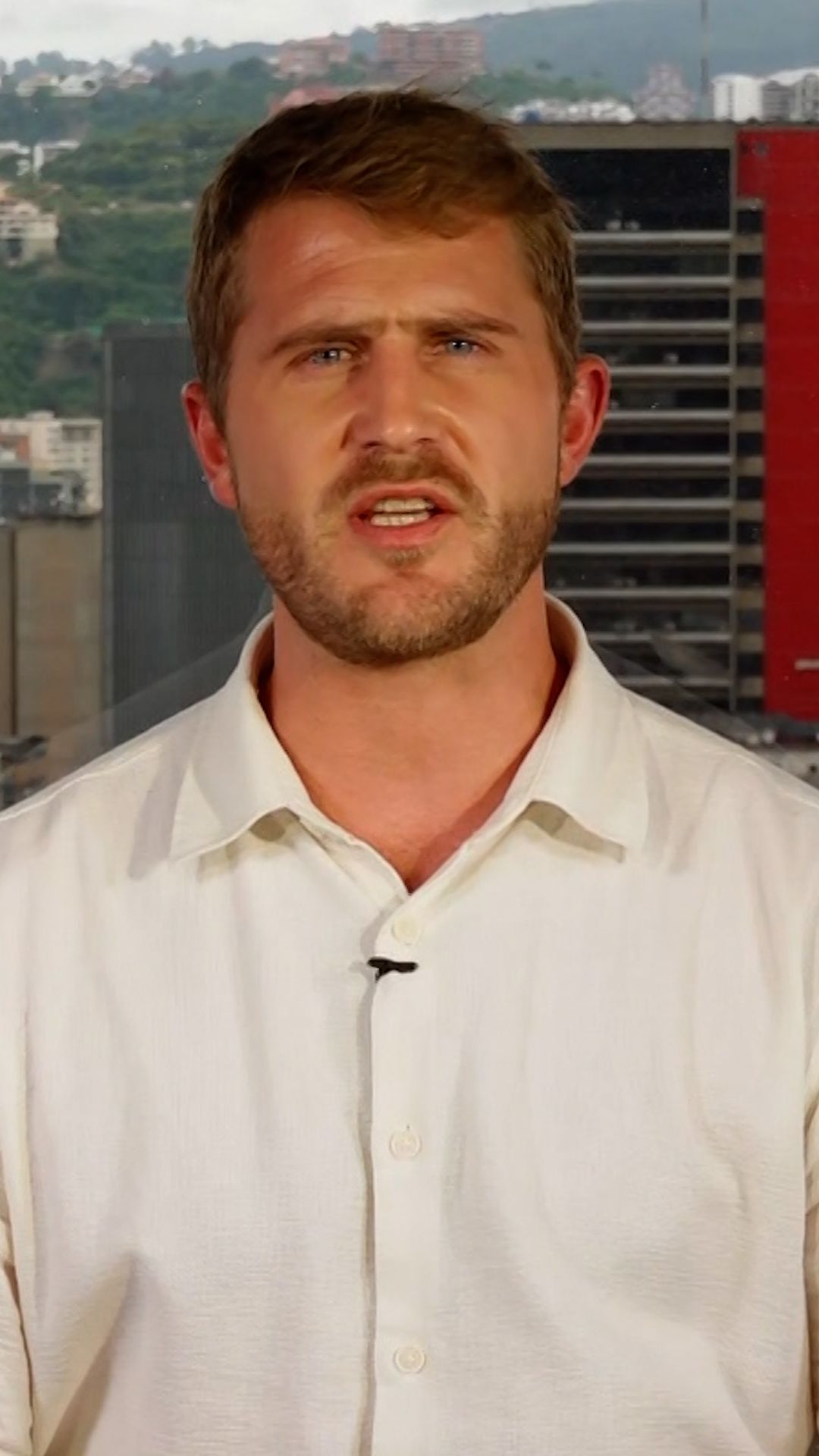
Despite escalating rhetoric from President Trump that he may strike targets on land in Venezuela "soon,” Caracas’ aviation agency says it’s still receiving communications from Washington about accepting deportation flights. CNN's Stefano Pozzebon explains why Trump is unlikely to strike Venezuela while US planes are in Caracas.
Russia says yesterday's talks with US officials ended without a breakthrough. Here's what to know
Lengthy talks between US negotiators and Russia’s President Vladimir Putin yesterday ended without a breakthrough on a potential deal to end the war in Ukraine, a Kremlin aide said earlier today.
US special envoy Steve Witkoff and President Donald Trump’s son-in-law Jared Kushner traveled to Moscow for the high-level talks, amid renewed efforts from the Trump administration to bring about an end to Russia’s war in Ukraine.
The talks in the Russian capital were “very useful, constructive, and highly substantive,” but a “compromise option was not found,” Russian foreign policy adviser and Putin aide Yuri Ushakov told reporters after the meeting.
Catch up on the latest developments:
- Kremlin says Putin accepted “some things” in talks: Kremlin spokesperson Dmitry Peskov said that “some things” were accepted by Putin during yesterday’s talks with the US, without elaborating on the details. “Some things were accepted, others were marked as unacceptable. This is a normal working process of seeking compromise,” he said.
- Sticking points still in place: Significant sticking points are still preventing the creation of a peace plan that Moscow and Kyiv would agree to. Russia is demanding that Ukraine surrender territory and abandon its goal of joining NATO, both of which are considered a red line by Kyiv.
- Ukraine preparing to meet with US officials: Kyiv is beginning to make preparations for a meeting with officials in the United States, Ukrainian President Volodymyr Zelensky said today. “As always, Ukraine will work constructively in pursuit of a real peace,” the leader said.
- European leaders skeptical: Foreign ministers from countries including the United Kingdom, Germany and Latvia have said that Putin is not interested in peace following the outcome of yesterday’s talks. “Putin started the war in Ukraine – and he can end it at any time,” German Foreign Minister Johann Wadephul said in a statement.
CNN’s Helen Regan, Nina Subkhanberdina, Anna Chernova, Svitlana Vlasova and Christian Edwards contributed to this reporting.
European leaders say Putin not interested in peace following talks with US envoys
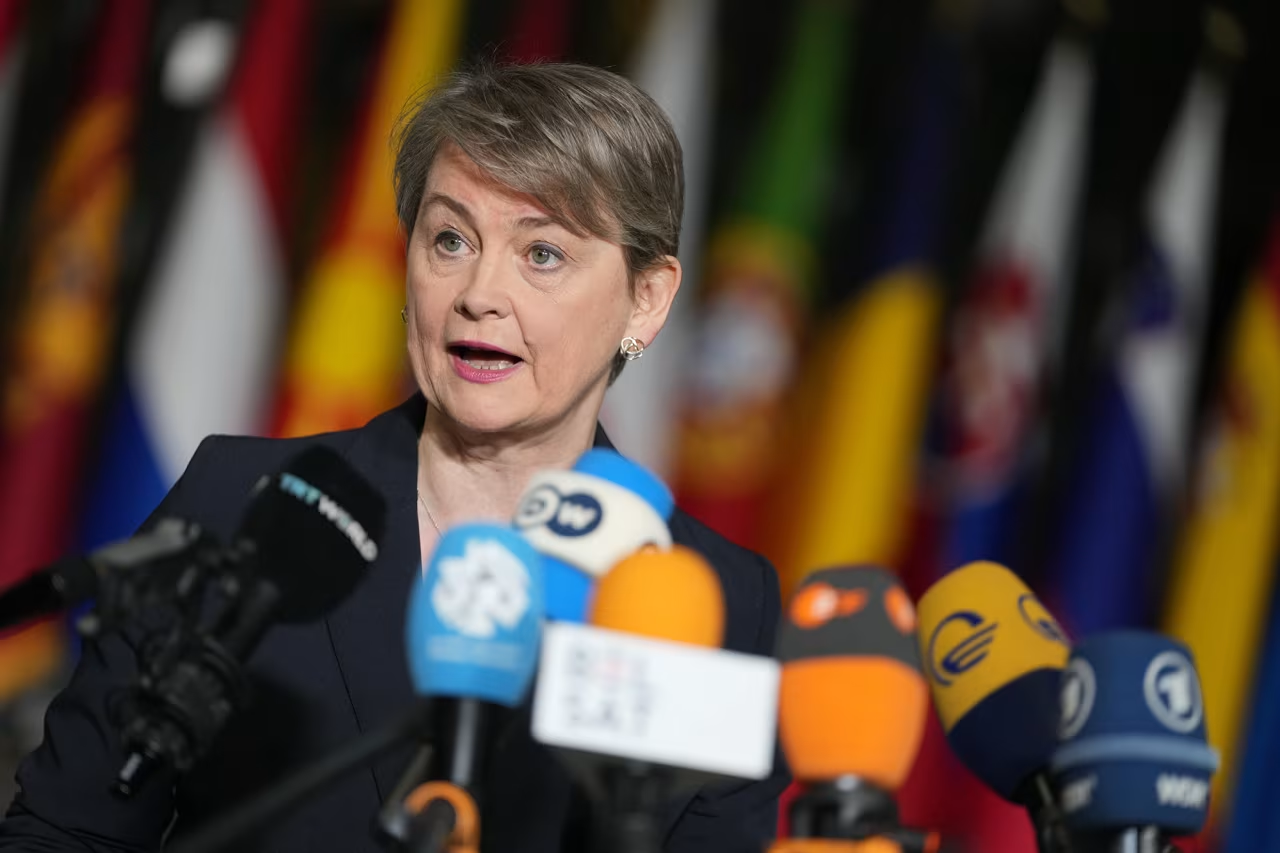
European leaders have accused Russian President Vladimir Putin of faking interest in peace in Ukraine after five hours of talks with US envoys in Moscow yesterday failed to produce any big advancements.
UK Foreign Secretary Yvette Cooper said that only two presidents involved in the process are genuinely seeking peace: Ukrainian President Volodymyr Zelensky and US President Donald Trump.
German Foreign Minister Johann Wadephul said in a statement: “Putin started the war in Ukraine – and he can end it at any time. He has not yet shown any real willingness to negotiate.”
Earlier, the Kremlin said that Putin did not reject the US plan put forward during yesterday’s talks with US special envoy Steve Witkoff and Trump’s son-in-law, Jared Kushner. The Kremlin said Putin had accepted some of the points, without providing details.
Baiba Braze, Latvia’s foreign minister, told reporters that Putin was using the “so-called peace talks” to try to “get results” that Russia had been unable to achieve on the battlefield.
Zelensky says Ukrainian delegates preparing to meet with Trump’s aides in US
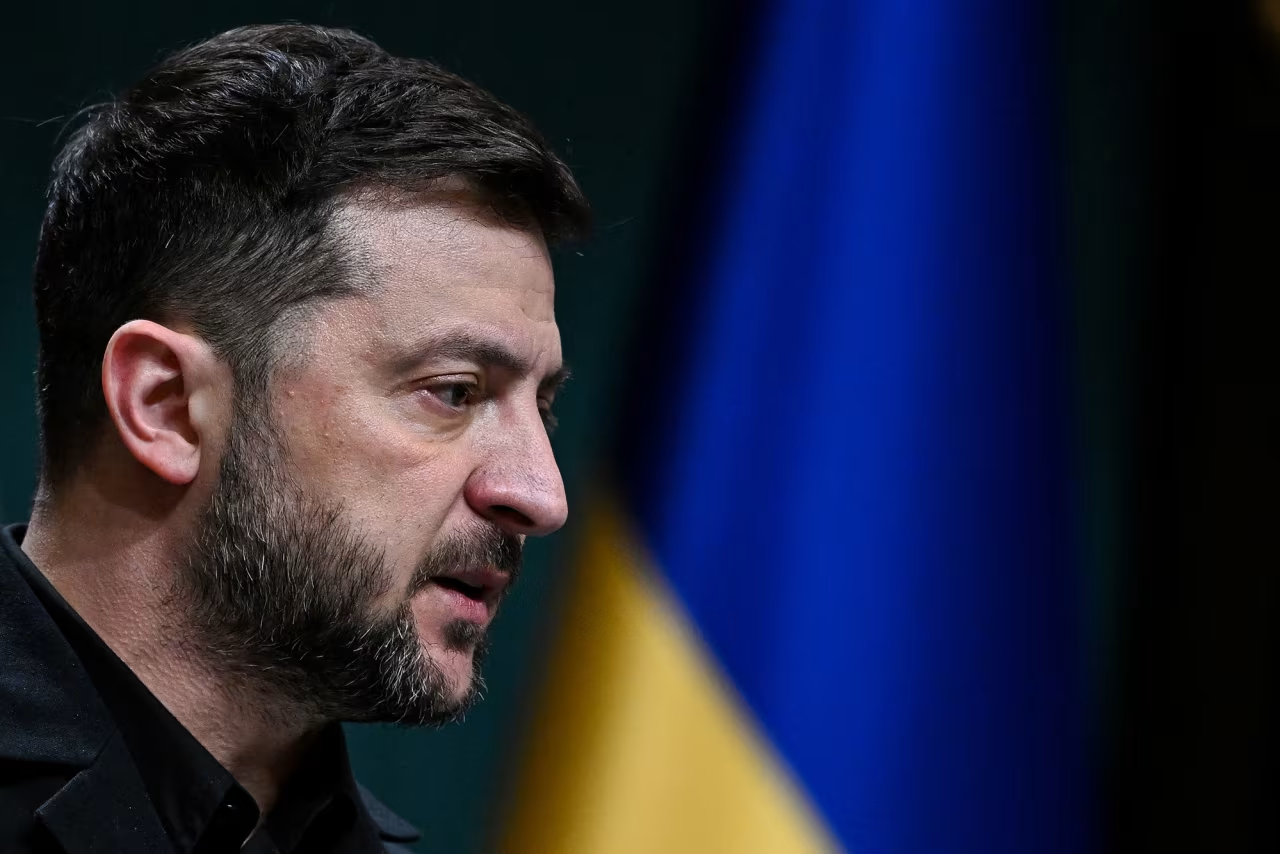
President Volodymyr Zelensky has said that Ukraine is beginning preparations for a meeting in the United States with President Donald Trump’s representatives.
The head of the Ukrainian delegation, Rustem Umerov, and other representatives will brief European leaders in Brussels on “what is known” following US-Russia talks in Moscow yesterday, Zelensky said Wednesday.
After Brussels, Zelensky said that Umerov and Andrii Hnatov, Chief of the General Staff of Ukraine, will “begin preparations for a meeting with the envoys of President Trump in the United States.”
Kremlin says Putin accepted some US proposals on Ukraine and Russia is ready to keep talking
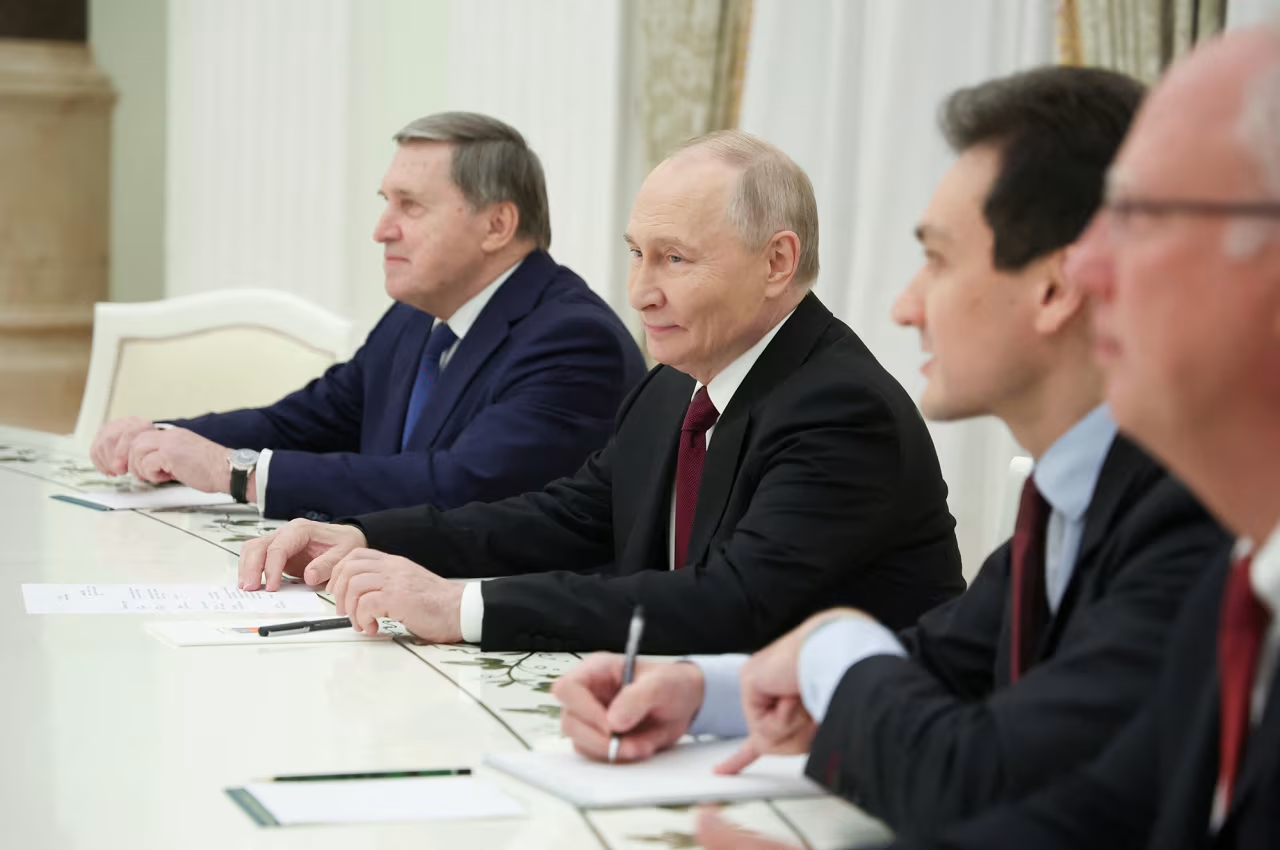
The Kremlin has said that Russian President Vladimir Putin accepted some proposals from the United States to end the war in Ukraine and that Moscow was ready to meet with the US delegation as many times as needed to strike a peace deal.
Asked whether Putin rejected the US plan put forward yesterday in Moscow by President Donald Trump’s special envoy, Steve Witkoff, and son-in-law Jared Kushner, Kremlin spokesman Dmitry Peskov said that was not accurate.
Peskov said that Russia was prepared to meet as many times as it takes to reach an agreement.
He declined to discuss potential adjustments made to the plan proffered by Witkoff and Kushner.
Putin met top US negotiators for 5 hours yesterday. Here are the takeaways
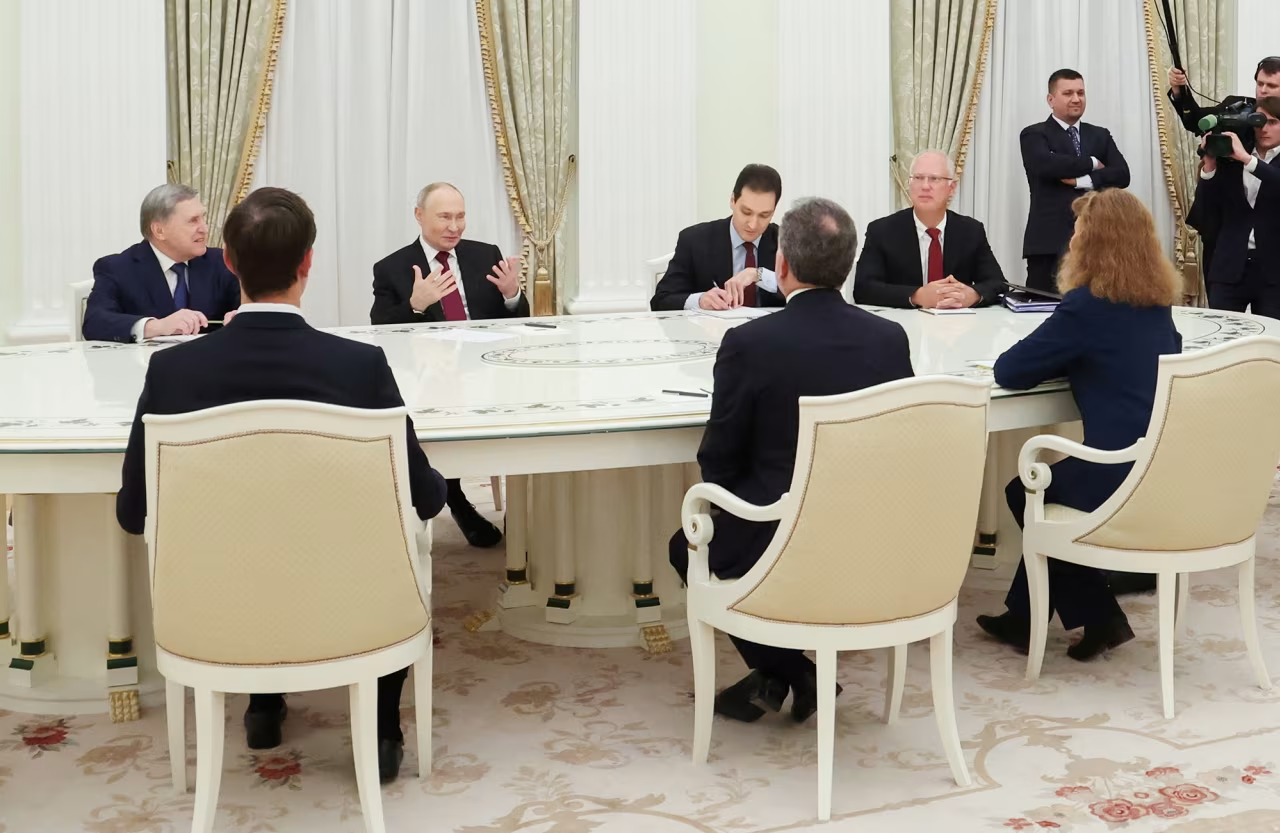
Five hours of talks between Russian President Vladimir Putin and top US negotiators did not yield a breakthrough on a possible Ukraine peace deal, a Kremlin aide said early Wednesday.
US President Donald Trump’s special envoy Steve Witkoff and son-in-law Jared Kushner sat down for the high-level talks with Putin.
Among the sticking points were Kremlin demands for Ukraine to formally renounce its aspiration to join NATO and for Ukraine to surrender territory in the Donbas region of eastern Ukraine that has been annexed, but not yet conquered, by Russia.
Ukrainian officials have continued to reject Russia’s maximalist demands, which the Kremlin continues to consider red lines.
Hours before the meeting, Putin warned that, while Russia is not planning to go to war with Europe, it was “ready” to respond if it were to initiate one. Putin also accused European leaders of trying to block the US-proposed peace deal, likely referring to the changes made to the original plan.
A senior NATO official said they see no indication that Moscow is willing to make “meaningful concessions” to end the war, adding that Russia maintains its territorial demands and aims “to ensure Ukraine’s military capabilities are weakened as much as possible.”