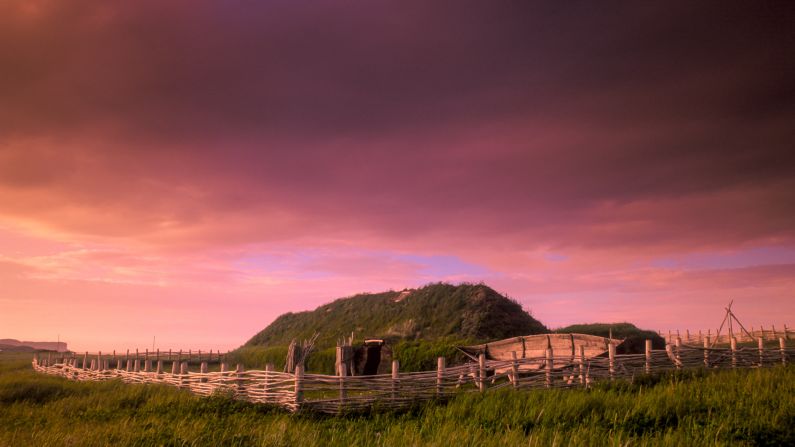
The World Heritage List now includes over 1,000 sites all over the world. The first version of the list in 1978 included just 12, including L'Anse aux Meadows National Historic Park in Canada. The park has an 11th-century Viking settlement, the earliest evidence of the first European presence in the New World.
courtesy Parks Canada
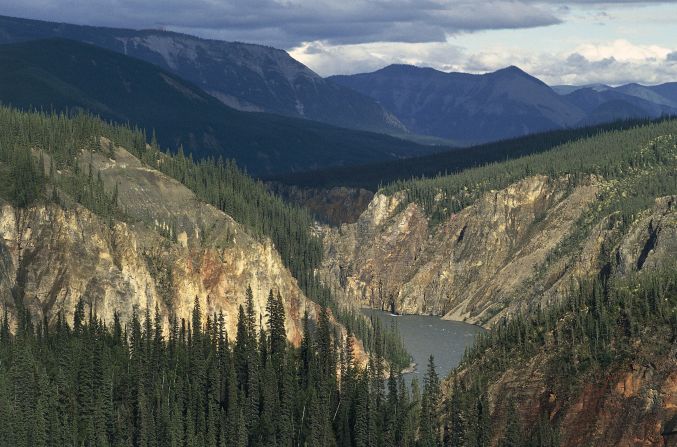
Nahanni National Park, Canada —
Nahanni National Park in Canada is home to almost every known type of North American river and stream.
DeAgostini/Getty Images
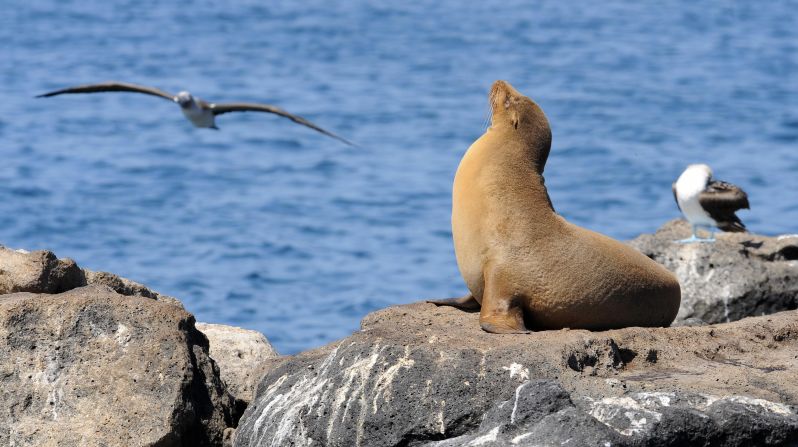
Galapagos Islands, Ecuador —
The extraordinary flora and fauna of Ecuador's Galapagos Islands inspired Charles Darwin's theory of evolution.
RODRIGO BUENDIA/AFP/Getty Images
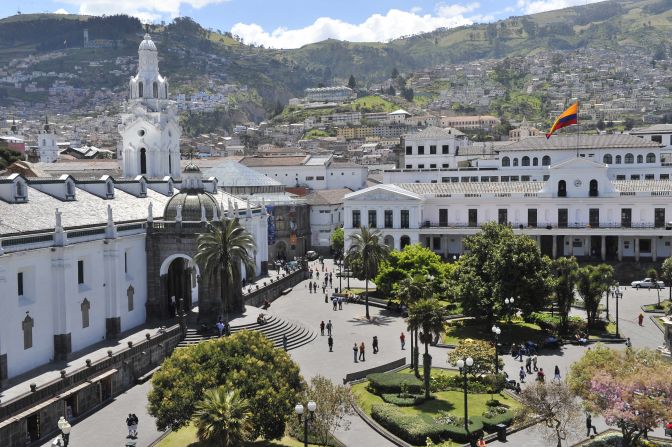
Quito, Ecuador —
Founded by the Spanish in 1534, Ecuador's capital city of Quito was the first capital city to be named to the UNESCO World Heritage List. Quito's Plaza Grande square is shown here.
RODRIGO BUENDIA/AFP/Getty Images
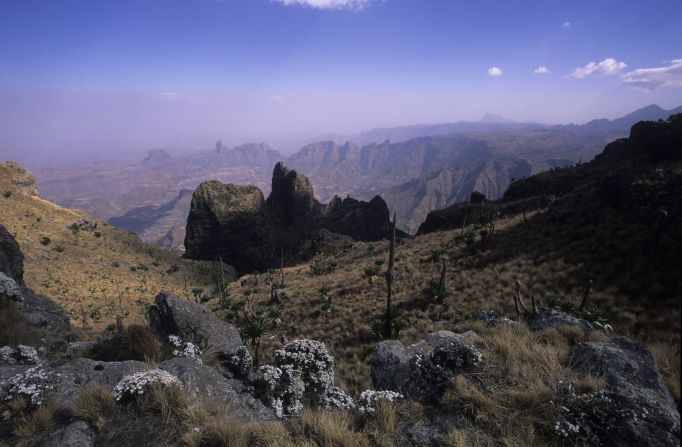
Simien National Park, Ethiopia —
Simien National Park in Ethiopia features some of the world's most magnificent landscapes.
Veronique DURRUTY/Gamma-Rapho/Getty Images
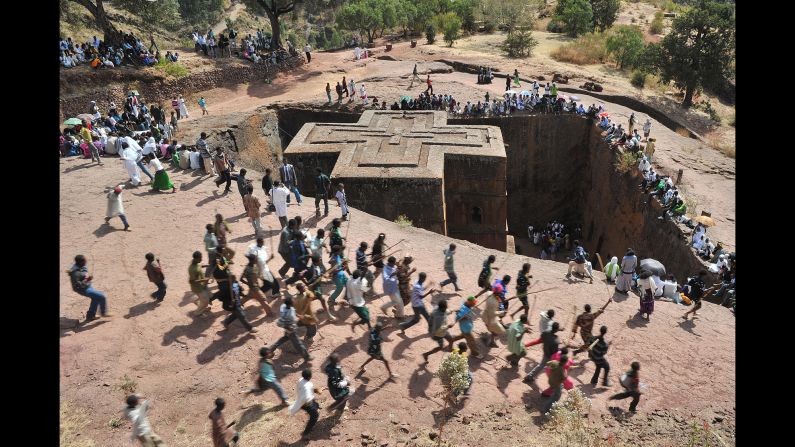
Rock-Hewn Churches, Ethiopia —
Ethiopian Orthodox Christians dance near to the rock-hewn church Bete Giyorgis during the annual festival of Timkat in Lalibela, Ethiopia. Bete Giyorgis is one of the 13th century-era medieval, monolithic cave churches in Lalibela.
CARL DE SOUZA/AFP/Getty Images
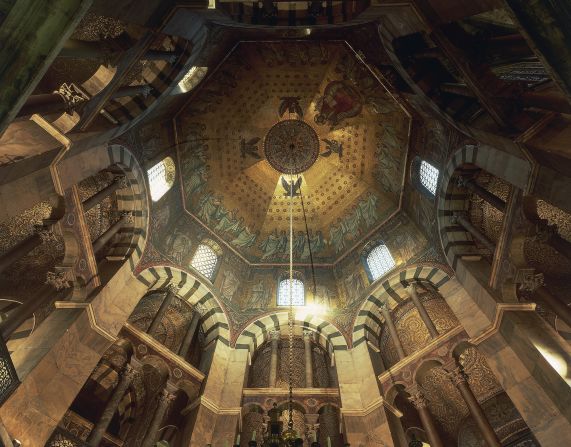
Aachen Cathedral, Germany —
Charlemagne's Palatine Chapel, shown here, is part of the Aachen Cathedral in western Germany. The chapel was constructed between 793 and 813, and Charlemagne was buried here in 814.
DeAgostini/Getty Images
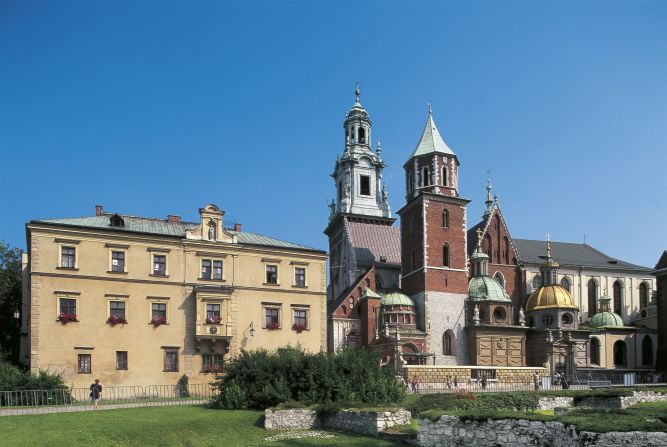
Krakow's historic center, Poland —
Krakow's historic center in Poland is an excellent example of medieval architecture, including Wawel Castle and Wawel Cathedral.
DEA /W. BUSS/De Agostini/Getty Images
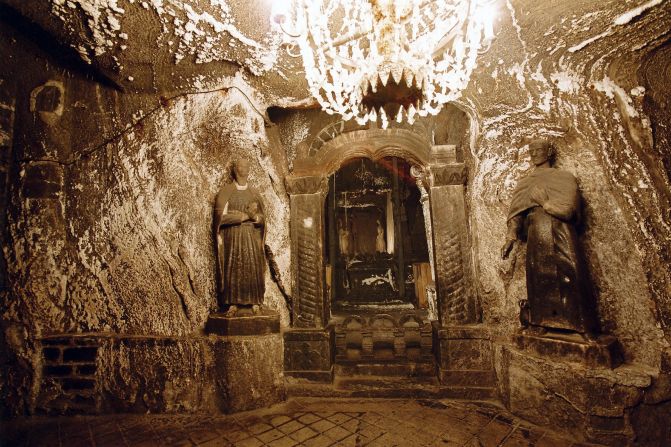
Wieliczka and Bochnia Salt Mines, Poland —
Workers mined for salt in the Wieliczka and Bochnia Salt Mines in Poland from the 13th to the 20th centuries and turned some of the excavated sections into workshops and chapels. St. Anthony's Chapel is shown here.
Thierry Esch/Paris Match/Getty Images
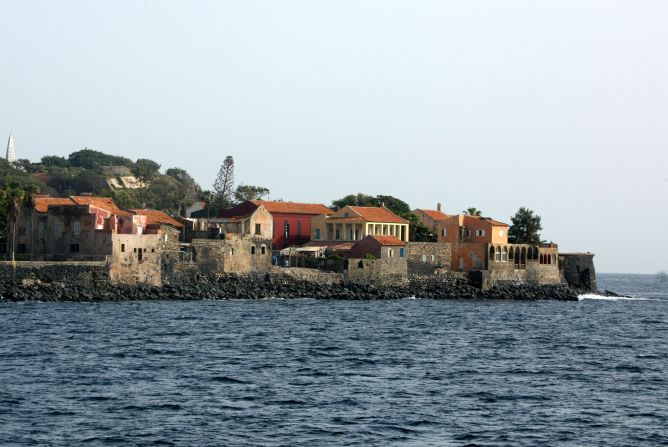
Island of Goree, Senegal —
The Island of Goree off the coast of Senegal was the largest slave-trading center on the African coast from the 15th to the 19th centuries.
MARCEL MOCHET/AFP/Getty Images
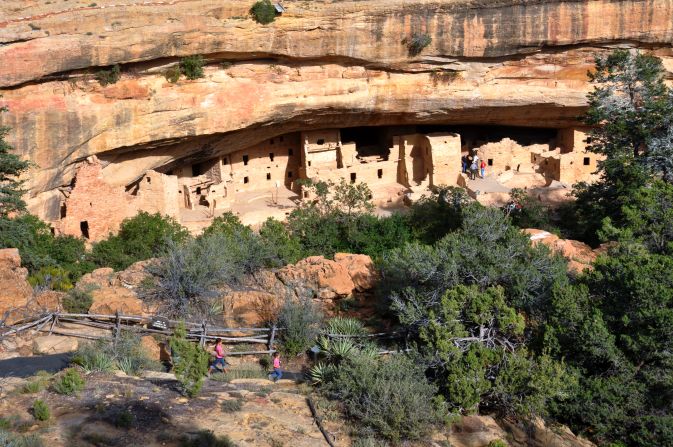
Mesa Verde National Park, United States —
Mesa Verde National Park's stone and adobe cliff dwellings in Colorado were built by Ancestral Puebloans from the 1190s to the late 1270s. Ruins of Spruce Tree House are shown here.
Robert Alexander/Archive Photos/Getty Images
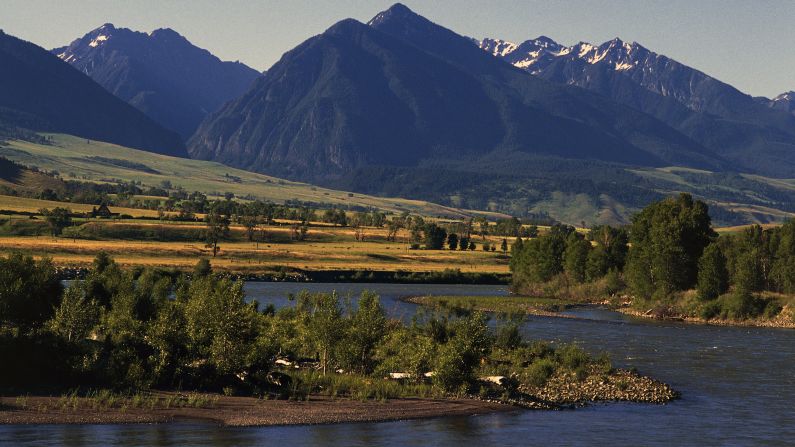
Yellowstone National Park, United States —
Established in 1872, Yellowstone National Park is one of the few remaining large, intact ecosystems in the planet's northern temperate zone. The Yellowstone River is shown here.