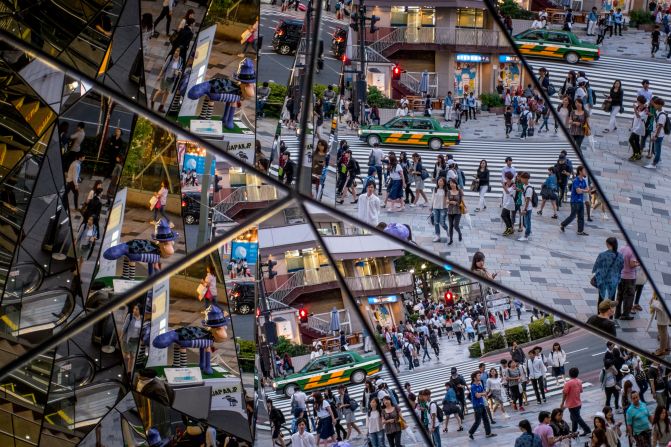
Miki Yamato: "Tokyo has so many different faces," says Miki Yamato, a fashion and portrait photographer. "It's modern: If you come to Tokyo a week later, it might look different. The city changes so quickly. Then there's the traditional: If you come 10 years later, the building will be there waiting for you, just the same."
Chris McGrath/Getty Images AsiaPac/Getty Images
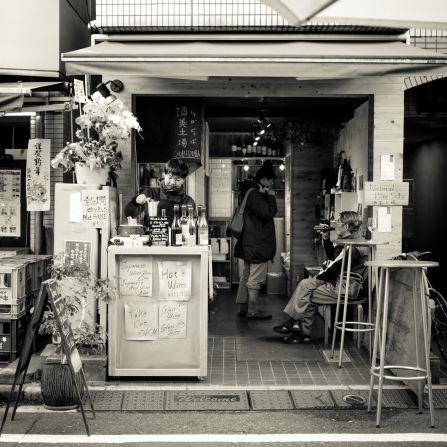
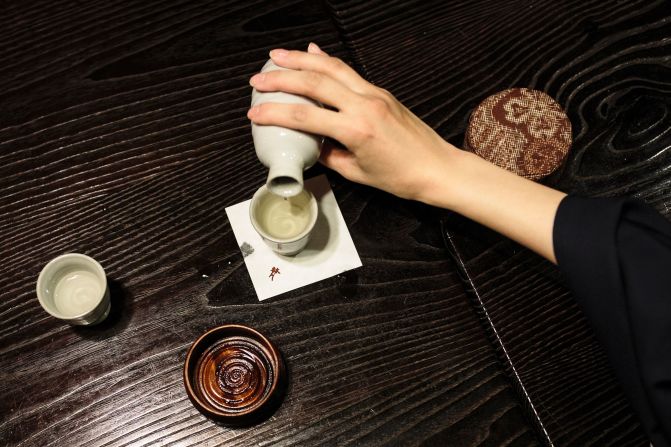
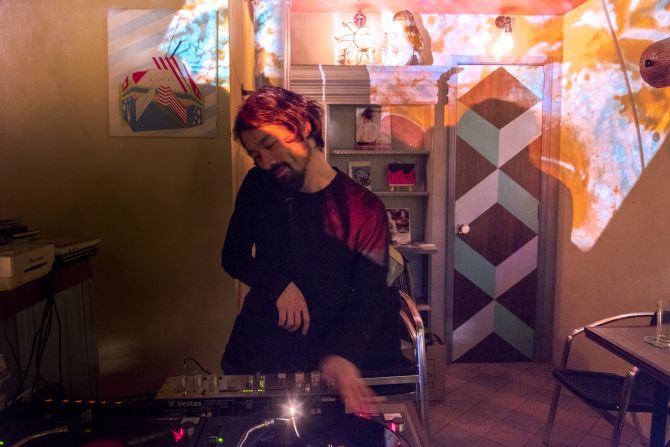
Miki Yamato: While most travelers might head to the traditional Tsukiji fish market for sushi, Yamato also suggests checking out tiny organic wine and sake bar Shubiduba. "They know about good sake and where it's coming from and who made it," she says. "The details and stories make it more fun."
Miki Yamato
Miki Yamato: As for photography, she says Tsukiji is also her favorite neighborhood for capturing her subjects. "There's something about Tsukiji. It's always changing yet never changes," she says. "You can feel the energy."
Miki Yamato
Paul Christie: Having spent nearly 30 years working and living in Tokyo, Paul Christie has come to consider the city a second home. The easiest way to feel overwhelmed, he says, is to bite off too much at one time. "Instead of trying to visit all the 'must see' sights, I suggest selecting a few areas and exploring them in depth," says Christie.
Walk Japan
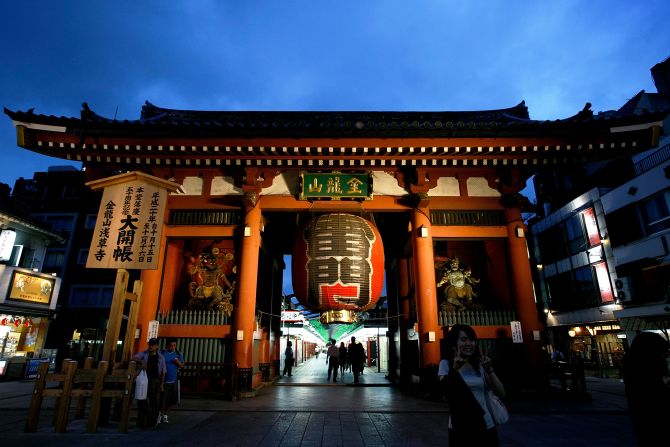
Paul Christie: At the top of his list is the famed Senso-ji temple, in Asakusa, in eastern Tokyo. "The area is so rich in Tokyo's history and so central to its culture up until World War II that going here really allows us to catch a sense of Tokyo's past," he says.
Kiyoshi Ota/Getty Images AsiaPac/Getty Images
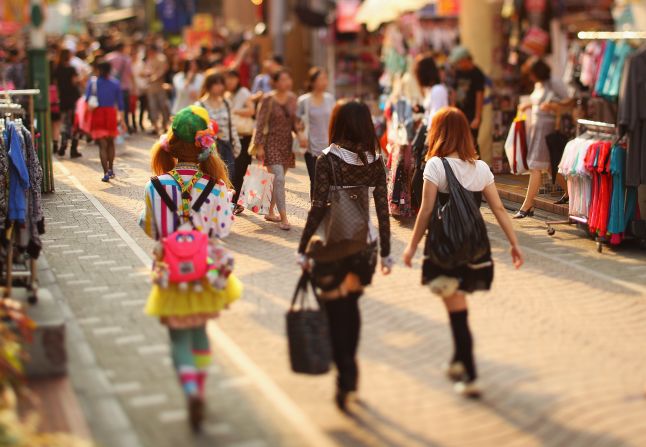
Paul Christie: For a modern contrast, Harajuku -- the epicenter of Japanese kawaii (cute) fashion -- is a quirky corner of Tokyo, where teens shop and show off their uninhibited street style.
Mark Kolbe/Getty Images AsiaPac/Getty Images
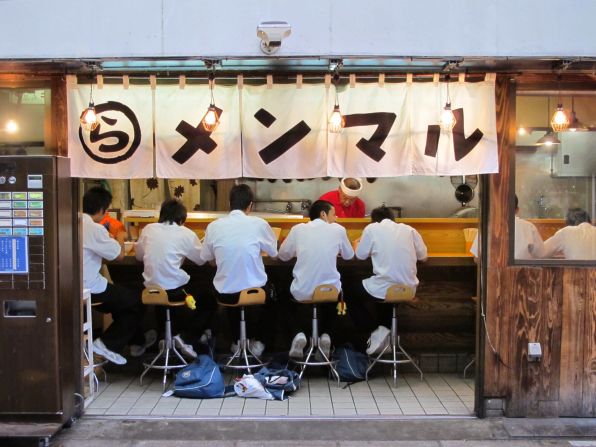
Paul Christie: And to get a feel for the afterwork crowd? Surrounding Shimbashi station, in southern Tokyo, the neighborhood is full of restaurants and bars where sarariman (salary men) let loose after work.
Walk Japan
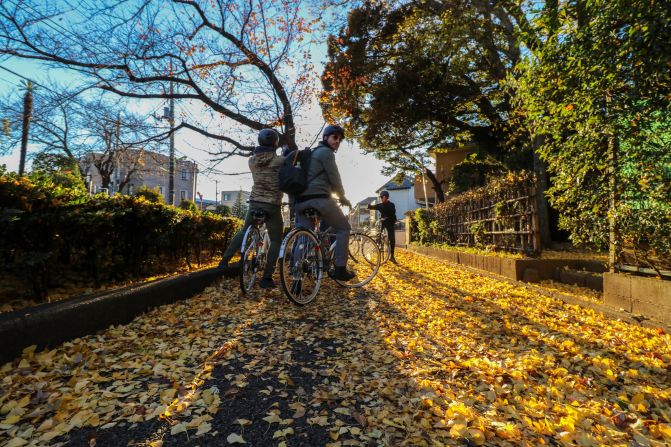
Brad Bennett: The co-founder of Freewheeling, which specializes in biking tours of Tokyo, Brad Bennett moved to Japan in 1990. "First time travelers to Japan often plan or book too much in advance," Bennett tells CNN. "There are so many cool things to do and see, you need to leave some extra time for whatever happens...."
Freewheeling
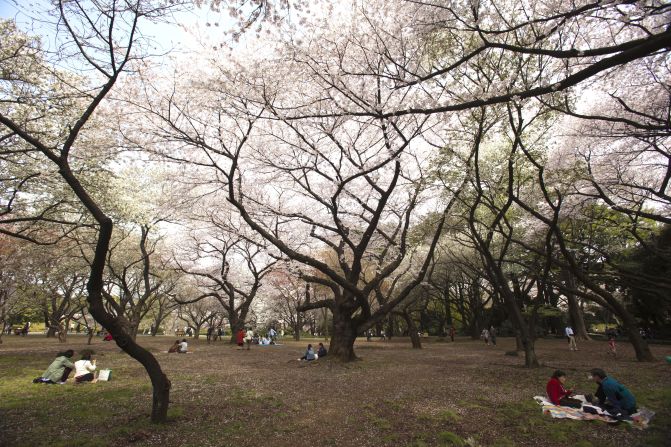
Brad Bennett: "You might stumble on a beautiful park like Shinjuku Gyoen (famous for its cherry blossoms) or meet some locals in a bar and have to say goodbye because you have reservations at the Robot Restaurant, which is overpriced," he says.
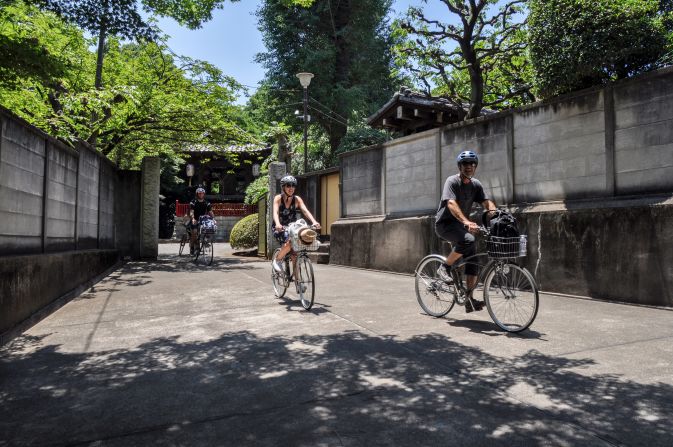
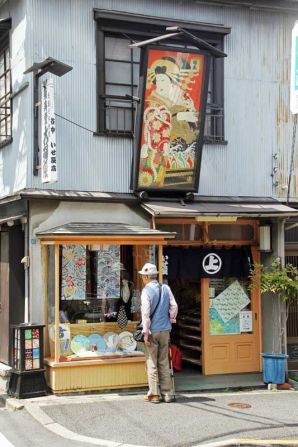
Brad Bennett: Bennett recommends cycling through the Yanaka neighborhood, on the northeast side of the city.
Walk Japan
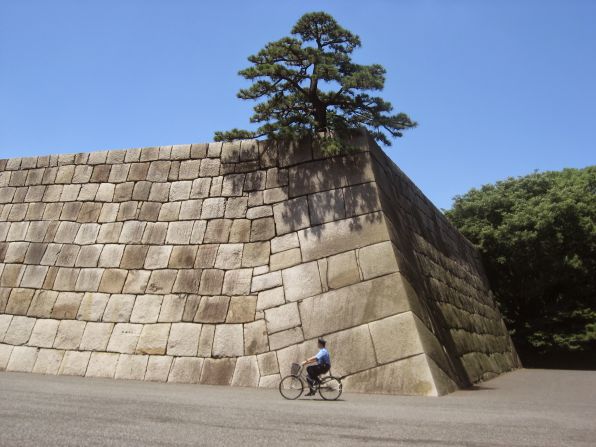
Brad Bennett: Yanaka is the city's most traditional district, still home to low-rise buildings, quiet lanes, boutique artisan shops and many temples. "It's considered the Little Kyoto of Tokyo -- it's like stepping back in time," he says.
Freewheeling
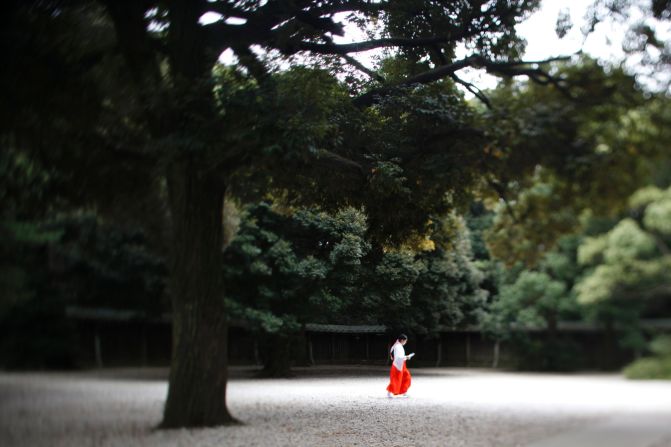
Mika Nomura: Entrepreneur Mika Nomura runs a sake business called MYSH, which holds Meiji Shrine and Sake tours. The experience includes a tour of the shrine, followed by a visit to a bar in Shibuya, where guests taste a sampling of selected sakes and learn a bit more about liquor's role in Japanese Shintoism (an ethnic religion).
Lintao Zhang/Getty Images AsiaPac/Getty Images
Mika Nomura: And when she's not thinking about sake? The culture enthusiast recommends visiting the Azabujuban neighborhood in southern Tokyo for a peek into local life.
BEHROUZ MEHRI/AFP/AFP/Getty Images
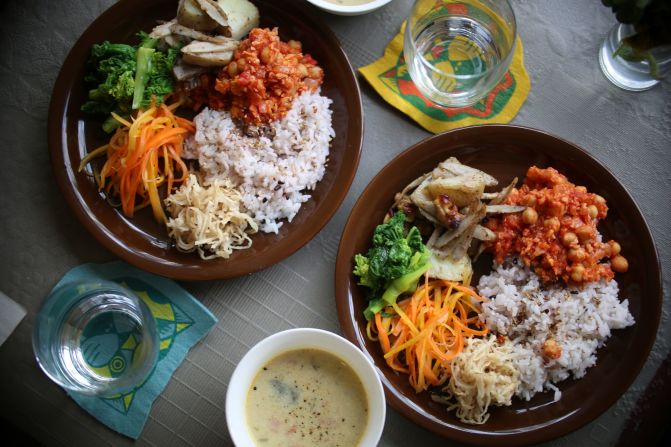
Mari Maeda: Born and raised in Tokyo, Mari Maeda is a food stylist and vegan chef who helms Marideli catering company. "Tokyo's vegan dining scene is better than before but I still find it difficult -- it is not something rooted in our day-to-day life," she says.
Marideli
Mari Maeda: Maeda has several cafes where you can enjoy a healthy meal, including Oriental Diner IGAO, in Ebisu, which is a restaurant by day and a bar at night. At lunchtime, travelers can taste her vegan lunches and admire art and fashion exhibits from the city's young creatives.
Oriental Diner IGAO
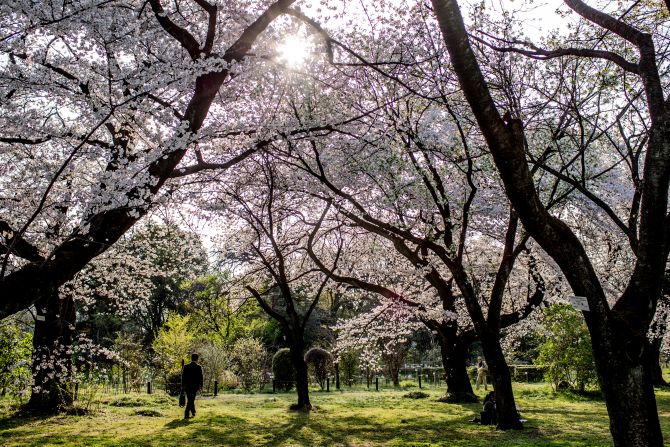
Mari Maeda: A lover of all things green, vegan chef Mari Maeda suggests spending an afternoon at one of the city's many parks. She gravitates towards Setagaya Park in Gohongi or the Koishikawa Botanical Garden, pictured here.