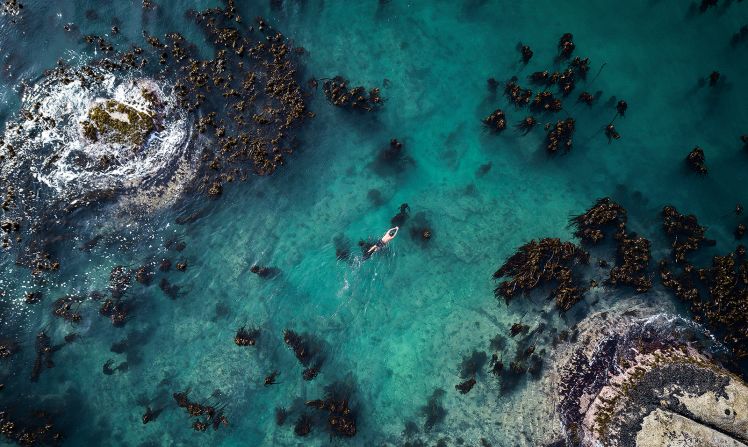
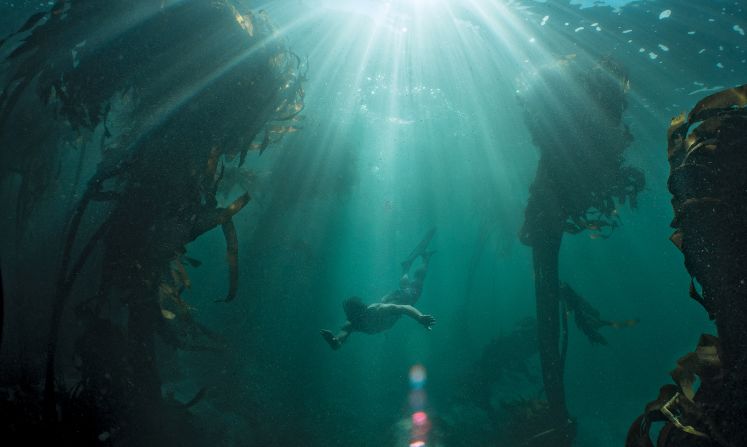
South African divers Craig Foster and Ross Frylinck say they have stumbled across a pristine realm off the west coast of South Africa that most people don't know about. The duo spend their days diving without wetsuits in a kelp forest that's home to thousands of fascinating species.
Sea Change Project
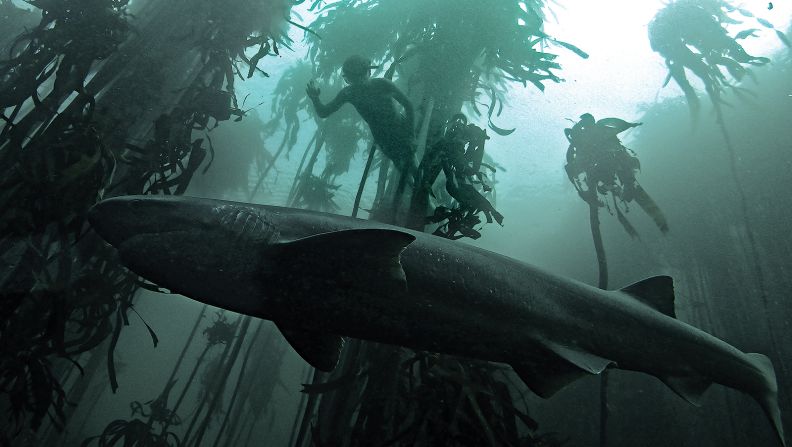
Over the past eight years they have got to know many of the sea creatures that call the kelp forest home, including a number of shark species that patrol the area. Foster introduced his son Tom to this underwater world and watched as the young boy developed an affinity with sharks, eventually riding the dorsal fin of a sevengill shark, pictured.
Sea Change Project
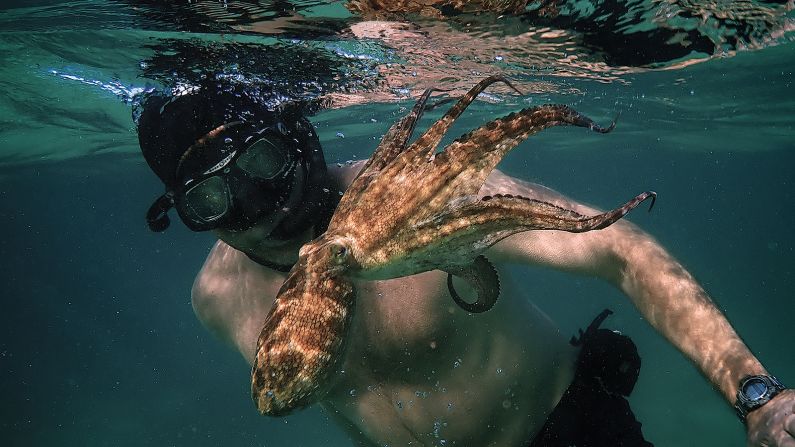
It took years of diving and learning how to completely relax around animals before they started engaging with them. Foster said one of his most memorable encounters was his relationship with an extremely shy octopus, pictured.
Sea Change Project
"It completely trusted me and allowed me to swim with it and go on these extraordinary hunting expeditions," Foster told CNN. "It was just mindblowing."
Sea Change Project
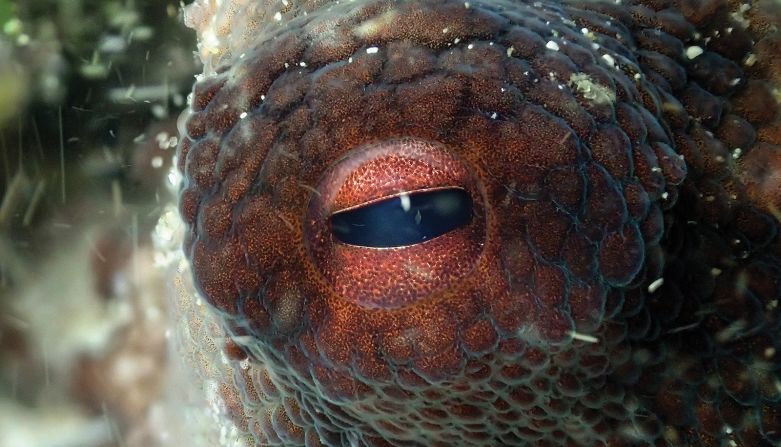
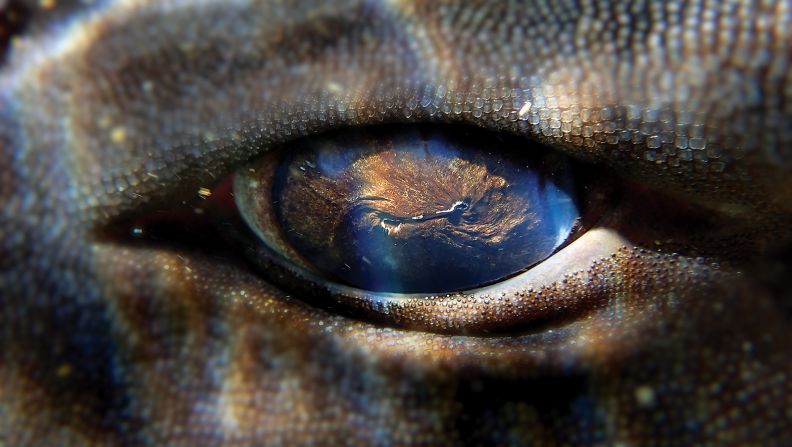
Over the years Foster has taken thousands of intimate photos of wildlife, including this extreme close up of a pyjama catshark's eye. Frylinck curated some of these photos into a book entitled "Sea Change: Primal Joy and the art of underwater tracking."
Sea Change Project
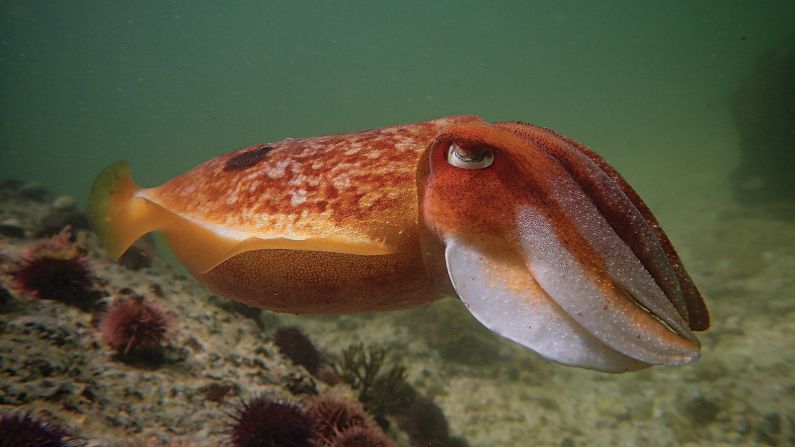
The book is both a visual story showcasing species like the patchwork cuttlefish pictured here, and a tale of the divers' psychological transformation. "It tells an emotive story about a lot of time spent in a pristine wilderness that not a lot of people know about," said Frylinck.
Sea Change Project
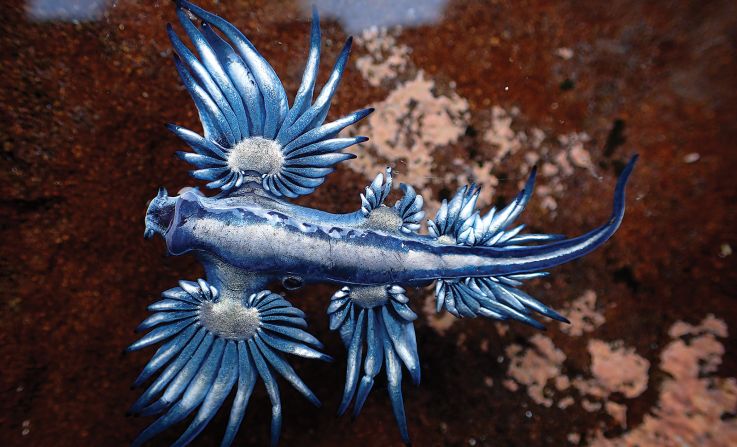
Foster, who is both a naturalist and filmmaker, has discovered seven new species and dozens of incredible behavioral traits. The book details how this blue dragon eats the venomous "Portuguese man o' war" and stores their stinging cells in its own body to repel predators.
Sea Change Project
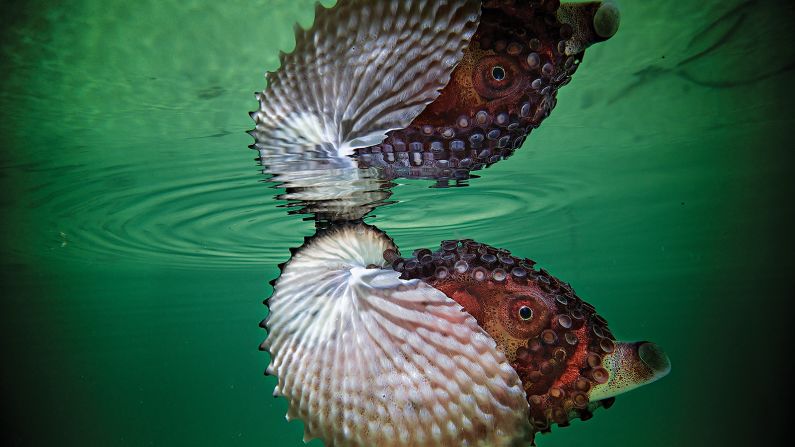
It also tells stories of how various creatures, including the argonaut pictured here, reached out to them and swam into their hands and arms. "When the small animals make contact it's beautiful, like a bird landing in your hand, it's not at all scary," Frylinck told CNN.
Sea Change Project
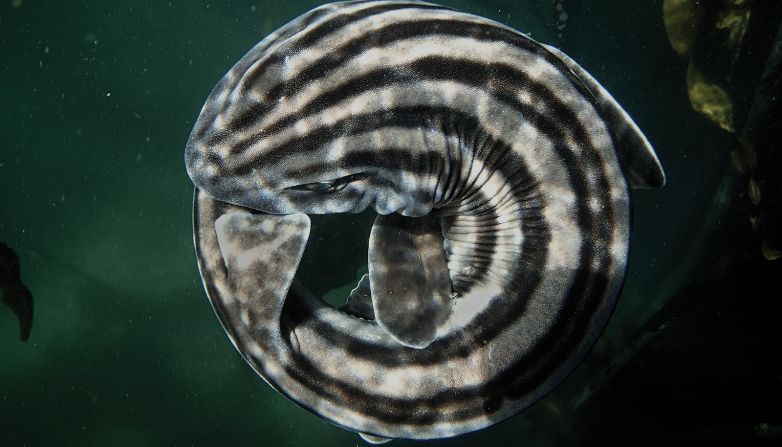
Foster added that there is very little to fear from the animals, including predators like the pyjama catshark, pictured here.
Sea Change Project
Both Frylinck and Foster hope the book will allow others to access this magical world and understand how it has changed their lives. "It feels like we've stumbled across another Great Barrier Reef and we want to tell the world," said Frylinck.