Tara National Park: The mountains and gorges of Tara National Park has unspoiled karst landscapes and hills covered in spruce, birch, pine and juniper forests that soar up to nearly 5,000 feet.
Sasa Preradovic
Hiking paradise: The Tara park has over 200 kilometers of cycling and hiking trails. The forests are home to brown bears and wild cats, among other creatures.
Dragan Bosnic
Trumpet festival, Guča: The raucous trumpet festival that descends every August on the small town of Guča has gained a reputation as one of the most riotous events in Europe.
Jack Taylor/Getty Images
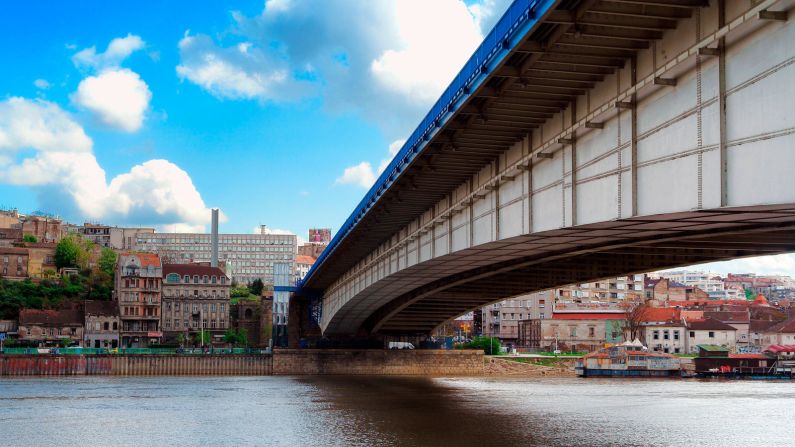
Belgrade: Positioned at the confluence of the Sava and Danube rivers, Serbia's dynamic capital, one of the oldest cities in Europe, has an an energy that's unmistakable.
Pixabay / Creative Commons
Zemun: This beautiful Belgrade suburb, which was part of the Austro-Hungarian Empire until 1918, features the type of baroque architecture typical of Budapest.
Julijan Nyca/Creative Commons
Novi Sad: Nicknamed the "Serbian Athens" due to its long history as a center of culture and study, Serbia's second largest city is filled with fine neoclassical buildings and café-filled squares.
Pixabay
Subotica: This Serbian town is filled with sublime art nouveau buildings -- known as secessionist style in Serbia -- with colorful turrets, gables, roof tiles and brick work.
Dragan Bosnic
City hall: Subotica's City Hall has an opulent interior and a clock tower that's open to visitors. There are wide-reaching views of the city and surrounding countryside from the top.
Dragan Bosnic
Kopaonik National Park: Serbia's tallest mountain was designated a national park n 1981 and attracts skiers and snowboarders during winter and hikers and mountain bikers throughout the rest of the year.
Dragan Bosnic
Zlatibor: Serbia's playground for all seasons is a collection of mountains and villages located 238 kilometers from Belgrade, with impressive hiking trails as well as two artificial lakes.
Adam Batterbee
Fruška Gora: Dubbed "the jewel of Serbia," the hills of Fruška Gora deliver a welcome green distraction from the otherwise flat plains of Vojvodina.
Dragan Vildovic
Animal paradise: Fruška Gora's forested are home to pine martens, deer and wild boar. There's also an unusually high bird population including imperial eagles.
Dragan Vildovic
Devil's Town (Đavolja Varoš): Located in south Serbia on the Radan Mountain, this unusual natural phenomena is made up of 202 remarkable rock formations created through erosion.
Dragan Bosnic
Drvengrad and Šargan Eight: Originally built by Serbian film director Emir Kusturica for his 2004 movie "Life Is a Miracle," Drvengrad (Timber Town) is now an unconventional ethno village located near to narrow-gauge heritage railway the Šargan Eight, which was built in 1925.
Adam Batterbee
Studenica Monastery: Established in the late 12th century by Serbian medieval ruler Stevan Nemanja, Studenica Monastery is considered the most magnificent monastery in Serbia.
Dragan Bosnic
Šargan Eight: Built in 1925, this narrow-gauge heritage railway is an incredible feat of engineering -- its figure-of-eight loop goes through 22 tunnels and across 10 bridges from Mokra Gora to Šargan-Vitasi.