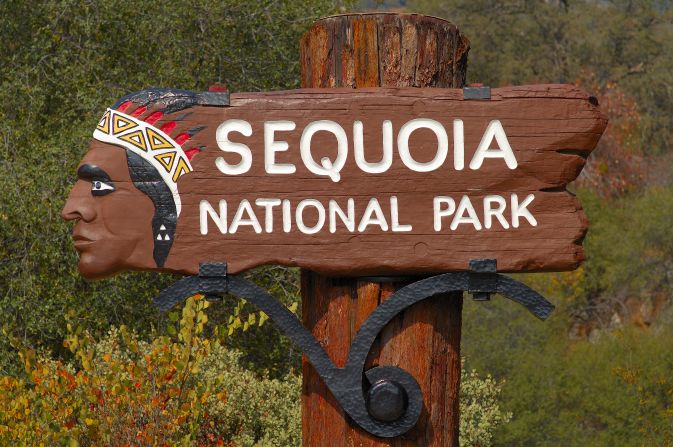
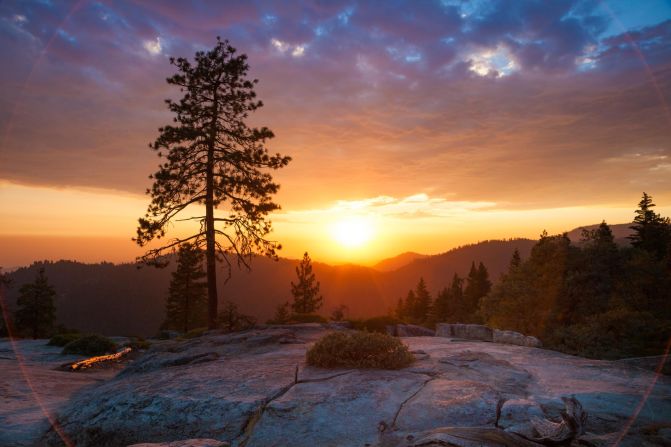
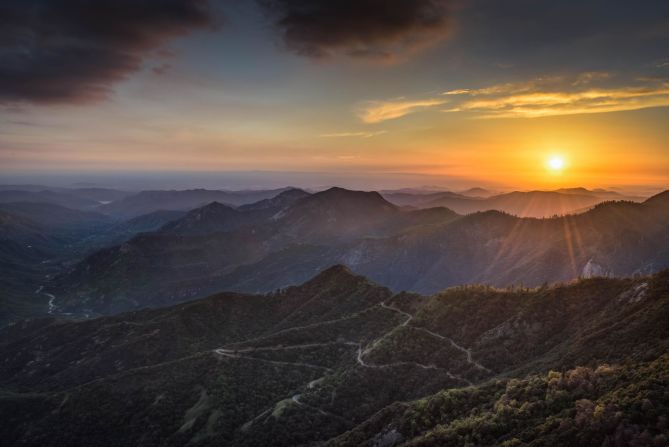
Sequoia National Park: Located some 225 miles (362 km) north of Los Angeles, this stunning landscape was America's second designated national park.
VW Pics//UIG/Getty Images
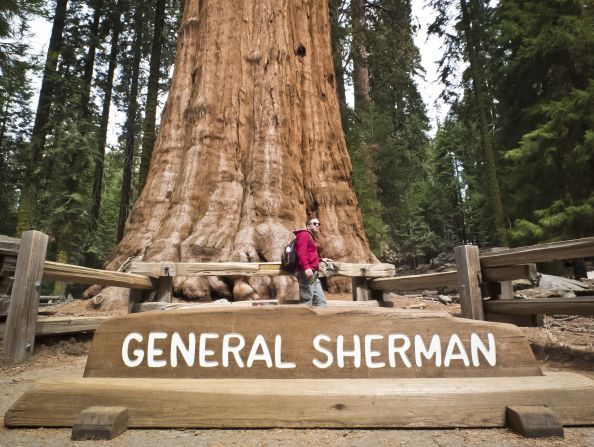
General Sherman: This tree, believed to be the biggest on earth, is named for a Civil War general.
MLADEN ANTONOV/AFP/Getty Images
A tree by another name: Some still refer to this tree as the Karl Marx Tree, which was its name before being renamed by the national parks system.
Myung J. Chun/Los Angeles Times/Getty Images
John Muir: The famed American naturalists referred to sequoias as "the gods of the forest."
Hadrian Howarth/Moment Editorial/Getty Images
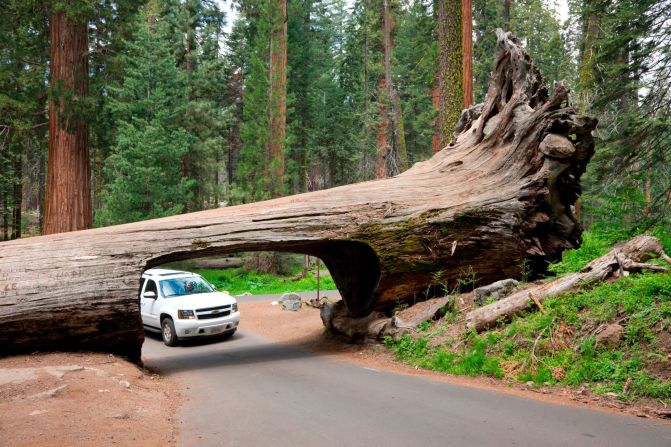
Go on a drive: Tunnel Log, on Crescent Meadow Road in the Giant Forest, gets called the "drive-through" tree although it's more of a "drive-under."
JTB Photo/UIG/Getty Images
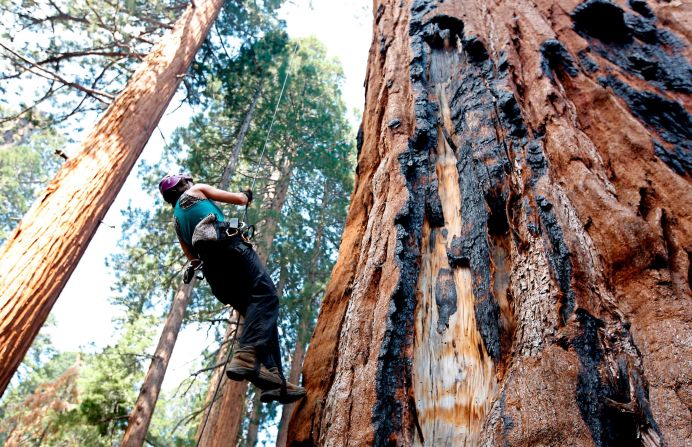
Older and wiser: Many of the Sequoias can live for more than 1,000 years.
Ted Soqui/Corbis News/Getty Images
Buffalo Soldiers: These African-Americans were among the first park employees. They built wagon roads, suppressed fires and kept poachers and timber thieves at bay.
Cultura/REX/Shutterstock
Going higher: Tall trees have deep roots, so sequoia only grow in the moist, western slope of the Sierra Nevada mountains.
Rich Pedroncelli/AP
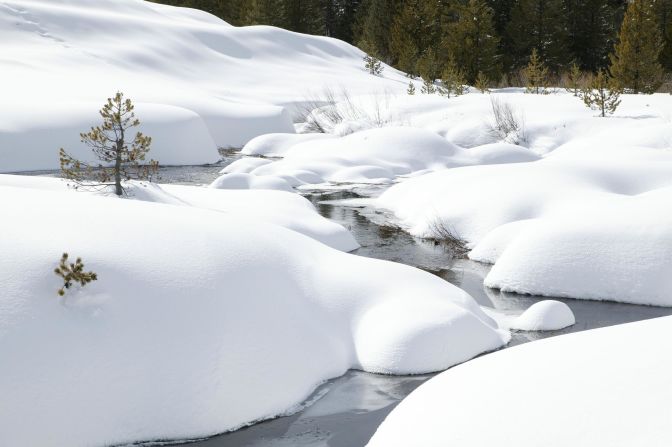
Winter holidays: The Sequoia Parks Conservancy offers year-round guided activities such as stargazing and snowshoe walks.
Heiner Heine/imageBROKER/REX/Shutterstock
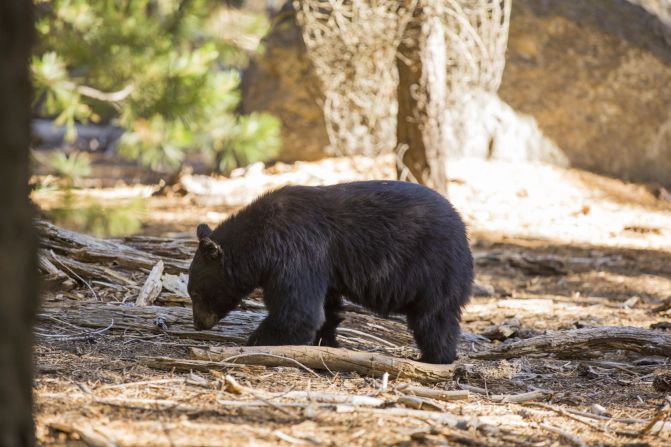
Bearly looking: Outside of hibernation season, it's not unusual to see black bears throughout the park.
Global Warming Images/REX/Shutterstock
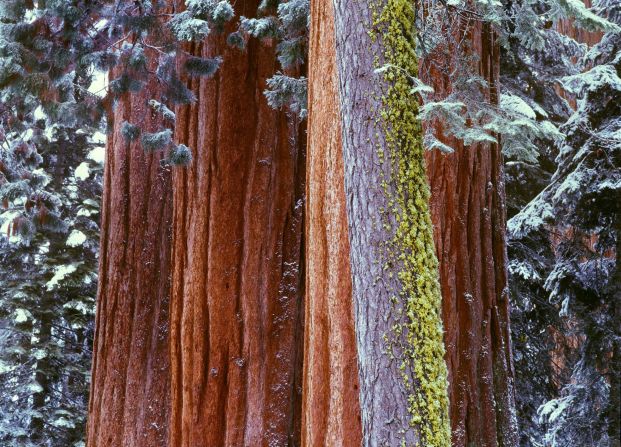
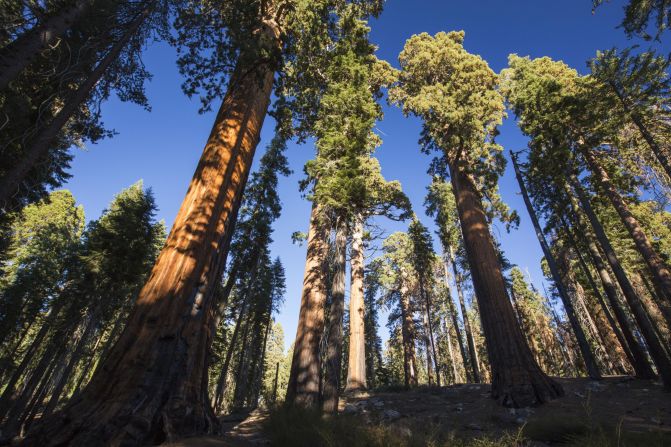
The circle game: The Giant Forest has a museum and a network of trails that wend past hulking masses of cinnamon-colored bark, arranged like colonnades in a temple.
Global Warming Images/REX/Shutterstock
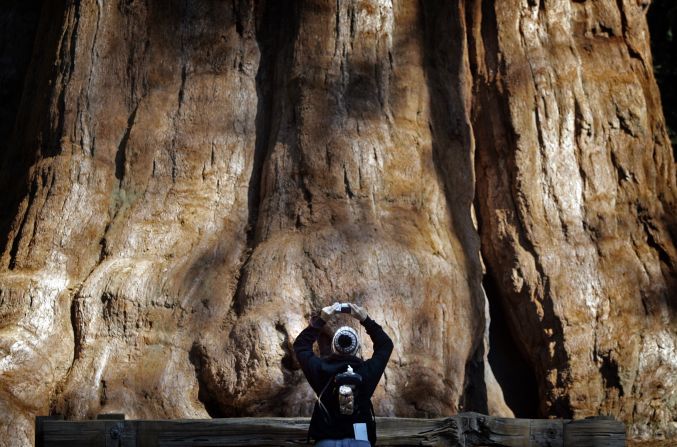
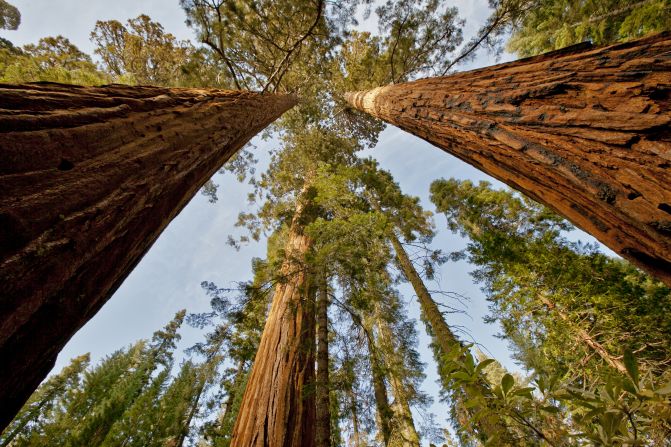
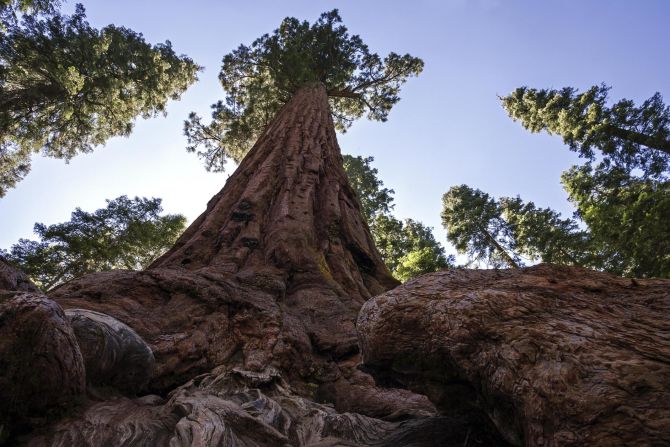
Size and scope: Some sequoias are wider than a New York City street.
Harry Laub/imageBROKER/REX/Shutterstock
And beyond: Many visitors combine a Sequoia visit with a swing through the adjoining Kings Canyon National Park, a visit to Moro Rock or a trip to Mt. Whitney.