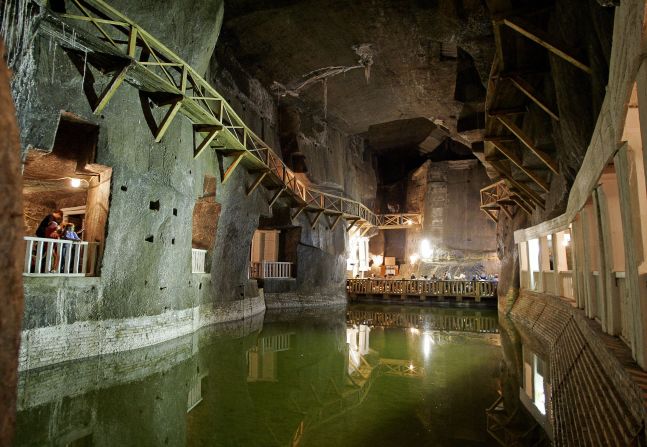
The Wieliczka salt mine has hosted concerts, exhibitions and film crews as well as giving tourists a glimpse of a remarkable feat of medieval ingenuity.
janek skarzynski/afp
Poland's little-known UNESCO sites —
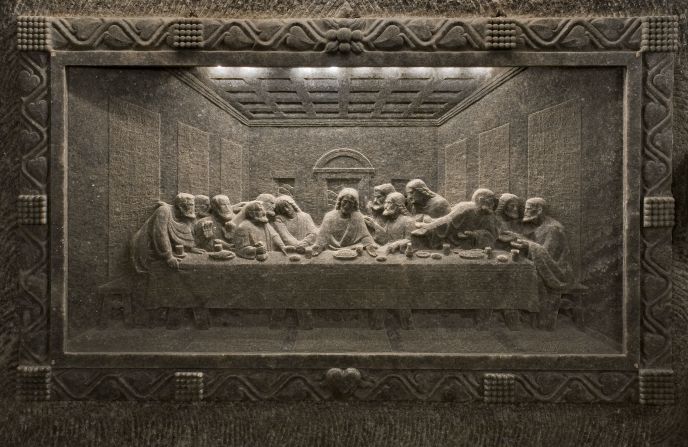
A frieze of 'The Last Supper' carved into the side of a subterranean cave at the Wieliczka salt mine.
Courtesy Marek Gardulski
Gothic grandeur —
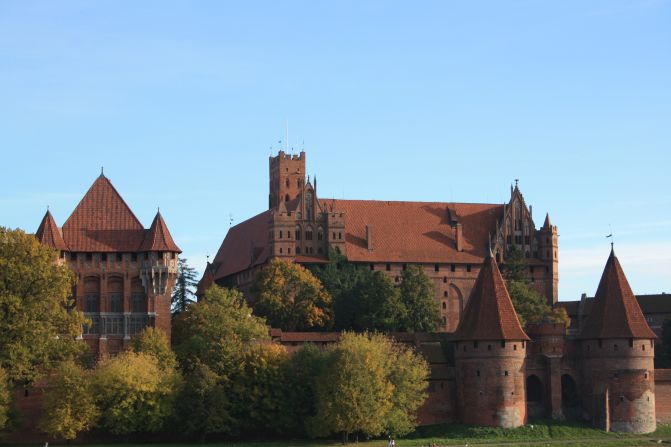
The Castle of the Teutonic Order is a 13th century fortified monastery and a fine example of medieval brick architecture.
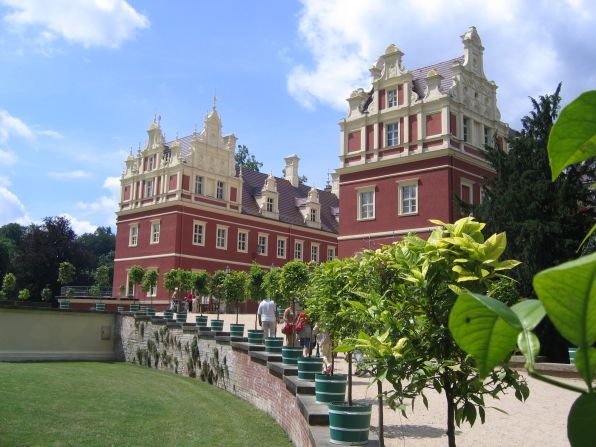
Sitting astride the Neisse River on the border between Poland and Germany, the park was created by Prince Hermann vo Puckler-Muskaur from 1815 to 1844.
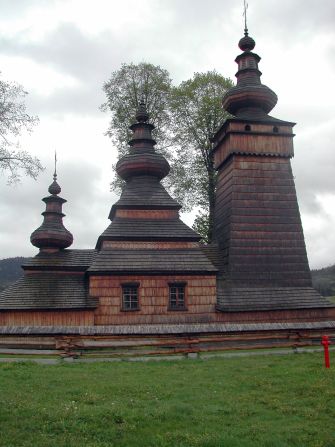
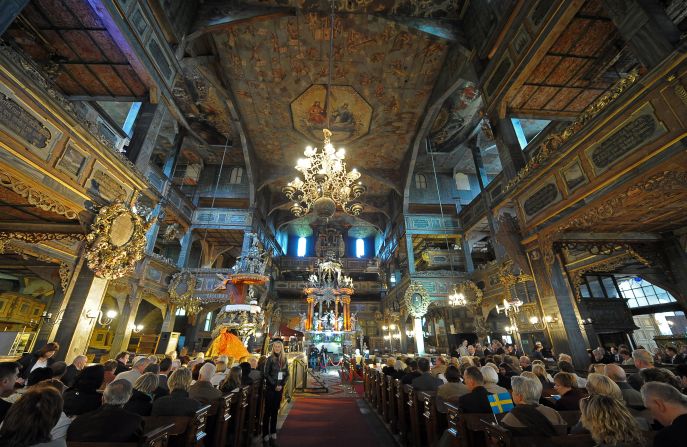
This spectacular church, together with another in Jawor, was the largest timber framed religious building in Europe when built in the mid-17th century.
janek skarzynski/afp
Poland's little-known UNESCO sites —
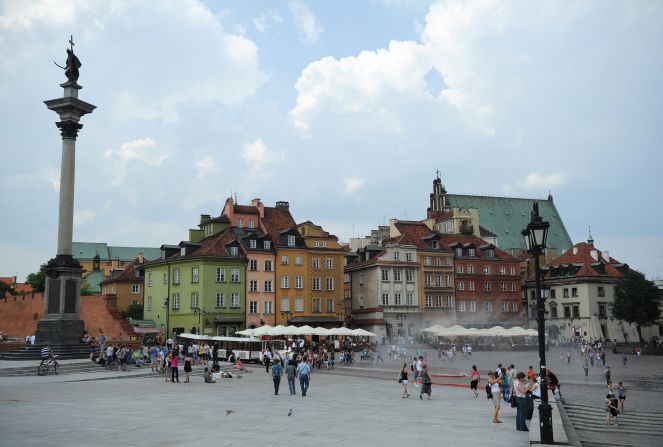
More than 85% of Warsaw's historic center was destroyed by Nazi troops during the Warsaw uprising in August 1944. The meticulous restoration took from the end of the war in 1945 to 1966.
AFP/Getty Images
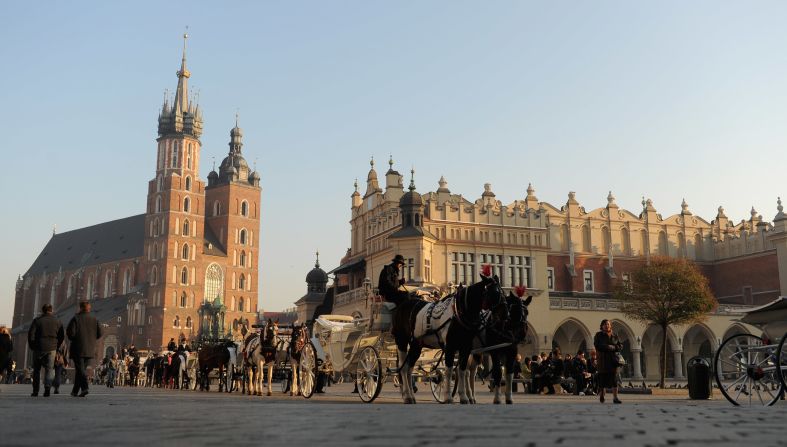
Krakow's historic center —
The 13th century market town has Europe's largest market square.