Abandoned Berlin: Inside the city’s forgotten places
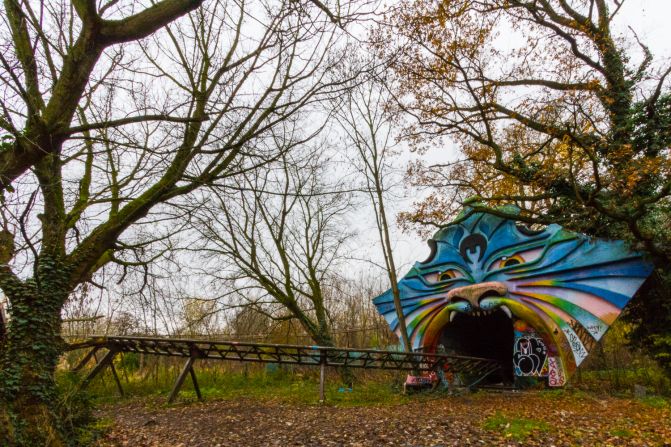
Abandoned Berlin -- Spreepark: Journalist Ciarán Fahey began exploring Berlin's array of abandoned places after a visit to Spreepark -- a GDR-built amusement park which closed in 2002. "I went in on my own because I couldn't get anyone to come with me," says Fahey. "And it was just such a magical experience that when I got home I had to write about it."
Courtesy Ciarán Fahey/Abandoned Berlin
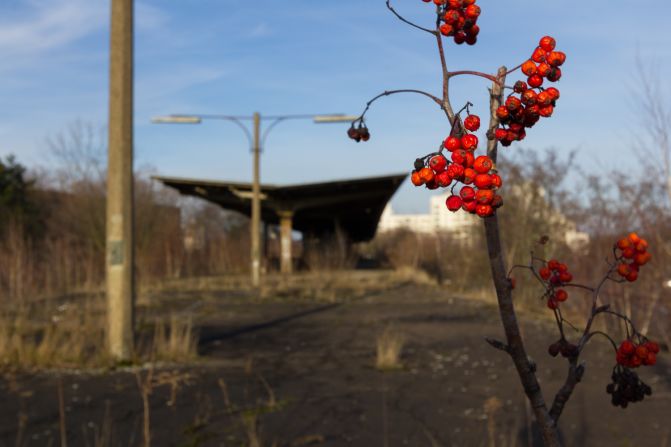
Abandoned Berlin -- forgotten train station: After Spreepark, Fahey decided to hunt out more abandoned buildings. "One place lead to another," Fahey says. "I just kept finding more and more and more, and that's when I decided to put them all together on their own site, a dedicated abandoned site." Fahey took this photo on a disused train line, the Siemensbahn, in west Berlin.
Courtesy Ciarán Fahey/Abandoned Berlin
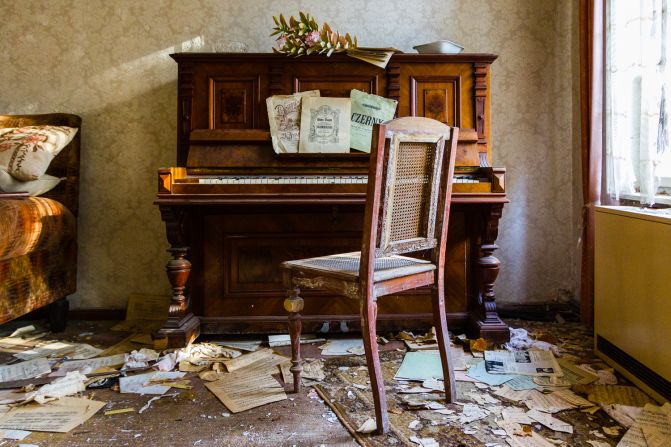
Abandoned Berlin -- city center villa: Not only does Fahey take photographs -- he also researches the history behind the abandoned spaces. "It would be a lot quicker just to go a place, take a load of photos and then publish the photos and forget about it," he says. "But for me the most important thing is actually the stories behind it." Fahey took this photo of a piano in a villa strewn with personal belongings and old correspondence.
Courtesy Ciarán Fahey/Abandoned Berlin
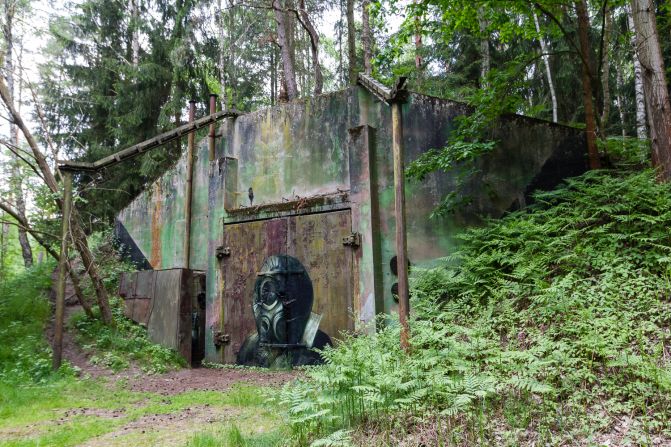
Abandoned Berlin -- Vogelsang nuclear bunker: This former nuclear bunker was once used for storing missiles in the Soviet-built camp of Vogelsang. There were at least two secret deployments of nuclear weapons to Vogelsang, which was built in the middle of a forest.
Courtesy Ciarán Fahey/Abandoned Berlin
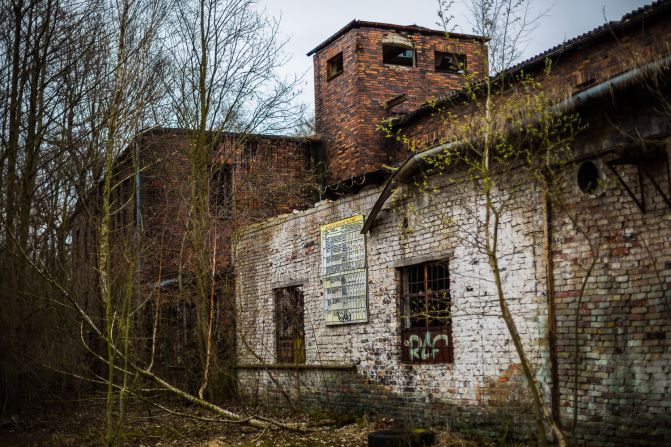
Abandoned Berlin -- Flugplatz Schönwalde: Most places Fahey visits were abandoned within the past 30 years. "I'd say 90% are since the fall of the Berlin Wall," he says. This means information can usually be tracked down online and in newspaper archives. Fahey photographed these buildings at Flugplatz Schönwalde, an abandoned Soviet airfield.
Courtesy Ciarán Fahey/Abandoned Berlin
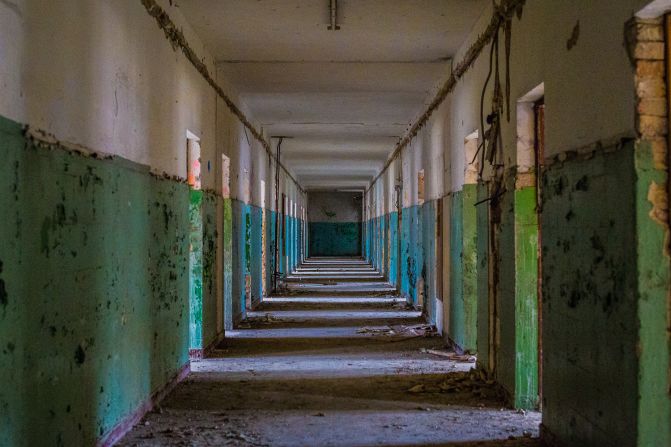
Abandoned Berlin -- Flugplatz Schönwalde: "There are usually newspaper articles about it, about factories closing down or hospitals closing or moving off somewhere else," says Fahey. He took this atmospheric photograph of a corridor at Flugplatz Schönwalde, another airfield used by the Soviets during the Cold War.
Courtesy Ciarán Fahey/Abandoned Berlin
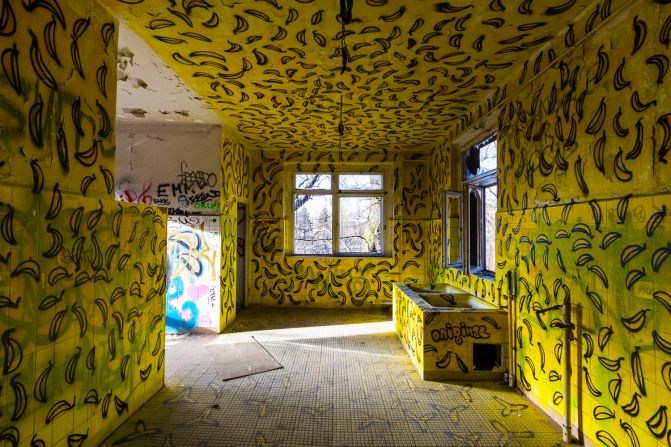
Abandoned Berlin -- Children's hospital in Weissensee: Breaking into an abandoned building isn't always easy. "It really depends on the place," says Fahey. This former children's hospital in Weissensee has become a canvas for the city's street artists.
Courtesy Ciarán Fahey/Abandoned Berlin
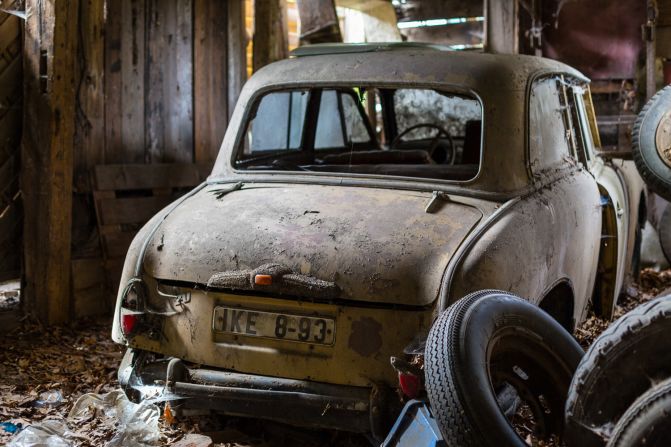
Abandoned Berlin -- garage: Fahey says he's had a few moments where he's nearly been caught in the act. He photographed this early-model Trabant, abandoned along with other cars in a garage at the back of a derelict house.
Courtesy Ciarán Fahey/Abandoned Berlin
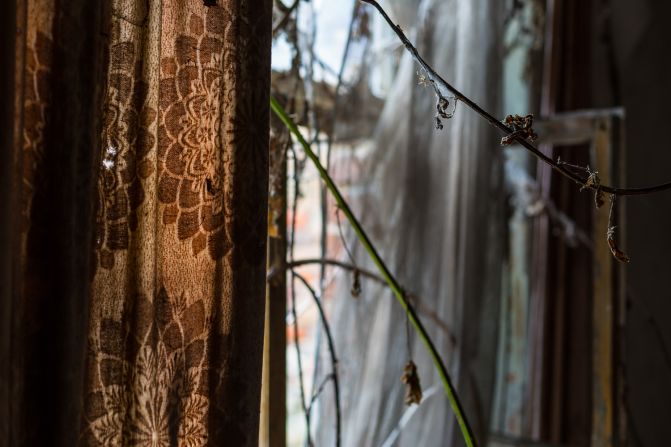
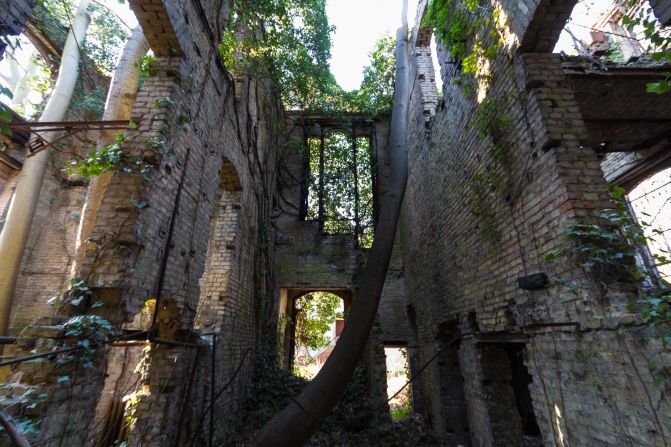
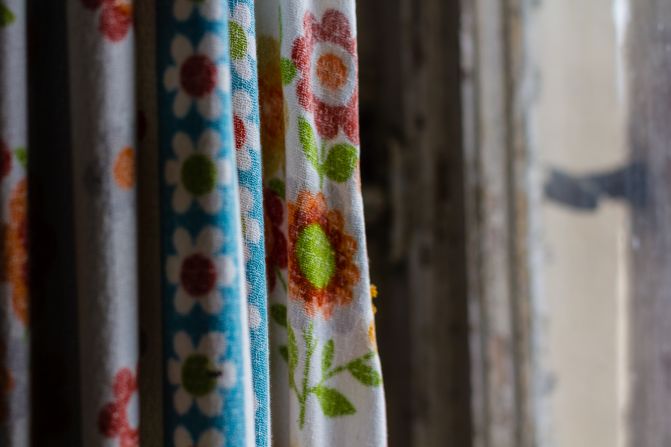
Abandoned Berlin -- abandoned house: In many of Fahey's photographs, nature is taking over humankind's forgotten relics. Here, curtains mingle with brambles in the windows of an abandoned house.
Courtesy Ciarán Fahey/Abandoned Berlin
Abandoned Berlin -- war-damaged villa: So why are there so many abandoned buildings in Berlin? "Germany's history is pretty unique," says Fahey. "I don't think you have the same level of waste and destruction in other countries in Europe." This villa, damaged during World War II is in the southwest of the city.
Courtesy Ciarán Fahey/Abandoned Berlin
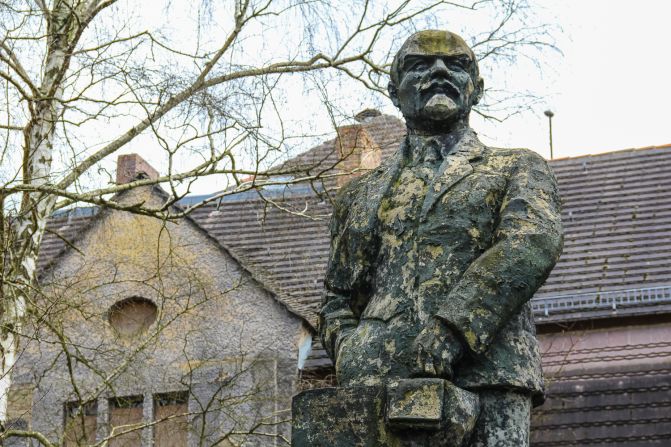
Abandoned Berlin -- former Soviet headquarters: Part of the reason why there are many abandoned buildings in Berlin is because Germany's political history has been characterized by upheaval -- during the 20th century, buildings were erected and abandoned as regimes changed. Pictured here, a statue of Lenin outside a villa at Wünsdorf, the headquarters for the Soviet military forces in Germany.
Courtesy Ciarán Fahey/Abandoned Berlin
Abandoned Berlin -- SS bakery in Oranienburg: There are relatively few buildings still standing from the Nazi regime -- but occasionally Fahey discovers buildings with disturbing pasts. This is a former SS bakery, where inmates from the neighboring Sachsenhausen concentration camp were ordered to bake bread.
Courtesy Ciarán Fahey/Abandoned Berlin
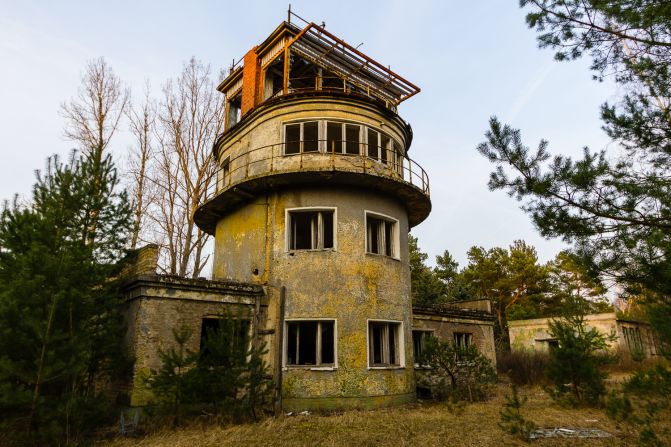
Abandoned Berlin -- disused airfield control tower: The majority of the buildings Fahey discovers have fallen into disuse since German reunification. "Germany hasn't really caught up yet with that, it hasn't really made use of those buildings," he says. Fahey photographed this disused airfield at Sperenberg.
Courtesy Ciarán Fahey/Abandoned Berlin
Abandoned Berlin -- Soviet mural in a former military camp: Times are changing though, and Berlin is growing economically. "There is much more money now and much more investment going on," says Fahey. "The gaps are being filled in all the time. Old buildings are being taken over again." This Soviet mural is in Jüterbog, to the south of Berlin.
Courtesy Ciarán Fahey/Abandoned Berlin
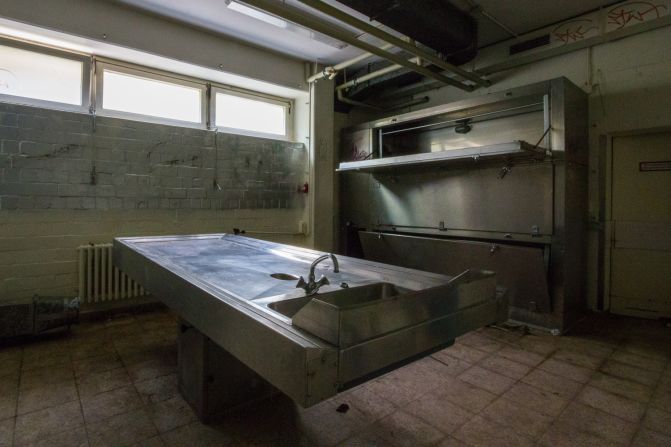
Abandoned Berlin -- anatomy college: Fahey's urban exploration of Berlin is also the focus of a book, published by Berlin-based publishers be.bra verlag. Pictured here, a dissecting table and cold storage in the basement of a former anatomy college.
Courtesy Ciarán Fahey/Abandoned Berlin
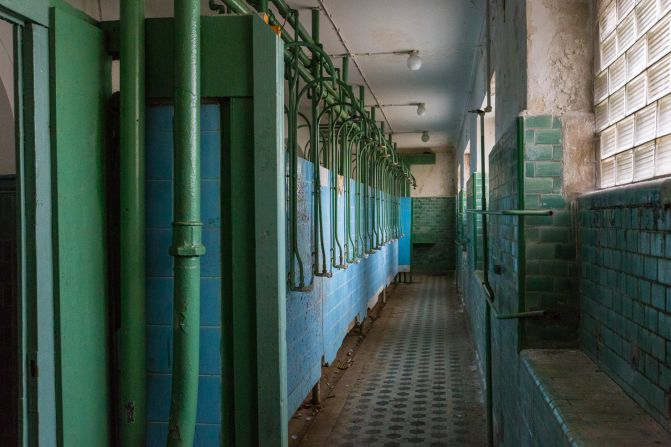
Abandoned Berlin -- former Soviet swimming pool: Fahey was unsure at first about transitioning from screen to page. "Every time you go into these places and take a picture, it's evidence of a crime and that you're trespassing on someone's private property," Fahey admits. This photograph depicts showers beside the swimming pool at Wünsdorf, former headquarters for the Soviet military forces in Germany.
Courtesy Ciarán Fahey/Abandoned Berlin
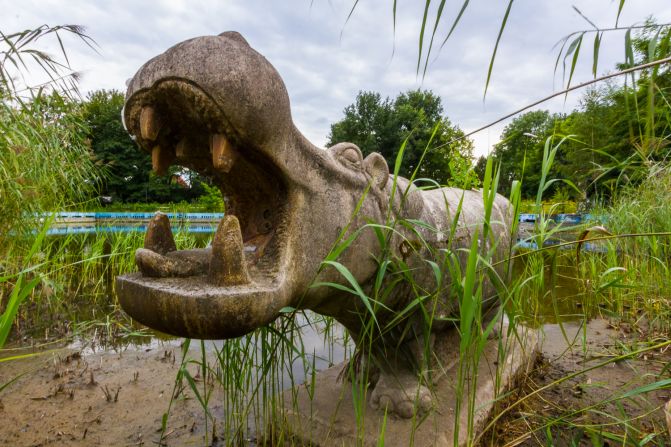
Abandoned Berlin -- disused swimming pool: Once the publishers confirmed that they'd take care of any legalities, Fahey was on board. He's thrilled that the book has opened up his work to German speakers for the first time. This hippo is left at the Wernerbad in Kaulsdorf, a disused swimming pool in what was East Berlin.
Courtesy Ciarán Fahey/Abandoned Berlin
Abandoned Berlin -- Waldhaus Buch sanatorium: As his work becomes popular, Fahey has considered expanding his horizons beyond Berlin. "But there's way too much here to occupy me for the moment before I think of expanding it or going abroad or anything like that," he says. Fahey photographed these fluttering curtains in the window of an abandoned villa near Sperenberg Airfield.