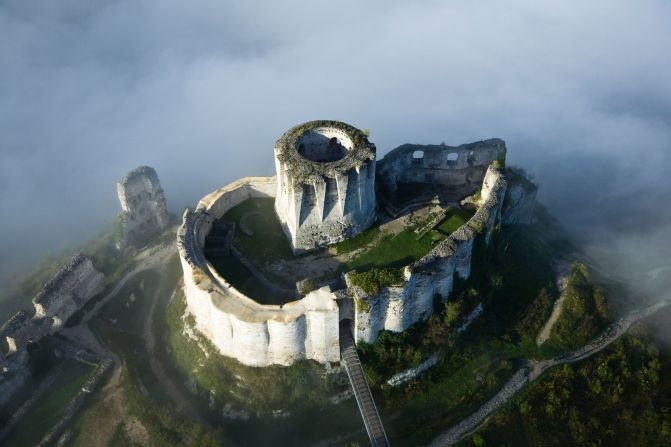
Abandoned castles -- Chateau Gaillard, Normandy, France: Magnificent ruined fortresses are the focus of Kieron Connolly's latest book "Abandoned Castles" -- including the imposing 12th century Chateau Gaillard on the River Seine. Built on the command of Richard the Lionheart, it was viewed as impregnable until it was captured by the French in 1204. By the 16th century the chateau had become the atmospheric ruin it is today.
Courtesy Alamy (Hemis Fr./Francis Cormon)
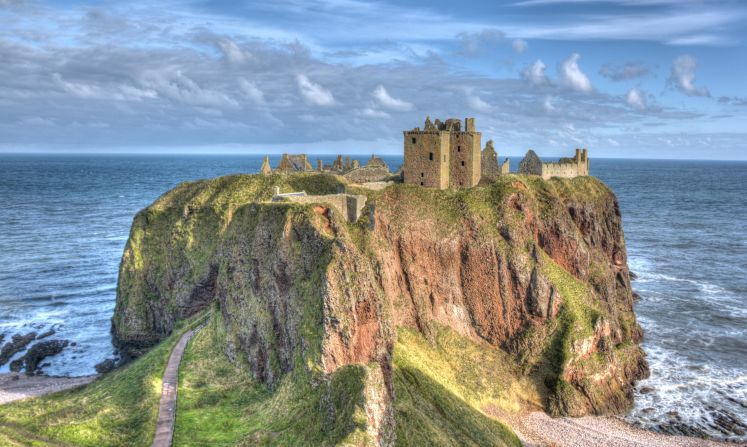
Abandoned castles -- Dunnottar Castle, near Stonehaven, Aberdeenshire, Scotland: Scotland has no shortage of dramatic castles, but Dunnottar is one of the country's most magnificent. The ruin has a romantic location on the tip of the North Sea -- plus William Wallace and Mary Queen of Scots both visited Dunnottar once upon a time.
Courtesy App555/Dreamstime
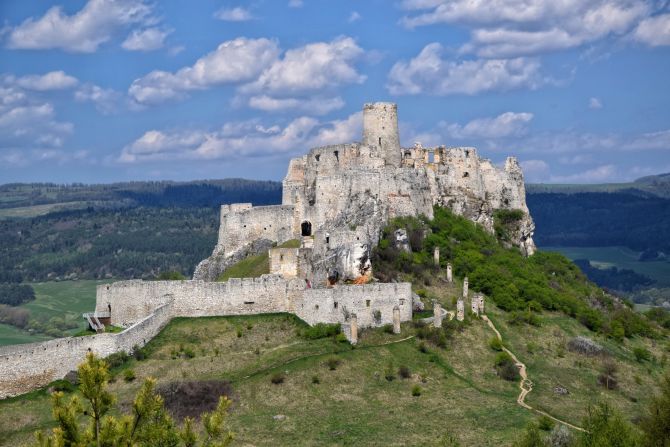
Abandoned castles -- Spis Castle, Kosice, Slovakia: This Gothic-Romanesque hybrid is one of Europe's largest castle sites. The castle burnt down in the 1700s and is now one of Slovakia's most popular attractions.
Courtesy Sergii Krynytsia/Dreamstime
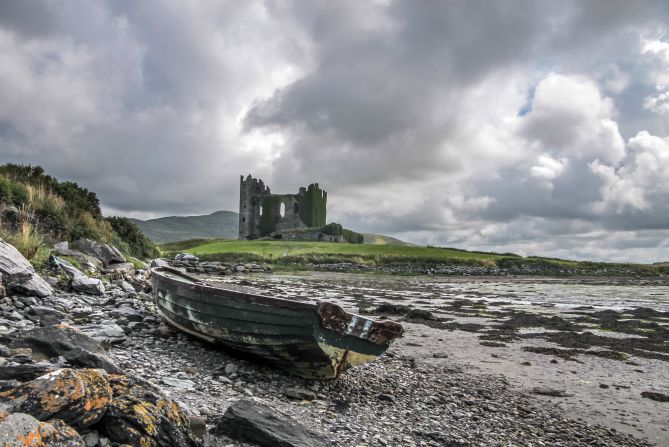
Abandoned castles -- Ballycarbery Castle, County Kerry, Ireland: On the edge of the North Atlantic Ocean are these stone remains of this 16th century fort. Oliver Cromwell's troops damaged the castle in 1652 -- now its walls are clad in ivy and the first floor is covered in grass. "It's an interesting idea, how nature reclaims these things," says Connolly.
Courtesy Christian Mueringer/Dreamstime
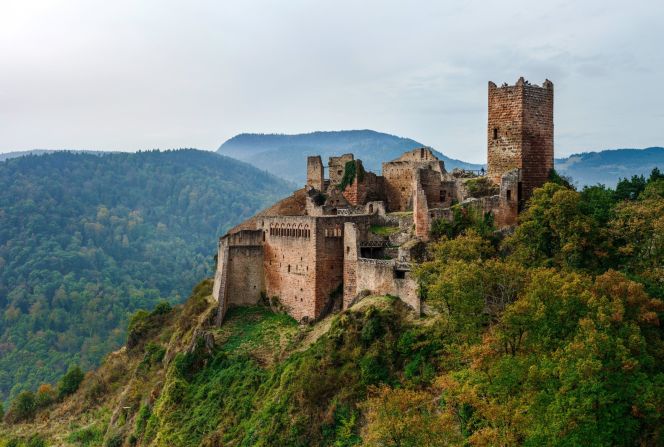
Abandoned castles -- Chateau de Saint-Ulrich, Haut-Rhin, France: "Castles are the gateway into looking into early civilization," author Kieron Connolly tells CNN Travel. Chateau de Saint-Ulrich is one of three fortresses overlooking the French town of Ribeauvillé. The chief seat of the lords of Ribeaupierre, it was abandoned in the 16th century during the Thirty Years' War.
Courtesy Alexander Sorokopud/Dreamstime
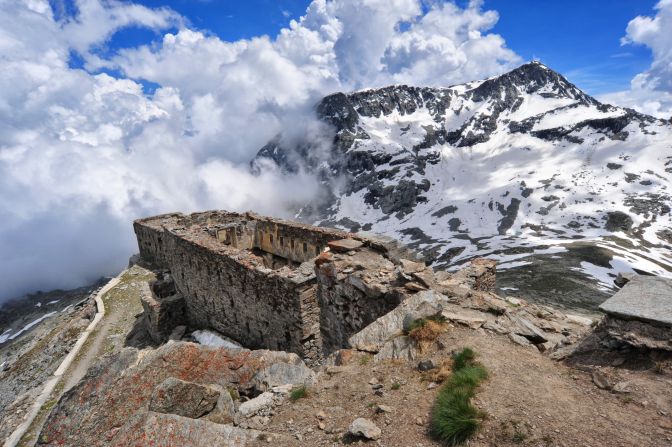
Abandoned castles -- Fort de Malamot, Savoy, France: Amid the Cottian Alps of southwestern France stands Fort de Malamot, a military fortress built in 1889 by the Italians. At an altitude of 2,850 meters (9350 feet), the mountain road to the fort is impenetrable for much of the year.
Courtesy Dambrales/Dreamstime
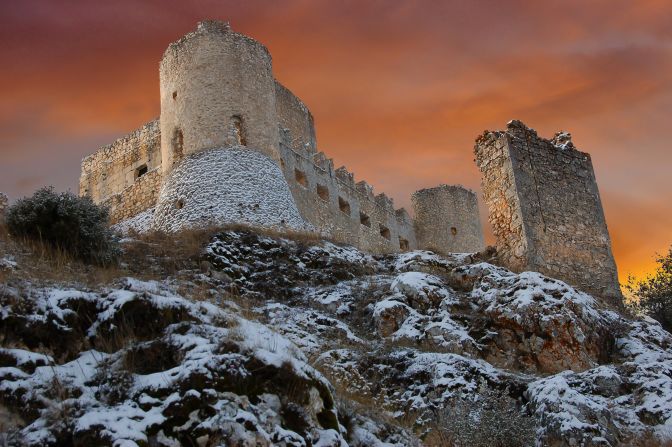
Abandoned castles -- Rocca Calascio, Abruzzo, Italy: "I love that you get this idea of layers of history," Connolly tells CNN Travel. "You can see how it was built and then rebuilt and expanded, how the walls changed, how it passed back and forth and finally became obsolete." The highest stronghold in the Apennines is this former 10th century watchtower. Ironically it never saw a battle -- instead it was destroyed by an earthquake in the 15th century.
Courtesy Claudio Balducelli/Dreamstime
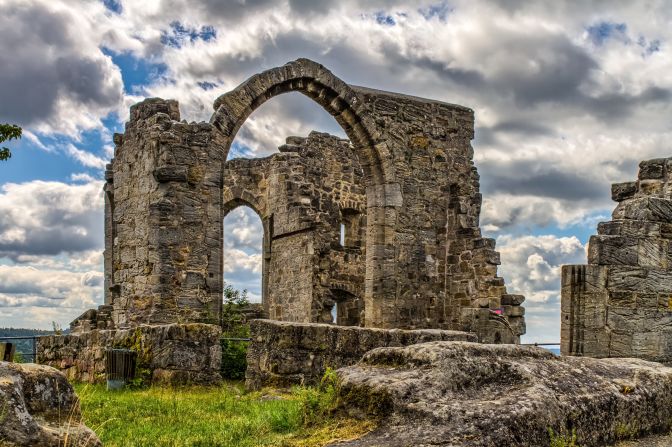
Abandoned castles -- Altenstein, Bavaria, Germany: The lords of Stein zu Altenstein lived in this magnificent spot from the early 13th century -- but when the family moved to a new palace in the 18th century, their original haunt was allowed to decay.
Courtesy Andreas Zerndi/Dreamstime
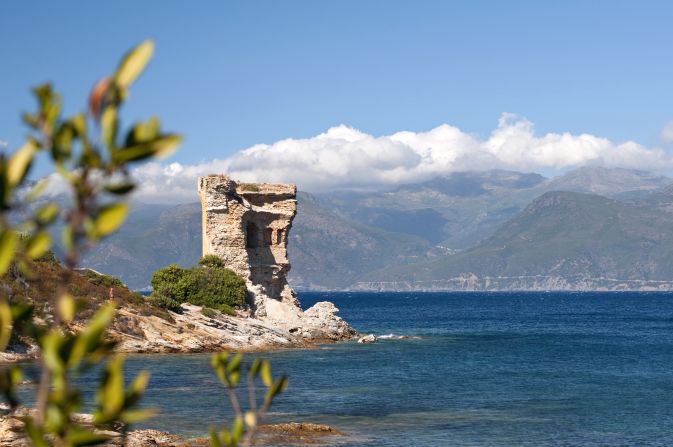
Abandoned castles -- Mortella Tower, Corsica, France: This abandoned fortress in Corsica was built to defend the Mediterranean island against North African pirates. The tower was blown up by British forces in 1796 -- but not before they swiped the design for their own uses. The tower became the model for the Martello towers built across the British Empire in the 19th century. This castle is Connolly's favorite: "I like the story because it goes through different periods in history," he says.
Courtesy Ueuaphoto/Depositphotos
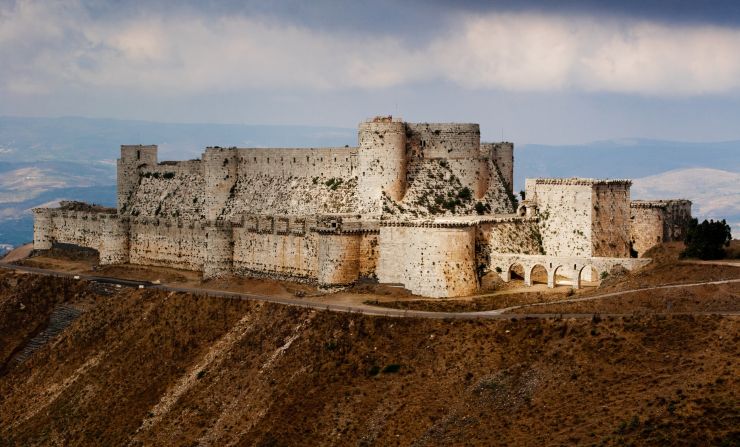
Abandoned castles -- Crac des Chevaliers, Homs Governorate, Syria: One of the best-preserved medieval castles in the world, this fortress was built by the Knights Hospitaller, a medieval Catholic medieval order. A UNESCO World Heritage Site, it has been refortified over the centuries.
Courtesy Cottage 20/Dreamstime
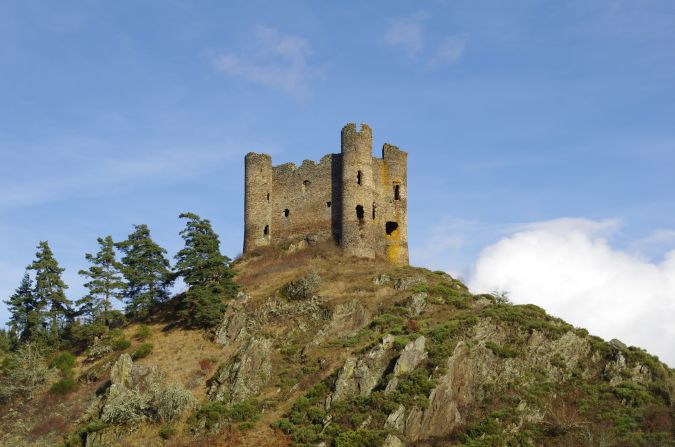
Abandoned castles -- Château d'Alleuze, Cantal, Auvergne, France: This French chateau was occupied by English-sympathizing Bernard de Garlan for seven years during the Hundred Years War. De Garlan wreaked havoc on the locals -- who, in revenge, later burnt down the castle in 1405. However it was rebuilt, before falling into ruin later on.
Courtesy Fabien Monteil/Dreamstime
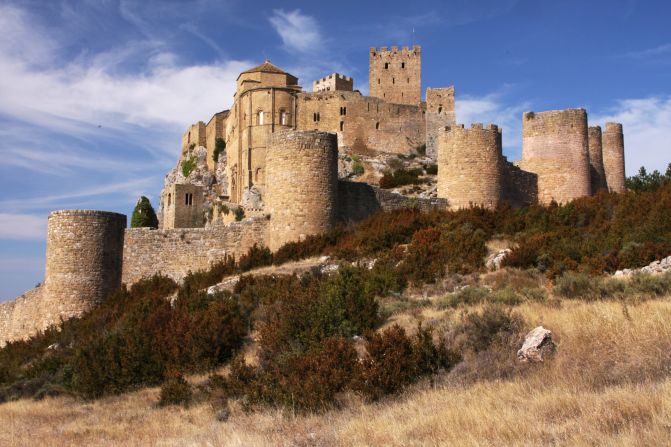
Abandoned castles -- Loarre Castle, Huesca, Aragon, Spain: This Romanesque castle is a well-conserved relic from the 11th century. It was used in the Ridley Scott movie "Kingdom of Heaven."
Courtesy Alain Lacroix/Dreamstime
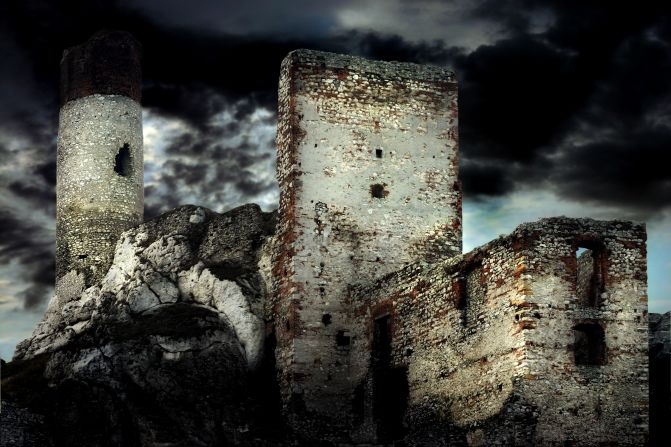
Abandoned castles -- Olsztyn, Silesia, Poland: Olsztyn Castle was built into the limestone crags in Poland's Jura hills by King Casimir the Great. Invaded several times over the years, in 1655 it was captured by the Swedish and later fell into disrepair.
Courtesy Monika Wisniewska/Dreamstime
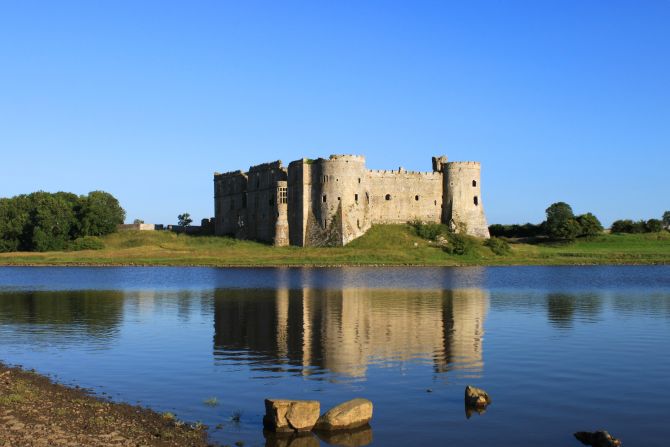
Abandoned castles -- Carew Castle, Pembrokeshire, Wales: Located in the flat lands around the Carew river, this castle was originally built in 1270 and later refortified during the English Civil War. The castle changed hands three times during the conflict -- until finally the Parliamentarians pulled down the south wall. By the 17th century it was deserted.
Courtesy Emeraldgreen/Dreamstime
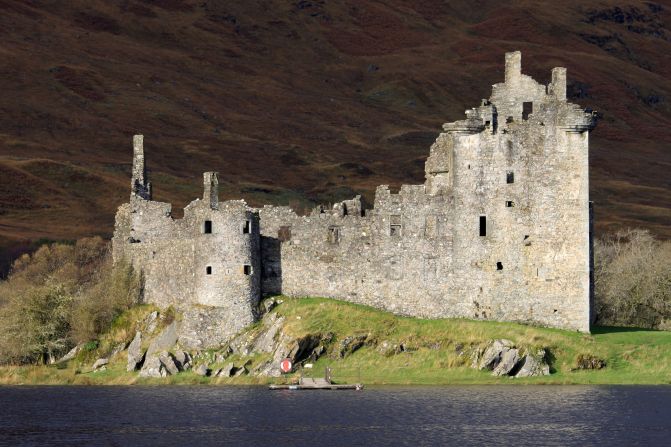
Abandoned castles -- Kilchurn Castle, Loch Awe, Argyll and Bute, Scotland: On the edge of Loch Awe, on a tiny island, is Kilchurn Castle built by Colin Campbell, first Lord of Glenorchy. Damaged by lightning strike in 1760, it remains a spectacular site.
Courtesy Georgesixth/Dreamstime
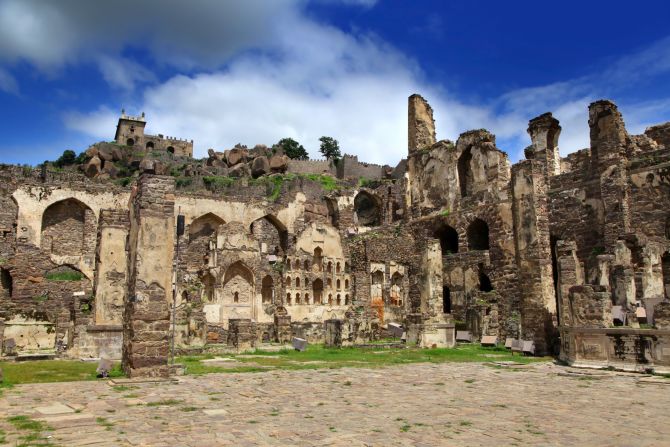
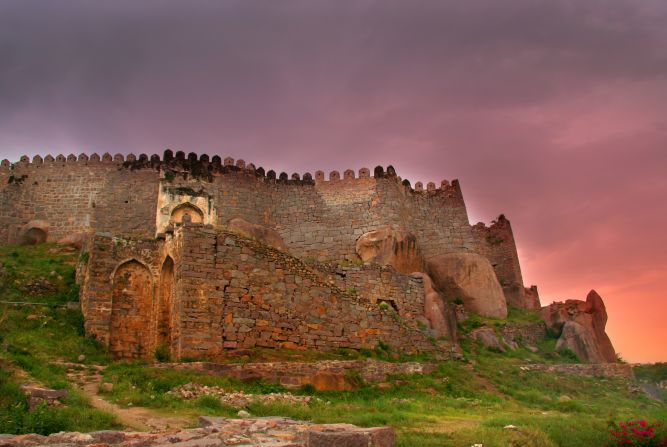
Abandoned Castles -- Golconda, near Hyderabad, India: Golconda Castle was built in the 16th century by the Qutb Shahi dynasty and was once home to the renowned Koh-i-Noor diamond -- later owned by Queen Victoria.
Courtesy Snehitdesign/Dreamstime
Abandoned Castles -- Golconda, near Hyderabad, India: In 1687, the former capital of the Qutb Shai dynasty fell into ruin and it's now a wonderful spot to explore.
Courtesy Snehitdesign/Dreamstime
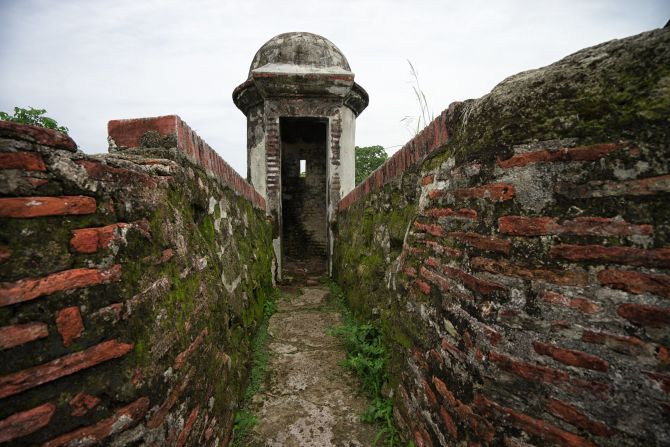
Abandoned castles -- Fort San Lorenzo, Colón, Panama: This World Heritage Site was built when the Spanish began shipping Peruvian gold up the Pacific Coast to Panama. The Fort's mission was to scare off pirates -- but by the 18th century the route was obsolete and the fort fell into disuse.
Courtesy Barna Tanko/Dreamstime
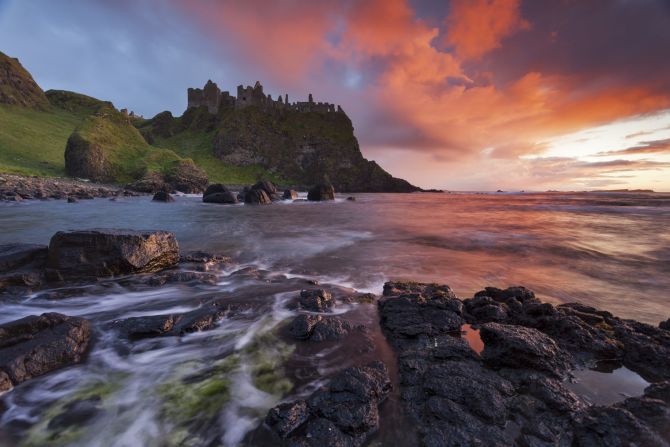
Abandoned castles -- Dunluce castle, County Antrim, Northern Ireland: "If societies are like a body, centuries go by and the body decays," Connolly says. "The castle's like the skull or like the teeth." In Northern Ireland, Dunluce Castle cuts a dramatic figure. The castle had a stormy history, falling into ruin after the Battle of the Boyne in 1690.
Courtesy Adrian Pluskota/Dreamstime
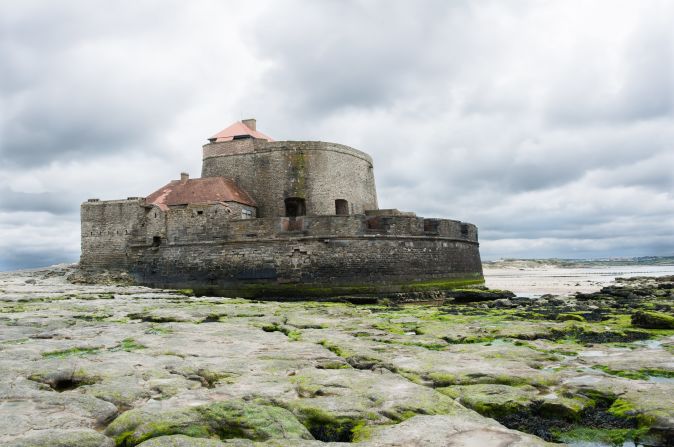
Abandoned castles -- Fort Mahon, Ambleteuse, Pas-de-Calais, France: The sea fort of Mahon (also known as Fort Ambleteuse) was built to defend the River Slack in the 1680s -- and later was occupied by German forces during the Second World War.
Courtesy Dick van de Wiele/Dreamstime
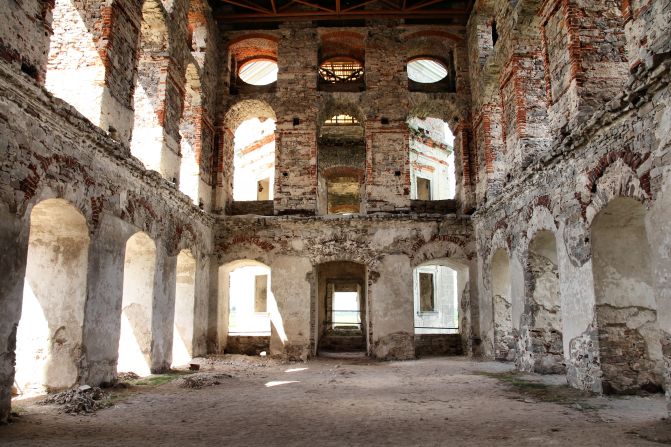
Abandoned castles -- Krzyztopor Castle, Swietokrzyskie Province, Poland: Polish governor Krzysztof Ossoliński believed in black magic -- the principals of which were the basis of this eccentric castle. The buildings also incorporates his love of astrology.
Courtesy Dejan Gospodarek/Dreamstime
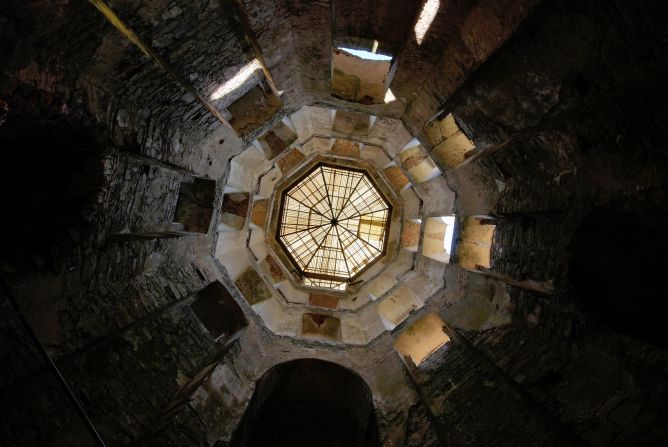
Abandoned castles -- Krzyztopor Castle, Swietokrzyskie Province, Poland: After Ossoliński's death the castle was pillaged and damaged by the Swedes. Later occupied by Russians, the castle was abandoned by 1787.
Courtesy Dejan Gospodarek/Dreamstime
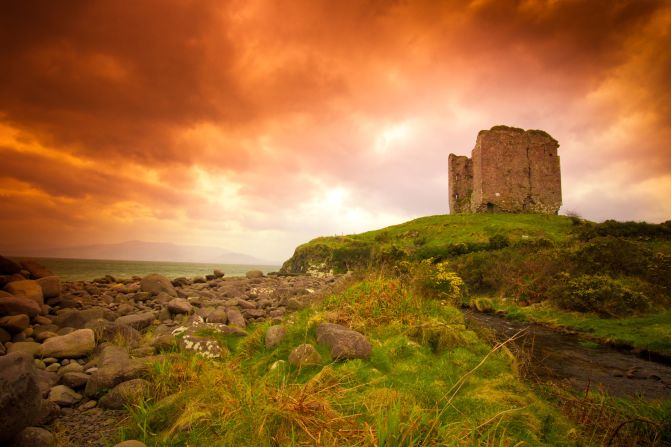
Abandoned castles -- Minard Castle, Dingle Bay, County Kerry, Ireland: Another victim of the English Civil War was 16th century Minard Castle in Ireland. The castle was destroyed by cannon fire and gunpowder -- and all survivors were killed. Overlooking the Irish Sea, the castle is now one of Ireland's most striking spots.
Courtesy Littleny/Dreamstime
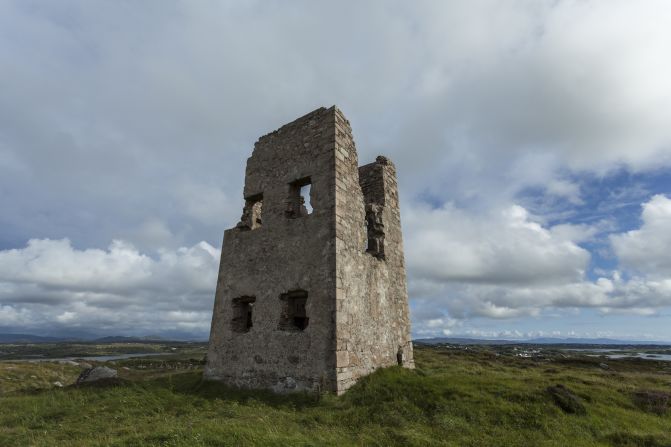
Abandoned castles -- Kincasslagh, County Donegal, Ireland: The isolated Kincasslagh fort was built by the British during the Napoleonic Wars as an anti-invasion fort. "Abandoned places touch a nerve with people," Connolly says. "We're interested in worlds gone by, forgotten worlds."
Courtesy Emm2015/Dreamstime
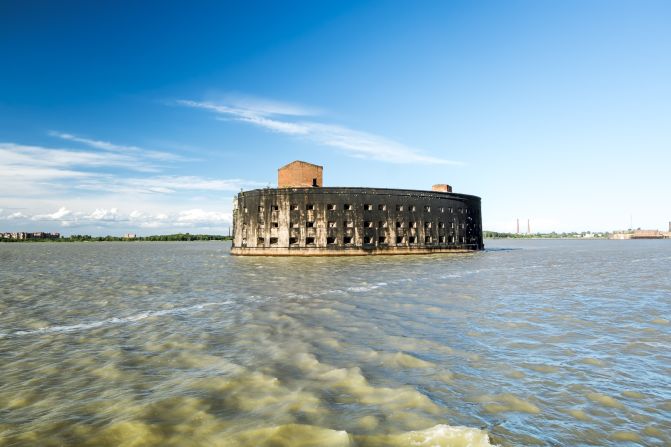
Abandoned castles -- Fort Alexander, St. Petersburg, Russia: This 19th century fort was originally built to defend St Petersburg, later becoming a research laboratory on infectious diseases. During the Soviet era, the fort was used for storage by the Russian navy. In the early 2000s, the fort was allegedly used for rave parties.
Courtesy Anton Kudelin/Dreamstime
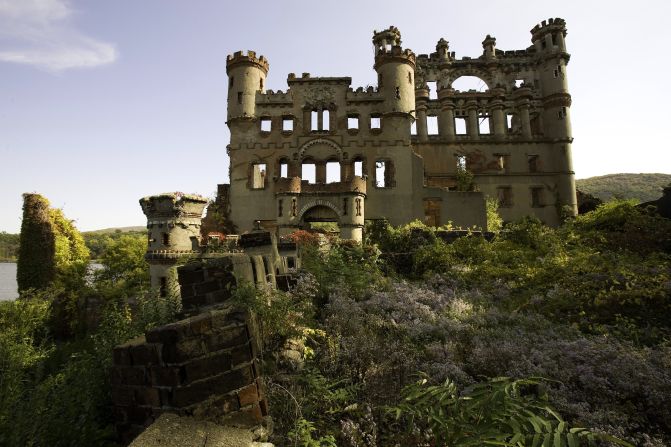
Abandoned Castles -- Bannerman Castle, Pollepel Island, Hudson River, New York State, USA -- Bannerman Castle was actually a military surplus warehouse, built to resemble a castle by Francis Bannerman. It's located on Pollepel Island in New York's Hudson River. When legislation changed laws regarding military weapons, Bannerman's business ended and the building fell to ruin.
Courtesy Karen Foley/Dreamstime
Abandoned Castles: All images taken from the book "Abandoned Castles" by Kieron Connolly (ISBN 9781782745228) published by Amber Books Ltd (www.amberbooks.co.uk) and available from bookshops and online booksellers now (UK RRP £19.99).