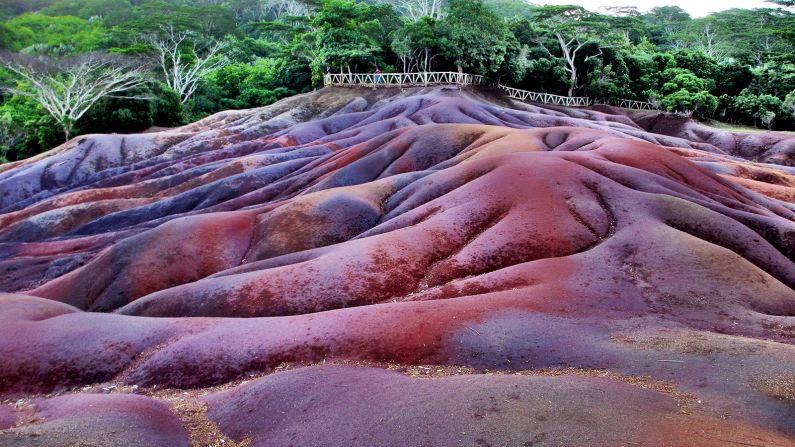
The colorful sand dunes in Charamel, Mauritius, are one of several places on Earth that resemble alien worlds. The striped sands are formed from volcanic rock but they remain a scientific mystery.
Courtesy Willem Van Zyl/Flickr
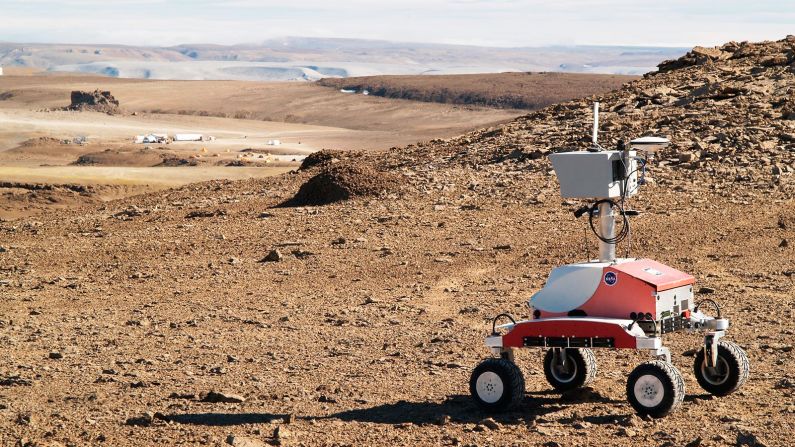
Devon Island, Canada —
Temperatures on Devon Island are so cold that a crater there has hardly changed in the 39 million years since it was formed, making it a perfect Mars substitute for NASA.
NASA/Matt Deans
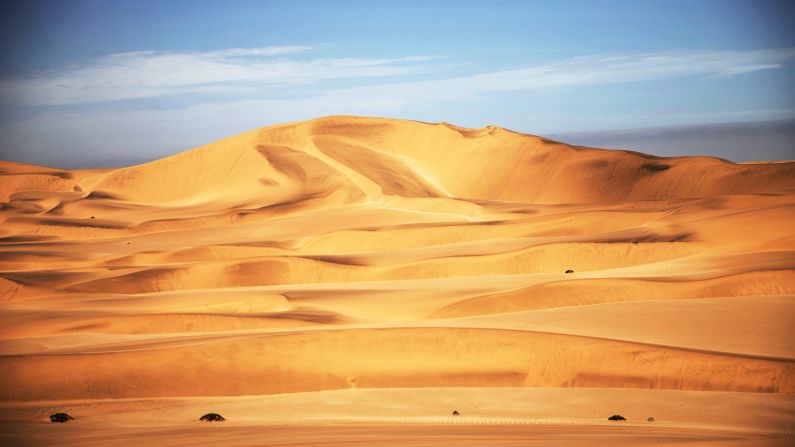
Namib Desert, Namibia —
With enormous sand dunes and dried riverbeds cutting through an endless red and orange landscape, the Namib desert has also found work as a Mars subsitute for NASA.
GIANLUIGI GUERCIA/AFP/Getty Images
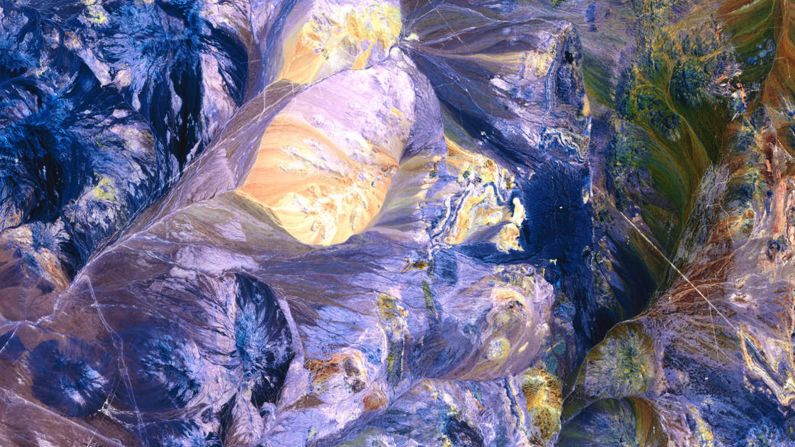
Atacama Desert, Chile —
It's normally one of the driest places on the planet -- a lunar terrain of lava flows and salt flats -- but when it does rain, South America's Atacama desert turns into an explosion of color, as this photo from space shows.
NASA/USGS
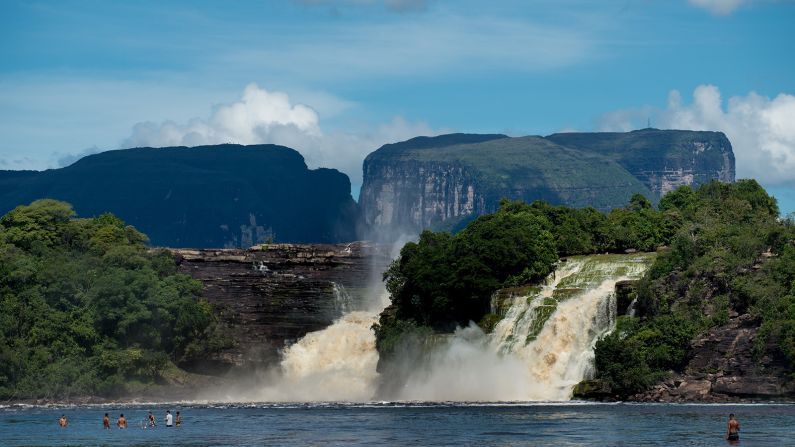
Canaima National Park, Venzuela —
For centuries, people living near the flattop mountains of the Canaima National Park feared they were home to strange creatures. They were almost right.
FEDERICO PARRA/AFP/Getty Images
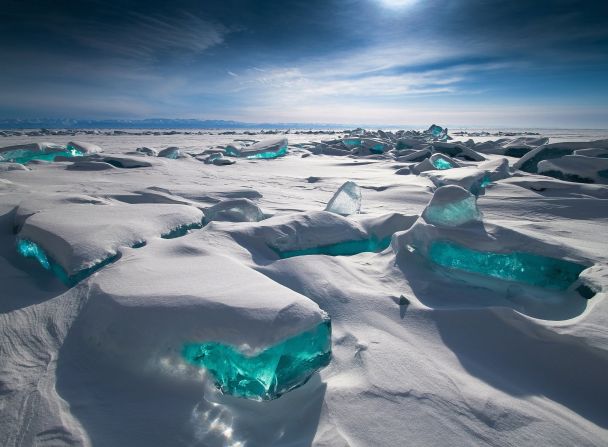
Lake Baikal, Russia —
Frozen for at least four months a year, Baikal's water is so clean that it forms ice that turns into shockingly vivid shades of blue.
Alexey Trofimov/Solent News/REX/Shutterstock
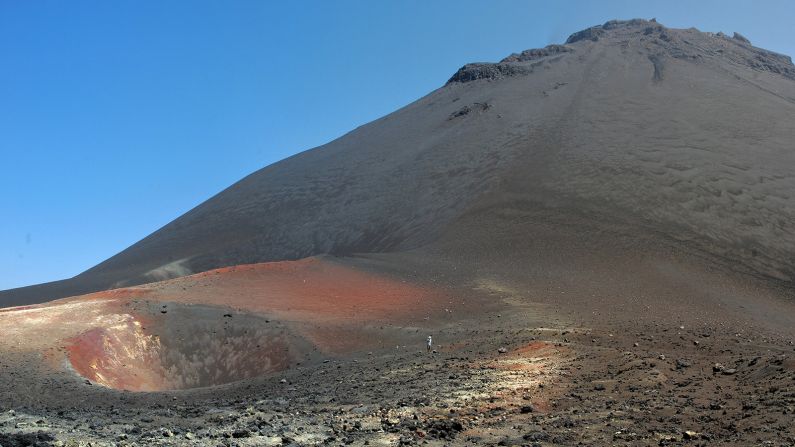
Fogo Island, Cape Verde —
Fogo Island is more or less one big volcano. It's still active, but 40,000 people live in its shadow, even cultivating grape vines in its craters.
Rolfcosar/Wikimedia Commons
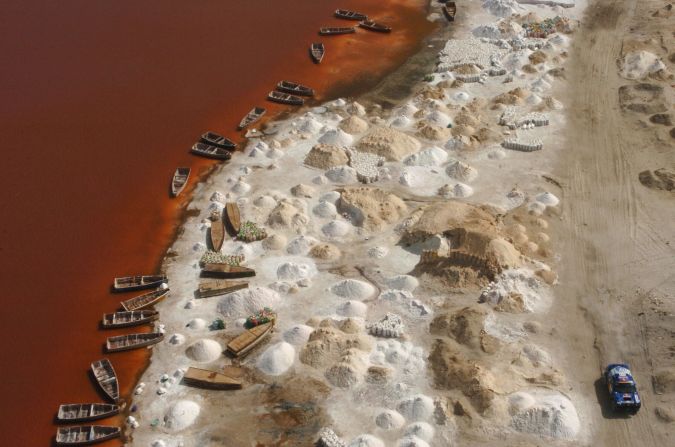
Lake Retba, Senegal —
Senegal's tropical climate cultivates micro-algae that turns the extremely salty water of Lake Retba the color of strawberry juice.
Getty Images
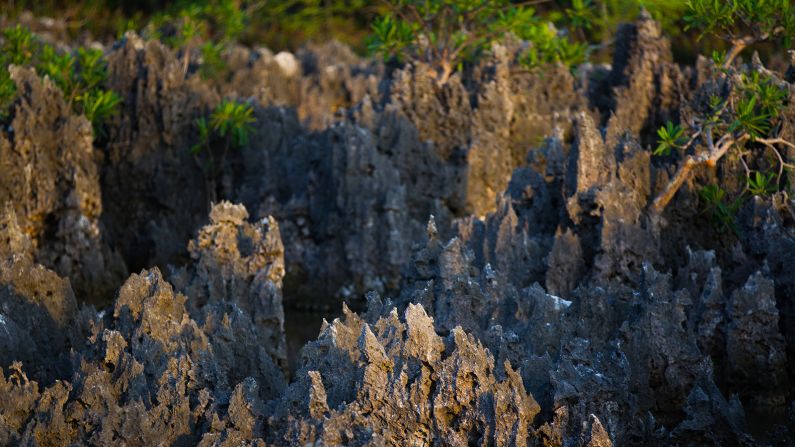
Hell, Grand Cayman —
The craggy black rocks of Grand Cayman's aptly named Hell are the product of an unusual interaction between limestone and a type of algae.