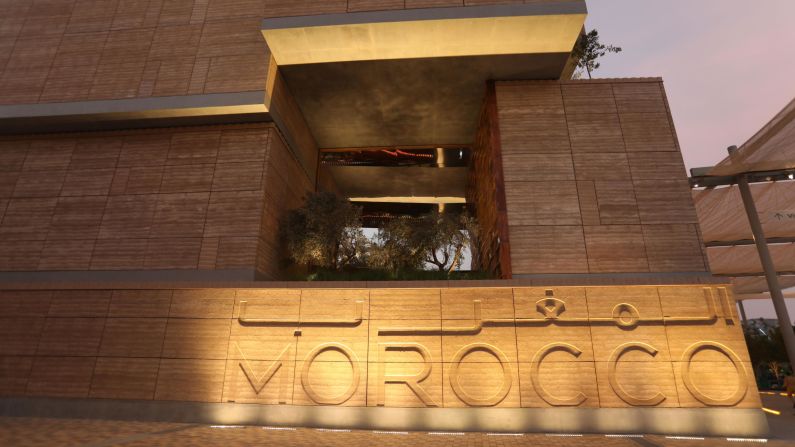
The Morocco pavilion at Expo 2020 merges classic and the contemporary, taking inspiration from the country's ancient villages by using rammed earth construction. "It's about taking ancient techniques and giving them a contemporary presence," says architect Tarik Oualalou.
Morocco Expo 2020 Dubai
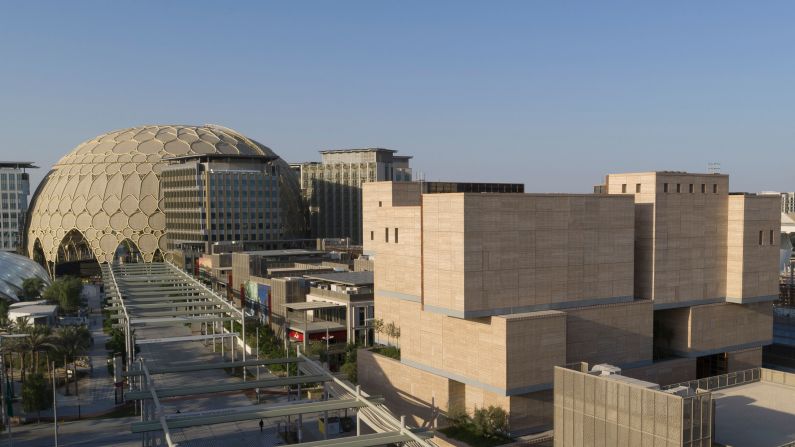
Located in the heart of the Opportunity district, a stone's throw away from the Al Wasl Plaza (the dome pictured), the pavilion is built like a village, consisting of 22 houses stacked on top of each other. It also has 10 gardens that show all Morocco's ecosystems, from desert to the snowy Atlas mountains. "We wanted to give a sense of the diversity of the country and its experiences," says Oualalou.
Dany Eid/Expo 2020 Dubai
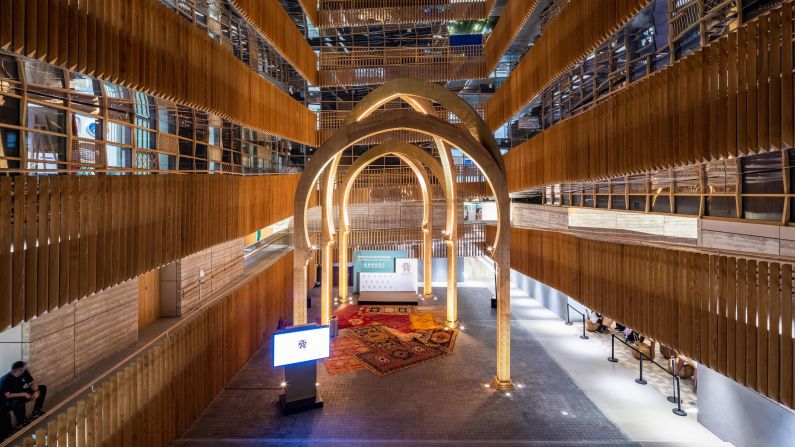
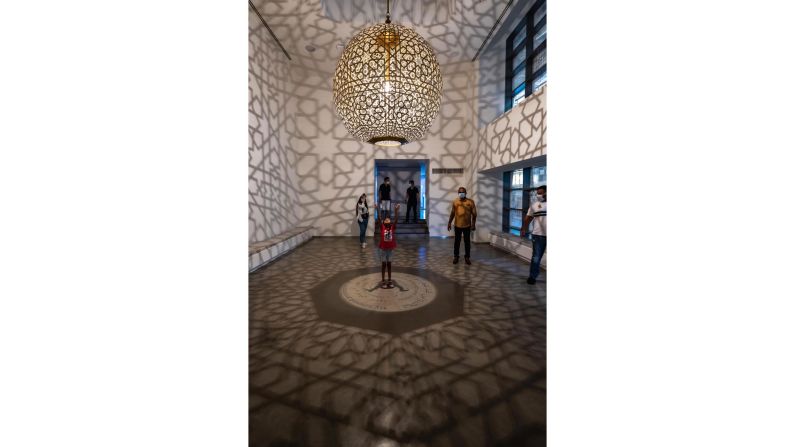
A traditional home in Morocco is built of masonry or earth on the outside and wood on the inside. Oualalou says he took the same approach with the pavilion, using timber for the interior patio which "creates a sense of domestic warmth."
Suneesh Sudhakaran/Expo 2020 Dubai
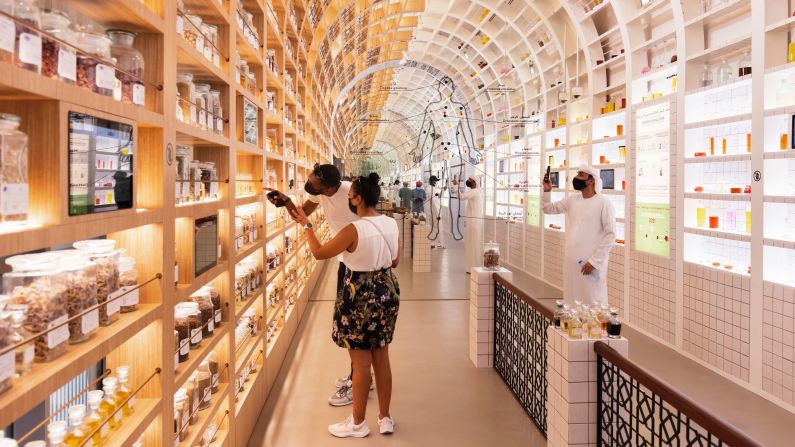
The pavilion is 33 meters (108 feet) tall and has seven stories. It's centered around a central patio, and has a herbal tea room and delicatessen on site, as well as a boutique, traditional Moroccan restaurant and street food market.
David Jimenez/Expo 2020 Dubai
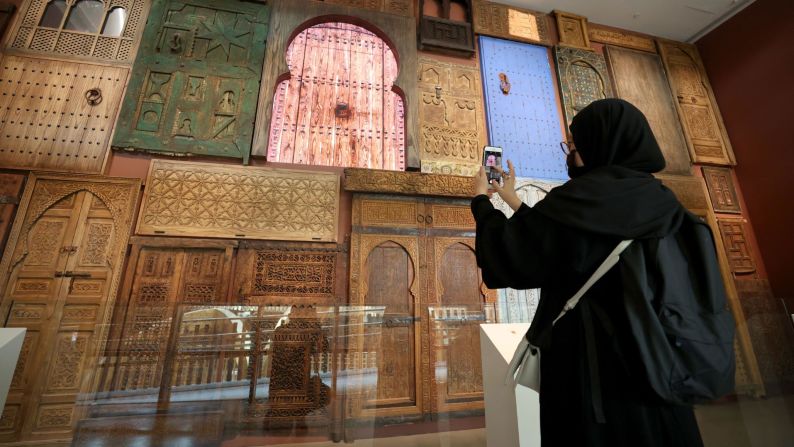
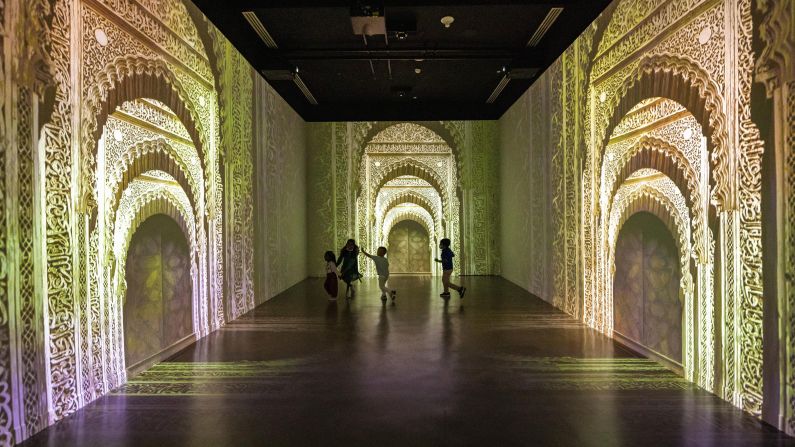
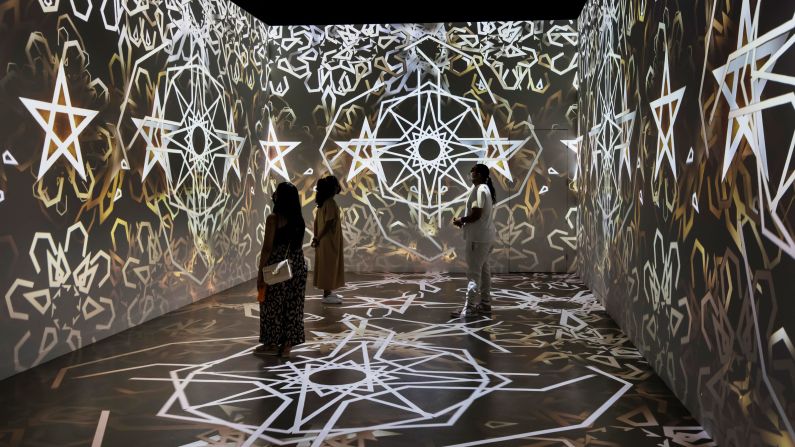
The pavilion's main "street" has doors off to 14 exhibition spaces that offer interactive and educational experiences showcasing Moroccan culture.
AFP/Getty Images
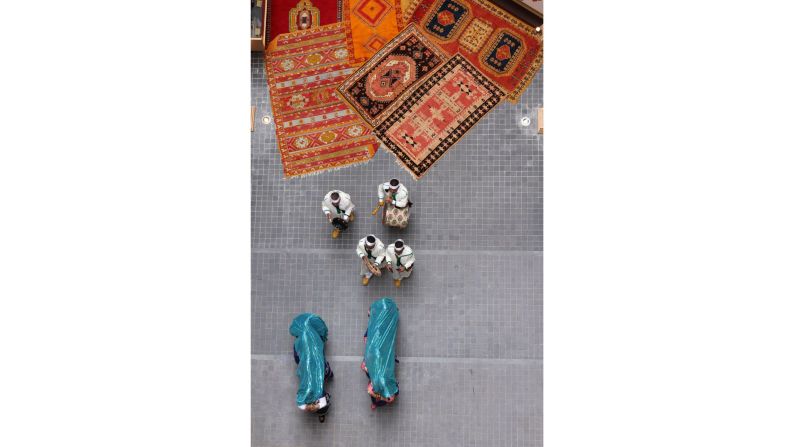
Traditional Moroccan rugs feature in the pavilion's central patio. During Expo 2020's opening ceremony, a Moroccan folkloric troupe performed inside the pavilion.
Karim Sahib/AFP/Getty Images
The carbon footprint of the building is next to nothing, says Oualalou, as it was built only using local materials found within a 5-kilometer (3-mile) radius of the pavilion's location.
Suneesh Sudhakaran/Expo 2020 Dubai
When Expo 2020 ends, the Morocco pavilion will live on, as it is being converted into a housing complex, including a swimming pool, a fitness club and a shared lounge. In leaving a lasting legacy, the pavilion won't be alone as Expo organizers say that more than 80% of the infrastructure will remain in place.
Suneesh Sudhakaran/Expo 2020 Dubai
Oualalou hopes that by demonstrating that such an ancient building technique can be used on a greater scale and for the long-term, he will be able to inspire future housing solutions. "It shows to the world that you can do it," he says. "By demonstrating that we can create and build it here, it allows us to convincingly propose it on a much larger scale in other places."