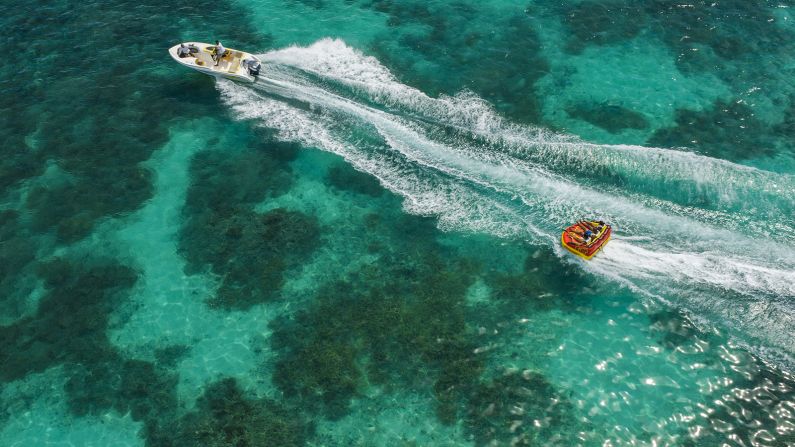
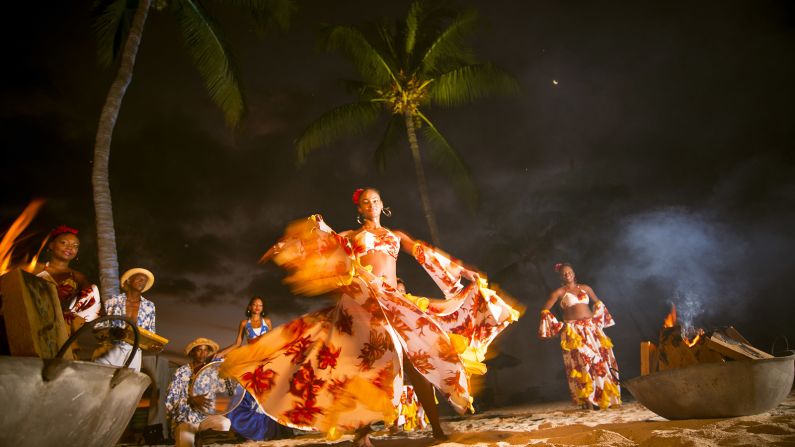
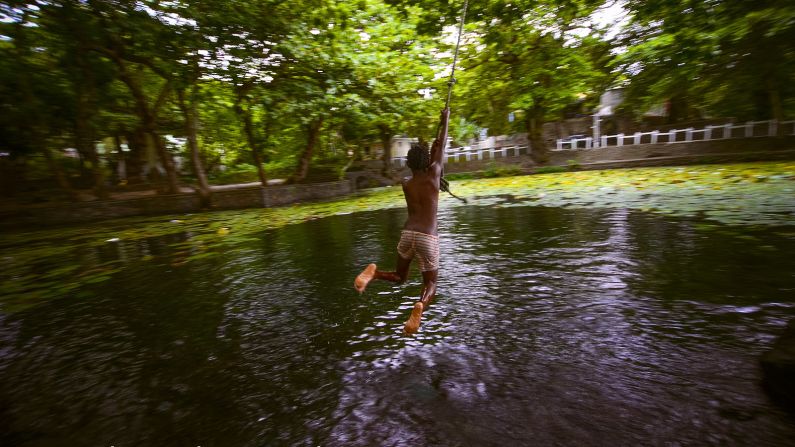
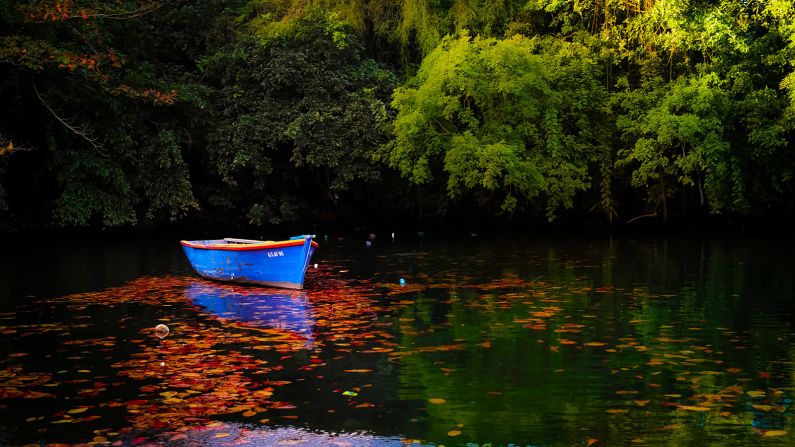
Future of film -- Mauritius is working on developing a film studio to attract international productions with top-notch facilities to support shoots in the country's tropical island paradise scenery.
Clique Photography Mauritius
New experience -- Australian photographer Joseph Manglaviti created his photo safaris shortly after moving to the island.
Clique Photography Mauritius
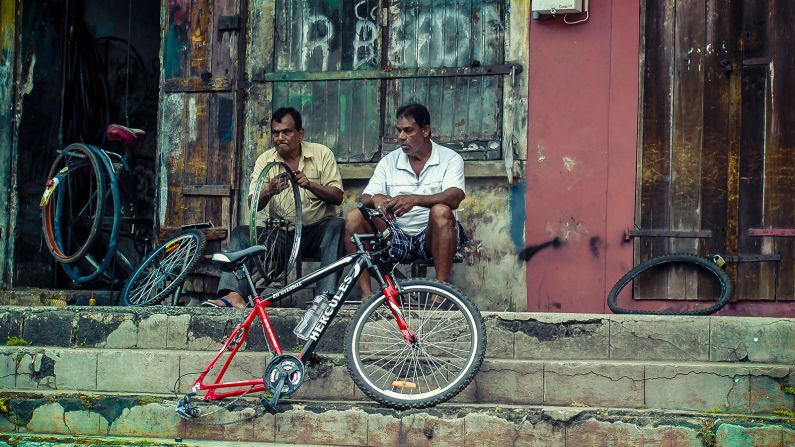
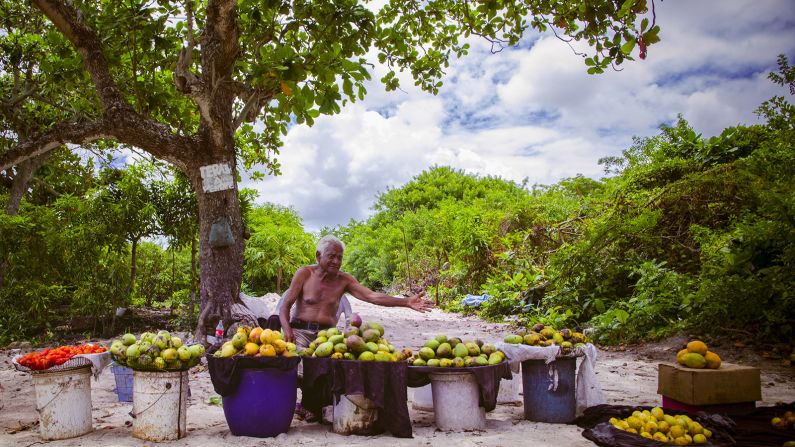
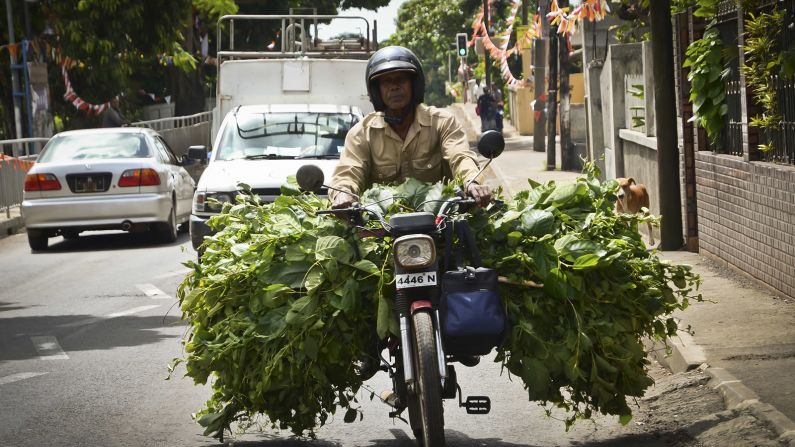
Street life -- Manglaviti's tours take in roadside motorcycle repair shops and the weekend markets that spring up in communities across the island.
Clique Photography Mauritius
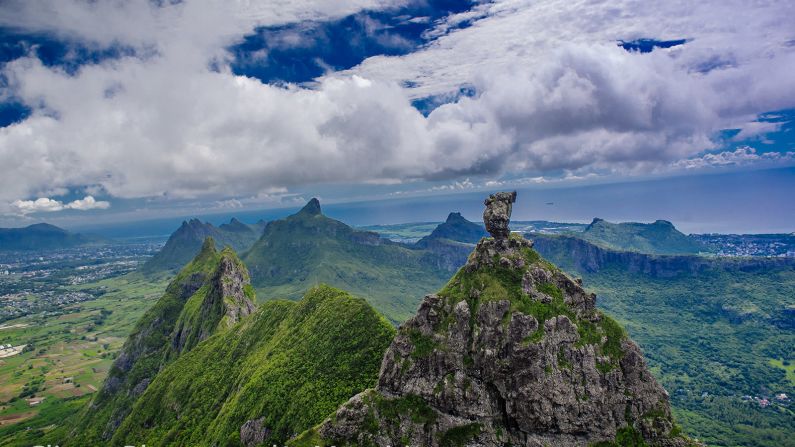
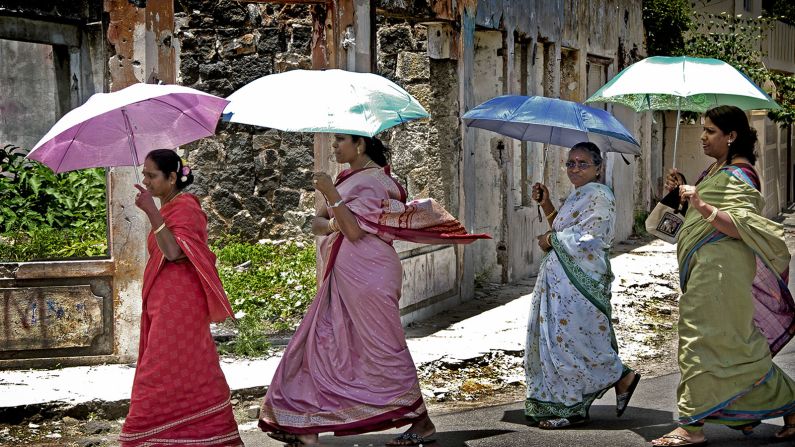
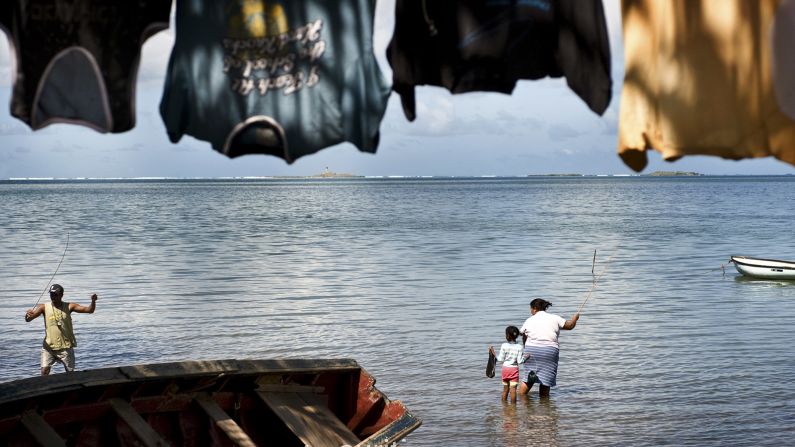
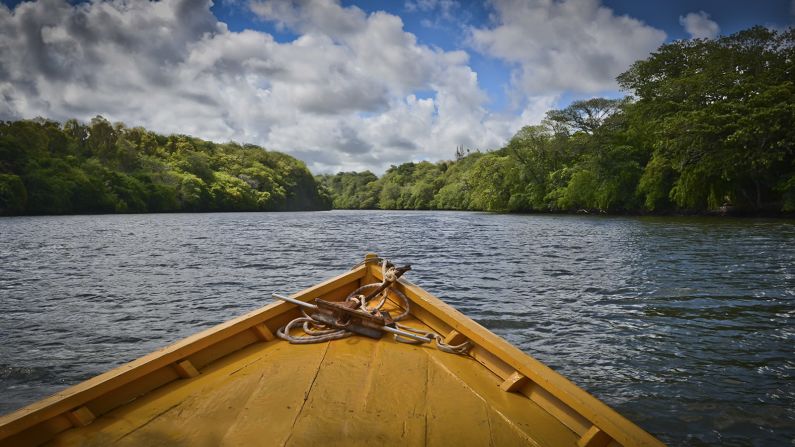
A different side -- While postcard-perfect beaches and mountains are among the attractions on Mauritus, Manglaviti's safaris explore a different side to the island.
Clique Photography Mauritius
Mauritius life -- "Your backdrop is amazing. What better place to learn to take photos?" Manglaviti says.
Clique Photography Mauritius
New beginnings -- Manglaviti dreamed up the idea of his photo safari after a motorbike accident forced him to scale back work in his own studio.
Clique Photography Mauritius
In demand -- While he was in Mauritius recuperating, Manglaviti found lots of people casually asking for advice, and he developed the concept for Clique Photo Safari Mauritius.
Clique Photography Mauritius
Skills to match the tools -- While more and more people are buying higher-end cameras, many still shoot in automatic mode as they did with cheaper point-and-shoot models.
Clique Photography Mauritius
Training sessions -- Manglaviti meets with aspiring photographers, looks at what they know how to do, and then tailors instruction to help them get the most out of their equipment.
Clique Photography Mauritius
Basic skills -- Within a few hours Manglaviti has his students understanding basic camera mechanics, which helps them begin to experiment with their settings.
Clique Photography Mauritius
Taking control -- "I love it when I can share my love of photography with someone else, and then see them go from not being able to turn a camera on to shooting in manual mode in a couple of hours," Manglaviti says.
Clique Photography Mauritius
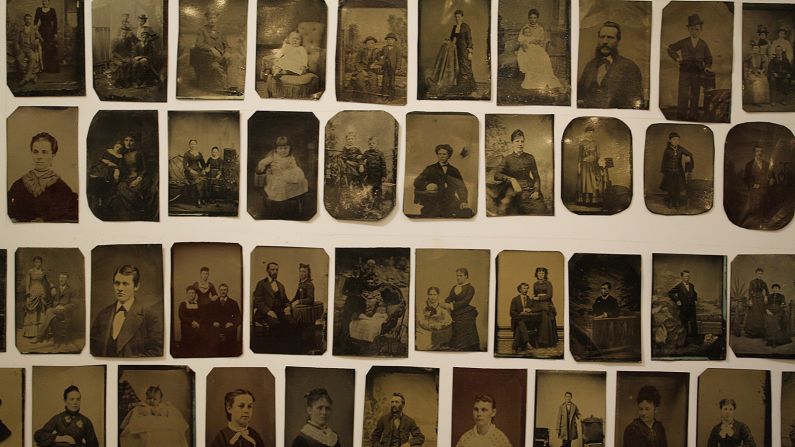
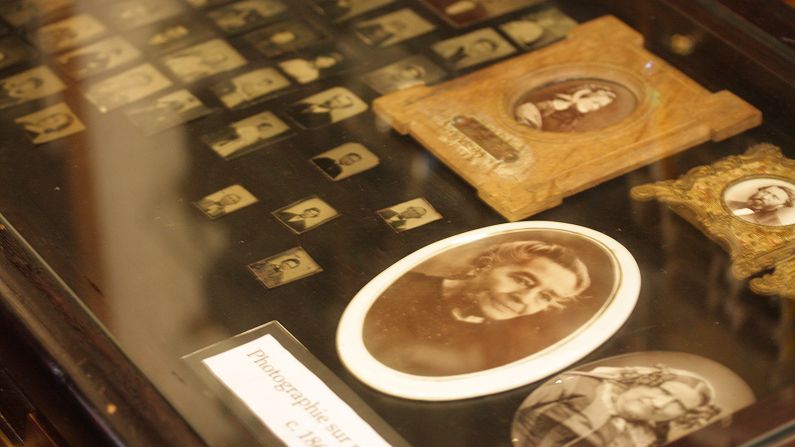
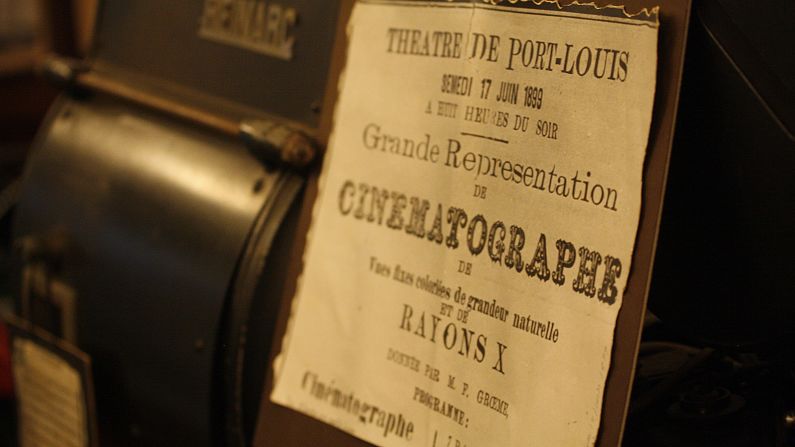
Photography Museum -- Created by collector Tristan Bréville, the Mauritius Photography Museum charts the island's early relationship with the captured image.
The Photographic Museum Mauritius
Valuable archive -- The museum's archive houses more than a million vintage prints.
Griffin Shea/CNN
Images of the past: "We worked to gift our country with the most exceptional photographic archive," Bréville says.
Griffin Shea/CNN
National memory -- "It's the memory of our country," says Bréville, who organizes regular exhibitions despite lack of outside financial support.
Griffin Shea/CNN
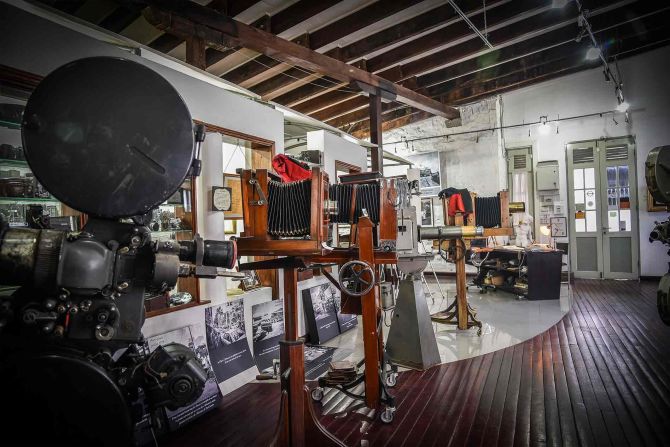
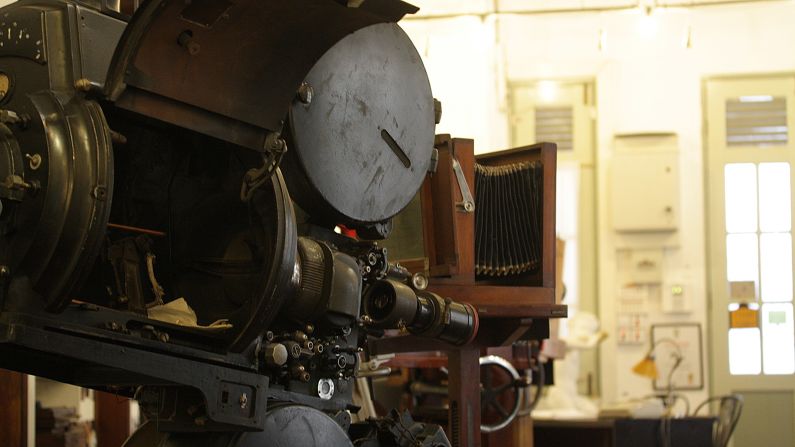
Big picture -- Some of the museum's 19th-century cameras are giants, from an age when creating a larger picture required a larger machine.