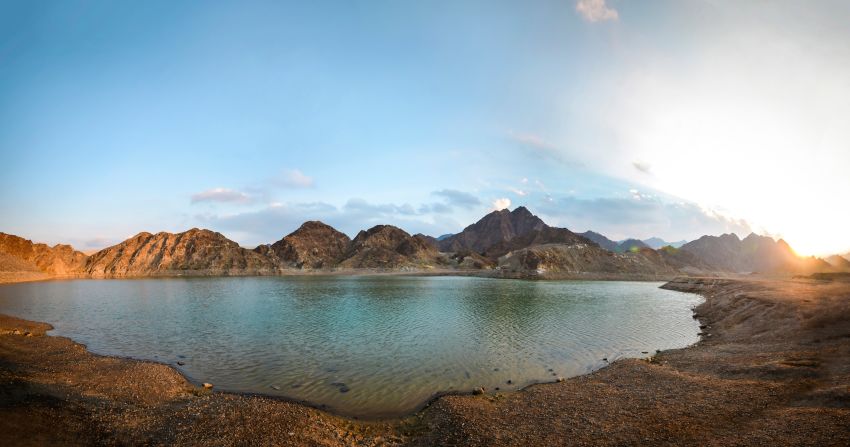
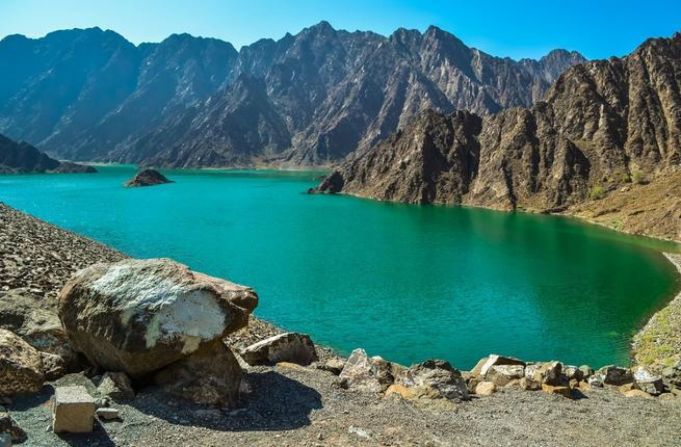
In total, the UAE boasts 10 entrants on the Ramsar list of wetlands of international importance. This includes Dubai’s Ras al Khor Wildlife Sanctuary, the Jebel Ali Wildlife Sanctuary and the recently-added Hatta Mountain Reserve. | CNN
Thank You!
Your effort and contribution in providing this feedback is much
appreciated.
Making the desert bloom: The UAE’s restored wetlands
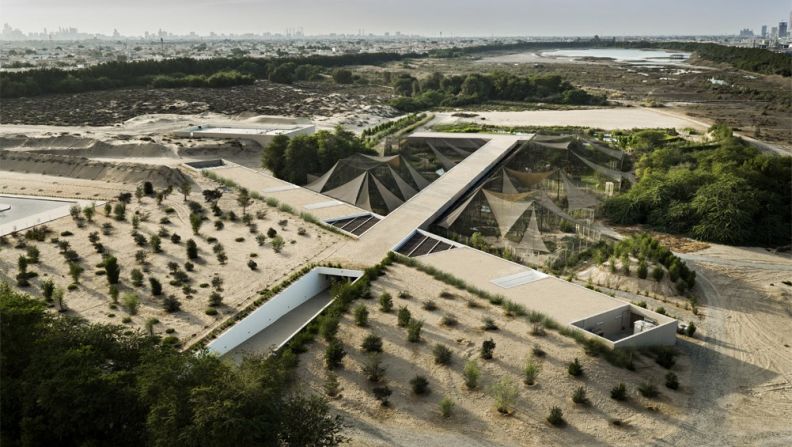
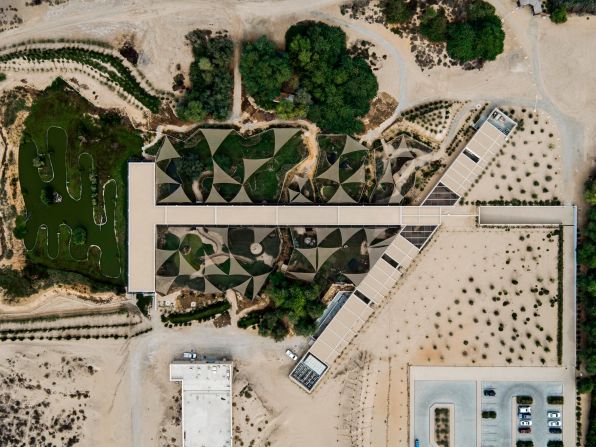
The Wasit Wetland Cente in, Sharjah, UAE. Dubai firm, X-Architects helped create an oasis out of a wasteland, which has gone on to be the first environment protection zone to win the prestigious Aga Khan Award for Architecture 2019.
X-Architects/Nelson Garrido (photographer)
A bird's eye view of the architecture of the Centre, which blends with its' surroundings and uses the existing topography to minimize the visual impact on the natural scene.
X-Architects / Nelson Garrido (photographer)
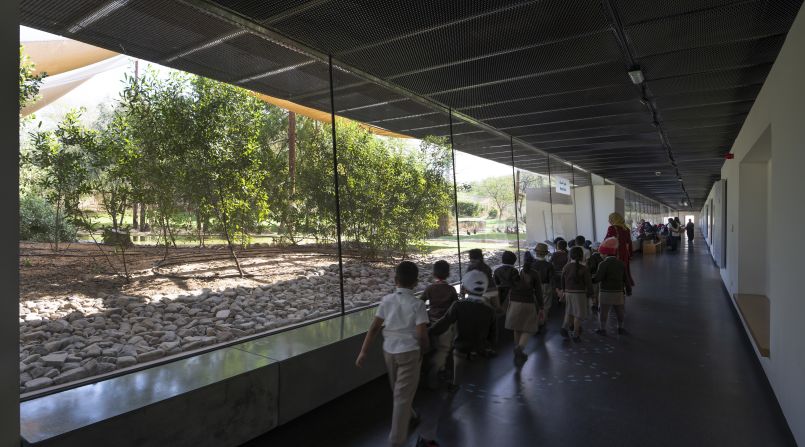
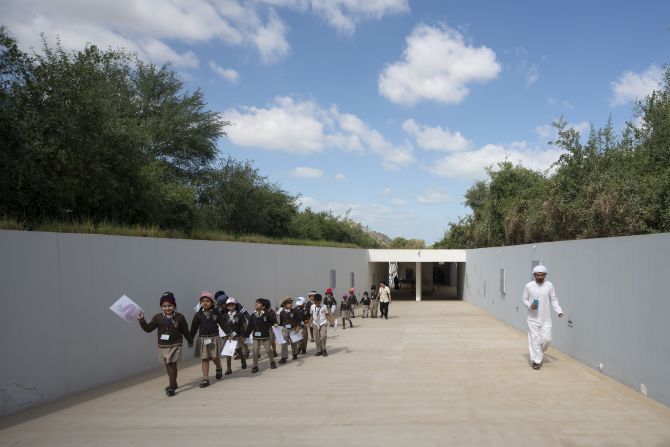
Upon arrival, visitors are led underground along a pathway into a linear gallery with a transparent wall that allows them to view the birds of the wetland in their natural habitat.
Cemal Emden/Aga Khan Trust for Culture
Wasit isn't the only important wetland habitat in the UAE. It's rejuvenation is part of a much larger project to clean up and rehabilitate an ancient chain of wetlands along the Gulf coast.
Aga Khan Trust for Culture/Cemal Emden
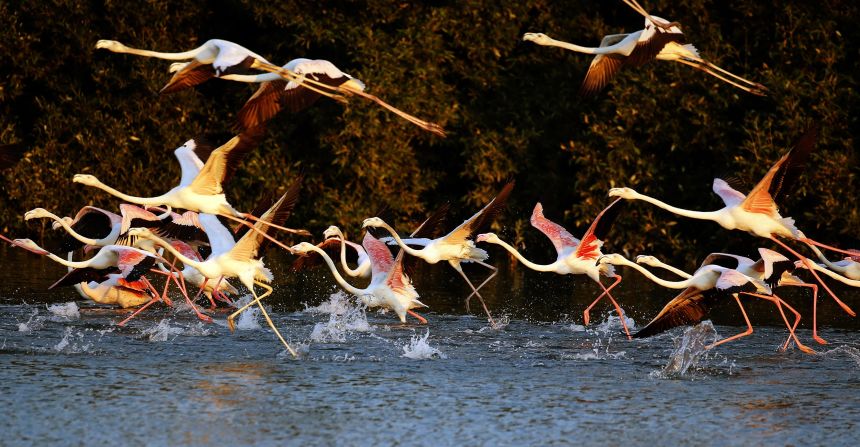
Pink flamingos are pictured as they catch flight at the Ras al-Khor Wildlife Sanctuary on the outskirts of Dubai in the United Arab Emirates. The sanctuary which is Dubai's only desert wetland occupies about 621 hectares on the banks of Dubai Creek.
KARIM SAHIB/AFP/AFP/Getty Images
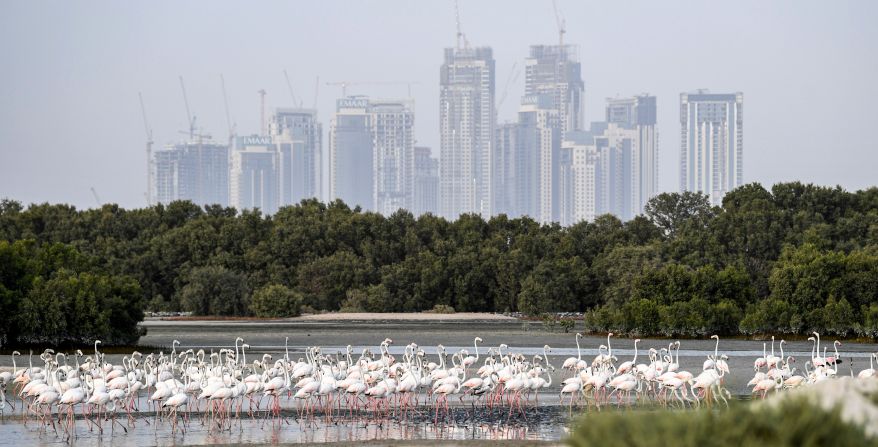
The Ras al-Khor Wildlife Sanctuary comprises of mudflats, lagoons, pools, and mangroves.
KARIM SAHIB/AFP/AFP/Getty Images
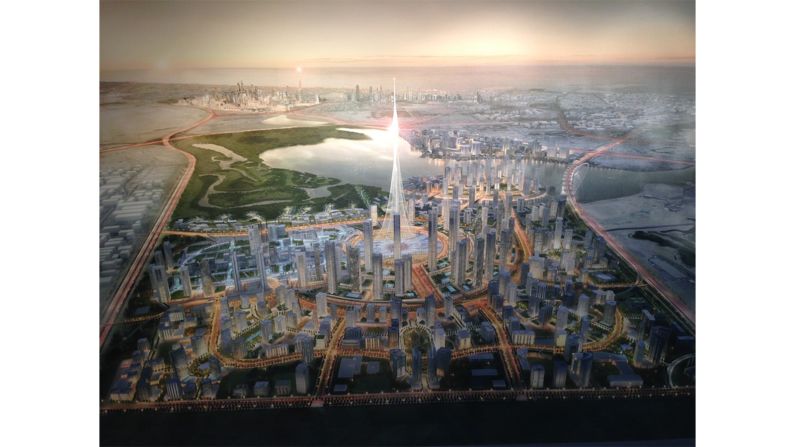
A concept image for plans for Dubai Creek Harbour with the Ras Al Khor Ramsar Site in the distance.
Ramsar Convention
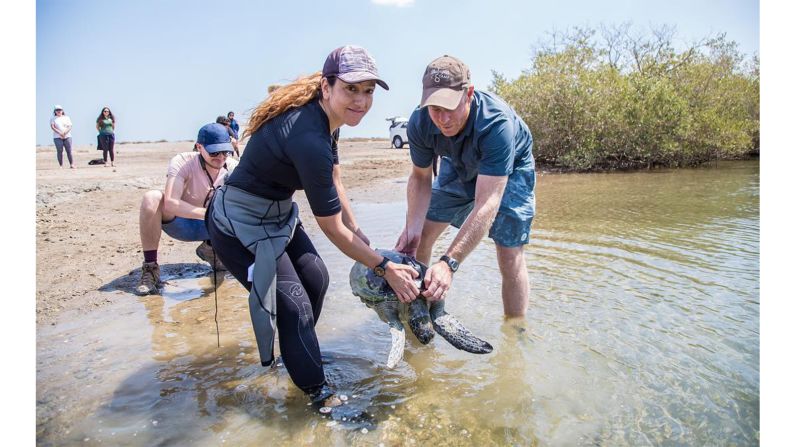
The Khor Kalba nature reserve in Sharjah, UAE, where local authorities are working with Emirates Nature and the WWF in a strategic research collaboration to better understand juvenile green turtle and the ecology they live in.
EPAA Sharjah/WWF
The Hatta Mountain Reserve is located in the Hajar mountains at the northern tip of the Arabian Highland Woodlands and Shrublands.
Dubai Media Office
Dubai's Hatta Mountain Reserve has recently been named as a Site of International Importance under the Ramsar Convention.
UAE Ministry of Climate Change and Environment
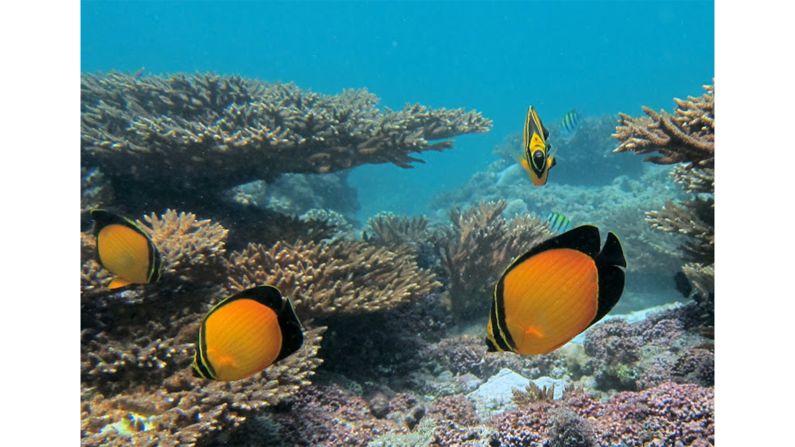
The coral reefs, mangroves and seagrass beds of Jebel Ali Wetland Sanctuary have been designated a globally significant conservation site.