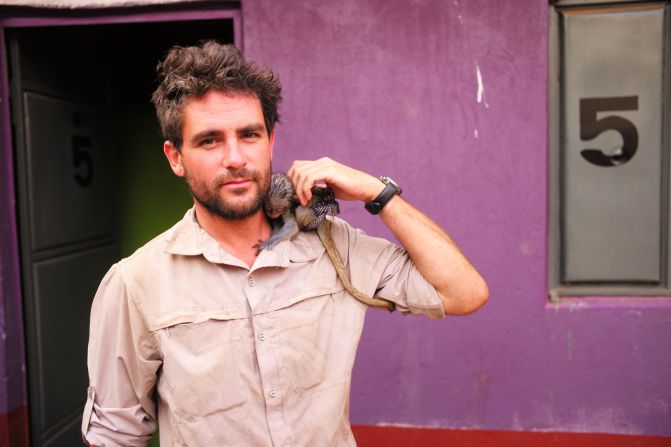
British photojournalist Levison Wood set out to walk the length of the Nile River in December 2013. Wood started in Rwanda and made his way through Tanzania, Uganda, South Sudan, Sudan and Egypt over a nine-month period. The total journey measured 3,750 miles.
Courtesy Levison Wood
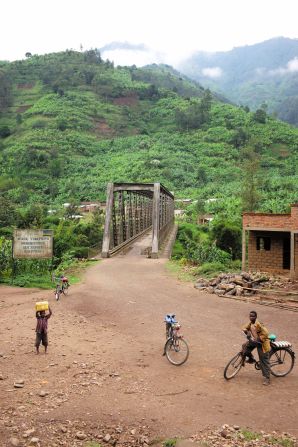
The Nile's source —
Wood and his guide started their journey in Rwanda's Nyungwe Forest, the source of the Nile. The forest is filled with swamp, and he often found himself waist-deep.
Courtesy Levison Wood
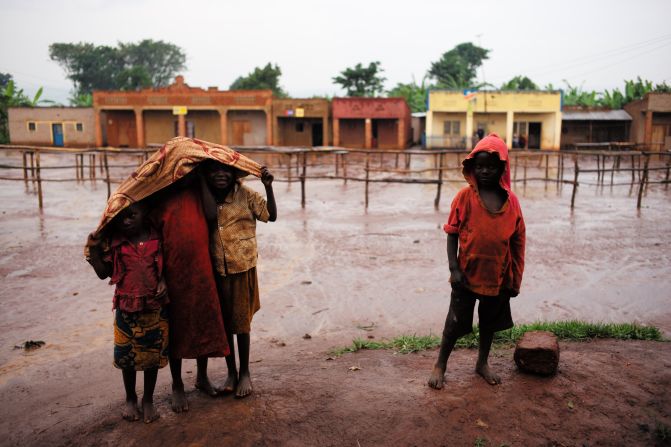
The rainy season —
While in Rwanda, Wood experienced one of the country's torrential rainy seasons first hand. The river flooded to such an extent that on one occasion he and his guide had to uproot their camp in the middle of the night.
Courtesy Levison Wood
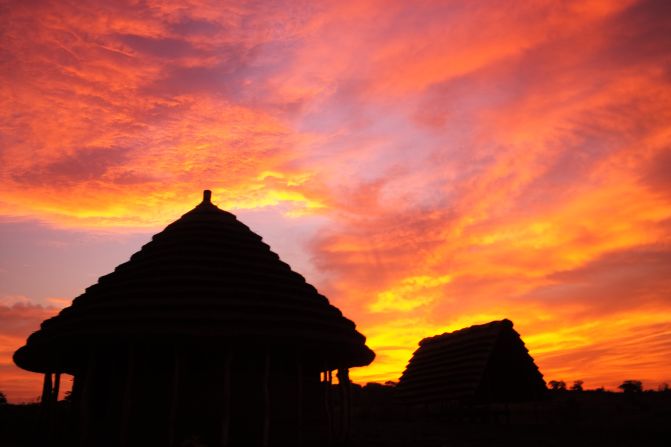
Shifting landscape —
Wood notes how diverse the landscape is along the Nile. Some days it's urban, other days it's swamp, others still, old ruins.
Courtesy Levison Wood
School's out —
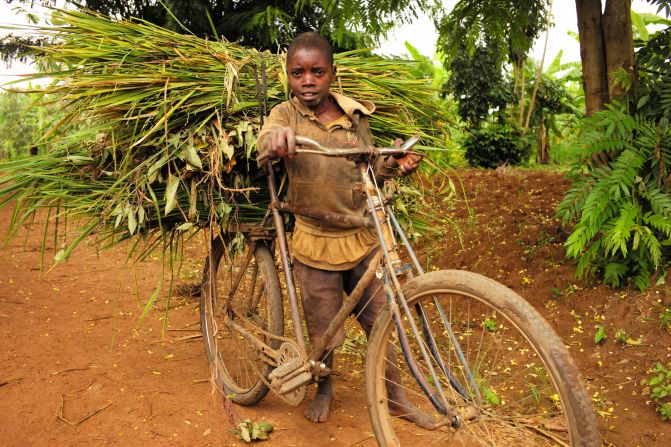
While traveling through Rwanda's wetlands, Wood encountered many of the local children harvesting crops -- the de facto activity when school's not in session.
Courtesy Levison Wood
The changing Nile —
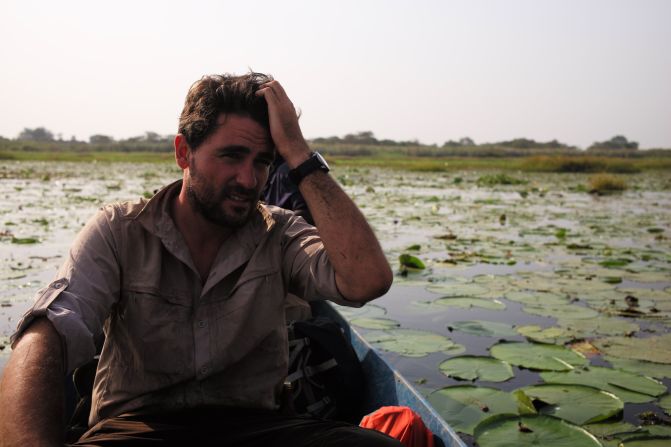
Depending on where he was based, Wood found the color, tenacity and vegetation of the Nile changed radically.
Courtesy Levison Wood
Street scene —
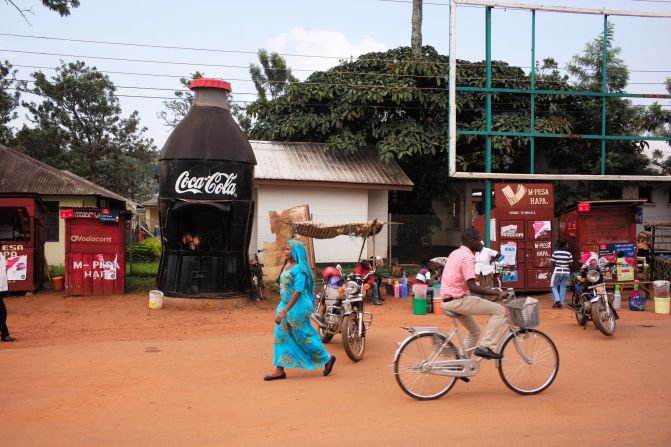
Bukoba, Tanzania provided a respite from the rugged landscape he traversed in Rwanda.
Courtesy Levison Wood
Young huntsmen —
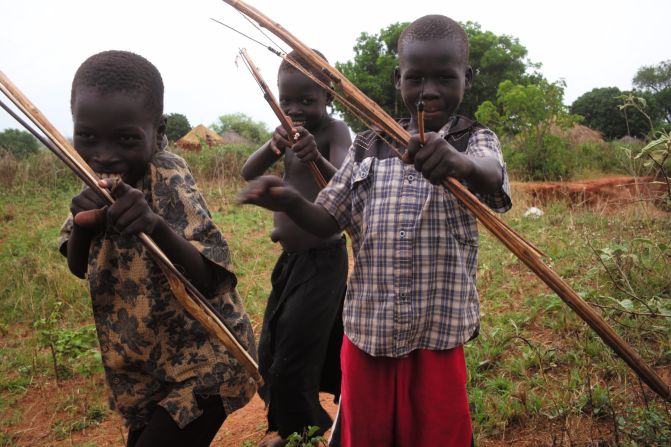
In Uganda, he met a troop of boys who were hunting bush rat with bows and arrows.
Courtesy Levison Wood
Entering South Sudan —
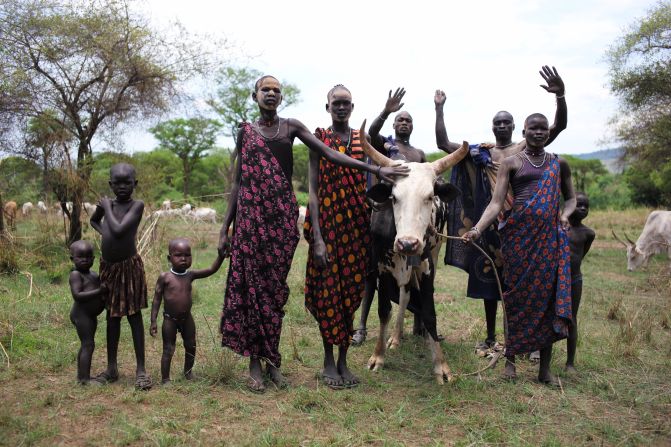
Wood arrived in South Sudan a few months into an intense civil war. Along the way, he met these Dinka cattle keepers.
Courtesy Levison Wood
Keeping South Sudan safe —
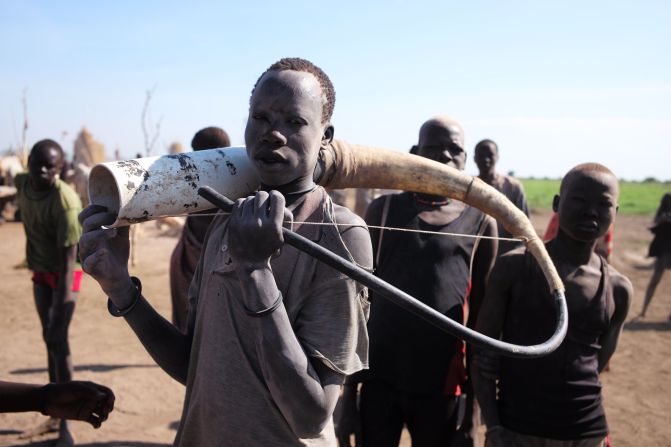
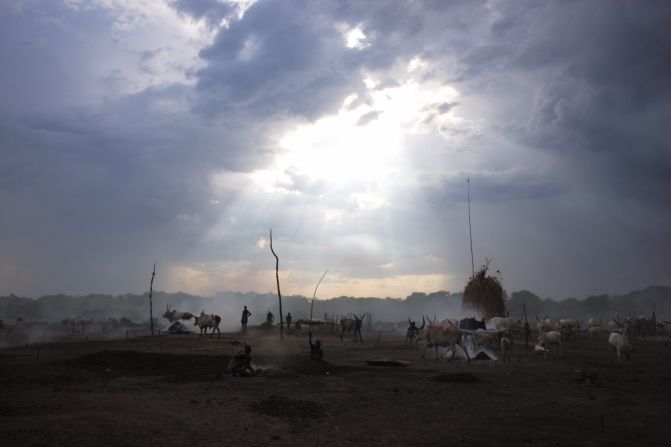
During his journey in South Sudan, Wood encountered the Mundari, a tribe of cattle herders known in equal parts as peace loving and fierce fighters. As a result, rebels in South Sudan steered clear of their territory.
Courtesy Levison Wood
A nine month walk along the Nile River —
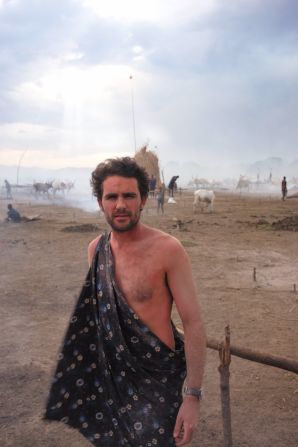
The Mundari are also known for their wrestling. Wood was invited to join the fray at one point.
Courtesy Levinson Wood
Into a war zone —
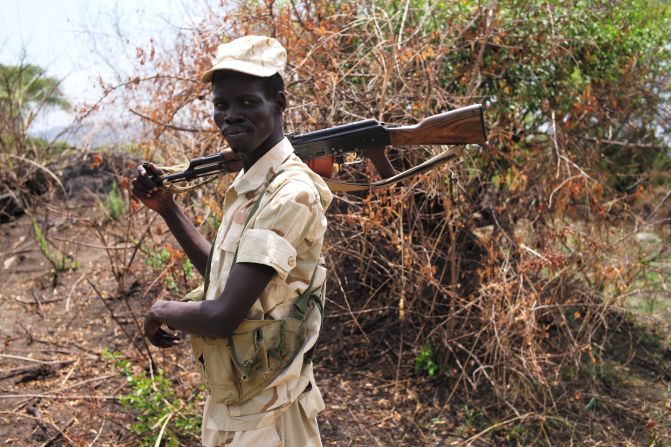
When Wood entered Bor in South Sudan, he started to encounter soldiers and police, many who told him continuing the journey would not be in his best interest.
Courtesy Levison Wood
A nine month walk along the Nile River —
As the area was rife with violence and looting, Wood had to abandon 400 miles of his walk, and took a plane north to Sudan.
Courtesy Levinson Wood
A varied diet —
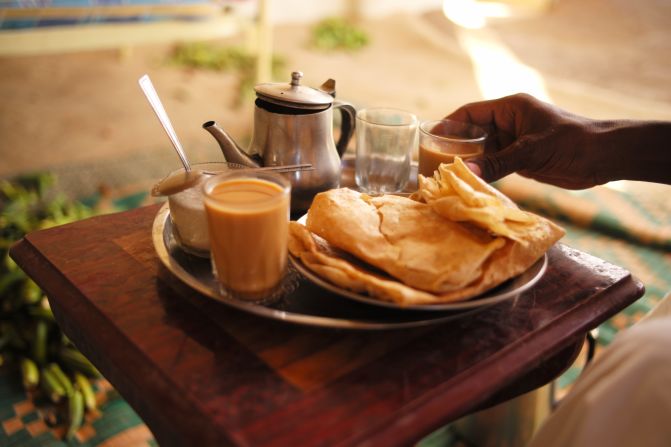
When it came to eating, Wood and his guide often relied on the kindness of strangers, who would take them in and feed them. They did carry provisions, but running out of food wasn't uncommon. Once, he says, he didn't eat for two days. Sometimes, his guide would use a slingshot to hunt pigeons for dinner.
Courtesy Levison Wood
Finding shelter —
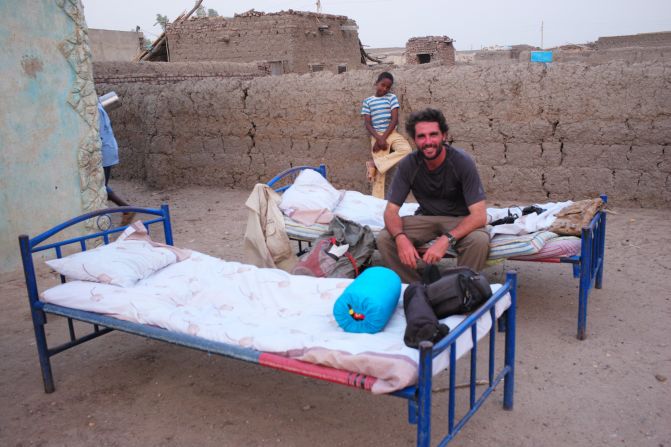
Often, Wood and his guide camped outside, or else rented a cot. Sometimes, families would take the pair in for the night.
Courtesy Levison Wood
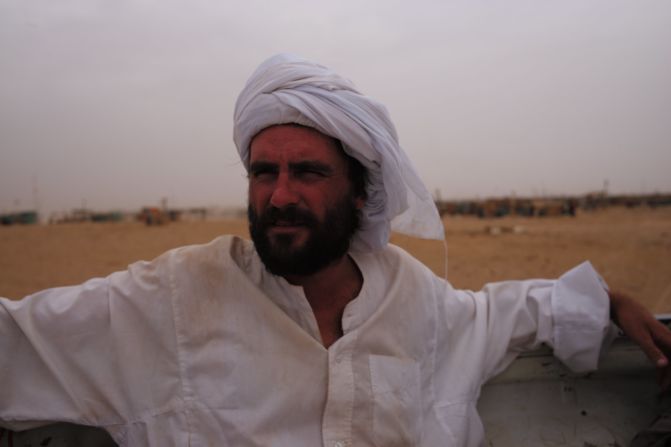
A guiding light —
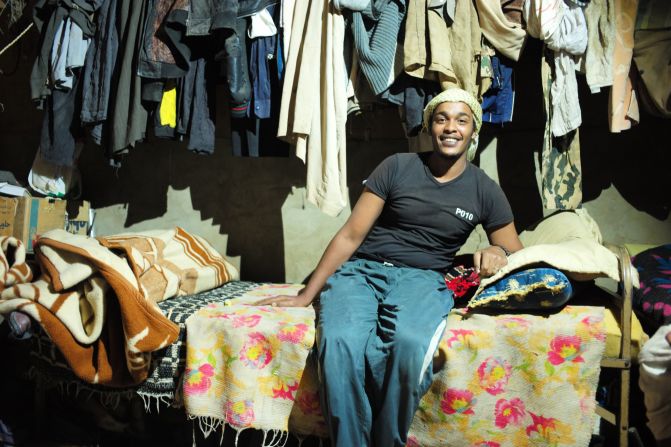
Osama (pictured) hosted Wood near Lake Nasser, a vast reservoir that sits across southern Egypt and the north of Sudan.
Courtesy Levison Wood
Enter the North —
Wood noticed a striking difference in the terrain of South Sudan and it's northern counterpart, Sudan. The former was lush and green, he says, while the latter was a desert.
Courtesy Levison Wood
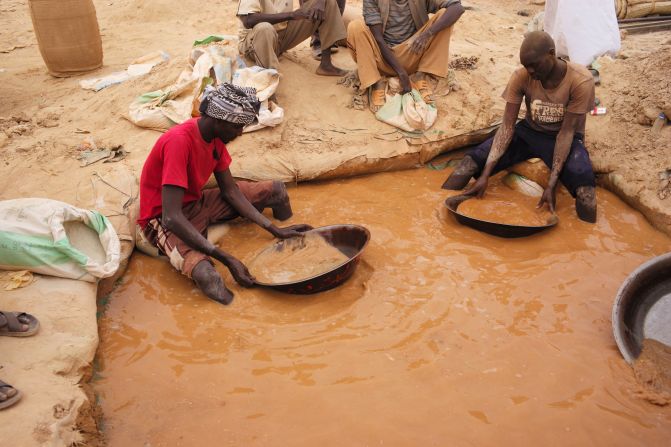
Panning for gold —
Wood visited Sudan's Al-Abidiya, known for gold. There, locals shifted through tubs of mercury and ore in the hope of striking it rich.
Courtesy Levison Wood
Wear and tear —
After regularly walking 20 miles per day, Wood started to feel the effect on his body -- and his feet.
Courtesy Levison Wood
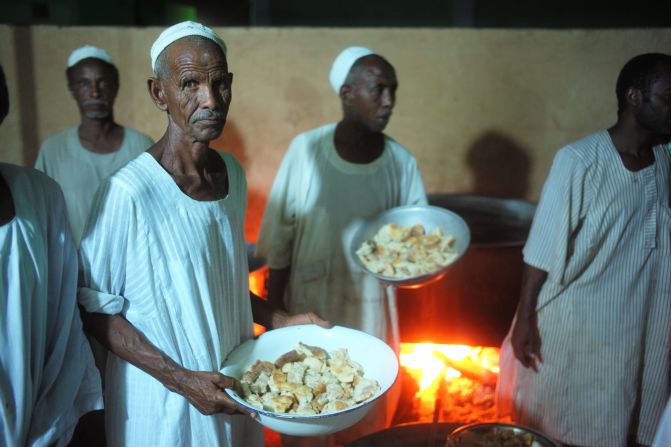
Sufi festival —
While traveling through Sudan, Wood stumbled upon a Sufi festival in the village of Kadabas. Hundreds gathered to sing, pray and dance until the early morning.
Courtesy Levison Wood
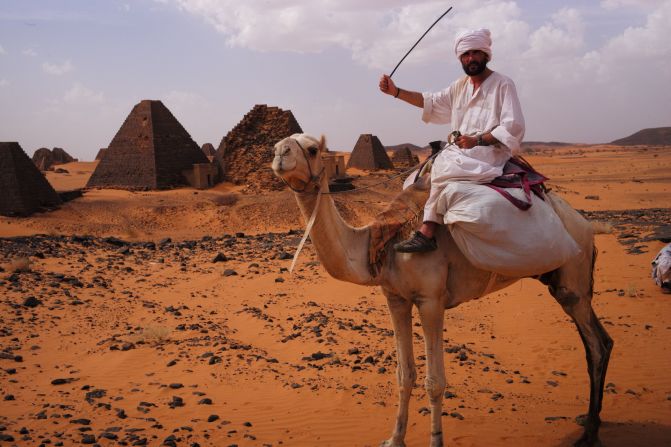
Enter the Sahara —
Wood had to enlist the help of a camel when entering the Sahara Desert.
Courtesy Levison Wood
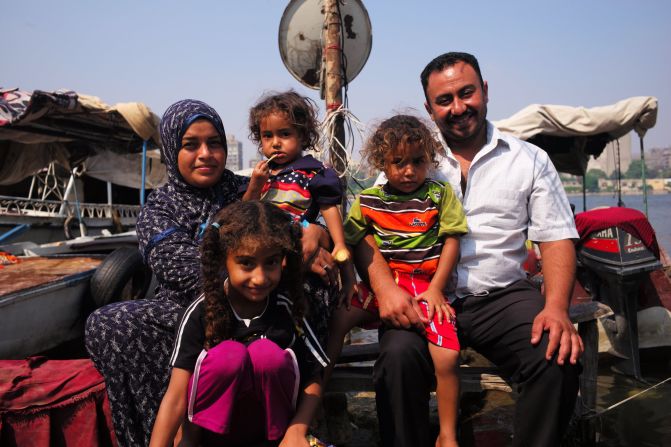
Living on a boat —
In the middle of Cairo, Wood encountered a fisherman and his family, who live and work off a boat on the Nile.
Courtesy Levison Wood
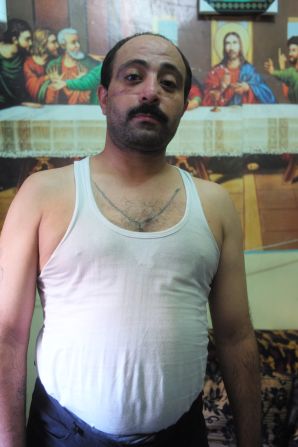
A nine month walk along the Nile River —
Though Egypt is mainly Muslim, Wood encountered many Coptic Christians on his visit to the city of Nag Hammadi. The sect is one of the oldest forms of Christianity.
Courtesy Levison Wood
Garbage city —
Coptic Christians in Cairo's El Zabaleen (garbage city) slum sift through piles of trash.