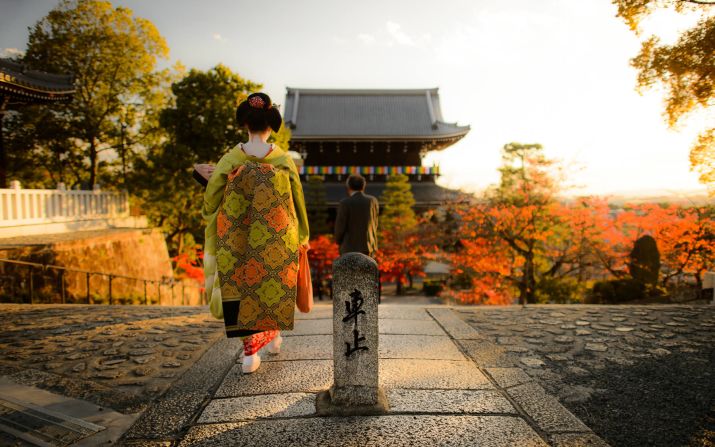
A geisha might cross your path at any time in Japan's ancient capital. But it's not all tradition. Click on for a tour of a vibrant, multi-faceted city that might surprise you.
courtesy of Jeffrey Friedl, regex.info/blog
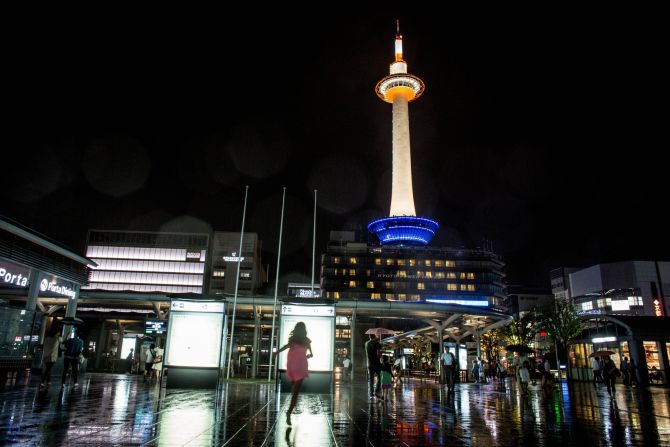
Kyoto Tower —
Kyoto is experiencing a massive tourism boom. Travel+Leisure named it World's Best City 2015. The number of annual visitors continues to climb and the city has set a goal of achieving 3 million foreign tourists, equating to a tourist spend of approximately $12 billion by the time the Olympics arrive in Japan in 2020.
Chris McGrath/Getty Images AsiaPac/Getty Images
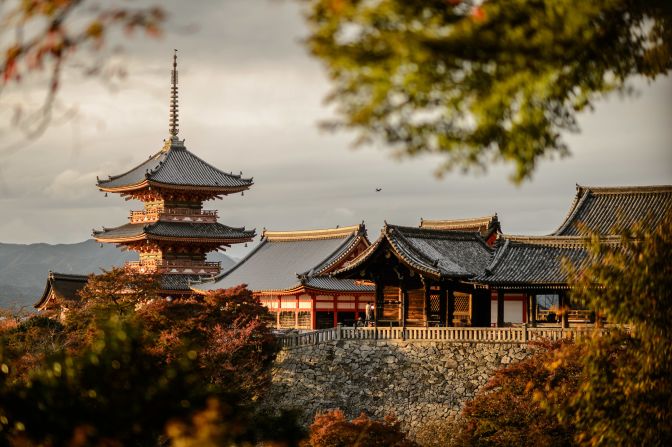
Old gold —
Kiyomizu-dera (Temple of Pure Water) is one of the many gorgeous sites attracting visitors.
courtesy Jeffrey Friedl, regex.info/blog
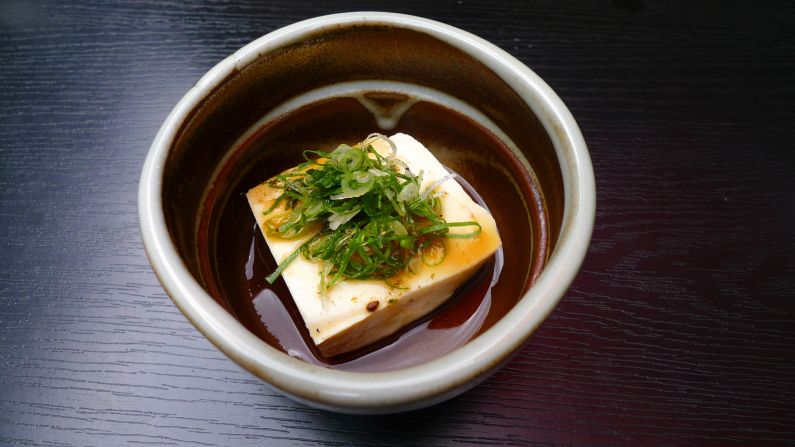
Local delicacies —
Kyoto cuisine is a draw, as well. Yudofu ("boiled tofu") is a specialty. The stew-like hot pot is made by simmering tofu and vegetables in a kelp-based broth. A popular place to eat it is the area around Nanzen-ji, where locals refer to the dish as Nanzen-ji-dofu.
courtesy JNTO
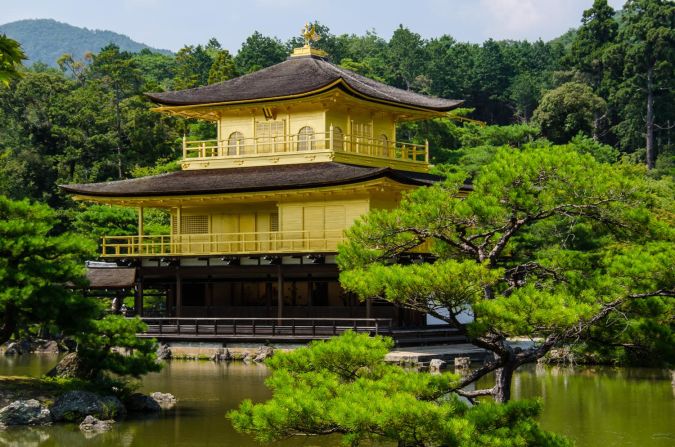
Icon —
The glorious Golden Pavilion may be the most famous of all Kyoto's attractions.
courtesy Mario Cacciottolo, travellinglensman.com
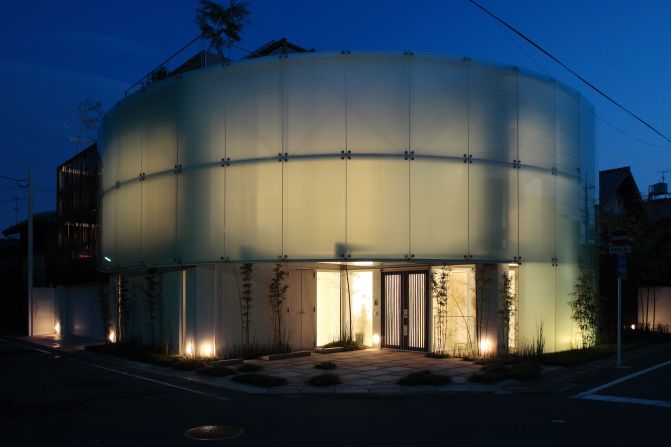
Modern look —
But the city is forward thinking, as the owner of this fantastic house might attest.
Courtesy Yasuhiro Nukamura
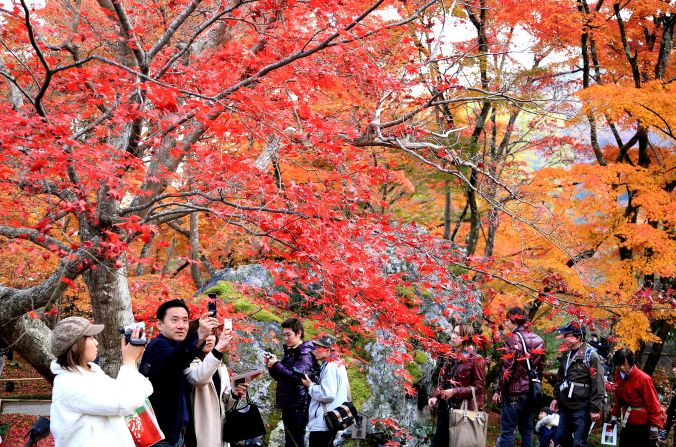
Leafy pilgrimage —
Autumn leaves are beloved throughout Japan, but people come from across the country to view them at sites such as Kyoto's Hogonin Temple.
Junko Kimura/Getty Images
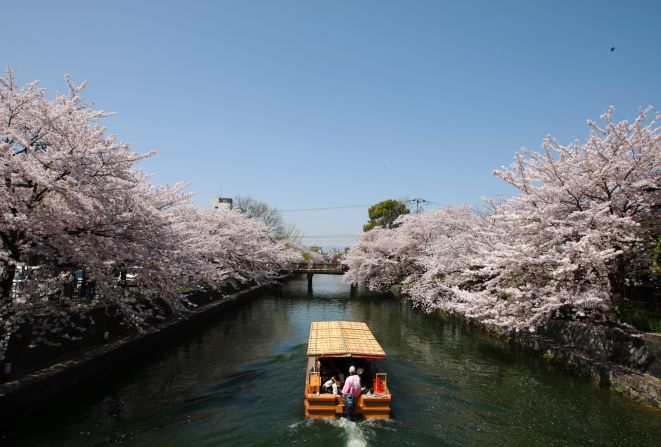
Spring in pink —
In spring, cherry blossoms on the Okazaki canal bring yet more visitors from Japan and around the world.
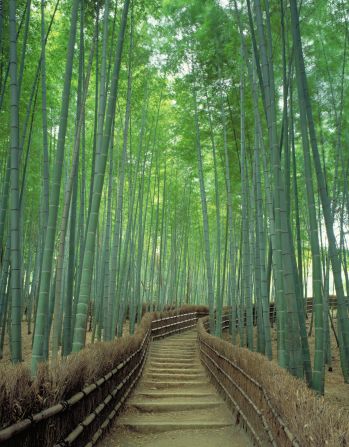
Kyoto's Sagano Bamboo Forest is considered one of the world's most beautiful forests. Not hard to see why.
JNTWO
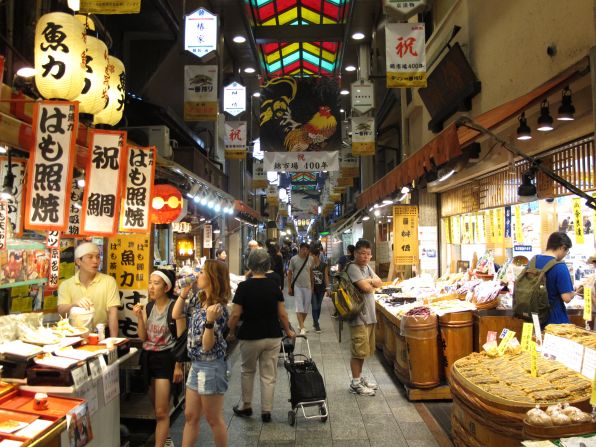
Nishiki Market —
From fresh fish to donuts to sake, the 400-year-old Nishiki Market is the food market that has everything. You can easily spend a couple hours walking through it.
courtesy www.deepkyoto.com
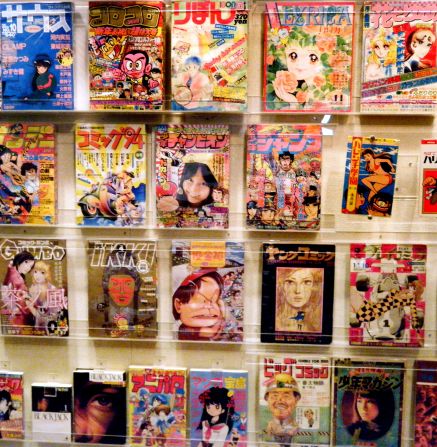
Funny business —
The Kyoto International Manga Museum is a joint project of Kyoto City and Kyoto Seika University, It's meant both as a place for tourists to view permanent collections of Japanese comics and students to study the history of the art form.
Par Karyn POUPEE/AFP/Getty Images/file
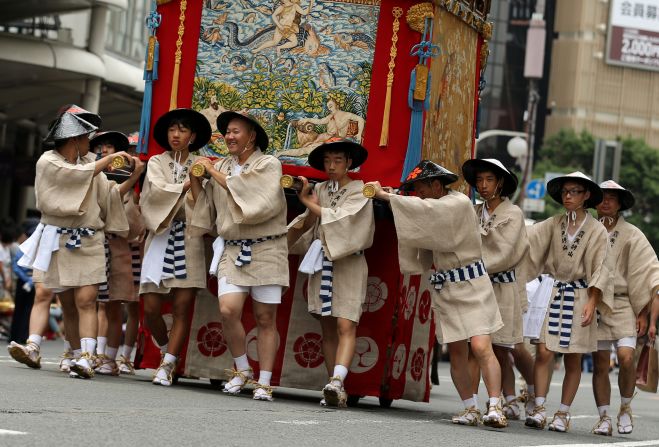
Gion Festival —
Dating to the ninth century, the annual Kyoto Gion Festival is one of three biggest Japanese festivals. The festival is part of a ritual to satisfy ancient gods that brought fire, floods and earthquakes. Many do the summer festival in yukata (summer kimonos).